We often seek grand gestures or significant life changes to achieve happiness, believing it is a destination rather than a continuous journey. However, research and anecdotal evidence increasingly point towards the power of consistent, small actions woven into the fabric of our daily lives. By incorporating specific, simple practices, we can cultivate a more resilient and contented existence. Based on recent recommendations, we present five fundamental daily practices that, when diligently applied, can serve as the building blocks for a happier life. These are not magical cures but rather tools that, with consistent application, can reshape our perception and interaction with the world around us.
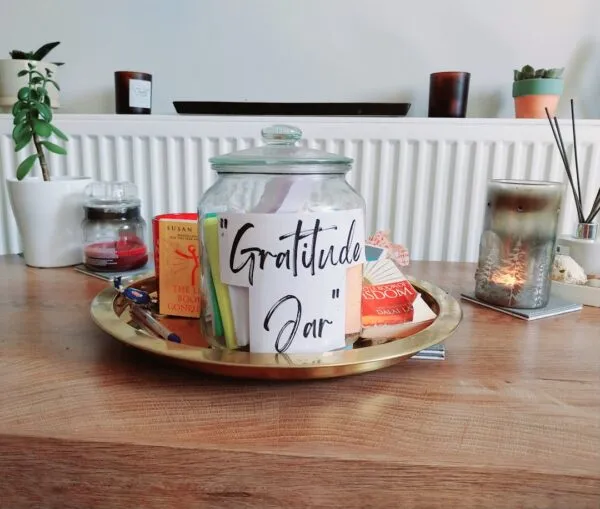
Gratitude is more than a fleeting feeling of appreciation; it is an active practice that can significantly re-engineer our neural pathways, shifting our focus from scarcity to abundance. In a world often saturated with negativity, consciously acknowledging the positive aspects of our lives acts as a powerful anchor, preventing us from being swept away by anxieties and perceived shortcomings. This practice operates on a fundamental psychological principle: our brains are wired with a negativity bias, an evolutionary mechanism designed to help us survive by prioritizing threats. While this bias can be protective, it can also lead us to disproportionately focus on the bad, eclipsing the good. Gratitude directly combats this by intentionally seeking out and registering positive experiences.
The Daily Gratitude Journal: A Record of Blessings
A well-established method for cultivating gratitude is the daily practice of writing down a designated number of things for which one is thankful. This act transforms abstract feelings into concrete entries, creating a tangible record of life's blessings.
Three Pillars of Appreciation: A Daily Minimum
Committing to writing down just three things you are grateful for each day might seem modest, but its impact is profound. These do not need to be monumental events, but rather the simple, often overlooked elements that contribute to our well-being.
- The Mundane Elevated: Consider the comfort of a warm bed, a satisfying meal, a moment of quiet, or the functionality of your own body. These everyday occurrences, when consciously acknowledged, reveal a rich tapestry of good that often goes unnoticed.
- Interpersonal Connections: Expressing gratitude for the people in our lives – a supportive friend, a kind colleague, a loving family member – reinforces our social bonds and reminds us of the network of support we possess. This can be as simple as acknowledging a pleasant conversation or a helpful gesture.
- Personal Resiliences: Reflecting on personal strengths, past accomplishments, or the lessons learned from challenges can foster a sense of self-efficacy and appreciation for our own capacity to navigate life.
Morning Moments of Abundance: A Dopamine Boost
Another effective approach is to dedicate the first few moments of your day to articulating your gratitudes. This proactive engagement can set a positive tone for the hours that follow.
- The Ten-Second Gratitude List: Before your feet even touch the floor, or as you prepare your morning beverage, take ten seconds to mentally list ten things you are grateful for. This rapid recall can act as a swift mental reset, priming your brain for a more optimistic outlook.
- Neurochemical Rebalancing: Research suggests that engaging in gratitude practices can stimulate the release of dopamine, a neurotransmitter associated with pleasure and reward. This can counteract feelings of stress and enhance our overall sense of well-being and resilience.
The Ripple Effect: Beyond Personal Benefit
The benefits of gratitude extend beyond the individual. When we regularly acknowledge the good, we are more likely to express it to others, creating a positive feedback loop that can uplift those around us. This outward projection of positivity can foster stronger relationships and a more harmonious social environment. It is akin to tending a garden; the more effort we put into nurturing the positive, the more vibrant and abundant the landscape becomes.
Incorporating simple daily practices can significantly enhance productivity and well-being, especially for those working from home. For a deeper understanding of how to create an effective home office environment and maintain a healthy work-life balance, you can explore this insightful article: The Ultimate Guide to Working from Home. This resource offers valuable tips and strategies to optimize your daily routine and foster a positive mindset while navigating remote work challenges.
The Engine of Well-being: Engaging in Bodily Movement
Our bodies are intricate biological machines, and like any machine, they require regular maintenance and activation to function optimally. Physical movement is not solely about fitness or aesthetics; it is a fundamental pillar of mental and emotional health. Engaging in regular physical activity has been consistently linked to improved mood, reduced stress, enhanced cognitive function, and a decreased risk of various mental health conditions. The act of moving our bodies triggers a cascade of beneficial physiological and psychological responses.
The Therapeutic Power of an Outdoor Stroll
Taking our bodies outside for a walk is a practice that offers a dual benefit: the physical exertion and the immersion in the natural environment. This combination can be particularly potent for mental rejuvenation.
Twenty Minutes for Mood and Productivity: A Science-Backed Prescription
A twenty-minute outdoor walk is a practical and accessible form of physical activity that has demonstrated significant positive effects on mood and overall productivity.
- Sunlight and Serotonin: Exposure to natural sunlight, especially in the morning, plays a crucial role in regulating our circadian rhythms and boosting serotonin levels, a key neurotransmitter in mood regulation. Being outdoors also provides a welcome break from indoor environments, which can sometimes feel stagnant.
- Cardiovascular and Cognitive Links: The gentle aerobic exercise involved in walking enhances blood flow to the brain, improving cognitive functions such as focus, memory, and problem-solving abilities. This can translate into a greater sense of effectiveness and satisfaction in both personal and professional tasks.
- Stress Reduction Through Motion: The rhythmic nature of walking can be a meditative experience, helping to quiet the internal dialogue of worries and anxieties. The physical exertion also serves as an outlet for accumulated stress and tension.
The Ten-Minute Commitment: Preventing Inertia
For those who find longer periods of exercise daunting or time-consuming, even a brief commitment to movement can make a substantial difference in preventing stagnation and maintaining mental well-being.
Accessible Activities for Daily Well-being
The key here is to find an activity that is enjoyable and requires minimal barriers to entry, ensuring consistency.
- The Gentle Pace of Walking: A brisk ten-minute walk around the block, perhaps during a lunch break or in the early evening, can be enough to stimulate endorphin release and break the cycle of sedentary behavior.
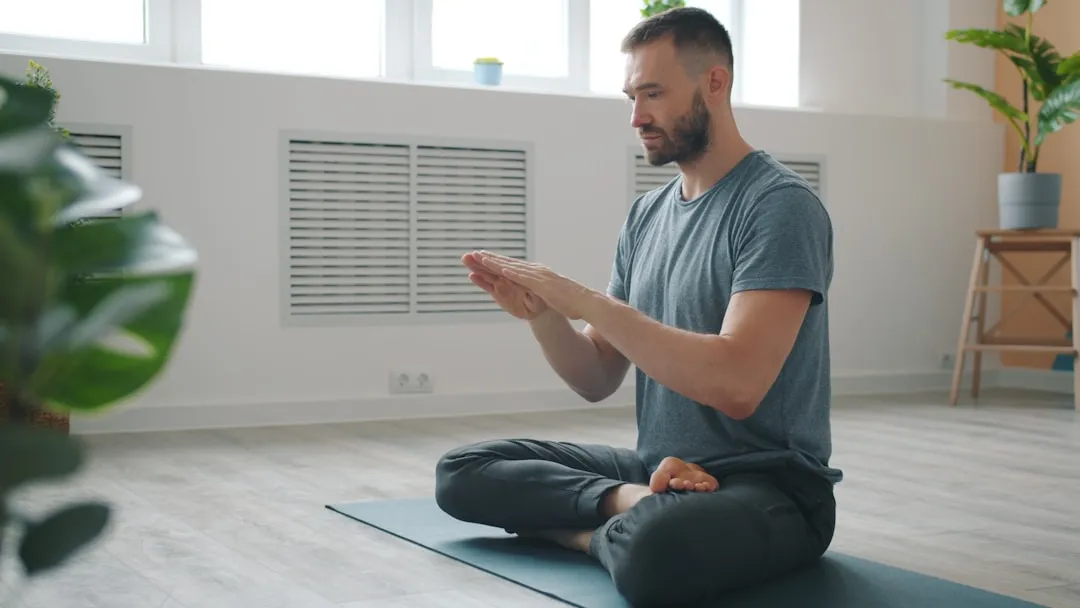
- The Mindful Flow of Yoga: Even a short ten-minute yoga session focusing on basic poses and deep breathing can promote flexibility, reduce muscle tension, and cultivate a sense of calm. The emphasis on mindfulness within yoga further enhances its mental health benefits.
- Dancing to Your Own Beat: Putting on a favorite song and dancing for ten minutes is a joyful and expressive way to move your body. This uninhibited movement can be incredibly liberating and mood-boosting.
The Long-Term Investment: Combating Depression with Movement
The preventative effects of regular physical activity on depression are well-documented. By making movement a non-negotiable part of our daily routine, we are actively building a defense against low mood and lethargy. This practice serves as a powerful prophylactic, inoculating us against the pervasive grip of depression. It is not about achieving peak athletic performance, but about consistent engagement that signals to our bodies and minds that we are invested in our own vitality.
The Currency of Connection: Practicing Daily Acts of Kindness
Human beings are inherently social creatures. Our well-being is deeply intertwined with our connections to others. Engaging in acts of kindness, no matter how small, serves as a powerful mechanism for fostering positive social interactions, enhancing our own mood, and contributing to a more compassionate world. Kindness acts as a social lubricant, smoothing the edges of our interactions and creating a more pleasant collective experience. It is a form of currency that enriches both the giver and the receiver.
The Subtle Impact of Small Gestures
The most effective acts of kindness are often the simplest, requiring minimal effort but yielding significant emotional returns. These unassuming actions can create a ripple effect of positivity.
Holding Doors and Smiling Faces: Everyday Opportunities
The daily rhythm of life presents numerous small opportunities to extend a gesture of goodwill towards others.
- The Door-Holder's Ripple: Holding a door open for someone, even if they are a few steps behind, is a minor courtesy that acknowledges their presence and offers a moment of consideration. This simple act can break the anonymity of busy public spaces.
- The Universal Language of a Smile: A genuine smile directed towards strangers, whether they are fellow pedestrians, store clerks, or colleagues, can create a fleeting but potent connection. It conveys warmth and approachability, often eliciting a positive response in return.
- Words of Encouragement: A Powerful Boost: Offering a word of encouragement to someone who appears to be struggling, or providing positive feedback to a colleague or friend, can be a significant morale booster. This validation can make a considerable difference in someone's day.
The Psychological Payoff: Boosting Mood and Reducing Loneliness
The practice of kindness is not merely an altruistic endeavor; it also offers substantial psychological benefits to the giver.
The Reciprocal Nature of Giving and Receiving
When we engage in acts of kindness, we often experience a form of "helper's high," a surge of positive emotions.
- Enhanced Mood and Self-Esteem: Performing kind acts has been shown to increase levels of oxytocin, often referred to as the "love hormone," which promotes feelings of trust and bonding. It can also boost self-esteem by reinforcing our sense of positive self-worth.
- Combating Isolation: Acts of kindness can serve as powerful antidotes to loneliness. By actively engaging with and helping others, we foster a sense of belonging and connection, reminding us that we are part of a larger community.
- Circulating Joy and Positivity: When we are kind, we not only make others feel good, but we also indirectly encourage more kindness in the world. This creates a virtuous cycle, where acts of goodwill are multiplied and spread.
The Proactive Approach: Kindness as an Intentional Practice
To truly integrate kindness into our lives, it needs to be an intentional and conscious effort rather than an occasional impulse.
Making Kindness a Daily Habit
By consciously seeking out opportunities to be kind, we can transform our interactions and our internal state.
- The Kindness Scan: At the beginning of the day, or periodically throughout, take a moment to scan your environment for potential opportunities to be kind. This might involve offering assistance, listening attentively to someone, or simply offering a kind word.
- The "Pay It Forward" Mindset: Cultivate a mindset where you actively seek to "pay it forward." If someone does something kind for you, consider how you can pass that positive energy along to someone else.
The Rhythm of Resilience: Establishing a Meaningful Morning Routine
Our mornings are the prologue to our day. The way we begin our hours can profoundly influence the trajectory of our mood, our productivity, and our overall sense of control. Establishing a consistent and purposeful morning routine, free from the immediate distractions of the digital world, can provide a stable foundation for dealing with the inevitable challenges and demands of the day ahead. It is akin to laying a strong foundation before constructing a building; without it, the entire structure is more vulnerable to collapse.
The Power of the Unplugged Beginning
In our hyper-connected age, the temptation to immediately dive into emails and social media notifications upon waking is immense. However, breaking this habit and prioritizing mindful activities can significantly reduce morning stress and set a more positive tone.
Ten to Thirty Minutes of Intentionality
The efficacy of a morning routine lies not in its length but in its intentionality. A concise period of self-care can have far-reaching benefits.
- Harnessing the Light: Exposing ourselves to natural sunlight shortly after waking can help regulate our circadian rhythm, signaling to our body that it is time to be awake and alert. This is crucial for maintaining healthy sleep-wake cycles and improving mood.
- Hydration: The Body's Reawakening: After hours of sleep, our bodies are naturally dehydrated. Drinking a glass of water upon waking is essential for rehydrating, supporting metabolism, and kickstarting our bodily functions.
- The No-Phone Zone: Designating a period, even a short one, where the smartphone remains untouched can prevent the intrusion of external stressors and allow for internal focus. This creates a buffer between sleep and the demands of the day.
- Grounding Exercises: Connecting with the Present: Simple grounding exercises, such as focusing on your breath, feeling your feet on the floor, or observing your surroundings, can help to anchor you in the present moment and reduce feelings of anxiety or overwhelm.
- Breathing Techniques: Calming the Nervous System: Practicing deep breathing exercises, like diaphragmatic breathing or box breathing, can activate the parasympathetic nervous system, promoting relaxation and reducing the physiological effects of stress.
The Long-Term Payoff: Stress Reduction and Positive Tone Setting
The cumulative effect of a well-designed morning routine is a significant reduction in daily stress and a cultivated sense of optimism and preparedness.
Proactive Management of Mental State
Instead of reacting to the day's demands, a morning routine allows us to proactively shape our internal landscape.
- A Buffer Against the Storm: A consistent morning routine acts as a personal shield, providing a sense of predictability and control that can buffer us against the unpredictable storms of daily life.
- Setting the Day's Compass: By dedicating this time to rejuvenation and mindfulness, we are essentially setting the compass for the rest of our day, orienting ourselves towards a more positive and productive direction.
- Preventing the Overwhelm: When we start the day feeling rushed or anxious, the entire day can feel like a struggle. A calm and deliberate beginning can prevent this feeling of overwhelm before it even takes hold.
The Adaptable Framework: Personalizing Your Morning Ritual
While the core principles remain constant, a morning routine should be personalized to individual needs and preferences.
Crafting Your Ideal Beginning
The most effective routine is one that is sustainable and genuinely beneficial to you.
- Experimentation is Key: Don't be afraid to experiment with different activities and timings to discover what works best for your unique schedule and personality.
- Consistency Over Perfection: The goal is consistency, not perfection. If you miss a day, simply resume the routine the following day without self-recrimination.
- Gradual Implementation: If a full thirty-minute routine feels overwhelming, start with ten minutes and gradually increase the duration as you become more comfortable.
Incorporating simple daily practices into your routine can significantly enhance your overall well-being and mindfulness. For instance, taking a moment to appreciate the beauty around you, such as a flower in bloom, can foster a sense of gratitude. If you're interested in exploring more about the impact of such practices, you might find this article on the benefits of gratitude particularly enlightening. You can read it here: benefits of gratitude. Embracing these small yet meaningful actions can lead to a more fulfilling life.
The Dynamic Duo: Embracing Novelty and Prioritizing Rest
In the pursuit of happiness, we often focus on either adding more to our lives or removing things that cause us stress. However, two seemingly contrasting elements, the introduction of novelty and the diligent prioritization of rest, can work in tandem to foster a more fulfilling and resilient existence. Novelty keeps our minds engaged and adaptable, while rest allows our bodies and minds to recover and consolidate. They are the yin and yang of a balanced life, both crucial for optimal functioning.
The Spark of Novelty: Rekindling Neuroplasticity
Our brains are remarkably adaptable, a quality known as neuroplasticity. Introducing novel experiences, even in small ways, helps to keep our brains active, engaged, and more resilient to change. Novelty acts as a mental stimulant, preventing stagnation and fostering a sense of exploration.
Doing the Ordinary Differently
Significant life changes are not always necessary to introduce novelty. Often, the most effective approach is to alter the way we approach our existing routines.
- The New Commute: Taking a different route to work, perhaps through a park or a new neighborhood, can offer fresh perspectives and stimulate our brains in new ways.
- Culinary Exploration: Trying a new recipe, ordering a dish you've never had before, or visiting a different grocery store can break up the monotony of daily consumption.
- Shifting Perspectives on Tasks: Even mundane chores can benefit from a novel approach. Consider listening to a podcast while cleaning, or tackling your to-do list in a different order.
- Learning a New Skill (Even a Small One): This could be anything from learning a few phrases of a new language to trying a new craft. The act of learning itself activates neural pathways and provides a sense of accomplishment.
The Foundation of Restoration: The Indispensable Role of Rest
While novelty ignites our minds, rest allows them to recover and consolidate. Adequate sleep and purposeful periods of calm are not luxuries; they are essential for our physical health, cognitive function, and emotional well-being. Without sufficient rest, our capacity to engage with novelty and manage stress is severely diminished.
Prioritizing Sleep for Optimal Functioning
The quality and quantity of our sleep directly impact our mood, our cognitive abilities, and our overall health. Making sleep a priority is a fundamental act of self-care.
- Establishing Sleep Routines: Developing a consistent sleep schedule, going to bed and waking up around the same time each day, helps regulate our body's natural sleep-wake cycle. This consistency signals to our bodies when it is time to wind down and when it is time to be alert.
- Creating a Restful Environment: Ensuring that our bedroom is dark, quiet, and cool can significantly improve the quality of our sleep. Minimizing exposure to screens and stimulating activities before bed can also aid in the transition to sleep.
- The Power of Purposeful To-Do Reviews: Before bed, or at the end of the day, taking a few minutes to review your to-do list and plan for the next day can alleviate late-night anxiety. This allows you to mentally check off completed tasks and set realistic expectations for the following day, promoting a sense of calm and closure.
The Synergistic Embrace: Balancing Activity and Recuperation
The true power lies in the deliberate integration of these two seemingly disparate practices. By actively seeking out new experiences and diligently prioritizing rest, we create a dynamic equilibrium that enhances our overall happiness and resilience.
A Life of Exploration and Renewal
This approach to life is not about constant stimulation or perpetual exhaustion, but about a balanced rhythm that allows for growth and rejuvenation.
- The Artist's Palette: Novelty provides the vibrant colors on our life's canvas, allowing us to explore new shades and textures. Rest is the essential drying time that allows those colors to set and become permanent, preventing blurring and smudging.
- The Athlete's Training: Just as an athlete schedules intense training and strategic rest, we too can benefit from alternating periods of engagement and recovery. This cycle allows for muscle growth (mental and physical) and prevents burnout.
- The Gardener's Approach: Novelty is the planting of new seeds, the introduction of new varieties. Rest is the nurturing rain and sunlight that allows those seeds to sprout and flourish.
By consciously incorporating these five simple daily practices – cultivating gratitude, engaging in bodily movement, performing acts of kindness, building a morning routine, and embracing novelty alongside rest – we can lay the groundwork for a more fulfilling and resilient life. They are not grand pronouncements but quiet commitments, seeds sown daily that, with consistent tending, can blossom into a harvest of enduring happiness.
FAQs
What are simple daily practices?
Simple daily practices are small, consistent actions or habits performed every day to improve physical, mental, or emotional well-being.
Why are simple daily practices important?
They help build positive routines, reduce stress, increase productivity, and promote overall health by creating sustainable lifestyle changes.
Can simple daily practices improve mental health?
Yes, practices such as mindfulness, meditation, and journaling can enhance mental clarity, reduce anxiety, and improve emotional resilience.
How long does it take to see benefits from simple daily practices?
Benefits can vary, but many people notice improvements within a few weeks of consistent practice, as habits begin to form and impact daily life.
What are some examples of simple daily practices?
Examples include drinking water first thing in the morning, stretching, practicing gratitude, setting daily goals, and taking short breaks to breathe deeply.