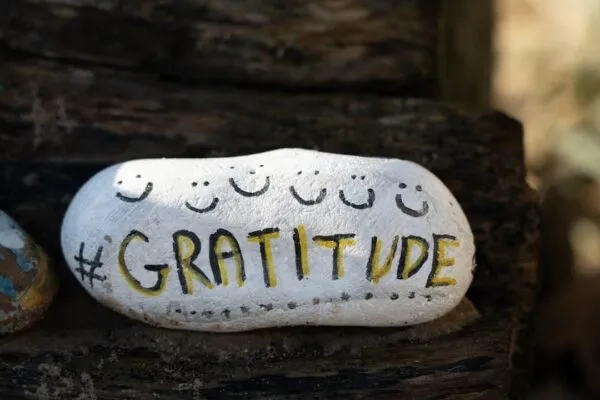
You might be surprised to learn that regularly acknowledging what you're thankful for can profoundly impact your ability to plan for and achieve your long-term aspirations. It’s not about simple politeness; it’s a strategic mental practice that, over time, builds a robust foundation for your future endeavors. By cultivating gratitude, you are, in essence, performing a form of mental calisthenics that strengthens your capacity for foresight and perseverance, much like regular exercise fortifies your body for sustained physical demands. This article will explore how gratitude acts as an anchor for your long-term vision, supported by scientific research and practical applications.
Your brain is a dynamic organ, constantly adapting and reorganizing itself based on your experiences and mental habits. Gratitude, far from being a passive emotion, actively participates in this process of neural rewiring. Engaging in gratitude practices, such as keeping a gratitude journal or consciously reflecting on positive experiences, can literally alter the structure and function of your brain. This is not a metaphorical transformation; it's a demonstrable change in the neural pathways that govern your thoughts, emotions, and behaviors.
Rewiring Neural Pathways for Enhanced Resilience
When you habitually focus on what you appreciate, you are strengthening the neural circuits associated with positive emotions and a sense of abundance. This persistent reinforcement can lead to a recalibration of your brain's default mode network, influencing how you process information and react to challenges. Consider your brain as an electrical grid; gratitude practices help to reinforce and optimize the circuits that are crucial for positive outlook and stress management, making them more robust and less susceptible to disruption.
One significant outcome of this neurological rewiring is an increased resistance to impostor syndrome and burnout. Impostor syndrome, the persistent feeling of inadequacy despite evidence of success, often stems from a cognitive bias that discounts achievements and amplifies perceived failures. Gratitude acts as a counterbalance by highlighting your accomplishments and the support systems that contributed to them, thereby diminishing the power of self-doubt. Similarly, burnout, characterized by emotional, physical, and mental exhaustion, is often exacerbated by a sense of depletion and a lack of perceived reward. Gratitude can refill this reservoir by reminding you of the positive aspects of your journey and the value of your efforts, even amidst difficulty. The heightened resilience you develop through these neural changes means you are better equipped to navigate the inevitable setbacks that arise when pursuing ambitious long-term goals.
The Impact on Your Brain's Stress Response System
Chronic stress can impair cognitive functions, including planning, decision-making, and memory, all of which are critical for long-term vision. Gratitude has been shown to mitigate the physiological effects of stress. By promoting the release of neurochemicals like dopamine and serotonin, which are associated with pleasure and well-being, gratitude can help to lower cortisol levels, the primary stress hormone. This reduction in physiological arousal creates a more conducive internal environment for clear thinking and sustained effort towards your goals. When your stress response is less volatile, you are not pulled off course by transient anxieties, allowing you to maintain focus on the horizon you have set for yourself.
The Mental Health Benefits: A Cornerstone for Sustained Effort
Your mental well-being is not a tangential concern when it comes to achieving long-term goals; it is the bedrock upon which sustained effort is built. Ambitious endeavors often require sustained motivation, resilience in the face of adversity, and a generally positive outlook. Gratitude directly contributes to these essential components of mental fortitude. The scientific literature increasingly supports the notion that gratitude is not merely a pleasant sentiment but a potent tool for psychological health and, by extension, for maintaining the commitment required for long-term vision.
Reducing Symptoms of Depression and Anxiety
Research, such as that published in the Journal of Positive Psychology, indicates that regular gratitude practices can lead to significant reductions in symptoms of depression and anxiety. Studies have reported reductions of up to 35% in these conditions among individuals who actively cultivate gratitude. This is not a trivial improvement. Lower levels of depression and anxiety free up cognitive and emotional resources that would otherwise be consumed by negative rumination and worry. When your mental landscape is less cluttered with distress, you have more capacity to focus on your objectives, plan effectively, and maintain the motivation needed to overcome obstacles. Imagine trying to navigate a complex map with smudged ink; gratitude helps to clear that smudge, allowing you to see the path ahead more distinctly.
Enhancing Sleep Quality and Immune Function
The benefits of gratitude extend beyond purely psychological realms, impacting your physical health in ways that indirectly support long-term vision. Improved sleep quality is a direct consequence of reduced anxiety and enhanced emotional regulation associated with gratitude. Sufficient, restorative sleep is fundamental for cognitive function, memory consolidation, and energy levels – all critical for sustained effort. Furthermore, research suggests that gratitude can bolster immune function. A more robust immune system means fewer sick days and a greater capacity to remain physically active and engaged in pursuing your goals. You are, in essence, building a more resilient physical platform to support your mental drive.
Building Resilience Against Future Challenges
Long-term vision inherently involves anticipating and preparing for future challenges. Gratitude plays a crucial role in developing this forward-looking resilience. By fostering a positive mindset and reinforcing a sense of capability, gratitude helps you approach potential difficulties with a sense of agency rather than dread. When you have a history of recognizing small victories and the sources of your support, you are better equipped to face larger, more daunting obstacles. This builds a psychological buffer, making you less likely to be overwhelmed by setbacks and more inclined to persevere. Your capacity to bounce back – a hallmark of resilience – is significantly strengthened by the habit of acknowledging the good, even when faced with the bad.
The Performance Enhancement Effect: Fueling Your Pursuit of Goals
The link between gratitude and improved performance might seem counterintuitive at first glance. How can a focus on appreciation enhance your productivity or academic achievements? The answer lies in the indirect but powerful ways gratitude influences your cognitive and emotional states, thereby optimizing your ability to learn, focus, and execute tasks. When you are mentally and emotionally well-situated, your capacity for high-level performance naturally increases.
Reducing Stress for Improved Academic and Professional Outcomes
Stress is a significant detractor from optimal performance. High levels of stress can impair concentration, memory recall, and critical thinking, leading to decreased efficiency and an increased likelihood of errors. Gratitude practices, by reducing stress and anxiety, create a more conducive mental environment for learning and working. Studies on academic performance have shown that students who incorporate gratitude into their routines exhibit lower levels of academic stress, which, in turn, correlates with improved grades and a greater ability to absorb and retain information. This principle extends beyond academia to the professional world, where reduced stress can lead to greater job satisfaction, increased productivity, and a higher quality of work output. You are effectively clearing the fog of anxiety, allowing your mental faculties to operate at their peak.
Fostering a Growth Mindset Through Appreciation
Gratitude cultivates a growth mindset by encouraging you to see challenges as opportunities for learning and development rather than insurmountable barriers. When you are grateful for the lessons learned from past experiences, even difficult ones, you are more likely to approach new situations with curiosity and a willingness to persevere. This contrasts with a fixed mindset, where individuals may shy away from challenges for fear of failure. A growth mindset, nurtured by gratitude, is essential for long-term vision because it fosters the belief that your capabilities can be developed through dedication and hard work, allowing you to tackle complex, long-term objectives with confidence. You are less likely to abandon a long-term project if you view each step as a valuable learning experience, for which you can be grateful.
Enhancing Focus and Engagement
When you are less bogged down by negative emotions and stress, your ability to focus and engage with your tasks improves dramatically. Gratitude can redirect your attention away fromdistractions and anxieties, allowing you to concentrate more effectively on the present moment and the task at hand. This heightened focus is crucial for any endeavor that requires sustained effort and attention to detail, which is characteristic of most long-term visions. It's like tuning a radio; gratitude helps you lock onto the desired frequency, minimizing static and interference, allowing for clearer reception of your goals.
The Synergy of Past Appreciation and Future Goals
A common misconception is that to plan for the future, one must entirely focus on the future, leaving the past behind. However, research suggests a more integrated approach, where acknowledging past blessings and support can significantly propel you towards future aspirations. This is not about dwelling on the past but about leveraging its positive influences to anchor your forward momentum.
Achieving More with a Combined Approach
Individuals who successfully combine backwards-looking gratitude with forward-looking goals tend to achieve more while maintaining better mental health than those who exclusively focus on the future. This synergy creates a powerful motivational engine. Reflecting on past successes, support received, and valuable lessons learned provides a sense of accomplishment and validation that fuels the drive to pursue new objectives. Simultaneously, setting clear future goals provides direction and purpose. This dual focus ensures that you are both motivated by where you've been and guided by where you're going, preventing stagnation and burnout. Consider a ship setting sail: gratitude is the appreciation for the sturdy hull that has carried you through past voyages, while future goals are the navigational charts and destination. Both are essential for a successful journey.
The Role of Gratitude in Goal Setting
When you integrate gratitude into your goal-setting process, you approach it from a position of strength and self-awareness. You can identify the skills, knowledge, and support systems you've previously benefited from, which can inform your planning for future endeavors. For instance, if you're grateful for the mentorship you received in a past project, you might actively seek out similar guidance for your current long-term vision. This makes your goal-setting more strategic and grounded in lived experience, increasing the likelihood of success. It's about building upon a solid foundation rather than trying to construct on shifting sands.
Preventing Future Apathy Through Present Appreciation
A purely future-oriented approach can sometimes lead to a sense of detachment from the present, which can breed apathy. When you are constantly looking ahead, you risk devaluing your current experiences and efforts. Gratitude, by anchoring you in the present moment and encouraging appreciation for what you have and what you are doing, prevents this. By finding value and satisfaction in the journey itself, you maintain motivation and engagement, which are vital for the long haul required for significant long-term achievements. This prevents the future from becoming an ever-receding mirage that offers no immediate comfort or reward.
Strengthening Relationships as a Foundation for Long-Term Vision
Your long-term vision often does not exist in a vacuum. It is frequently intertwined with your personal and professional relationships, which can serve as crucial sources of support, collaboration, and motivation. Cultivating gratitude within these relationships transforms them into robust anchors that can steady your course and provide a safety net during challenging times. It's not just about receiving; it's about actively acknowledging and appreciating the contributions of others.
The Reciprocal Nature of Gratitude in Relationships
Expressing gratitude to others is not simply a matter of good manners; it has tangible effects on social dynamics. When you acknowledge the support and kindness you receive, you reinforce positive interactions and build stronger bonds. This act of appreciation signals to others that their efforts are valued, making them more likely to offer their assistance in the future. This creates a virtuous cycle of mutual support and investment within your social network. Think of it as strengthening the threads of a tapestry; the more you reinforce each thread, the stronger and more resilient the entire fabric becomes.
Building Community Investment for Future Support
Investing in your relationships through gratitude fosters a sense of community and shared purpose. When people feel appreciated and valued, they are more likely to be invested in your well-being and your aspirations. This "community investment" can manifest in various ways, from informal encouragement and advice to concrete assistance and collaboration. For individuals pursuing ambitious long-term visions, having a supportive network of friends, family, colleagues, or mentors can be invaluable. They can offer emotional sustenance, practical help, and different perspectives, all of which can be crucial for navigating complex paths. This network acts as a collective anchor, providing stability and support when your individual resolve might waver.
Leading with Gratitude to Foster Trust and Collaboration
In any collaborative long-term project or endeavor, trust is paramount. Gratitude is a powerful tool for building and maintaining trust. When you consistently demonstrate appreciation for the contributions of your team members or collaborators, you foster an environment of mutual respect and psychological safety. This, in turn, enhances collaboration, as individuals feel more comfortable sharing ideas, taking risks, and working together towards a common objective. A leader who models gratitude is more likely to inspire loyalty and dedication, which are essential for the sustained effort required to bring a long-term vision to fruition.
A Practical Framework: Integrating Gratitude into Actionable Planning
The principles of gratitude are not solely theoretical; they can be translated into concrete, actionable strategies that enhance your ability to plan, execute, and achieve your long-term vision. Integrating gratitude into your goal-setting framework can transform abstract aspirations into tangible progress. The key is to move beyond mere intention and embrace immediate, consistent action informed by an appreciative perspective.
Research-Backed Goal-Setting with Gratitude Insights
Effective goal-setting is not about wishful thinking; it's about creating a structured plan that leverages your strengths and resources. When you combine insights derived from your gratitude practices with established goal-setting methodologies, you create a more robust and sustainable approach. This means reflecting on what has worked well for you in the past, who has supported you, and what you've learned, and then using these reflections to inform your forward planning. For example, if you're grateful for the structure that a particular planning technique provided in a previous successful project, you'd ensure you incorporate a similar element into your current long-term plan. This is about being an informed architect of your future, building upon the blueprints of your past experiences.
The Power of Immediate Action Over Delayed Intention
A common pitfall in long-term vision planning is the tendency to delay action in favor of further planning or "waiting for the right moment." Research indicates that immediate action, rather than delayed intention, shows better results. Gratitude can play a role here by fostering a mindset that appreciates the present opportunity to act. When you're grateful for the capacity to start, to take that first step, you are more inclined to do so without undue procrastination. This also aligns with the principle that concrete action, however small, is more valuable than abstract plans. By immediately translating gratitude into action, you build momentum and demonstrate commitment to your long-term vision, turning intention into tangible progress.
Developing Sustainable Goal-Setting Through Consistent Practice
The long-term nature of your vision necessitates sustainable practices. Gratitude, when cultivated consistently, becomes a sustainable practice in itself that supports other goal-oriented habits. By regularly acknowledging your progress, the support you receive, and the lessons learned, you maintain motivation and prevent burnout. This consistent reinforcement loop ensures that the pursuit of your long-term vision remains a source of fulfillment rather than a relentless burden. It’s about cultivating a garden: daily tending, appreciation for the soil and the sprouts, and patience for the eventual harvest, rather than expecting a fully grown tree overnight. By weaving gratitude into the fabric of your daily life, you create an enduring, resilient framework for achieving your most ambitious long-term aspirations.
FAQs
What is the main idea behind "Why Gratitude Anchors Long-Term Vision"?
The main idea is that practicing gratitude helps individuals maintain a positive and grounded perspective, which supports the development and persistence of long-term goals and visions.
How does gratitude influence long-term vision?
Gratitude fosters a mindset of appreciation and contentment, reducing stress and increasing resilience. This mental state enables people to stay focused on their long-term objectives despite challenges.
Can gratitude improve decision-making related to future goals?
Yes, gratitude can improve decision-making by promoting emotional stability and a clearer outlook, which helps individuals make thoughtful choices aligned with their long-term vision.
Is there scientific evidence supporting the link between gratitude and long-term planning?
Research in psychology suggests that gratitude is associated with greater well-being, optimism, and goal persistence, all of which contribute to effective long-term planning and vision.
How can someone cultivate gratitude to support their long-term vision?
Individuals can cultivate gratitude by regularly reflecting on positive experiences, keeping gratitude journals, expressing thanks to others, and practicing mindfulness, all of which reinforce a grateful mindset conducive to long-term focus.