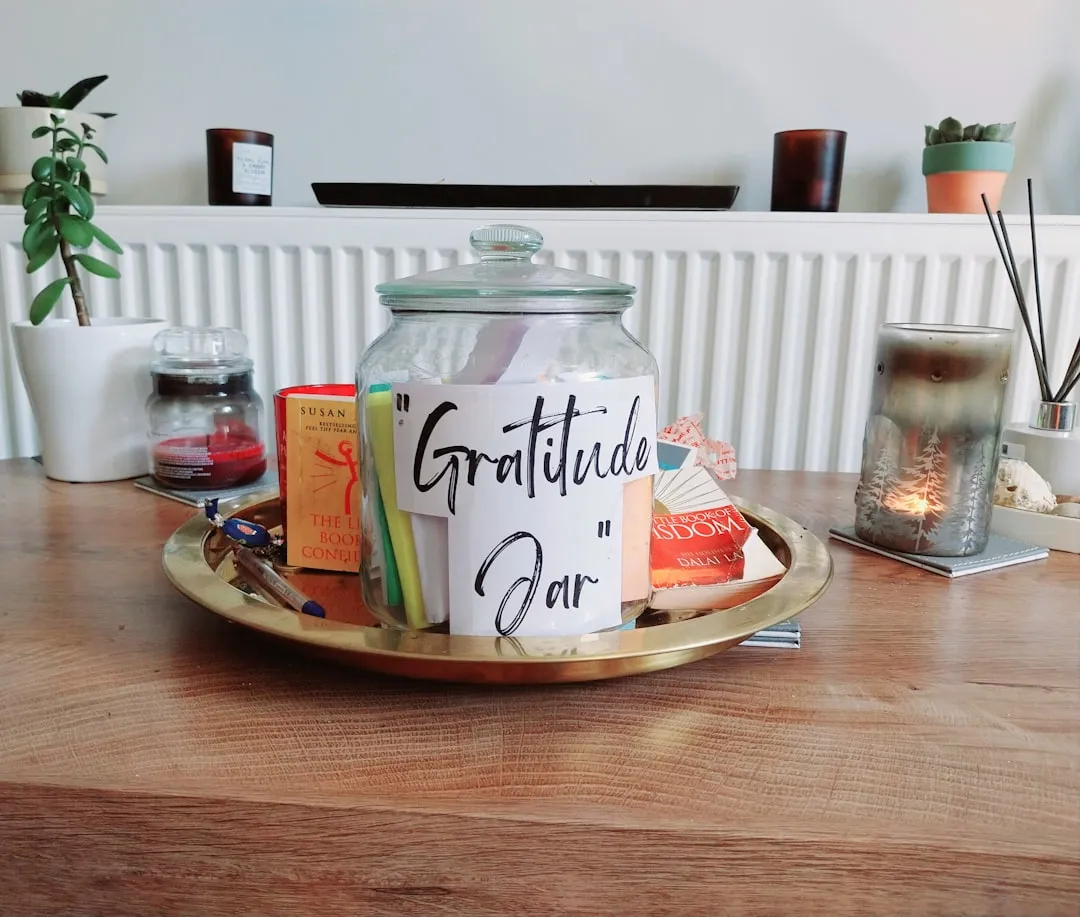
Your perception of life, the very lens through which you see the world, is not a fixed entity. It is a construct, continuously shaped by your internal landscape and the feedback loops you engage with. One of the most powerful catalysts for transforming this landscape, and consequently how you think about life, is the practice of gratitude. It is more than a fleeting emotion; it is a cognitive and emotional habit that can fundamentally alter your neural pathways, your outlook, your mental and physical resilience, and ultimately, your experience of existence.
Your brain is not static; it is a dynamic organ, constantly rewiring itself based on your experiences and practices. Gratitude, far from being a passive sentiment, actively engages and remodels specific regions within your brain, laying the groundwork for a more optimistic and balanced perspective.
Prefrontal Cortex Activation
When you cultivate gratitude, you engage the prefrontal cortex, the brain's executive suite. This region is intricately involved in complex cognitive functions such as decision-making, emotional regulation, and social behavior. Think of the prefrontal cortex as the conductor of an orchestra, ensuring all the instruments play in harmony. By regularly focusing on what you are thankful for, you are essentially training this conductor to lead with greater composure and efficacy. This increased activation translates into improved emotional regulation, allowing you to navigate the inevitable ups and downs of life with a steadier hand. It also enhances your decision-making skills, as a more regulated emotional state often leads to clearer, more rational choices, free from the distortions of immediate negative impulses.
Building New Neural Pathways
The repeated practice of gratitude does not simply activate existing neural circuits; it actively builds new ones. Imagine your brain as a vast network of roads. With consistent use, certain paths become well-trodden highways, easily and quickly traversed. By consciously acknowledging and appreciating the positive aspects of your life, you are creating and reinforcing these "gratitude highways." Research supports this, indicating that sustained brain activation in areas associated with positive sentiment can persist for months after individuals engage in gratitude interventions. This means that with consistent practice, what might initially feel like a deliberate effort to find things to be thankful for gradually becomes a more automatic and accessible way of processing your experiences. Positive thinking, rather than being a struggle, begins to feel more natural.
Neurochemical Sweeteners
Beyond structural changes, gratitude acts as a potent trigger for the release of crucial neurochemicals that directly impact your mood and overall sense of well-being. When you experience gratitude, your brain releases dopamine, often referred to as the "reward" neurotransmitter, and serotonin, a key mood regulator. Dopamine contributes to feelings of pleasure and motivation, reinforcing the positive behavior of expressing gratitude. Serotonin, on the other hand, plays a vital role in combating feelings of anxiety and depression, promoting a sense of calm and contentment. Together, these neurochemicals act as internal rewards, making the experience of gratitude pleasurable and thus encouraging its repetition, creating a virtuous cycle of positive reinforcement.
Cognitive Reframing and Resilience
Your interpretation of events is not a passive reception of objective reality. Your mind actively constructs narratives, and gratitude provides a powerful tool for reshaping these narratives towards a more hopeful and robust understanding of challenges.
Reinterpreting Negative Experiences
Life is replete with experiences that, on the surface, appear negative. From minor setbacks to significant adversies, these events can easily cast a long shadow over your outlook. Gratitude, however, offers you the opportunity to reframe these experiences. It allows you to look beyond the immediate discomfort or perceived failure and identify any lessons learned, any strengths discovered, or any unexpected positive outcomes that may have arisen, however small. This is not about denying the reality of hardship, but about broadening your perspective to include the glimmers of light that often coexist with darkness. It is akin to a skilled weaver who can incorporate a stray thread into the overall pattern of a tapestry, transforming a perceived flaw into an integral part of the design. This ability to reframe is foundational to building resilience, enabling you to maintain hope even when circumstances are difficult.
The Optimistic Outlook
Individuals who cultivate a grateful outlook tend to exhibit greater psychological resilience. This resilience is not an inherent trait possessed by a fortunate few; it is a skill that can be developed, and gratitude is a potent developer. When you regularly acknowledge what you have, you are less likely to be consumed by what you lack. This fosters an optimistic view, where challenges are seen as temporary obstacles rather than insurmountable barriers. Your perception shifts from "Why is this happening to me?" to "What can I learn from this?" This fundamental shift in perspective makes you more adaptable and better equipped to bounce back from adversity.
Dissolving Toxic Emotions
Pessimism and unhappiness can be insidious, creating a fertile ground for a host of negative emotions. Anger, hurt, and fear, when allowed to fester, can contaminate your thoughts and actions, leading to a cycle of negativity. Gratitude acts as an antidote to these toxic emotions. By consciously shifting your focus to the positive aspects of your life, you starve these negative feelings of the energy they need to thrive. It is like turning on a light in a dark room; the shadows, no matter how present, recede when illuminated. This process helps you to avoid being swept away by destructive emotions, allowing for a more balanced and peaceful internal state.
Enhancing Mental Health and Well-Being
The cumulative effect of gratitude on your cognitive and emotional landscape directly translates into tangible improvements in your mental health and overall sense of well-being. The evidence from extensive research underscores its significant benefits.
Increased Life Satisfaction
The impact of gratitude interventions on life satisfaction is statistically significant and consistently observed. Meta-analyses, which pool data from numerous studies, consistently show that individuals who actively practice gratitude report higher levels of life satisfaction. This increase is not merely a marginal improvement; it represents a measurable enhancement of your subjective experience of happiness and contentment. When you cultivate an appreciation for the good in your life, you inherently boost your overall enjoyment of it.
Reduced Anxiety and Depression Symptoms
Beyond life satisfaction, gratitude interventions have demonstrated a notable reduction in symptoms associated with anxiety and depression. This means that for many, cultivating thankfulness can serve as a powerful tool in managing these common mental health challenges. By shifting your focus from anxieties about the future or regrets about the past to an appreciation of the present, you can interrupt the rumination that often fuels these conditions. This effect is not merely anecdotal; it is supported by empirical data, indicating that gratitude can be an effective component of a holistic approach to mental well-being.
A Cascade of Positive Emotions
Grateful individuals tend to experience a broader spectrum of positive emotions and moods. This includes a greater sense of appreciation for everyday occurrences, a more pervasive optimism, and a notable reduction in worry. When you are accustomed to looking for the good, you are more likely to notice it, whether it is the warmth of the sun on your skin, the kindness of a stranger, or the comfort of a familiar routine. This heightened awareness of positives creates an upward spiral, where positive experiences foster more positive emotions, which in turn makes you more receptive to further positive experiences.
Counteracting Depression and Boosting Self-Esteem
In more serious instances, gratitude has shown potential in counteracting depressive states and even suicidal ideation. While it is not a substitute for professional medical help, the cognitive shift it facilitates can be a crucial element in recovery and prevention. By acknowledging your worth and the positive contributions of others, you can begin to build a stronger sense of self-esteem. This improved self-perception is vital for mental fortitude, helping you to navigate periods of despair with greater internal resources.
Stress Reduction and Physical Health
The benefits of gratitude extend beyond your psychological state, reaching into the physiological realm and impacting your body's stress response and overall health.
Calming the Nervous System
When you experience gratitude, your body's stress response system, the sympathetic nervous system, is tempered. Instead, the parasympathetic nervous system, often described as the "rest and digest" system, is activated. This shift promotes a state of relaxation, lowering your heart rate, blood pressure, and cortisol levels. Imagine your nervous system as a car engine; stress causes it to rev high and burn fuel rapidly. Gratitude allows it to idle smoothly, conserving energy and promoting a sense of calm. This activation of the parasympathetic nervous system directly counteracts the debilitating effects of chronic stress.
Lowering Stress Hormones and Improving Cardiovascular Health
The reduction in cortisol, the primary stress hormone, is a critical outcome of regular gratitude practice. Chronically elevated cortisol levels can have far-reaching negative impacts on your health, contributing to a range of issues from weight gain to weakened immunity. By lowering these levels, gratitude directly contributes to a more robust physiological state. Furthermore, research indicates that grateful individuals often exhibit improved cardiovascular functioning, suggesting that the calming effect of gratitude on the nervous system has tangible benefits for the heart and circulatory system.
A Foundation for Better Health Habits
The benefits of gratitude extend to several key areas of physical health. Improved sleep quality is frequently reported by those who practice gratitude, as a more relaxed mind tends to transition into sleep more easily. Reduced inflammation, a factor linked to numerous chronic diseases, has also been observed. Moreover, a grateful mindset often correlates with better overall health habits. When you appreciate your health and the opportunities it provides, you are more likely to engage in behaviors that support it, such as making healthier dietary choices and incorporating regular physical activity into your routine. Gratitude, in essence, fosters a positive relationship with your own body and well-being.
Global Resonance and Cultural Impact
The profound effects of gratitude are not confined to specific demographics or geographic locations; its capacity to enhance human well-being appears to resonate across diverse cultural landscapes.
Universal Well-being Enhancer
Research examining the impact of gratitude across multiple cultures has revealed its universal capacity to improve well-being. While the specific expressions of gratitude may vary, the underlying mechanism of appreciating the good in life transcends cultural boundaries. This suggests that gratitude taps into a fundamental human capacity that, when cultivated, leads to a more positive and fulfilling existence regardless of one's background or societal norms.
Amplifying Positive Emotions
While gratitude can contribute to the reduction of negative experiences, its most pronounced effect globally is often observed in the augmentation of positive emotions. This means that rather than solely focusing on alleviating distress, gratitude acts as a powerful amplifier of joy, contentment, and hope. It helps individuals to magnify the existing positive aspects of their lives, thereby creating a richer and more vibrant experience of existence. Your capacity to perceive and amplify the good in your life, cultivated through gratitude, is a powerful tool for navigating the complexities of the human experience, regardless of where you stand in the world.
FAQs
What is gratitude and how is it defined in psychological terms?
Gratitude is the feeling of thankfulness and appreciation for the positive aspects of life. Psychologically, it is considered a positive emotional response that involves recognizing and acknowledging the good things one has received, whether from other people, nature, or life circumstances.
How does practicing gratitude influence our mental health?
Practicing gratitude has been shown to improve mental health by reducing symptoms of depression and anxiety, increasing overall happiness, and promoting a more optimistic outlook on life. It helps individuals focus on positive experiences, which can enhance emotional resilience and well-being.
In what ways can gratitude change the way we perceive challenges or difficulties?
Gratitude can shift our perspective by encouraging us to find meaning or lessons in difficult situations. It helps people appreciate what they still have despite hardships, fostering a mindset that is more accepting and less focused on negative aspects, which can lead to better coping strategies.
Can gratitude impact our relationships with others? If so, how?
Yes, gratitude can strengthen relationships by promoting feelings of connection and appreciation between individuals. Expressing gratitude to others can increase trust, improve communication, and encourage prosocial behavior, leading to deeper and more satisfying interpersonal bonds.
What are some common ways to cultivate gratitude in daily life?
Common methods to cultivate gratitude include keeping a gratitude journal, regularly reflecting on things one is thankful for, expressing thanks to others verbally or through notes, mindfulness practices that focus on present positive experiences, and engaging in acts of kindness. These practices help reinforce a grateful mindset over time.