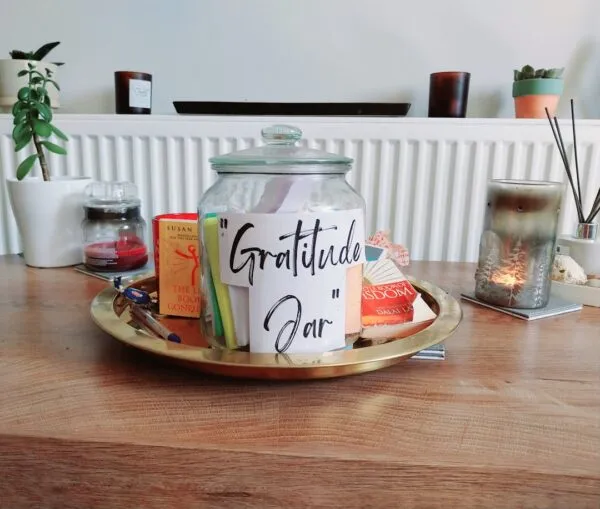
Gratitude, far from being a mere sentiment, operates as a foundational element in constructing a meaningful existence. Its integration into daily routines offers tangible benefits, moving beyond transient emotional states to effect profound psychological and physiological shifts. You will find that cultivating gratitude is less an act of passive appreciation and more a deliberate practice, with measurable outcomes that influence your well-being, social interactions, and overall life satisfaction.
Before exploring its practical applications, it is essential to establish a clear understanding of gratitude itself. You may perceive it as a simple "thank you," but its scope is considerably broader, encompassing several interconnected components.
Distinguishing Gratitude from Other Positive Emotions
Gratitude is not synonymous with happiness or contentment, though it often coexists with them.
- Targeted Acknowledgment: Unlike generalized happiness, gratitude is typically directed towards a specific benefactor, event, or condition. You are grateful for something or to someone.
- Recognition of Benefit: It involves the explicit recognition that an external force, individual, or circumstance has conferred a benefit upon you. This acknowledgement is key.
- Sense of Unearned Goodness: Often, a component of gratitude is the perception that the benefit received is not entirely deserved or is a blessing beyond what was expected. This can lead to a sense of wonder, as noted by Chesterton's "happiness doubled by wonder" [3].
The Role of Perception in Gratitude
Your perception plays a critical role in the experience of gratitude. The same event can elicit different responses depending on how you frame it.
- Cognitive Reframing: Consistently practicing gratitude often involves a deliberate cognitive reframing of circumstances. Instead of focusing solely on deficiencies, you actively seek out and acknowledge positive aspects.
- Mindfulness and Awareness: Cultivating gratitude necessitates a degree of mindfulness, enabling you to notice and appreciate elements that might otherwise be overlooked in the rush of daily life. This is not about ignoring difficulties, but about expanding your field of vision to include sources of positive experience.
The Psychological and Physiological Impact
The consistent practice of gratitude extends beyond feeling "good"; it engenders verifiable psychological and physiological benefits. You will discover that engaging in gratitude is not merely a pleasant pastime but a potent tool for personal betterment.
Impact on Mental Health
Research consistently demonstrates a strong correlation between gratitude practices and improved mental health outcomes.
- Reduction in Depression and Anxiety: Judy Wilkins-Smith's 2026 Gratitude Practice Guide emphasizes starting daily gratitude before bed or upon waking to overcome depression [1]. Similarly, Dean Bowen cites studies showing gratitude interventions reduce stress and depression [3]. New Jersey Lifestyle Magazine (Winter 2026) further notes that regular practice reduces anxiety and stress [5]. This suggests that gratitude acts as a counterweight to negative affective states.
- Shift to Creative Thinking: By consciously redirecting your focus, Wilkins-Smith suggests that gratitude can facilitate a shift towards creative thinking [1]. When you are not consumed by negative rumination, your cognitive resources are freed for more productive and innovative thought processes.
- Enhanced Resilience: Personal Balance Counseling promotes daily journaling to increase happiness and resilience [6]. Gratitude allows you to gain perspective in tough times, not by minimizing struggles, but by providing a broader context of positive experiences and resources [1]. This enables you to navigate adversity with greater fortitude.
- Increased Optimism: Robert Emmons, a leading researcher in gratitude, highlights how its practice boosts optimism by reshaping life focus [5]. You begin to perceive more opportunities and positive potential in your environment.
Impact on Physical Health
While less immediately intuitive, gratitude also influences physical well-being.
- Improved Sleep Quality: New Jersey Lifestyle Magazine (Winter 2026) reports that regular gratitude practice improves sleep [5]. This is likely due to the reduction in anxiety and stress, which often interfere with restful sleep.
- Stress Hormone Reduction: Although not explicitly stated as a 2026 fact, the documented reduction in overall stress by multiple sources (e.g., [3], [5], [6]) implies a corresponding decrease in stress hormones like cortisol, which are detrimental to long-term physical health.
Practical Integration into Daily Life
The efficacy of gratitude is largely dependent on its consistent application. You cannot simply wish for gratitude; you must do gratitude. This involves conscious effort and the development of specific routines.
Structured Gratitude Practices
Several methodologies exist for integrating gratitude systematically into your daily routine.
- Morning and Evening Reflections: Judy Wilkins-Smith advises starting daily gratitude before bed or upon waking [1]. This establishes a "bookend" approach to your day, framing it with appreciation.
- Gratitude Journaling: Personal Balance Counseling explicitly promotes daily journaling to reduce stress and increase happiness [6]. This involves regularly recording things you are grateful for, creating a tangible record of positivity. Even a few bullet points each day can be highly effective.
- Mindful Listening: ACH Group recommends mindful listening as a practical way to enhance positivity [4]. This involves fully engaging with others, acknowledging their contributions, and appreciating the act of communication itself.
- Reflection on Privileges: Post-COVID, particularly, reflecting on privileges is suggested by ACH Group to foster emotional health [4]. This can involve acknowledging fundamental freedoms, access to resources, or even the simple availability of clean water, which might otherwise be taken for granted.
Unstructured Gratitude Practices
Beyond structured exercises, you can weave gratitude into your everyday interactions and thoughts.
- Habitual Small Acts: ACH Group suggests habitual small acts to enhance fulfillment [4]. This might involve actively thanking a service person, complimenting a colleague, or expressing appreciation to family members for seemingly mundane tasks.
- "Saying Thank You" as a Prosocial Act: Greater Good Berkeley indirectly ties "saying thank you" to a good life, emphasizing its role in fostering connections and mattering to others [2]. This moves gratitude from an internal state to an outward expression, strengthening social bonds.
- Cultivating Prosocial Behaviors: Wilkins-Smith notes that gratitude fosters prosocial behaviors [1]. When you feel grateful, you are more inclined to act kindly, offer help, and contribute positively to your community. This creates a virtuous cycle, where your gratitude inspires actions that, in turn, generate more reasons for gratitude.
The Transformative Power of Perspective
One of the most profound effects of gratitude is its ability to reshape your perspective. You begin to see the world, and your place within it, through a different lens.
Gaining Perspective in Adversity
It is during challenging times that the power of gratitude can be most evident.
- Finding Silver Linings: Wilkins-Smith highlights that gratitude helps you gain perspective in tough times [1]. This is not about minimizing hardship but identifying elements of resilience, learning, or support that might be present even amidst struggle. It's akin to finding small islands of calm in a storm.
- Reframing Challenges as Opportunities: Through a gratitude lens, setbacks can sometimes be reframed as opportunities for growth or unexpected redirection. You might be grateful for the lesson learned, even if the experience itself was painful.
Fostering Life Satisfaction
The cumulative effect of these shifts in perspective is a demonstrable increase in life satisfaction.
- Internal Locus of Control: While gratitude often involves external benefactors, its practice cultivates an internal locus of control over your emotional state. You actively choose to focus on positives, rather than passively being overwhelmed by negatives.
- Appreciation of "Enough": Gratitude often helps dissolve the constant pursuit of "more." You begin to appreciate what you have rather than dwelling on what you lack, fostering a sense of sufficiency and contentment. This does not preclude ambition but grounds it in appreciation.
Nurturing Social Connections
Your social life significantly benefits from a grateful disposition.
- Strengthened Relationships: Personal Balance Counseling notes that daily journaling enhances relationships [6]. Expressing gratitude to others not only makes them feel valued but also reinforces your bonds. You become a more pleasant and appreciative person to be around.
- Boosted Social Support: Dean Bowen states that gratitude interventions boost social support, especially during transitions [3]. When you regularly acknowledge the contributions of others, they are more likely to offer support when you need it, creating a robust social safety net. You are no longer navigating life's complexities in isolation but as part of a supportive network.
Gratitude as a Path to Meaningful Living
Ultimately, the consistent application of gratitude serves as a direct pathway to a more meaningful life. It's not just about feeling good; it's about living better.
Aligning with Purpose
Gratitude can act as a compass, aligning you with your deeper purpose.
- Recognition of Values: By reflecting on what you are grateful for, you inadvertently highlight your core values. If you are grateful for opportunities to help others, it suggests a value for service. This self-awareness contributes to a stronger sense of purpose.
- "Mattering to Others": Greater Good Berkeley ranks "mattering to others" as a source of meaning [2]. When you express gratitude, you are essentially affirming that others matter to you, which in turn reinforces your sense of mattering to them. This reciprocal connection is a cornerstone of meaningful existence.
Non-Linear Progress
The journey towards a meaningful life is rarely a straight line. Gratitude helps you navigate its inevitable twists and turns.
- Acceptance of Imperfection: Personal Balance Counseling emphasizes that gratitude supports non-linear progress [6]. You will have days when gratitude feels elusive. However, the consistent practice builds a reservoir of positive experiences to draw upon, allowing for natural ebbs and flows without derailing your overall trajectory.
- Sustained Life Satisfaction: Judy Wilkins-Smith notes that gratitude fosters life satisfaction [1]. This satisfaction is not a static destination but an ongoing process of appreciating the journey, the people, and the experiences along the way. It's the engine that keeps your quest for meaning moving forward.
In conclusion, you recognize that gratitude is not a fleeting emotion but a deliberate, powerful practice with far-reaching implications for your mental, physical, social, and existential well-being. By actively incorporating it into your daily life through structured habits and mindful awareness, you are not merely enhancing isolated aspects of your existence; you are fundamentally re-ordering your perception, making gratitude the unshakeable starting point for a truly meaningful life. The choice to engage in this practice rests with you, and its dividends are considerable.
FAQs
What is gratitude and why is it important for a meaningful life?
Gratitude is the practice of recognizing and appreciating the positive aspects of life. It is important for a meaningful life because it helps individuals focus on what they have rather than what they lack, fostering a sense of contentment and well-being.
How does practicing gratitude impact mental health?
Practicing gratitude has been shown to reduce stress, increase happiness, and improve overall mental health. It encourages positive thinking and can help decrease symptoms of depression and anxiety.
Can gratitude improve relationships with others?
Yes, expressing gratitude can strengthen relationships by promoting feelings of trust, appreciation, and connection. It encourages positive interactions and helps build a supportive social environment.
What are some common ways to cultivate gratitude in daily life?
Common methods include keeping a gratitude journal, regularly reflecting on things one is thankful for, expressing thanks to others, and practicing mindfulness to become more aware of positive experiences.
Is gratitude linked to physical health benefits?
Research suggests that gratitude can lead to better physical health by improving sleep quality, reducing symptoms of illness, and encouraging healthier behaviors such as regular exercise and balanced nutrition.