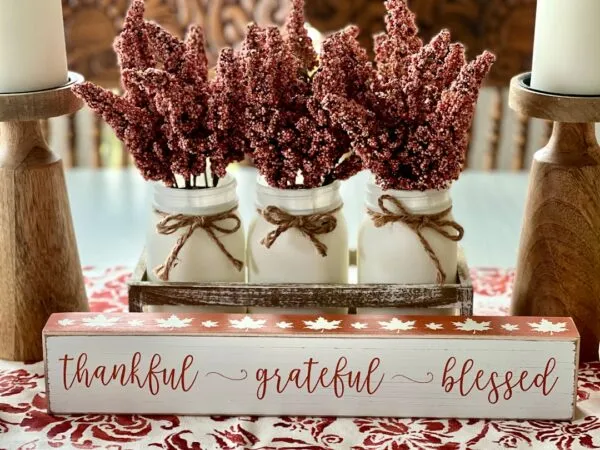
We often think of legacies as tangible things: a piece of property, a family heirloom, a business built with sweat and sacrifice. But what if the most profound legacy we can leave is something far less material, something that shapes the very way our children and grandchildren see the world? We’re talking about thankfulness. This isn’t about a fleeting feeling of good fortune; we’re exploring how gratitude, as a learned behavior and a deeply ingrained perspective, can be passed down through the generations, becoming a resilient bedrock for our families.
When we look at families, sometimes we see friction, a disconnect between the ways parents and children approach life. It’s like two boats on the same ocean, but one is using a sextant and the other is navigating by GPS. Both can reach their destination, but their understanding of the journey, their very grounding in how they perceive the world, can be vastly different. Gratitude, we’ve observed, acts as a universal North Star, a shared point of reference that can align these approaches. It’s a legacy that doesn’t require a will or a deed; it’s woven into the fabric of our interactions. We're not talking about a forced cheerfulness or a Pollyannaish view that ignores hardship. Instead, we're examining the deliberate cultivation of an appreciation for what we have, a practice that has the power to ripple outwards, influencing not just our own lives, but the lives of those who come after us. It’s about understanding that this isn't a new concept, but rather a continuation of a tradition that has historically provided strength and perspective.
We've noticed that gratitude isn't just a personal emotion; it’s a potent force that can shape the entire culture of a family. Think of it like the foundation of a house. A strong, well-laid foundation can support a structure that withstands storms and stands firm for decades. Similarly, a family culture steeped in gratitude provides a stable and resilient environment for its members. This cultural legacy influences how we approach challenges, how we celebrate successes, and how we connect with one another. It’s an inheritance that doesn't depreciate, a gift that keeps on giving.
The Ripple Effect: How Gratitude Shapes Perspectives
Consider the way we, as individuals, have been shaped by our own upbringing. The values, the lessons, the attitudes we absorbed, consciously or unconsciously, are now part of our own operational manual for navigating life. When thankfulness was a cornerstone of that upbringing, it’s likely to have instilled a different lens through which we view the world, a lens that focuses on blessings as much as on burdens. This perspective, when passed on, becomes a powerful tool for our children. It’s like giving them a pair of specialized glasses that can highlight the positive aspects of their experiences, even in the midst of difficulty. This isn't about denying reality; it's about cultivating a balanced perspective that acknowledges both the challenges and the opportunities.
Building Resilience Through Thankfulness
We’ve seen firsthand how families who practice gratitude tend to be more resilient in the face of adversity. When a crisis hits – a job loss, an illness, a personal setback – a family that has a built-in tradition of acknowledging what they do have, rather than solely focusing on what they’ve lost, is better equipped to weather the storm. This gratitude becomes a source of strength, a reminder that even in difficult times, there are still things to be thankful for, and these can serve as a launching pad for recovery. It’s like having an emergency kit readily available, not just for physical needs, but for emotional fortitude.
A Legacy of Positivity and Connection
The cumulative effect of a generation of thankfulness is a family that tends towards positivity and stronger connections. When we’re actively looking for reasons to be grateful, we naturally tend to interact with each other in more positive ways. This can lead to more frequent and meaningful expressions of appreciation, which in turn strengthens the bonds between family members. It’s a virtuous cycle, where one act of gratitude can spark another, creating a warm and supportive environment that fosters deeper relationships. This is not simply about feeling good; it’s about creating a tangible sense of belonging and mutual support that can be a powerful antidote to the isolation that many families experience today.
Bridging the Divide: Intergenerational Conversations About Gratitude
One of the most direct ways to pass down a legacy of thankfulness is through open and intentional conversation. We’ve observed that the generational gaps, which can sometimes feel like vast canyons, can be significantly narrowed when we create spaces for genuine dialogue about what truly matters. Asking our elders about their deepest sources of gratitude isn't just an interesting historical exercise; it's a profound act of connection and learning.
The Wisdom of Our Elders: Sharing Past and Present Gratitude
We can initiate these conversations by simply asking. Imagine sitting down with a grandparent or an older relative and posing the question: "What are you most thankful for right now?" Then, follow up with: "Has your understanding of gratitude changed over the years? What has life taught you about what is truly valuable?" These questions are like keys unlocking treasure chests of wisdom. Their answers often reveal a depth of appreciation shaped by experiences we can only imagine, offering invaluable lessons about perspective and contentment. It’s like gleaning insights from an ancient map, understanding routes and landmarks that are no longer visible on modern charts.
Forging Empathy Through Shared Stories
When we encourage younger family members to share their current sources of gratitude, we create a space for mutual understanding. The teenager thankful for their friends and for the ability to pursue a hobby, the child thankful for a specific toy or a fun outing – these seemingly small expressions are equally valid. By listening attentively and without judgment to these varied expressions of thankfulness, we foster empathy. We learn to appreciate the unique journeys and perspectives of each family member, recognizing that gratitude manifests differently at different stages of life. This practice helps to dismantle the notion that only certain types of gratitude are valuable, solidifying the idea that appreciation is a universal human experience.
Encouraging a Dialogue of Discovery
These intergenerational conversations aren't meant to be lectures. They are dialogues of discovery. The goal is not for the older generation to simply impart wisdom, but for everyone to learn from each other. As our children hear their grandparents’ stories, they gain a broader historical context. As they share their own evolving understandings, they help their grandparents stay connected to the present. This exchange builds bridges, creating a shared narrative that underscores the enduring power of thankfulness across time. It’s in these shared moments of vulnerability and honesty that the transmission of a meaningful legacy truly takes root. We are not just passing down words; we are passing down a way of being.
Formalizing Appreciation: Creating Family Gratitude Rituals
Beyond spontaneous conversations, we can intentionally integrate gratitude into our family life through established rituals. These are not grand, elaborate ceremonies, but rather simple, consistent practices that embed thankfulness into the rhythm of our days and weeks. These rituals act as recurring touchstones, reminding us of what is important and reinforcing a collective attitude of appreciation.
The Dinner Table: A Sacred Space for Thanks
The dinner table has historically been a central gathering point for families. We can reclaim this space as a dedicated time for gratitude. This can be as simple as going around the table and having each person share one thing they are thankful for that day. It doesn't have to be profound or extraordinary. It could be the taste of good food, a moment of laughter, a successful school project, or even just a quiet moment of peace. This consistent practice, repeated over time, trains our minds to actively seek out the positive, even during busy or stressful periods. It transforms a routine meal into an opportunity for mindful reflection and shared positivity.
Holidays and Gatherings: Amplifying Generational Thankfulness
Holidays and large family gatherings offer amplified opportunities to focus on gratitude. Instead of just exchanging gifts, we can use these moments to collectively acknowledge the blessings that have brought us together. Perhaps each family member brings a note describing something they are thankful for, and these are collected and read aloud. Or, during a holiday meal, we could ask each person to share a memory of past gratitude or a current wish for thankfulness. These shared expressions create a collective affirmation of appreciation, reinforcing the idea that gratitude is a shared value that unites us. These occasions serve as powerful amplifiers, broadcasting the message of thankfulness so that it resonates throughout the entire family system.
Game Nights and Shared Activities: Playful Pathways to Appreciation
Even informal family activities, like game nights or movie nights, can become arenas for cultivating gratitude. During these times, we can pause and acknowledge specific things we appreciate about the activity itself, or about the people we are sharing it with. For example, after a board game, we might say, "I’m thankful for how much fun we had, and for how patient everyone was, even when the game got competitive." These small acknowledgments, woven into the fabric of our leisure time, normalize expressions of thankfulness and make it a natural part of our interactions. It’s about finding innovative ways to infuse appreciation into everyday moments, making it feel less like a chore and more like a natural extension of our shared experiences.
Expressing Gratitude Through Action: Acts of Kindness Across Generations
Thankfulness is not merely an internal state; it’s also something that compels outward expression. We've found that engaging in acts of kindness as a family is a powerful way to demonstrate and reinforce the concept of gratitude, especially when these actions are performed together across different generations. It’s in the doing that the meaning of appreciation is solidified, moving beyond words and into tangible impact.
Volunteering as a Family: Giving Back Together
One of the most impactful ways to express gratitude is through service. When families volunteer together – whether it’s cleaning up a local park, serving meals at a shelter, or assisting elderly neighbors – they are actively demonstrating that they are thankful for what they have by sharing it with others. This shared experience teaches younger generations the value of compassion and the satisfaction that comes from making a positive difference. It also provides a common purpose that can strengthen family bonds and create a shared sense of accomplishment rooted in their collective appreciation for the community.
Helping Neighbors and Community Members: A Tangible Connection
Simple acts of kindness directed towards those in our immediate vicinity can also be profound expressions of gratitude. This might involve offering to help a neighbor with yard work, baking cookies for a new family in the neighborhood, or supporting a local charity. When families participate in these activities together, they are not only showing appreciation for their community but also teaching valuable lessons about empathy and interconnectedness. It’s about recognizing that our well-being is often tied to the well-being of others and that expressing gratitude can involve actively contributing to the betterment of the collective.
Creating Homemade Gifts: The Value of Personal Touch
In an age of mass production, the creation of handmade gifts carries a special significance. When families put effort and care into making something for someone else, whether it's a knitted scarf, a painted picture, or a jar of homemade jam, they are investing their time and talent as an expression of thankfulness. This act demonstrates that the recipient is valued enough to warrant such personal effort. It’s a tangible representation of care and appreciation, a reminder that the most meaningful gifts are often those that come with a personal touch and a story behind them. This reinforces the idea that gratitude can be a creative and loving endeavor.
The Bedrock of Bonds: Gratitude as a Foundation for Stronger Families
Ultimately, the consistent cultivation of gratitude across generations serves as a fundamental building block for stronger, more connected families. It’s not merely an add-on, but rather a core element that underpins healthy dynamics and fosters a deeper appreciation for the intricate tapestry of family life. It’s the glue that holds things together when the winds of personal challenges threaten to pull us apart.
Enhanced Communication Through Mutual Appreciation
When a family makes gratitude a practiced value, communication naturally improves. When family members regularly express appreciation for each other, it creates an environment of trust and openness. People feel more comfortable sharing their thoughts, feelings, and concerns when they know they are valued and respected. This mutual appreciation acts as a powerful lubricant for conversation, smoothing over potential misunderstandings and fostering a more supportive communication style. It’s like clearing the static from a radio signal, allowing the intended message to come through clearly.
Deeper Appreciation for Unique Journeys
Each individual within a family is on their own unique journey, with their own set of triumphs and struggles. A family culture of gratitude encourages us to recognize and appreciate these individual paths. Instead of comparing or contrasting, we learn to see the value in each person's experiences and contributions. This deeper appreciation for individual journeys leads to greater empathy and understanding, fostering a sense of acceptance and belonging for everyone. It’s like admiring a diverse garden, where each flower is beautiful and valuable in its own right, contributing to the overall richness of the landscape.
A Lasting Legacy of Love and Resilience
The legacy of thankfulness passed down through generations is not just about individual well-being; it's about the enduring strength and love of the family unit itself. Each expression of gratitude made today, each ritual observed, each act of kindness performed, becomes a brick laid in the foundation of resilience, love, and joy for those who will come after us. It’s a legacy that continues to grow, offering its inherent strength and beauty to all who are part of its unfolding narrative. This is not a passive inheritance; it is an active construction, a continuous contribution to a brighter, more connected future. And as we’ve observed, it’s a practice we can begin and nurture at any age, for the benefit of ourselves and for the generations yet to come.
FAQs
What is the main theme of "Thankfulness Passed Down Through Generations"?
The main theme of the article is the tradition of expressing gratitude and thankfulness that is shared and preserved across multiple generations within families or communities.
How is thankfulness typically passed down through generations?
Thankfulness is often passed down through storytelling, family rituals, cultural practices, and teaching children the importance of gratitude in daily life.
Why is it important to pass down thankfulness through generations?
Passing down thankfulness helps maintain strong family bonds, fosters a positive outlook on life, and encourages appreciation for both small and significant blessings over time.
What role do family traditions play in cultivating thankfulness?
Family traditions, such as holiday gatherings, shared meals, and collective reflections, provide opportunities for members to express gratitude and reinforce the value of thankfulness.
Can thankfulness passed down through generations impact community well-being?
Yes, when thankfulness is a shared value within families and communities, it can promote empathy, cooperation, and a supportive environment, contributing to overall community well-being.