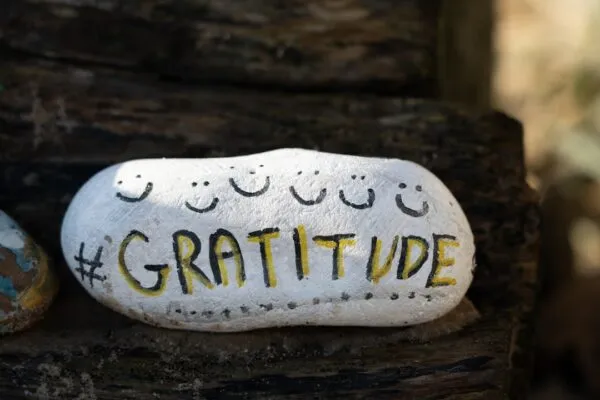
You have likely encountered situations where a significant challenge or period of adversity, initially perceived as undesirable, later became a source of profound appreciation. This phenomenon, where gratitude often follows discomfort, is not merely anecdotal but is supported by psychological research. It suggests a complex interplay between adversity, cognitive processing, and emotional development, rather than a simplistic cause-and-effect.
Discomfort, whether physical, emotional, or situational, fundamentally disrupts your equilibrium. This disruption often initiates a process of cognitive reframing, where you re-evaluate your circumstances and perspectives. This is not an immediate or effortless shift but a gradual adaptation.
Shifting Baselines and Perception
Imagine your daily life as a comfortable routine, a relatively flat landscape. When discomfort strikes, it introduces a stark, often precipitous, drop in your perceived well-being. This creates a new baseline for experience. What was once considered "normal" or "average" now appears significantly more desirable in hindsight. This retrospective view can foster gratitude for the stability and ease that were previously taken for granted. You may find yourself appreciating the mundane – a quiet evening, uninterrupted sleep, or simply the absence of pain – which you barely noticed prior to the disruptive event.
The Contrast Effect
The human mind is highly attuned to contrasts. Just as a bright light appears brighter after prolonged exposure to darkness, the absence of discomfort can feel profoundly positive after a period of intense struggle. This "contrast effect" highlights the value of what was lost or threatened during the period of discomfort. The relief experienced after overcoming an obstacle, or even simply surviving a difficult period, can be a powerful catalyst for gratitude. You might, for instance, appreciate the functioning of your body after an illness, or the stability of your home after a period of unpredictability.
Learning and Growth through Struggle
Adversity frequently acts as a crucible, forging new abilities and insights. When you navigate a challenging situation, you often acquire new skills, develop resilience, and gain a deeper understanding of yourself and the world around you. This process of learning and growth is inherently valuable. The discomfort, in this context, becomes a necessary component of personal development, a tuition fee for invaluable lessons. The gratitude that emerges is not for the suffering itself, but for the wisdom and strength gained through it. Consider a challenging academic program or a demanding professional project: the initial struggle, long hours, and mental strain often give way to a deep sense of accomplishment and appreciation for the skills acquired.
In exploring the theme of gratitude that often arises after experiencing discomfort, one can find a fascinating connection to the article on home decor, which discusses how incorporating stylish baskets can enhance our living spaces. The act of creating a comfortable and aesthetically pleasing environment can serve as a reminder of the beauty that can emerge from challenging times. For more insights on how to elevate your home decor while fostering a sense of gratitude, check out the article here: Baskets to Add a Stylish Touch to Your Home Decor.
The Role of Perspective and Meaning-Making
Beyond immediate relief, your ability to integrate challenging experiences into your personal narrative plays a crucial role in cultivating gratitude. This involves actively seeking meaning and reinterpreting the discomfort within a larger context.
Identifying Hidden Opportunities
Discomfort, while often unwelcome, can unveil opportunities you might not have otherwise perceived. A job loss, for example, can be a source of immense distress but might also force you to explore new career paths, discover latent talents, or prioritize personal well-being over professional advancement. The gratitude that emerges in such situations is for the unexpected avenues that opened up, even if the initial opening was a result of hardship. You begin to see the difficult period not as an arbitrary misfortune, but as a deliberate redirection.
Re-evaluating Priorities
When confronted with significant discomfort, particularly in areas like health or relationships, your priorities often undergo a radical re-evaluation. What once seemed paramount might now appear trivial, while previously overlooked aspects of life gain increased significance. This shift in perspective can lead to a profound sense of gratitude for what truly matters. A brush with illness might make you appreciate your health more deeply, or a relational conflict might highlight the importance of connection and communication. The "unraveling" described by Resilience.org (Oct 2025) suggests that societal discomfort can lead to this re-evaluation, yielding health benefits as individuals process challenges.
The Search for Purpose
Humans are meaning-making creatures. When faced with discomfort, especially that which seems senseless or unjust, you often seek to imbue it with purpose. This may involve adopting a spiritual framework, finding a cause to champion, or using your experience to help others. This active search for meaning transmutes the negative experience into something positive and impactful, fostering a deep sense of gratitude for the opportunity to contribute or grow. This intentional stance against despair, as highlighted by APA Monitor (Oct 2025), is key to gratitude emerging post-discomfort.
The Social and Emotional Dimensions
The experience of discomfort rarely occurs in isolation. Your social connections and emotional processing significantly influence how gratitude emerges from adversity.
Recognizing Support Systems
During times of struggle, you often rely on the support of family, friends, colleagues, or community. The assistance, empathy, and understanding received during these periods can be incredibly impactful. The gratitude that follows is not only for the specific help offered but also for the affirmation of human connection and the knowledge that you are not alone. This acknowledgment of support is a vital component of true gratitude, as articulated by Southend Psych, where gratitude acknowledges pain alongside growth and support.
The Power of Empathy and Connection
Witnessing others endure similar hardships, or receiving empathy from those who have, can deepen your appreciation for collective resilience. This shared experience creates a bond, fostering a sense of solidarity and gratitude for the human capacity to persevere and support one another. It moves beyond individualistic suffering to acknowledge a broader tapestry of shared human experience.
Emotional Processing and Release
Discomfort often brings with it a flood of negative emotions: fear, anger, sadness, frustration. Suppressing these emotions can be detrimental. However, allowing yourself to fully experience and process them, rather than immediately seeking to "fix" or gloss over them, is crucial. It is in the aftermath of this emotional processing, when the intensity subsides, that space for gratitude can emerge. This echoes the warning from WSJ Article on Performative Gratitude (Nov 2025) about "toxic positivity" and how authentic gratitude allows for expressing negative emotions. You cannot genuinely appreciate the calm until you have weathered the storm.
The Distinction from "Toxic Positivity"
It is crucial to differentiate authentic gratitude that follows discomfort from what research terms "toxic positivity" or "performative gratitude." The former is an organic outcome of processing and re-evaluation, while the latter is often a forced or superficial attempt to bypass or deny legitimate suffering.
Acknowledgement of Pain and Struggle
Authentic gratitude does not negate or diminish the pain and difficulty you experienced. Instead, it acknowledges the hardship as a real and valid part of your journey. You are not grateful for the discomfort itself, but for what emerged from it: resilience, growth, new perspectives, or deepened connections. Failing to acknowledge the pain can lead to guilt, resentment, and relational harm, as noted by the WSJ Article (Nov 2025).
Experiencing Negative Emotions Authentically
"Toxic positivity" often dictates that you should immediately find the "silver lining" or express gratitude, even when you are actively experiencing distress. This premature imposition of positive emotions can invalidate your genuine feelings and prevent healthy emotional processing. True gratitude, in contrast, allows for the full spectrum of human emotion. It is only after you have, to some extent, grieved a loss, processed a trauma, or grappled with a challenge that gratitude can genuinely arise. This approach fosters emotional maturity by letting you hold both joy and pain, as suggested by Southend Psych.
The Long-Term Perspective
The emergence of gratitude after discomfort is often a process that unfolds over time. It is not an instant transformation but a gradual shift in perspective that requires reflection, integration, and often, the passage of time. Rushing this process through forced gratitude can be counterproductive, potentially leading to emotional suppression and an inability to fully appreciate the subsequent growth. The benefits of gratitude, such as better sleep and well-being, as mentioned by Resilience.org (Oct 2025), imply a process of overcoming and integration, not immediate suppression.
In exploring the concept of how gratitude often follows discomfort, it's interesting to consider how our experiences shape our appreciation for the simple joys in life. A related article discusses the delightful process of making blueberry pancakes with maple syrup, which can serve as a comforting reminder of the sweetness that can emerge after challenging times. You can read more about this delicious recipe and its connection to finding joy in everyday moments by visiting this link: blueberry pancakes with maple syrup.
Cultivating Gratitude in the Wake of Adversity
While gratitude often follows discomfort organically, you can actively cultivate this process. This involves deliberate practices that foster reflection and meaning-making.
Reflective Journaling
Engaging in reflective journaling can be a powerful tool for processing difficult experiences. By articulating your challenges, emotions, and subsequent insights, you can create a narrative that moves from victimhood to resilience. This allows you to identify areas of growth, lessons learned, and the unexpected benefits that emerged from the discomfort. What initially seemed like an insurmountable wall can, through reflection, become a stepping stone.
Mindfulness and Present Moment Awareness
Practicing mindfulness can help you appreciate the present moment, especially after a period of intense discomfort. When you have experienced a significant disruption, the simple act of being in a state of relative calm can feel like a profound blessing. Mindfulness encourages you to notice the small, often overlooked, positives in your immediate environment, fostering a sense of gratitude for stability and peace.
Acts of Service and Reciprocity
Sometimes, channeling your past discomfort into acts of service for others can amplify gratitude. By using your experience to help those facing similar challenges, you create purpose from adversity. This not only benefits others but also reinforces your own sense of resilience and agency, leading to a deep appreciation for your capacity to overcome and contribute. This shifts your focus from just your own hardship to a broader sense of community and shared humanity.
Expressing Gratitude Deliberately
Once genuine gratitude has begun to emerge, express it. This could be through verbal affirmations, thank-you notes, or simply acknowledging it privately. Deliberately articulating your gratitude reinforces the positive neural pathways in your brain, solidifying the new perspectives and enhancing your overall well-being. This, however, should only occur once the emotional processing has allowed authentic gratitude to form, not as a shortcut to bypass difficult emotions.
In conclusion, the phenomenon of gratitude following discomfort is a testament to your innate capacity for resilience, growth, and meaning-making. It is not a call for you to welcome suffering but an observation that adversity, when processed authentically, can be a profound catalyst for appreciation. By understanding the cognitive, emotional, and social mechanisms at play, you can navigate life's inevitable challenges not just with endurance, but with the potential for a deeper, more enduring sense of gratitude.
FAQs
What is the connection between discomfort and gratitude?
Discomfort often leads to gratitude because experiencing challenges or hardships can make individuals more aware of the positive aspects of their lives. When people overcome difficulties, they tend to appreciate what they have more deeply.
How does discomfort influence personal growth?
Discomfort can act as a catalyst for personal growth by pushing individuals out of their comfort zones. This process encourages reflection, resilience, and a greater appreciation for progress and achievements, which often results in increased gratitude.
Can gratitude improve mental health after experiencing discomfort?
Yes, practicing gratitude after experiencing discomfort can improve mental health. Gratitude helps shift focus from negative experiences to positive ones, reducing stress and promoting emotional well-being.
Is gratitude a natural response to overcoming adversity?
Gratitude is often a natural response to overcoming adversity because it highlights the contrast between difficult times and better circumstances. This contrast can enhance feelings of thankfulness for support, recovery, or new opportunities.
How can one cultivate gratitude following uncomfortable experiences?
To cultivate gratitude after discomfort, individuals can practice mindfulness, keep a gratitude journal, reflect on lessons learned, and acknowledge the support received during tough times. These practices help reinforce positive feelings and appreciation.