You might be wondering, "How can mere appreciation make time itself seem more expansive?" It appears counterintuitive. After all, the clock ticks at a constant rate, and a second is always a second. Yet, you've likely experienced moments where time felt stretched, vivid, and full, while others have compressed into a blur. This phenomenon is not a trick of perception but a tangible consequence of how your brain processes experience, and gratitude plays a pivotal role in this expansion of your present moment. Rather than being a passive observer of passing seconds, you can actively engage with your present by cultivating a grateful mindset, allowing each moment to unfurl with greater depth and significance.
Your subjective experience of time is not a fixed, unwavering measurement. Instead, it is a fluid construct, heavily influenced by your cognitive and emotional state. Think of your perception of time like a river. Sometimes it flows gently, allowing you to see the individual pebbles on the riverbed. Other times, it rushes past in a torrent, blurring the details and leaving you with only a vague sense of having been carried along. Gratitude acts as a modulator, influencing the currents of this river, allowing you to perceive more detail and to linger in the present flow.
Cognitive Load and Temporal Distortion
When your mind is burdened by worries about the future or regrets about the past, it is operating under a significant cognitive load. This mental clutter consumes your attention, leaving less capacity to fully engage with and register the present. Imagine trying to appreciate a beautiful sunset while simultaneously rehearsing a difficult conversation you need to have tomorrow. The sunset becomes a fleeting backdrop, its details lost to the forefront of your anxieties. Gratitude, by redirecting your focus, reduces this load.
Attentional Focus and Sensory Richness
Gratitude directs your attention towards what is already present, rather than what is absent or what might be. This shift in focus allows you to become more attuned to the sensory details of your immediate environment. When you are grateful for the warmth of the sun on your skin, the taste of your meal, or the sound of a loved one's laughter, you are actively engaging your senses. This enhanced sensory input provides more data for your brain to process, effectively making the present moment richer and, consequently, feel larger.
The Role of Novelty and Content
Your brain tends to remember periods of time as being longer when they are filled with novel experiences or significant events. While gratitude may not always create dramatic new events, it certainly imbues everyday occurrences with a sense of novelty by highlighting their inherent value. By appreciating the mundane, you are essentially discovering the unique qualities of each moment, which can lead to a more robust and memorable experience of that time.
In exploring the concept of gratitude and its impact on our perception of time, the article "Why Gratitude Makes the Present Feel Larger" highlights how practicing gratitude can enhance our awareness of the present moment. This theme is further elaborated in a related article that discusses the psychological benefits of gratitude in everyday life. For more insights on this topic, you can read the article here: The Role of Gratitude in Enhancing Life Satisfaction.
Gratitude as a Shift in Perspective: From Lack to Abundance
The core of gratitude's power to expand the present lies in its capacity to recalibrate your internal compass. It fundamentally shifts your observational vantage point from a landscape of perceived deficiencies to one of recognized plenty. This is not an act of self-deception but a conscious redirection of your cognitive resources to acknowledge and appreciate the existing reservoir of positive aspects in your life, however small they may appear.
Focusing on What Is, Not What Isn't
When you are in a state of gratitude, your attention naturally gravitizes towards what you have, rather than what you lack. This is a direct counterpoint to the hedonic treadmill, where satisfaction is perpetually chased by the desire for more. By acknowledging and appreciating what is already within your reach, you cease the relentless pursuit of future acquisitions as the sole source of contentment. This inward reorientation allows you to fully inhabit and experience the resources – material, relational, and experiential – that are already yours.
Reducing Rumination on Past and Future Worries
Rumination, the repetitive dwelling on negative thoughts, is a significant drain on your mental energy and a powerful compressor of the present moment. When you are caught in a loop of "what ifs" about the future or "if onlys" about the past, your present self is essentially on standby, waiting for resolution. Gratitude acts as an antidote to this mental paralysis. By consciously bringing your attention to what you are thankful for in the here and now, you interrupt these cyclical thought patterns, freeing up cognitive space to engage with what is happening in real-time.
Broadening Perceptual Horizons
When steeped in gratitude, your perception expands. You begin to notice details and appreciate qualities in your surroundings and experiences that might otherwise be overlooked. This is akin to adjusting the aperture of a camera lens. A narrow aperture captures only a small, focused area, while a wider aperture encompasses a broader panorama. Gratitude widens your perceptual aperture, allowing you to take in more of the richness and complexity of your present reality.
Neural Pathways and Present Moment Awareness
The impact of gratitude extends beyond mere psychological shifts; it has demonstrable effects on your brain's structure and function, directly influencing your ability to be present. Neuroscientific research is beginning to illuminate these mechanisms, providing a biological basis for why gratitude can make your present feel more substantial.
Activating Reward Centers
Studies utilizing neuroimaging techniques, such as fMRI, have shown that practicing gratitude activates key areas of the brain associated with reward and pleasure, particularly the medial prefrontal cortex and the ventral striatum. This activation releases neurotransmitters like dopamine and serotonin, which are crucial for mood regulation and feelings of well-being. When your brain registers positive experiences as rewarding, it is more likely to engage with and savor those experiences, thereby amplifying your perception of their duration and significance.
Building Positive Neural Networks
Consistent gratitude practices can lead to the formation of new, positive neural pathways. This is analogous to forging well-trodden paths in a forest. The more you travel a path, the easier it becomes to access. Similarly, the more you engage in grateful thinking, the more readily your brain accesses these pathways, making it easier to experience positive emotions and to focus on the present. These strengthened pathways can create a cumulative effect, making your present moments feel progressively more vibrant and meaningful.
Promoting Relaxation and Stress Reduction
Gratitude has been empirically linked to reductions in stress hormones like cortisol. When your nervous system is in a state of heightened arousal due to stress, your perception of time can become distorted, often feeling like it's flying by in a panicked rush. By promoting relaxation, gratitude calms the physiological responses associated with stress, creating a more serene internal environment. This state of calm allows for greater cognitive processing capacity, enabling you to absorb and appreciate the details of the present moment more fully.
The Art of Present-Moment Noticing: Cultivating Sensory Awareness
Gratitude is not just an abstract concept; it is an active practice that trains you to notice the world around you with a renewed sense of wonder and appreciation. This enhanced state of present-moment noticing is a direct facilitator of the perception of an expanded present. It is about consciously engaging with the sensory data that is constantly available, but often overlooked.
Simple Joys as Anchors
You don't require grand gestures or monumental achievements to practice gratitude. The profound power of this practice lies in its ability to elevate the ordinary. Consider the simple pleasure of feeling the warmth of the sun on your skin during a brief walk outside. Or the satisfaction of a perfectly brewed cup of tea. Or the gentle breeze rustling through leaves. By consciously acknowledging and appreciating these small, often unnoticed, sensory experiences, you are anchoring yourself firmly in the present moment. Each sensation becomes a node in the tapestry of your present, adding texture and depth.
Calming the Nervous System Through Appreciation
The act of appreciating a pleasant sensory input has a direct calming effect on your nervous system. It signals to your body that all is well, triggering a relaxation response. This shift from a state of perceived threat or stress to one of contentment allows for a more fluid and unhurried experience of time. When your nervous system is at ease, your cognitive processes are less frantic, allowing for a deeper immersion in the unfolding present. Think of it as moving from a tight, constricted spring to one that can unwind slowly and deliberately.
Enhancing Well-being and Subjective Time Perception
The cumulative effect of present-moment noticing and stress reduction through gratitude is enhanced overall well-being. As your subjective experience of well-being increases, so too does your perception of the richness and fullness of your present moments. This creates a positive feedback loop: appreciating the present leads to greater well-being, which in turn makes you more inclined to engage in grateful practices, further expanding your appreciation of the present.
In exploring the concept of gratitude and its impact on our perception of time, one might find it interesting to read about how gratitude can enhance productivity and well-being in different contexts. A related article discusses the benefits of maintaining a positive mindset while working remotely, which can be particularly relevant in today's work environment. You can find more insights in this article on working from home, where the connection between gratitude and a fulfilling work life is further elaborated.
Practical Applications: Integrating Gratitude into Daily Life
The transformative power of gratitude is not confined to abstract theories; it is accessible through concrete, actionable practices. By intentionally weaving gratitude into the fabric of your daily existence, you can actively cultivate the experience of a larger, more fulfilling present.
The Daily Gratitude Journal
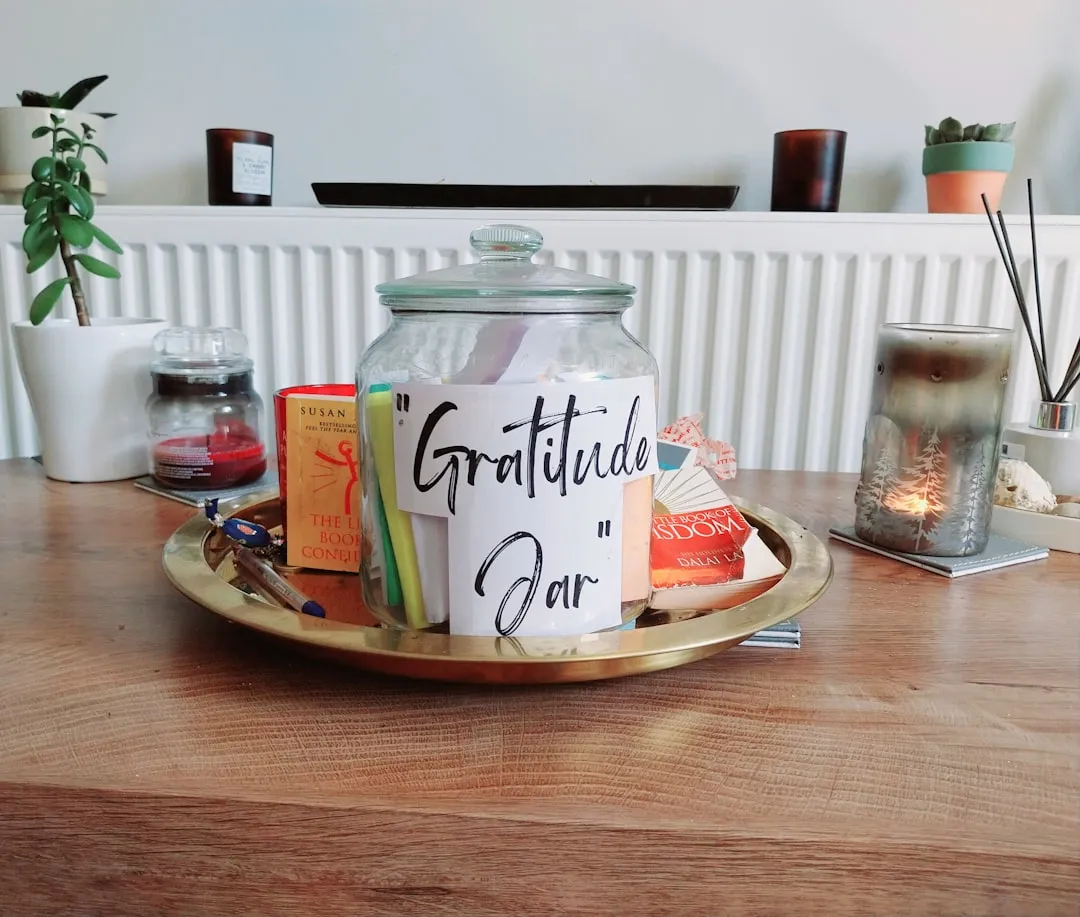
One of the most straightforward and effective methods for cultivating gratitude is through journaling. Dedicate a few minutes each day, perhaps before bed or upon waking, to write down three to five things you are grateful for. These can be significant events, but more importantly, they can be the small, everyday occurrences that often go unnoticed. The act of writing forces you to articulate your appreciation, solidifying these positive experiences in your mind and strengthening the neural pathways associated with gratitude.
Mindful Appreciation of Everyday Activities
You can integrate gratitude into virtually any activity. Before you eat, take a moment to appreciate the food on your plate, the effort that went into its production, and the nourishment it provides. While walking, notice the beauty of your surroundings, the feel of the pavement beneath your feet, or the sounds of nature. During conversations, focus on the connection you are experiencing and the unique perspective of the person you are speaking with. This mindful appreciation transforms mundane tasks into opportunities for present-moment engagement and gratitude.
Expressing Gratitude to Others
Directly expressing your appreciation to others is a powerful way to foster gratitude. When you thank someone sincerely, you not only acknowledge their contribution but also reinforce the positive social bonds that enrich your life. The act of verbalizing your gratitude can further solidify your own feelings of appreciation and contribute to a positive cycle of reciprocal goodwill. This outward expression of gratitude can ripple outwards, enhancing not only your present but also the present experiences of those around you.
In conclusion, the perception of time is not a fixed, unyielding dimension but a subjective experience deeply intertwined with your mental and emotional landscape. Gratitude serves as a potent catalyst, shifting your focus from scarcity to abundance, calming your nervous system, and forging positive neural pathways. By actively cultivating this practice, you empower yourself to notice and appreciate the present with greater depth, making each moment feel not like a fleeting second, but a rich, expansive canvas upon which your life unfolds. You are not merely passing through time; you are inhabiting it, one grateful moment at a time.
FAQs
What is the main idea behind the article "Why Gratitude Makes the Present Feel Larger"?
The article explains how practicing gratitude can enhance our perception of the present moment, making it feel more expansive and fulfilling.
How does gratitude affect our perception of time?
Gratitude shifts our focus to appreciating what we have now, which can slow down our experience of time and make the present feel more significant and abundant.
What psychological benefits are associated with feeling grateful?
Gratitude is linked to increased happiness, reduced stress, improved mental health, and a greater sense of well-being.
Can practicing gratitude improve mindfulness?
Yes, gratitude encourages mindfulness by drawing attention to the present moment and fostering awareness of positive aspects in our lives.
Are there practical ways to cultivate gratitude mentioned in the article?
The article suggests practices such as keeping a gratitude journal, regularly reflecting on things one is thankful for, and expressing appreciation to others as effective ways to cultivate gratitude.