We all recognize the allure of a compelling narrative, don't we? It's etched into our DNA, a primal yearning for structure, for understanding how things work and where we fit in. In the grand narrative of our lives, the often-overlooked subplot of thankfulness plays a surprisingly significant role. It's not just a pleasant emotion; it's a foundational element that, when understood and actively cultivated, can profoundly shape the very essence of who we are. We're not talking about platitudes and superficial sentiments here. We're talking about a practical mechanism, a tool, if you will, for building a more robust and resilient version of ourselves.
Let's begin by deconstructing this idea of thankfulness. It’s not merely a reactionary feeling, a fleeting surge of warmth because something good happened. Instead, we see it as an active disposition, a deliberate choice to acknowledge and appreciate the positive aspects of our existence, regardless of present circumstances. This proactive stance isn't just about feeling good; it's about doing good, about becoming more.
A Foundation of Humility
When we intentionally seek out things to be thankful for, we are, in essence, engaging in an act of humility. We acknowledge that much of what we possess, whether material or intangible, is not solely due to our own efforts. We recognize that external forces, the kindness of others, or even serendipitous events have played a part. This realization, as Cicero so eloquently observed, is a quiet force, subtly eroding the edifice of self-importance and replacing it with a more grounded perspective. It's the opposite of entitlement; it’s a recognition of grace.
Cultivating a Growth Mindset
Operating from a place of thankfulness primes us to see opportunities rather than just obstacles. When we consistently identify and appreciate the resources available to us, however small, we train our minds to look for solutions. This isn't wishful thinking; it's practically rewiring our cognitive pathways, shifting us from a problem-focused orientation to a resource-focused one. It’s like a radar system, constantly scanning for available assets, rather than solely detecting incoming threats.
Enhancing Our Relational Capital
Consider the impact of expressed thankfulness on our relationships. When we genuinely appreciate others, we strengthen our bonds. This isn't about transactional politeness; it's about authentic recognition of their value and contribution. This, in turn, fosters trust and mutuality, creating a stronger fabric of community around us. We become better teammates, more supportive friends, and more engaged family members. The return on investment here is significant, paid in the currency of connection.
Rewiring Our Brain: The Neurological Impact of Gratitude
The notion that thankfulness can "rewire" our brains might sound like hyperbole, but increasingly, scientific research supports this claim. This isn't a mystical process; it's a measurable physiological change, a tangible benefit to our mental architecture.
Strengthening Positive Neural Pathways
When we engage in practices of thankfulness, we aren't just feeling good; we're actively stimulating neural pathways associated with positive emotions. This is akin to exercising a muscle; the more we use it, the stronger it becomes. Regular doses of appreciation build up our resilience, making us less susceptible to the corrosive effects of negativity and stress. It’s like installing a psychological firewall against despair.
The Role of Intention and Practice
The key here, as we’ve observed, is intentionality. Simply stumbling into a moment of gratitude is beneficial, but consistent, deliberate practice yields far greater returns. Whether through journaling, verbal expressions, or acts of service, the conscious act of focusing on thankfulness reinforces these positive neural connections. It’s a deliberate sculpting of our inner mental landscape, not merely a passive observation of it.
Practical Disciplines for Mental Transformation
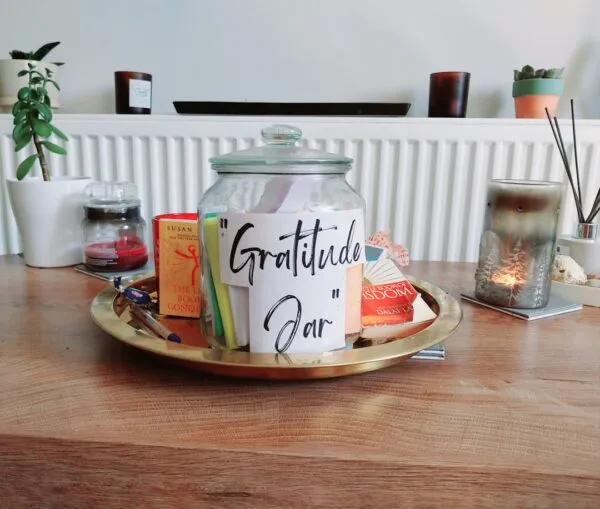
We are not suggesting a purely intellectual exercise. To truly impact our neural architecture, thankfulness must move from thought to action. Practical disciplines, such as regularly listing things we are grateful for, writing notes of appreciation, or even dedicating specific time to meditate on blessings, serve as the levers for this neurological transformation. These aren't just feel-good exercises; they are strategic interventions for brain health and character development.
Cicero's Enduring Insight: Gratitude as the Progenitor of Virtues
The wisdom of the ancients often provides the most robust frameworks for understanding human nature. Cicero's observation that gratitude is not only the greatest virtue but also the parent of all others is particularly pertinent to our discussion. This isn't an arbitrary statement; it’s a profound insight into the mechanics of character formation.
Humility: The Firstborn Virtue
As we discussed, thankfulness naturally cultivates humility. When we recognize the contributions of others and the blessings we've received, we naturally shed layers of self-importance. This humility then becomes fertile ground for other virtues to take root. Without it, our good intentions can easily morph into self-serving acts, but with humility, our actions are more likely to be genuine and truly virtuous.
Kindness and Empathy: Offspring of Appreciation
When we are thankful for what we have, we are more likely to share, to be generous, and to act with kindness towards others. Gratitude expands our capacity for empathy because it makes us more attuned to the needs and experiences of those around us. Having received, we are more inclined to give. It’s a natural outflow, a ripple effect that extends beyond ourselves, touching those in our sphere of influence.
Ethical Action: A Consequence of a Grateful Heart
Cicero's perspective suggests that a grateful heart is inherently more ethically inclined. When we appreciate the good in our lives, we are less likely to engage in behaviors that could undermine that good, both for ourselves and for society. It's a foundational ethical compass, guiding us towards actions that affirm life and uphold moral principles. Our integrity, in essence, becomes a reflection of our gratitude.
Embracing Tough Times: Finding Thankfulness in Adversity
Here's where the narrative of thankfulness truly becomes compelling. It's easy to be thankful when things are going well. The real test, and the real opportunity for character development, comes when we are confronted with adversity. This is where biblical insight, as highlighted in some recent discourse, offers a powerful perspective.
Focusing on Unchanging Character
When the external world is in chaos, and our circumstances are challenging, placing our thankfulness on unchanging principles or fundamental truths, particularly the immutable character of something larger than ourselves, provides an anchor. This isn't about being thankful for the adversity itself, but for the resilience it can forge, the lessons it can impart, or the presence of enduring constants in our lives. It’s about shifting our gaze from the stormy seas to the unwavering stars.
Resilience Forged in the Crucible of Adversity
Thankfulness, when practiced during challenging times, doesn't erase the difficulty, but it fundamentally alters our relationship to it. It fosters resilience. By consciously identifying even the smallest glimmers of hope or opportunities for growth amidst hardship, we equip ourselves to weather the storm more effectively. This isn't about denying reality; it's about finding strength within it. It acts as a mental immune system, helping us to resist the debilitating effects of prolonged stress and despair.
A Deeper Well of Faith and Praise
For those of us who operate within a spiritual framework, thankfulness in adversity often deepens our faith. It forces us to look beyond immediate gratification and trust in a larger plan or purpose. This can transform our laments into expressions of praise, not because the pain has disappeared, but because our perspective on it has broadened. It is a profound shift from complaint to contemplation, from despair to durable hope.
The Modest Yet Potent Impact: Tailoring Thankfulness for Personal Growth
While the benefits of thankfulness are well-documented, we must acknowledge that its effects, as some scientific reports indicate, can be modest. This is not a weakness of the concept but rather an important nuance. Thankfulness isn’t a magical cure-all; it’s a consistent practice that yields incremental yet significant results over time.
Consistency Over Intensity
Like many beneficial practices, the power of thankfulness lies not in sporadic, intense bursts, but in consistent, gentle application. A daily dose of conscious appreciation, even for small things, will likely have a more profound and lasting impact than an occasional, overwhelming expression. It's the steady drip, not the sudden downpour, that reshapes the stone.
Personalization for Optimal Outcomes
One of the key takeaways from current research is the importance of tailoring thankfulness practices to our personal beliefs and preferences. What resonates deeply with one individual may feel forced or inauthentic to another. Whether we prefer journaling, silent reflection, expressing gratitude to others, or even engaging in spiritual practices, the most effective approach is one that genuinely connects with our inner landscape. There is no one-size-fits-all template; the power lies in its personalization.
A Catalyst for Purposeful Action and Clarity
As we begin to cultivate this intentional gratitude, we often find a heightened sense of clarity and purpose. When we appreciate what we have, we are better equipped to understand what truly matters to us. This clarity fuels purposeful action, guiding our decisions and shaping our trajectories as we move forward. It provides a compass, helping us to navigate the complexities of life with greater intentionality. As we approach new beginnings, like the turning of a calendar year, this cultivated gratitude serves not just as a reflection but as a powerful impetus for consistent, meaningful engagement with the world around us. It is the steady hand that guides us in building a life that truly matters.
FAQs
What is the main idea behind "Thankfulness That Shapes Character"?
The main idea is that cultivating thankfulness or gratitude can positively influence and develop a person's character, leading to improved attitudes, behaviors, and overall well-being.
How does thankfulness impact a person's character?
Thankfulness encourages humility, empathy, and patience, which are key traits in strong character. It helps individuals focus on positive aspects of life, fostering resilience and a more optimistic outlook.
Can practicing thankfulness improve relationships with others?
Yes, expressing gratitude can strengthen relationships by promoting kindness, understanding, and appreciation, which enhances social bonds and communication.
What are some ways to develop a habit of thankfulness?
Common methods include keeping a gratitude journal, regularly reflecting on things one is thankful for, expressing appreciation to others, and practicing mindfulness to recognize positive experiences.
Is thankfulness linked to mental health benefits?
Research shows that thankfulness is associated with reduced stress, increased happiness, and lower levels of depression and anxiety, contributing to better mental health and emotional stability.