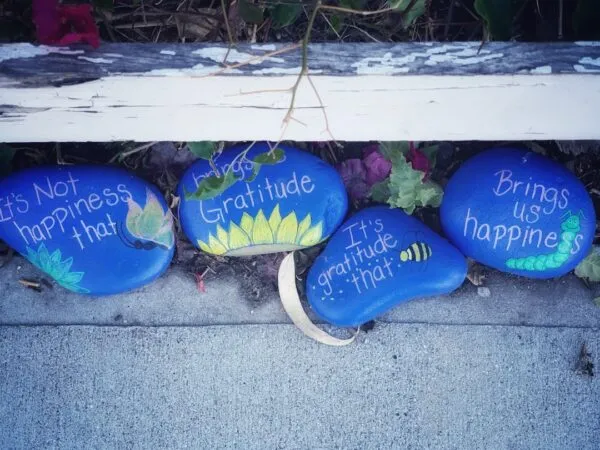
You often associate "home" with a physical structure, an address on a map. However, you will find that the feeling of home transcends architectural boundaries, encompassing sensations of security, belonging, and emotional well-being. This article explores how the deliberate cultivation of gratitude can profoundly alter your perception and experience of home, transforming it from a mere dwelling into a sanctuary nurtured by appreciation.
Your understanding of "home" is multifaceted. It is not solely defined by the number of rooms or the zip code. You may discover that the feeling of home is constructed from layers of emotional resonance, social connections, and a sense of psychological safety. Gratitude, an emotion characterized by appreciation for what you have received, acts as a potent catalyst in reshaping this perception.
Redefining Your Relationship with Your Physical Space
When you practice gratitude, you begin to observe the details of your living environment with a renewed perspective. The creak of the floorboards, the way sunlight filters through a window, or even the familiar scent of your space, previously unnoticed or taken for granted, acquire new significance.
- Appreciating Imperfections: You may find that gratitude allows you to embrace the idiosyncrasies of your home. A chipped paint or an uneven floor, once sources of minor irritation, can become hallmarks of its unique character, contributing to its story and your personal narrative within it. This shift in perspective is akin to viewing an antique with its patina—the imperfections enhance its value and history, rather than detract from it.
- Enhancing Sensory Engagement: Deliberate attention to the sensory aspects of your home is a direct outcome of gratitude. You become more attuned to the warmth of your blankets, the comfort of your armchair, or the quiet hum of your refrigerator—elements that contribute to your daily comfort but are easily overlooked. This heightened sensory awareness deepens your attachment to your physical surroundings.
Cultivating a Mindset of Abundance
Gratitude operates on the principle of abundance. By focusing on what you possess and appreciate, you shift your psychological framework away from scarcity and toward plenitude. This shift directly impacts how you view your home.
- Mitigating Comparative Dissatisfaction: In an era of pervasive social media, you are constantly exposed to idealized representations of homes, often leading to feelings of inadequacy or envy regarding your own. Gratitude serves as an antidote to this comparative dissatisfaction. By actively appreciating your current living situation, you reduce the inclination to measure your home against external, often unrealistic, benchmarks.
- Recognizing Unseen Blessings: Your home provides a myriad of silent services: shelter from the elements, a place for rest, a repository for your belongings, and a backdrop for shared experiences. Gratitude encourages you to acknowledge these fundamental benefits, transforming your perception of your home from a neutral setting to a source of ongoing support and well-being.
In exploring the transformative power of gratitude in creating a sense of belonging and comfort within one's home, it is interesting to consider how personal possessions, such as high-quality jewelry, can also contribute to this feeling. An article titled "High-Quality Jewelry from Selected Luxury Brands" delves into the significance of meaningful items in our lives and how they can evoke positive emotions and memories. You can read more about this connection in the article here: High-Quality Jewelry from Selected Luxury Brands.
Strengthening Social Bonds and Perceived Support
The concept of home is intrinsically linked to social connection. You will often associate the feeling of home with the presence of loved ones, the warmth of shared experiences, and a sense of belonging within a community. Gratitude plays a significant role in fortifying these social dimensions, thereby reinforcing your emotional connection to "home."
Enhancing Family and Social Cohesion
Recent research suggests a direct correlation between gratitude and perceived social support, especially during periods of life transition. When you express gratitude, you not only uplift yourself but also positively impact those around you.
- Fostering Reciprocal Appreciation: Your expression of gratitude towards family members or housemates for their contributions to the household or for their presence within your home encourages a reciprocal cycle of appreciation. This mutual acknowledgement solidifies interpersonal relationships, creating a more harmonious and supportive living environment. A home where gratitude is openly expressed becomes a crucible for stronger familial bonds.
- Reducing Household Stress and Conflict: In any shared living space, minor frictions and disagreements are inevitable. You may find that a grateful disposition can act as a buffer against these stressors. When you approach interactions with an underlying sense of appreciation, you are more likely to interpret actions charitably, communicate constructively, and resolve conflicts with greater empathy. This contributes to a more peaceful and stable atmosphere, which is fundamental to the feeling of home.
Lowering Loneliness and Enhancing Connection
Loneliness is a pervasive issue, even for those living in populated areas. You might be surprised to learn that grateful individuals report significantly lower levels of loneliness, a reduction of 62%, establishing a profound link between gratitude and connection regardless of your specific living arrangements.
- Creating a Sense of "Belonging": Gratitude cultivates a sense of belonging not only to a group of people but also to the space you inhabit. When you are grateful for your home, you invest it with emotional significance, viewing it as a place where you are genuinely accepted and valued. This emotional investment fosters a deep sense of connection, mirroring the feeling of being "at home" within a community.
- Activating Social Bonding Mechanisms: Neuroscience studies indicate that gratitude activates brain regions associated with social bonding and collective care. When your brain registers appreciation, it reinforces neural pathways related to empathy and prosocial behavior. This biological underpinning of gratitude translates into a greater propensity for you to engage in connective behaviors, both within your home and with your broader social circle.
Promoting Emotional Security and Well-being
Beyond the tangible and social aspects, the feeling of home is deeply intertwined with emotional security. It is the place where you should feel safe, unburdened, and authentically yourself. Gratitude significantly contributes to establishing and maintaining this crucial emotional landscape.
Reducing Stress and Depression
Life transitions, whether moving to a new city, starting a new job, or experiencing personal changes, can be inherently stressful. You may notice that gratitude practices have been shown to boost perceived social support during such times, which in turn reduces stress and depression.
- Building Emotional Resilience: Gratitude acts as an emotional shock absorber. When faced with challenges or disappointments within your home or personal life, a grateful perspective allows you to acknowledge difficulties while simultaneously appreciating existing strengths and resources. This balanced perspective enhances your emotional resilience, enabling you to navigate adversity without succumbing to overwhelming negativity.
- Shifting Focus from Deficit to Resource: Habitually focusing on problems or deficiencies in your living situation can lead to chronic stress. Gratitude redirects your attention towards the resources your home provides for comfort, security, and well-being. This shift in cognitive focus can alleviate stress symptoms and promote a more positive emotional state within your home environment.
Fostering a Sense of "Mammalian Caregiving"
The concept of "mammalian caregiving" refers to the innate human drive to nurture and protect those within one's immediate social group, including family and close friends. Practices like gratitude journaling have been linked to an increase in support-giving behaviors and lower inflammation, suggesting a connection to healthier social circles and communal bonds.
- Deepening Emotional Security: When you feel grateful for your home and the people within it, you are more likely to express care and concern for them, and they are more likely to reciprocate. This reciprocal cycle of caregiving creates an environment of shared responsibility and mutual support, which is fundamental to emotional security. Experiencing this level of care within your home reinforces the idea that it is a safe haven where you are valued and protected.
- Creating a Haven from External Pressures: Your home should serve as a retreat from the complexities and demands of the outer world. Gratitude reinforces this function by prompting you to appreciate its role as a sanctuary. By actively acknowledging the comfort and peace your home provides, you strengthen its capacity to offer emotional respite and a sense of inviolable security.
Encouraging Prosocial Behavior and Support-Giving
Gratitude is not merely an internal state; it is an emotion that often compels you to act. This outward manifestation of gratitude, particularly in the form of prosocial behavior and support-giving, further enhances the feeling of home by reinforcing communal bonds and fostering a spirit of mutual responsibility.
Increasing Support-Giving Within Your Home
When you are grateful, you tend to be more generous and willing to contribute to the well-being of others, particularly those you share a living space with.
- Contributing to Collective Well-being: A grateful attitude motivates you to actively participate in maintaining and improving your home, whether through household chores, emotional support for family members, or initiatives to enhance the overall living environment. This proactive contribution fosters a sense of shared ownership and collective responsibility, deepening the bond you feel with your home and its inhabitants.
- Enhancing Altruistic Tendencies: Gratitude has been shown to increase altruistic behavior. Within the context of your home, this might manifest as a heightened willingness to step in and help a housemate or family member without being asked, or to offer unsolicited gestures of kindness that contribute to a positive atmosphere. These acts of generosity strengthen the social fabric of your home.
Fostering Healthier Social Circles
The influence of gratitude extends beyond your immediate home, positively impacting your broader social circles and contributing to a sense of "home" within your community.
- Expanding Your Support Network: By regularly expressing gratitude for the people in your life, you consciously or unconsciously cultivate stronger relationships. These relationships form a vital support network that extends beyond your physical dwelling, creating a wider circle of belonging that mirrors the safety and comfort of home. You perceive more social support, which contributes to overall well-being and reduces feelings of isolation.
- Reinforcing "Mammalian Caregiving" in the Community: The same neurological mechanisms activated by gratitude for social bonding and collective care that operate within your home also extend to your community. When you are grateful, you are more likely to engage in acts of kindness and support within your neighborhood or social groups, thereby contributing to a more cohesive and caring extended "home" environment.
In exploring the transformative power of gratitude in our lives, a fascinating article discusses how simple acts of appreciation can enhance our sense of belonging and comfort in our surroundings. This connection between gratitude and the feeling of home is beautifully illustrated in the piece about fashion, where the author highlights how a cozy winter coat can evoke feelings of warmth and security. For those interested in how everyday items can influence our emotional landscapes, you can read more in this insightful article about the new style staple the brown winter coat.
Cultivating Gratitude for Your Home: Practical Applications
Understanding the theoretical impact of gratitude is one thing; actively integrating it into your daily life is another. Here, you will find practical strategies to cultivate gratitude specifically for your home.
Engaging in Gratitude Journaling
Gratitude journaling is a widely recognized and effective method for developing a grateful mindset.
- Focused Home Reflection: Dedicate a specific section of your journal, or a separate journal entirely, to reflections on your home. Each day, identify at least three specific things you are grateful for regarding your living space or the experiences it facilitates. This could range from the comfort of your bed to the provision of a quiet space for reflection.
- Detailed Articulation of Appreciation: Moving beyond simple statements, try to elaborate on why you are grateful for each item. For instance, rather than just writing "I'm grateful for my couch," expand to "I am grateful for my couch because it offers a comfortable place to relax after a long day, allowing me to unwind and read my favorite books." This deeper articulation strengthens the emotional connection.
Performing Gratitude Rituals
Integrating small rituals of appreciation into your daily routine can reinforce your grateful perspective.
- Morning or Evening Reflection: You could establish a ritual of pausing for a moment upon entering or leaving your home, silently acknowledging its presence and the shelter it provides. In the evening, before bed, take a moment to reflect on a specific positive interaction or moment that occurred within your home that day.
- Mindful Maintenance: When performing household chores, transform them into acts of gratitude. For example, as you clean your kitchen, consider it an act of care for the space that nourishes you. As you water your plants, appreciate the life and beauty they bring to your environment. This subtle shift in perception can elevate mundane tasks into meaningful expressions of thanks.
Expressing Gratitude Verbally and Non-Verbally
Directly expressing gratitude to those you share your home with is a powerful way to enhance the feeling of home for everyone.
- Verbal Affirmations: Regularly articulate your appreciation to family members or housemates for their contributions, their presence, or specific acts of kindness. Simple phrases like "Thank you for making dinner; it was delicious," or "I appreciate you tidying up the living room," can have a significant impact.
- Gestures of Appreciation: Beyond words, you can convey gratitude through actions. This might include performing a chore without being asked, leaving a kind note, or offering a thoughtful gesture that shows you value the other person and their presence in your shared home. These acts of care contribute to a positive and supportive atmosphere.
Creating a "Gratitude Nook"
Designate a small area within your home as a "gratitude nook" — a physical space dedicated to fostering appreciation.
- Visual Reminders: This could be a small shelf or a corner with items that bring you joy and gratitude. These might include photographs of loved ones, meaningful mementos, inspiring quotes, or a gratitude jar where you deposit notes of appreciation. These visual cues serve as frequent reminders to cultivate a grateful mindset.
- Mindful Reflection Space: Use this space for brief moments of quiet reflection, meditation, or journaling, specifically focusing on the aspects of your home and life for which you are grateful. Making this space a regular part of your routine can solidify your practice of gratitude.
You will find that the feeling of home is not merely a consequence of location or architecture, but a dynamic construct shaped by your emotional engagement. By actively cultivating gratitude, you possess the capacity to transform your dwelling into a sanctuary, enrich your social connections, bolster your emotional security, and sow the seeds of a profound and enduring sense of belonging. The choice to embrace gratitude is, in essence, the choice to build a more resonant and fulfilling home, not just around you, but within you.
FAQs
What is the main idea behind "How Gratitude Changes the Feeling of Home"?
The article explores how practicing gratitude can transform one's perception and emotional experience of their living space, making it feel more comforting, welcoming, and meaningful.
How does gratitude influence the emotional atmosphere of a home?
Gratitude encourages individuals to focus on positive aspects and appreciate their surroundings, which can enhance feelings of contentment, reduce stress, and foster a sense of belonging within the home.
Can practicing gratitude improve relationships within the home?
Yes, expressing gratitude towards family members or housemates can strengthen bonds, increase mutual respect, and create a more harmonious and supportive living environment.
Are there specific ways to cultivate gratitude to change the feeling of home?
Common methods include keeping a gratitude journal focused on home-related aspects, regularly acknowledging and appreciating household members, and consciously noticing and valuing the comforts and safety the home provides.
Is the impact of gratitude on the feeling of home supported by research?
Yes, psychological studies have shown that gratitude practices can improve overall well-being and emotional resilience, which in turn positively affect how individuals experience their living spaces.