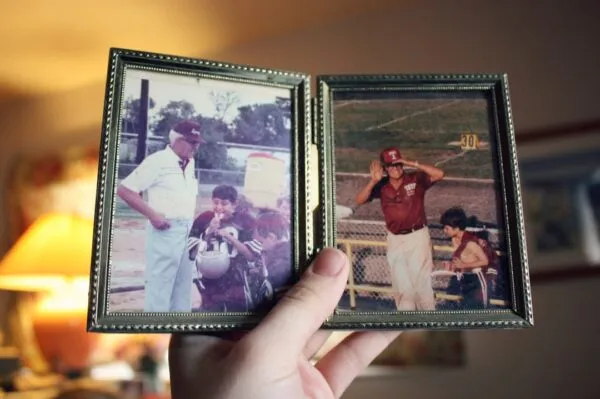
You might not recognize it as a grand ceremony, a spoken decree, or a formalized lesson. Yet, in the quiet corners of your home, in the shared meals and the everyday interactions, you are likely engaging in a profound act: the intergenerational transfer of gratitude. It's not a skill learned from a textbook, but a sensibility cultivated through presence and practice. If you find yourself wondering how this seemingly ethereal quality is passed from one generation to the next, understand that it’s woven into the fabric of family life, often in ways so subtle they escape your conscious observation. This transmission is less about grand pronouncements and more about the gentle, consistent drip of appreciation that erodes indifference and nurtures contentment.
You can observe the foundations of gratitude being laid long before a child can articulate complex emotions. It begins not with explicit instruction, but with the modeling of appreciation by parents and caregivers. When you express thanks for a completed chore, a thoughtfully prepared meal, or even a moment of shared laughter, you are not just acknowledging an event; you are demonstrating a way of seeing the world. This is the unspoken curriculum, a continuous narrative where the value of contributions, both big and small, is recognized and voiced.
The Power of "Thank You" Beyond Politeness
It's easy to dismiss a simple "thank you" as mere social nicety, a habit ingrained from childhood. However, its significance in intergenerational gratitude transfer far exceeds rote politeness. When you, as a parent or elder in the family, consistently and genuinely express thanks, you are imprinting a pattern of acknowledgment. This isn't just about the recipient of the thanks; it's about the act of expressing it. Children learn that acknowledging effort and kindness is a valuable practice. They internalize the idea that it feels good to be thanked and, consequently, that it feels good to offer thanks. This creates a feedback loop, a positive reinforcement of appreciative behavior.
Modeling Gratitude in Everyday Scenarios
Consider the mundane. The effort your partner puts into organizing the weekend grocery run. The quiet focus of your child as they complete their homework. Your own gratitude for the simple fact of a roof over your head and food on the table, voiced aloud, can be potent lessons. These are not the dramatic events that make headlines, but they are the bedrock upon which a grateful disposition is built. You are showing, through your own conduct, that there are numerous reasons for thankfulness, even in the absence of extraordinary circumstances. This consistent modeling is like a river carving its path through a landscape; over time, it shapes the terrain of a child's emotional landscape.
The Echo Chamber: Reinforcing Gratitude Through Shared Experiences
Gratitude within a family is rarely a solitary pursuit. It thrives in the fertile ground of shared experiences, where appreciation can echo and amplify. These shared moments act as communal incubators for thankful feelings, solidifying the practice over time.
Family Rituals and the Cultivation of Appreciation
Think about traditions. Whether it's a specific way you celebrate holidays, a weekly family game night, or even a shared mealtime ritual, these recurring events provide predictable opportunities to actively practice gratitude. During a family dinner, for instance, you might initiate a round where each person shares something they are thankful for that day. This isn't a burdensome task but a natural extension of the shared experience, a way to circle back and acknowledge the positive elements within the collective. This creates a shared language of appreciation, a common understanding of what it means to be thankful.
The "Gratitude Jar" and Other Tangible Tools
While the transmission is often quiet, families sometimes employ more overt, yet still gentle, methods. The "gratitude jar," where family members write down things they are thankful for and deposit them, is a prime example. These are not formal assignments but engaging activities. As the jar fills, it becomes a tangible representation of the family's collective appreciation, a visual testament to the positive aspects they have collectively identified. The act of writing and sharing these entries, even if done anonymously at times, reinforces the practice. This aligns with findings from studies like the Gratitude Conversations Study by Hussong et al. (2020), which explored online parenting tools designed to foster gratitude discussions within families, suggesting the potential for passing gratitude intergenerationally through structured, yet accessible, interventions.
The Language of Thankfulness: Communicating Appreciation Effectively
The way gratitude is articulated within a family can significantly influence its reception and perpetuation. It’s not just about saying the words, but about the intent and the context behind them.
Distinguishing Between Obligation and Genuine Appreciation
You've likely observed the difference between a perfunctory "thanks" and a heartfelt expression of gratitude. The latter carries more weight, resonating deeper. For you to effectively pass down gratitude, you need to embody and communicate genuine appreciation, not mere obligation. This means moving beyond the transactional nature of "you did this, so I say thanks" to a more holistic recognition of the human effort, kindness, or simply the positive presence that has enriched your life or the family’s collective experience.
The Role of Active Listening in Receiving Gratitude
When a child or another family member expresses gratitude to you, your reaction matters. Active listening, validating their feelings, and responding with warmth can reinforce their inclination to express thanks in the future. Dismissing or minimizing their gratitude can, conversely, dampen their spirit. Think of it as tending to a delicate sprout; gentle encouragement helps it grow strong.
Gratitude as a Bridge: Connecting Generations and Fostering Empathy
Gratitude is more than an individual sentiment; it’s a force that can bind families together, creating stronger intergenerational bonds and cultivating empathy within your household.
Bridging Generational Gaps Through Shared Perspectives
Families often span significant generational divides. In these instances, gratitude can serve as a powerful connector. An elder recounting their own experiences of hardship and the small acts of kindness they received, coupled with genuine appreciation for those moments, can offer profound lessons to younger generations. Conversely, younger family members expressing gratitude for the wisdom and support they receive from elders creates a feedback loop of mutual respect and appreciation. This is particularly relevant in the context of families in global transition, where appreciation can act as a bridge, as reflected in discussions within the FIGT community. It highlights how cultivating gratitude can help individuals navigate cultural differences and maintain strong family ties across borders.
Empathy: The Natural Offspring of Gratitude
When you teach your children to be grateful, you are indirectly teaching them empathy. Recognizing the effort and goodwill behind another person’s actions naturally leads to an understanding of that person's perspective and feelings. If your child is grateful for the new toy you bought them, they are more likely to consider the effort you put into earning the money, selecting the toy, and the joy it brings you to see them happy. This empathetic understanding is a cornerstone of prosocial behavior, a trait consistently boosted by gratitude interventions, as recent meta-analyses confirm.
The Quiet Legacy: Gratitude as an Enduring Family Inheritance
While not always quantifiable in a balance sheet, the legacy of gratitude you pass down through your family is an inheritance of immeasurable value. It’s a foundation for resilience, contentment, and strong relationships that can endure across lifetimes.
The Long-Term Impact of Cultivating a Grateful Mindset
You might not witness the immediate, dramatic results of instilling gratitude in your family. However, the long-term impact can be profound. Individuals who are raised in environments that foster gratitude tend to exhibit greater optimism, reduced instances of depression and anxiety, and stronger social connections. They are equipped with a more robust internal compass for navigating life's inevitable challenges. This quiet legacy is like planting a sturdy oak tree; its true strength and reach become apparent over many years.
Gratitude’s Role in Resilience and Well-being
When life presents difficulties, a cultivated sense of gratitude can be a crucial buffer. It allows individuals to find pockets of light even in darkness, to recognize what they still possess when much has been lost. This resilience is not about ignoring suffering but about acknowledging the positive elements that persist, drawing strength from them. This is the enduring power of a grateful spirit, a quiet inheritance that supports lifelong well-being. While direct news on "How Families Quietly Pass Gratitude Down" might be sparse in specific years, the underlying principles, supported by research like the Gratitude Conversations Study and meta-analyses on gratitude interventions, underscore the enduring and quiet transmission of this vital trait within family units.
FAQs
What does it mean for families to pass gratitude down quietly?
Passing gratitude down quietly refers to the subtle, often unspoken ways families teach and model appreciation and thankfulness across generations without overt instruction or formal ceremonies.
How do families typically demonstrate gratitude to younger members?
Families often demonstrate gratitude through everyday actions such as expressing thanks during meals, sharing stories of appreciation, helping each other, and showing kindness, which children observe and internalize.
Why is passing down gratitude important in family settings?
Passing down gratitude helps build strong emotional bonds, fosters positive relationships, encourages empathy, and promotes a supportive family environment that benefits individual well-being and social development.
Are there cultural differences in how gratitude is passed down in families?
Yes, cultural norms influence how gratitude is expressed and taught; some cultures emphasize verbal expressions of thanks, while others may focus on actions, rituals, or communal activities to convey appreciation.
Can gratitude passed down in families impact children’s future behavior?
Research suggests that children who grow up in families that model gratitude are more likely to develop a grateful outlook themselves, which can lead to increased happiness, better social connections, and greater resilience.