Cultivating gratitude in children can serve as a foundational element in fostering a profound sense of security. This isn't about cultivating a superficial optimism; rather, it involves nurturing a cognitive and emotional framework that equips children to navigate the world with greater confidence and stability. By understanding the mechanisms through which gratitude operates, you can effectively guide children toward this essential state of being.
The feeling of security in children is not merely an abstract emotional state; it has tangible roots within their developing brains. Gratitude, in its essence, is a practice that actively shapes neural pathways, making them more conducive to feeling safe and supported.
Shifting the Brain's Focus: From Threat to Safety
Your child's brain is constantly processing an enormous amount of information, a significant portion of which can be perceived as potential threats. This evolutionary predisposition, while serving a survival purpose, can also lead to heightened anxiety and worry. Gratitude acts as a powerful counterbalance to this threat-detection system.
- Attention Re-orientation: When a child is encouraged to focus on what they are thankful for, their attention is gently but deliberately shifted away from perceived dangers or deficiencies. This re-orientation is not a denial of reality, but rather a conscious redirection of cognitive resources. Consider it akin to training a spotlight in a dimly lit room; instead of focusing on the shadows, the spotlight illuminates the objects and features that offer comfort and utility. Research indicates that this practice can lead to demonstrable reductions in anxiety and worry. A comprehensive review of over sixty studies has shown that children and adolescents who engage in gratitude practices report fewer symptoms of anxiety and depression. Gratitude interventions have demonstrated a statistically significant decrease in anxiety scores compared to control groups, suggesting a direct impact on emotional well-being.
- Neuroplasticity and Reward Pathways: The brain is remarkably adaptable, a phenomenon known as neuroplasticity. Each time a child consciously identifies something to be grateful for, they are, in essence, creating and strengthening neural connections. These connections are often linked to the brain's reward pathways. The act of appreciation, and the positive emotions that accompany it, can trigger the release of neurotransmitters like dopamine, which are associated with pleasure and motivation. Over time, this repeated activation can retrain the brain to more readily recognize cues of safety, support, and optimism, making a balanced emotional state more accessible. Gratitude, therefore, functions like a daily brain workout, conditioning the mind to perceive the world through a lens of security rather than perpetual vigilance.
The Neurochemical Cocktail of Well-being
Beyond the structural changes in the brain, gratitude also influences the release of key neurochemicals that contribute to a sense of calm and well-being.
- Serotonin and Dopamine: While research is ongoing, there is evidence suggesting a link between gratitude practices and increased levels of serotonin and dopamine. Serotonin is often associated with mood regulation and feelings of happiness, while dopamine is linked to pleasure and reward. By actively engaging in gratitude, you are encouraging your child's brain to produce these mood-enhancing chemicals, which can act as an internal buffer against stress and negativity.
- Oxytocin and Social Bonding: Gratitude is inherently a social emotion, often expressed in relation to others. The act of expressing thanks, and feeling appreciated in return, can stimulate the release of oxytocin, often referred to as the "love hormone." Oxytocin plays a crucial role in social bonding, trust, and feelings of connection, all of which are vital components of a child's sense of security.
Gratitude as an Anchorage Against the Storms of Life
Children, like adults, will inevitably encounter difficulties. The ability to weather these storms, to rebound from setbacks with resilience, is a critical aspect of their long-term security. Gratitude serves as a powerful tool in cultivating this inner fortitude.
Building Emotional Resilience Through Appreciation
Resilience is not about avoiding hardship; it is about the capacity to adapt and recover from adversity. Gratitude plays a pivotal role in developing this capacity.
- Fostering Hope and Optimism: When children are encouraged to acknowledge the good things in their lives, regardless of the circumstances, they cultivate a sense of hope. This hope acts as an anchor, preventing them from being entirely overwhelmed by negative experiences. Grateful youth are more likely to maintain a positive outlook, even when faced with challenges. This optimism translates into a greater ability to bounce back from stress more effectively. A recent study demonstrated that even young children, as early as first grade, can experience significant boosts in their well-being through simple, daily gratitude practices such as journaling or creating gratitude collages. This highlights that the benefits of gratitude are not limited to more complex cognitive abilities; they are accessible from an early age.
- Shifting Perspective During Difficult Times: During moments of stress or disappointment, it can be challenging for children to see beyond their immediate predicament. Gratitude helps them to zoom out and recognize that even within difficult situations, there may still be elements worthy of appreciation. This perspective shift can prevent feelings of complete despair and provide a glimmer of light, making it easier to find solutions and move forward. It's like learning to see the constellations even on a cloudy night; the stars are still there, waiting for the clouds to part.
The Long-Term Impact of Early Gratitude Practices
The seeds of resilience sown through gratitude in childhood have a lasting impact. Children who develop a habit of appreciation are better equipped to handle the inevitable stresses and strains of adolescence and adulthood.
- Developing a "Bounce-Back" Mechanism: The regular practice of gratitude builds an internal mechanism for recovery. When faced with a setback, a grateful child is more likely to recognize their existing strengths, the support systems available to them, and the positive aspects of their lives that remain untouched by the difficulty. This internal inventory of good things allows them to regain their footing more quickly.
- Reducing the Likelihood of Chronic Stress: By regularly engaging in practices that reduce anxiety and foster positive emotions, children can mitigate the long-term effects of chronic stress on their physical and mental health. This proactive approach to emotional well-being is a significant component of lasting security.
Gratitude as the Architect of Stronger Relationships
A fundamental aspect of feeling secure is belonging and connection. The expression and reception of gratitude are powerful tools for building and strengthening these vital social bonds.
The Reciprocal Nature of Appreciation
Gratitude is not a solitary pursuit; it thrives in the context of human interaction. When children express appreciation, they are actively contributing to the health of their relationships.
- Deepening Connections: When a child thanks a parent, a friend, or a teacher, they are signaling respect and valuing the other person's actions or presence. This acknowledgment fosters a sense of appreciation in the recipient, strengthening the emotional tie between them. Research indicates that children who express gratitude tend to form deeper connections and develop greater empathy. This empathetic understanding is crucial for navigating social dynamics and feeling understood and accepted.
- Building Social Capital: Every act of gratitude is like an investment in a child's social capital. It builds goodwill, encourages reciprocity, and creates a foundation of positive interactions. When children feel that they are valued and appreciated by others, and that their own expressions of gratitude are received warmly, they feel more secure within their social circles.
The Role of Gratitude in Family Dynamics
The family unit is often the first and most significant source of security for a child. Gratitude can significantly enhance the quality of these foundational relationships.
- Strengthening Bonds with Caregivers: When children express gratitude to their parents or primary caregivers, it not only reinforces their appreciation for the efforts made on their behalf but also strengthens the parent-child bond. This can lead to a greater sense of closeness and understanding within the family. When a child feels loved and appreciated by their caregivers, their sense of security is significantly bolstered.
- Promoting Empathy and Understanding: By observing and practicing gratitude within the family, children learn to recognize and value the contributions of each member. This fosters a more empathetic and supportive family environment, where individuals feel seen and understood, further contributing to a collective sense of security.
Gratitude as a Shield Against Risky Behaviors
The development of secure and well-adjusted children often correlates with a reduced inclination towards risky behaviors. Gratitude acts as a protective factor in this regard.
The Link Between Gratitude and Positive Decision-Making
When children feel secure, they are less likely to seek validation or excitement through potentially harmful activities. Gratitude contributes to a more grounded and thoughtful approach to decision-making.
- Focus on Intrinsic Motivation: Gratitude often stems from an appreciation of what one already has, fostering a sense of contentment and reducing the drive to seek external validation. Children who are grateful may be less susceptible to peer pressure that encourages risky behaviors because they are less driven by a need to prove themselves or fit in through unconventional means.
- Valuing What Matters: A grateful mindset encourages children to value what is truly important, such as their well-being, their relationships, and their future. This internal compass can help them steer clear of behaviors that might jeopardize these values. Higher levels of gratitude have been observed in youth who demonstrate reduced engagement in risky activities and a greater commitment to positive pursuits. This suggests that a focus on appreciation can redirect energy and attention towards constructive goals.
The Indirect Benefits of a Secure Foundation
The security derived from gratitude creates a stable platform from which children can make healthier choices.
- Reduced Impulsivity: A sense of security and emotional regulation, fostered by gratitude, can lead to decreased impulsivity. Children who feel secure are less likely to act on immediate urges or desires without considering the potential consequences.
- Increased Self-Esteem: The positive reinforcement associated with gratitude, both in giving and receiving, can contribute to a child's self-esteem. Higher self-esteem is a protective factor against engaging in behaviors that might be driven by feelings of inadequacy or low self-worth.
Practical Applications: Cultivating Gratitude in Children
Understanding how gratitude helps children feel secure is paramount, but the practical implementation is where you as a reader can enact change. These are not abstract concepts; they are actionable strategies.
Integrating Gratitude into Daily Routines
Gratitude does not require grand gestures; it can be woven seamlessly into the fabric of everyday life.
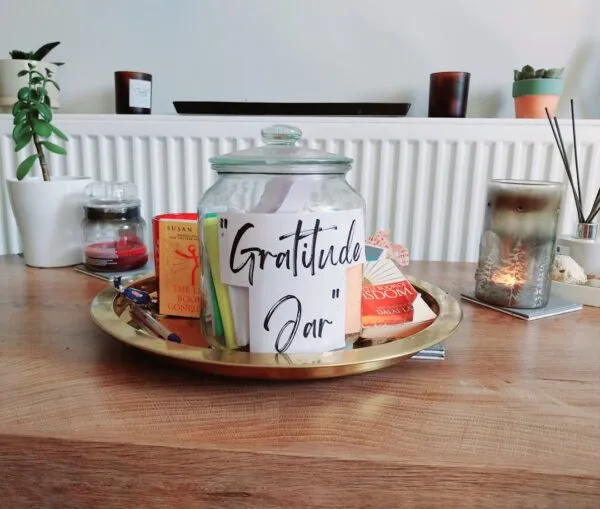
- Gratitude Journals: Encourage your child to dedicate a few minutes each day, perhaps before bed, to write down or verbally share things they are thankful for. This could be anything from a sunny day to a kind word from a friend. For younger children, drawing pictures can serve the same purpose.
- Family Gratitude Times: Dedicate a short period during shared meals or at the end of the day for everyone in the family to share something they are grateful for. This models the behavior and reinforces the practice.
- Thank You Notes: Encourage handwritten thank-you notes for gifts, acts of kindness, or even for a pleasant experience. This tangible act reinforces the sentiment of appreciation.
Modeling Gratitude as an Adult
Children are keen observers. Your own actions speak volumes.
- Express Your Own Gratitude: Make a habit of expressing your gratitude openly, to your child, your partner, friends, and even to strangers when appropriate. Let your child see you actively practicing gratitude in your daily life.
- Acknowledge Small Mercies: Point out the everyday things you are thankful for – a warm cup of tea, a quiet moment, the convenience of modern technology. This helps normalize the practice and makes it seem less of a chore and more of a natural way of life.
The Psychological Impact of "Feeling" Grateful
Beyond the cognitive act of listing things, fostering the feeling of gratitude is key.
- Sensory Appreciation: Encourage children to engage their senses when thinking about what they are grateful for. What does the warm bread smell like? What does the hug feel like? What does the laughter sound like? This deepens the emotional resonance of the experience.
- Reflective Conversations: Engage your child in conversations that prompt deeper reflection. Instead of just asking "What are you thankful for?", you might ask "What made you feel happy today because someone helped you?" or "What is something you have that not everyone might have?"
In conclusion, by actively fostering gratitude in children, you are not simply encouraging politeness; you are providing them with a robust toolkit for emotional well-being and security. You are, in essence, providing them with a compass that points towards safety and a shield that can deflect the sharp edges of life's challenges. The neurological and psychological benefits are well-documented, demonstrating that a grateful heart is a more secure heart.
FAQs
What is gratitude and why is it important for children?
Gratitude is the practice of recognizing and appreciating the positive aspects of life and the kindness of others. For children, developing gratitude helps them build emotional resilience, fosters positive relationships, and contributes to a sense of security and well-being.
How does gratitude help kids feel more secure?
Gratitude helps kids focus on the good things in their lives, which can reduce feelings of anxiety and insecurity. By appreciating what they have and the support they receive, children develop a stronger sense of stability and trust in their environment.
At what age can children start practicing gratitude?
Children can begin to understand and express gratitude as early as toddlerhood, around ages 2 to 3, through simple activities like saying "thank you." As they grow, their ability to comprehend and practice gratitude becomes more sophisticated.
What are some ways parents can encourage gratitude in their children?
Parents can encourage gratitude by modeling thankful behavior, encouraging children to express thanks regularly, creating gratitude rituals such as sharing things they are thankful for at mealtime, and helping children recognize the efforts of others.
Can practicing gratitude improve a child's mental health?
Yes, practicing gratitude has been linked to improved mental health in children. It can increase positive emotions, reduce stress and depression, and enhance overall emotional well-being, contributing to a more secure and happy childhood.