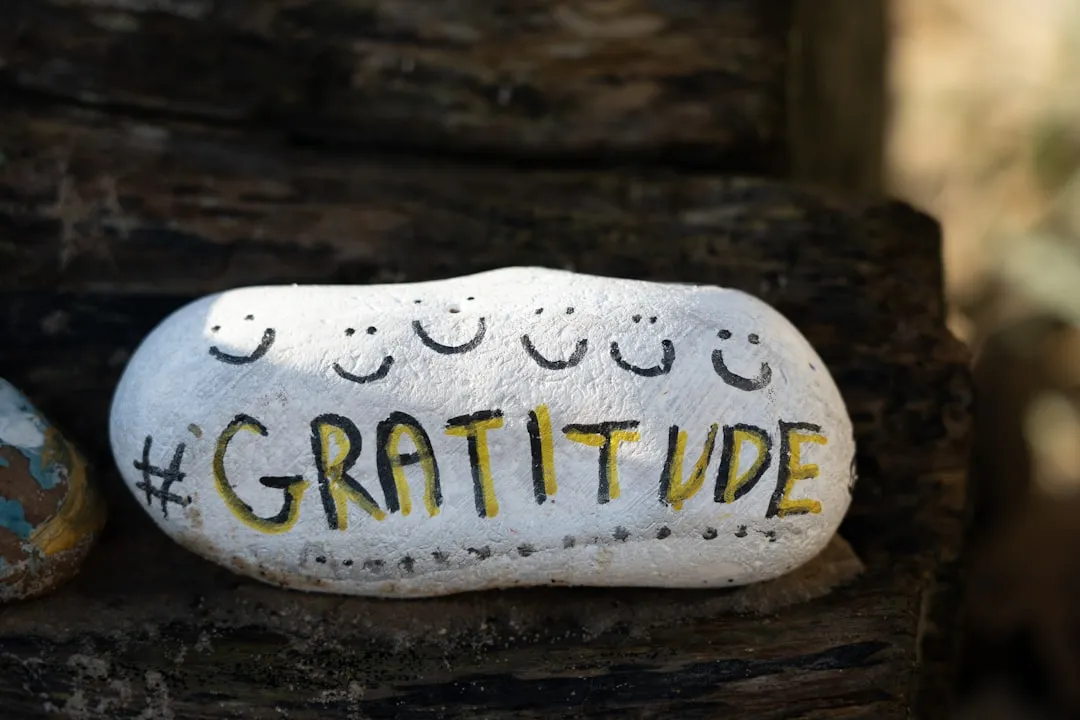
The practice of gratitude, often perceived as an abstract concept or a fleeting emotion, holds tangible and measurable significance within the domestic sphere. For you, as a member of a family unit, cultivating small, consistent gratitude habits can serve as a foundational element for a more resilient, connected, and positive shared existence. The accumulation of these small acts, like the steady depositing of pebbles into a well, gradually deepens the reservoir of goodwill and mutual appreciation within your household. This article will explore the research-backed reasons why these seemingly minor practices are not merely pleasant niceties but essential components for a thriving family life.
The efficacy of gratitude practices is not solely anecdotal; it is supported by a growing body of scientific research. Understanding these underlying mechanisms can provide a robust framework for your commitment to integrating gratitude into your family's daily routines.
The Brain on Gratitude: Rewiring for Positivity
When you consciously acknowledge and express gratitude, you are actively engaging specific neural pathways. Studies in neuroscience suggest that gratitude can:
- Activate Reward Centers: Expressing gratitude, and even the internal recognition of it, stimulates the release of neurotransmitters such as dopamine and serotonin. These chemicals are associated with feelings of pleasure, well-being, and motivation. For your family, this translates to a more positive emotional climate, where acts of kindness and effort are more likely to be reciprocated and reinforced. Imagine the brain as a garden; consistent watering of gratitude cultivates stronger, more floriferous plants of positive emotion.
- Reduce Stress Hormones: Chronic stress is detrimental to both individual health and family dynamics. Gratitude practice has been shown to decrease cortisol levels, the primary stress hormone. By fostering a mindset that readily identifies positives, you equip your family members, and yourself, with a potent tool to buffer against the stresses of modern life. This can be particularly impactful during challenging periods, acting as an emotional shock absorber for the entire family.
- Enhance Prosocial Behavior: Gratitude is intrinsically linked to pro-social behavior. When individuals feel appreciated, they are more inclined to extend kindness to others, creating a virtuous cycle. This means that by modeling and encouraging gratitude within your home, you are actively shaping your children's future interactions, making them more empathetic and considerate individuals beyond the familial context.
Shifting Focus: From Lack to Abundance
A core aspect of gratitude is its ability to redirect attention. In a world that often emphasizes what is missing or what could be improved, gratitude encourages a focus on what is present and what is good.
- Combating the Negativity Bias: Humans have an innate biological tendency to pay more attention to negative experiences than positive ones (the negativity bias). This evolutionary trait, while once crucial for survival, can be counterproductive in contemporary life, leading to a distorted perception of reality. Gratitude practices act as a counterbalance, systematically training the brain to recognize and appreciate the positive aspects of your family's life. This can prevent minor inconveniences from overshadowing the significant strengths and joys that your family already possesses.
- Cultivating an Appreciation Mindset: Regularly engaging in gratitude allows you to cultivate a more profound appreciation for the everyday occurrences that are often taken for granted. This includes simple things like having food on the table, a safe place to live, or the presence of loved ones. For your family, this means transitioning from an unspoken expectation of basic provisions and comforts to a conscious recognition and appreciation of them. This shift in perspective can elevate the mundane to the meaningful.
The Architecture of Connection: Find-Remind-and-Bind Theory in Action
The Find-Remind-and-Bind theory, a model developed by researchers in the field of gratitude, offers a direct explanation for how gratitude strengthens interpersonal bonds, particularly within families. This framework elucidates the tangible ways in which gratitude operates to forge and maintain connections.
Noticing the Unseen: The "Find" Component
The "find" aspect of the theory highlights how gratitude prompts you to actively observe and acknowledge the efforts and kindness of others within your family that might otherwise go unnoticed.
- Spotting Minutiae of Care: In the daily ebb and flow of family life, countless small acts of care occur without explicit acknowledgment. These might include a partner quietly loading the dishwasher after a long day, a child tidying their toys without being asked, or a family member offering a comforting word during a moment of distress. Gratitude encourages you to become a more discerning observer of these "invisible" contributions. By actively looking for these instances, you begin to see the consistent, albeit often silent, efforts that support the family unit.
- Valuing Effort Over Expectation: When gratitude is a practiced habit, the emphasis shifts from a baseline expectation of certain behaviors to an appreciation for the effort invested. For instance, instead of simply expecting that a child will complete their homework, you express gratitude for the diligence and focus they demonstrated in doing so. This subtle but significant shift can foster a more supportive environment where individuals feel seen and valued for their contributions, rather than simply fulfilling their perceived duties.
- Example: The Shoes Left by the Door: Consider the simple act of shoes being placed neatly by the door. Without a gratitude practice, this might be a minor point of contention or an overlooked, mundane task. However, through the lens of gratitude, you can intentionally acknowledge the effort: "I notice you put your shoes away when you came in. Thank you for helping to keep the hallway tidy." This small statement validates the action and highlights it as a positive contribution.
Reinforcing the Bonds: The "Remind" Component
The "remind" component of the theory emphasizes how expressions of gratitude serve to reinforce the awareness of social bonds and the mutual interdependence within the family.
- Reiterating Shared Commitment: When you express gratitude, you are implicitly or explicitly reminding yourself and the recipient of the underlying connection and the shared commitment to the family well-being. A simple "thank you" for a meal prepared signifies appreciation not just for the food, but for the time, effort, and care invested by the cook, reinforcing their role and its value to the family.
- Strengthening Social Capital: Each expression of gratitude acts as a small deposit into the family's social capital. This intangible asset comprises the trust, goodwill, and mutual support that underpins healthy relationships. The more frequently these deposits are made, the stronger and more resilient the family's social fabric becomes. This can manifest as increased willingness to help one another, greater tolerance for individual differences, and a stronger collective sense of belonging.
- Internalizing Family Values: By consistently modeling gratitude, you help children internalize the value of appreciation as a core family principle. They learn that acknowledging and valuing the contributions of others is an integral part of a positive and functional relationship. This internal compass for gratitude will guide their interactions throughout their lives.
Drawing Closer Together: The "Bind" Component
The ultimate outcome of the "find" and "remind" processes, as described by the theory, is the "bind" aspect, where gratitude acts to draw family members closer.
- Fostering a Sense of Belonging: When individuals feel consistently appreciated and their contributions are recognized, their sense of belonging within the family unit is significantly strengthened. This feeling of being valued and needed is a fundamental human psychological need, and gratitude is a potent nurturer of this need.
- Reducing Interpersonal Friction: A family culture steeped in gratitude is less susceptible to petty grievances and misunderstandings. When there is a foundation of mutual appreciation, minor conflicts are more likely to be perceived with perspective and resolved with empathy, rather than escalating into larger resentments. The shared language of appreciation offers a constructive alternative to criticism.
- Creating Emotional Proximity: Gratitude inherently creates emotional proximity. The act of expressing and receiving thanks fosters a sense of closeness and understanding, bridging the emotional distance that can sometimes arise due to individual lives, different priorities, or the natural challenges of navigating family dynamics. It is akin to a gentle but persistent tug on the threads that weave your family together, making the fabric stronger and more cohesive.
Integrating Gratitude into the Fabric of Daily Life
The most effective gratitude practices are those that are woven seamlessly into the existing routines of your family, rather than being relegated to special occasions or feeling like an additional burden.
Bedtime Rituals: A Calm Harbor of Thanks
The transition from wakefulness to sleep offers a natural opportunity for reflection and gratitude.
- The "Three Good Things" Exercise: Before falling asleep, encourage each family member to share three things they are grateful for from the day. These can be significant events or small, simple pleasures. For example, a child might say, "I'm grateful for the sunshine today, for playing tag with my friend, and for the yummy dinner Mom made." This practice trains the mind to actively seek out the positive, even on challenging days.
- Partner Appreciation: For you and your partner, a brief exchange of appreciation before sleep can be a powerful way to end the day on a positive note, reinforcing your connection and acknowledging each other's efforts. This could be as simple as a whispered "Thank you for everything you do today" or a more specific mention.
- Journaling Gratitude: For older children or individuals who prefer a more private form of reflection, keeping a gratitude journal, even a small notebook by the bedside, can be an effective method. They can jot down their thankful thoughts privately, reinforcing the habit of contemplation.
Mealtime Reflections: A Shared Feast of Appreciation
Mealtimes are central to family life for many, providing a natural congregating point where gratitude can be authentically integrated.
- The "Thanksgiving" Round Robin: At the dinner table, institute a tradition where each person shares one thing they are thankful for before the meal begins. This can be adapted to the age of the children. Younger children might point to food items they appreciate, while older ones can offer more nuanced reflections.
- Thanking the Cook(s): Make it a habit to express genuine gratitude to whoever prepared the meal. This should be more than a perfunctory acknowledgement; it should be a sincere expression of appreciation for the time, effort, and care involved in feeding the family. This models respect for nourishment and the labor behind it.
- Community Thanks: Expand the concept of gratitude beyond the immediate family. During meals, you can discuss and express thanks for community helpers, such as teachers, healthcare professionals, or essential workers. This broadens your children's understanding of interconnectedness and the contributions of society. For example, "Let's be thankful for the people who work at the grocery store so we can have food on our table."
The Gratitude Jar: A Tangible Repository of Positives
A gratitude jar is a simple yet effective visual representation of your family's collective appreciation.
- Collecting Notes of Thanks: Keep a decorated jar in a prominent place in your home, along with slips of paper and pens. Encourage all family members to write down things they are grateful for and deposit them into the jar. These can be completed at any time of day.
- Scheduled Readings: Periodically, perhaps once a month or on special occasions, open the jar and read the notes aloud as a family. This creates a shared experience of collective joy and remembrance, reinforcing the positive impact of your gratitude practices. Seeing the accumulation of these notes can be a powerful visual testament to the good things in your family's life.
- Themed Jars: To add variety and engage different aspects of gratitude, consider themed jars. For instance, a "Kindness Jar" for notes about acts of kindness received or witnessed, or a "People Jar" dedicated to appreciating individuals.
Spontaneous Acts of Appreciation: The Unexpected Blossoms
Beyond structured routines, embedding gratitude into spontaneous moments can have a profound impact.
- Car Ride Gratitude: During car rides, transform the journey into an opportunity for gratitude. You can play games like "Thankful Alphabet" (naming something you're grateful for starting with each letter) or simply ask open-ended questions about what people are appreciating that day. You can even have themed gratitude sessions, like "Things that are blue that I'm thankful for."
- Appreciating Small Gestures in the Moment: When you witness a small act of kindness or helpfulness within the family, acknowledge it immediately. This immediate reinforcement is very impactful, particularly for children. For example, if your child helps tidy a common area without being asked, offer a prompt "Thank you for helping out. I really appreciate that."
- Modeling Gratitude to Strangers: Your children learn by watching you. Make it a point to express gratitude to people outside the family – cashiers, service providers, even a helpful stranger. Voicing your appreciation aloud in front of your children demonstrates that gratitude is a behavior that extends beyond the home and is a valuable social currency.
Fostering Long-Term Resilience and a Positive Family Culture
The consistent application of gratitude habits yields benefits that extend far beyond immediate emotional uplift. They lay the groundwork for enduring personal and familial strengths.
Building a Language for Adversity
Difficult times are an inevitable part of life for any family. Gratitude can equip your family with a shared language and a framework for navigating these challenges.
- Finding the Silver Lining as a Shared Skill: When a setback occurs, a family accustomed to gratitude is more likely to explore the potential lessons learned or the positive aspects that might still exist, however small. This is not about minimizing genuine pain but about fostering a proactive and resilient mindset. By practicing gratitude consistently, you cultivate the ability to ask, "Even in this difficult situation, what can we still be thankful for?" or "What did we learn from this that we can be grateful for moving forward?"
- Resilience as a Collective Project: Resilience is not solely an individual trait; it is also a collective capacity. When family members feel supported and appreciated, they are better equipped to face adversity together. Gratitude acts as a cohesive force, binding the family in shared strength. Studies indicate that families with strong gratitude practices demonstrate greater adaptability and bounce-back ability when faced with significant stressors.
- Preparing Children for Future Challenges: By teaching children to notice good amid challenges early in life, you are providing them with an invaluable coping mechanism that will serve them throughout their lives. This is a skill that cannot be overemphasized in its long-term impact on their emotional and psychological well-being.
Cultivating a Culture of Noticing Effort
The pervasive culture of instant gratification and high expectations can inadvertently foster a sense of entitlement. Gratitude offers a potent antidote.
- Shifting from "What Did You Get?" to "What Did You Do?": Gratitude practices encourage a focus on the process and the effort involved, rather than solely on the outcome or reward. This can be particularly beneficial for children, helping them to value hard work, perseverance, and intention. Instead of asking, "Did you get an A on the test?", you might ask, "I'm so proud of the effort you put into studying for that test. Thank you for your dedication."
- Appreciating the Everyday Contributions: As previously discussed, gratitude shines a light on the myriad of small, often overlooked, contributions that hold a family together. This fosters an environment where every member feels that their efforts, no matter how seemingly minor, are seen and valued. This can lead to increased motivation and a greater sense of responsibility.
- Creating a Legacy of Appreciation: The habits of gratitude you instill in your family today will have a ripple effect for generations. You are not just building stronger relationships in the present; you are shaping a family culture that values recognition, kindness, and mutual support, a legacy that transcends material possessions. This enduring culture of appreciation becomes a cornerstone of your family's identity.
The Evolving Landscape of Gratitude in Modern Family Life
In the contemporary context, characterized by busy schedules and constant digital connectivity, the emphasis on small, consistent gratitude habits is more relevant than ever.
The Power of the 'Small Habit' Approach
The 2026 timeframe highlights the increasing practicality and necessity of integrating gratitude into our lives through manageable, everyday actions.
- Consistency Over Grandeur: The research and practical applications point to the fact that the cumulative effect of small, daily acts of gratitude holds far more power than infrequent, grand gestures. A consistent "thank you" for health benefits, for instance, reinforces an appreciation for well-being that can be easily taken for granted. Similarly, a simple "thank you" for a partner's contribution to household chores can maintain a positive dynamic.
- Democratizing Gratitude: Small habits make gratitude accessible to everyone, regardless of their time constraints or perceived ability to express profound sentiments. This means that simple acknowledgments, a quick note, or a sincere verbal "thank you" are powerful tools within reach of any family.
- Filling the Gaps of Busy Lives: For families juggling work, school, and extracurricular activities, finding time for elaborate gratitude rituals can be challenging. However, the integration of gratitude into existing routines, as discussed earlier, provides a sustainable pathway to cultivating these benefits without adding undue pressure.
The Contagion of Kindness and Positivity
Gratitude is not an isolated experience; it has a demonstrable effect on the broader social environment.
- Spreading Positivity Beyond the Home: When children witness and practice gratitude within the family, they are more likely to extend this behavior outwards. Acts of random kindness, born from a grateful heart, contribute to a more positive and supportive community. This can manifest in small ways, like a child holding a door for a stranger or offering a compliment to a peer, each action a testament to the lessons learned at home.
- The Reciprocal Nature of Appreciation: By deliberately practicing gratitude, you are also likely to inspire it in others. This can create a virtuous cycle where expressions of appreciation are met with further appreciation, strengthening connections not only within the family but also with friends, neighbors, and the wider community.
- A Deliberate Choice for a Brighter Outlook: In a world that can often feel overwhelmingly negative, a conscious commitment to gratitude is a deliberate choice for a brighter outlook. It is an active decision to engage with the positive, to celebrate the good, and to cultivate a sense of abundance. For your family, this means choosing to see the glass as half full, not out of naivete, but out of a practiced and intentional appreciation for all that it contains.
In conclusion, the practice of gratitude within your family is not a discretionary indulgence. It is a powerful, research-backed strategy for fostering resilience, strengthening bonds, and cultivating a positive and supportive environment. By integrating small, consistent gratitude habits into your daily life, you are investing in the long-term well-being and happiness of your family, building a foundation of appreciation that will serve you all for years to come.
FAQs
What are small gratitude habits in family life?
Small gratitude habits in family life refer to simple, everyday actions or expressions that show appreciation and thankfulness among family members. These can include saying "thank you," acknowledging each other's efforts, or sharing positive affirmations regularly.
Why do small gratitude habits matter in family relationships?
Small gratitude habits matter because they help strengthen emotional bonds, improve communication, and create a positive atmosphere within the family. Expressing gratitude regularly can increase feelings of happiness and reduce conflicts among family members.
How can families incorporate gratitude habits into their daily routine?
Families can incorporate gratitude habits by setting aside time each day to share things they are thankful for, writing gratitude notes, or simply making it a habit to verbally acknowledge each other's contributions and kindness throughout the day.
What are the benefits of practicing gratitude in family life?
Practicing gratitude in family life can lead to improved mental health, greater resilience during stressful times, enhanced empathy, and stronger family cohesion. It fosters a supportive environment where members feel valued and understood.
Can small gratitude habits influence children's development?
Yes, small gratitude habits can positively influence children's emotional and social development. Children who regularly experience and practice gratitude tend to develop better self-esteem, increased empathy, and healthier relationships with others.