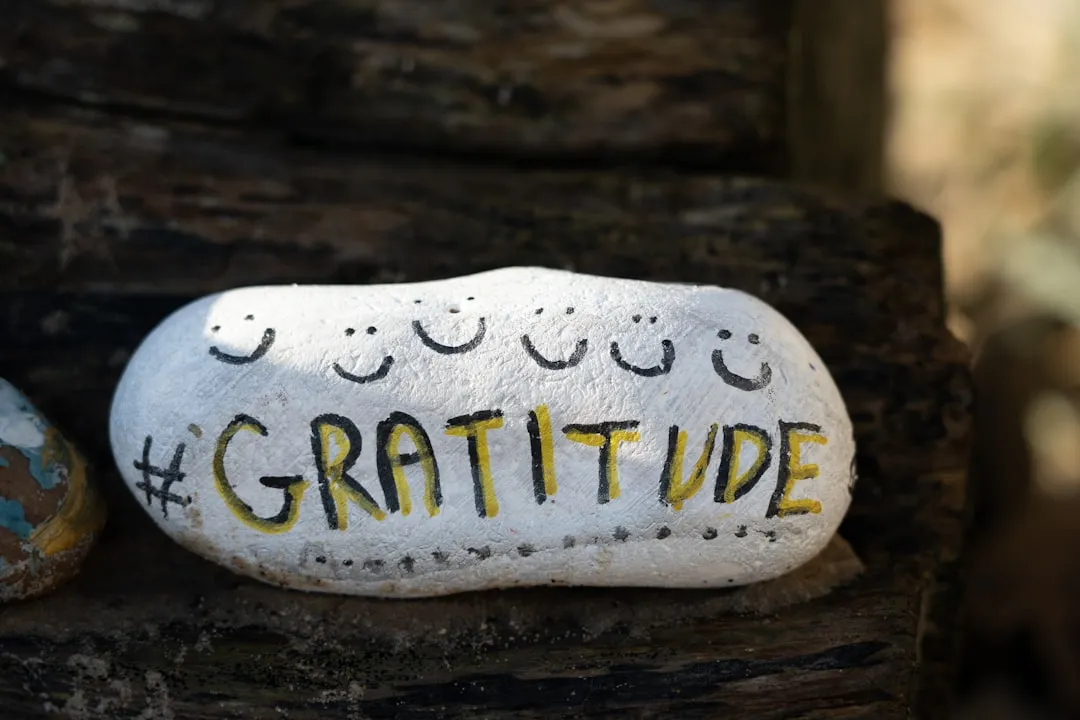
The landscape of single-parent homes is often characterized by unique challenges and profound strengths. Within this environment, the practice of gratitude emerges not as an optional amenity, but as a fundamental pillar, underpinning the emotional, psychological, and relational well-being of both the parent and the children. For you, navigating the complexities of single parenthood, understanding and implementing gratitude can be a transformative endeavor, offering a resilient framework to weather storms and amplify moments of joy.
In the context of single-parenting, the demands on your time, energy, and emotional resources can feel boundless. You are the primary caregiver, the sole provider, the confidante, and the disciplinarian, often at the same instant. This constant juggling act can, at times, feel like an Sisyphean task, with the boulder of responsibility perpetually requiring your push. Gratitude, in this scenario, is not about ignoring difficulties; rather, it is about cultivating a lens that acknowledges these challenges while simultaneously identifying and appreciating the positive elements that persist. It acts as an anchor in turbulent waters, preventing you from being entirely swept away by the magnitude of your responsibilities.
Lightening the Mental Load
Consider the countless decisions, worries, and to-do items that occupy your mental space. This ceaseless internal dialogue can create a significant cognitive burden. Engaging in daily gratitude can serve as a mental decluttering tool. By consciously focusing on what you are thankful for, you redirect your cognitive energy away from ruminative thought patterns and toward appreciation. This process, as noted by Made New Mama, can lighten your mental load, freeing up valuable cognitive bandwidth. This mental spaciousness is not a luxury; it is a necessity for effective problem-solving and emotional regulation, enabling you to approach daily tasks with greater clarity and less overwhelm.
Cultivating Inner Peace and Joy
The pursuit of happiness can often feel elusive, particularly when you are operating under duress. Gratitude offers a more accessible pathway to inner peace and joy. By actively seeking out things to be thankful for, you foster a more positive emotional state. This is not about suppressing negative emotions, but about creating a counterweight. When you can identify a moment of your child’s laughter, a completed task, or an act of kindness from another, you are actively cultivating positive experiences. These small victories, when acknowledged with gratitude, build upon each other, creating a reservoir of resilience and fostering a gentler, more peaceful disposition, much like the "fruit of the Spirit" mentioned in Galatians 5 when applied to personal well-being.
Enhancing Self-Compassion and Mercy
As a single parent, you are your child’s primary role model, but you are also often your harshest critic. The pressure to be perfect can be immense, leading to feelings of inadequacy when you inevitably fall short. Gratitude, when directed inward, can foster self-compassion. Recognizing your own efforts, your resilience, and the sacrifices you make can lead to greater self-acceptance. This internal kindness extends to your children. By acknowledging your own humanity, you are better equipped to extend mercy and understanding to your children when they make mistakes. This creates a home environment characterized by gentleness and understanding, rather than unyielding expectations.
Fostering Resilient Family Bonds Through Gratitude
The strength of a family unit is not solely measured by its structure, but by the quality of its connections. In single-parent homes, where the familial dynamic is often more individualized, the deliberate cultivation of gratitude can serve as a powerful bonding agent. Children are astute observers, absorbing the emotional climate of their home like sponges. When gratitude is a visible and practiced value, it shapes their own development and interactions.
Mirroring Parental Gratitude for Emotional Balance
Research from institutions like UNC and George Mason indicates that children mirror their parents' gratitude. When you consistently express thankfulness, you are not just performing an act of personal reflection; you are actively teaching your children a valuable life skill. This exposure to gratitude can significantly reduce their stress levels, mitigate feelings of hopelessness, and decrease the likelihood of depressive symptoms. Imagine your child, faced with a disappointing grade or a canceled playdate, instead of succumbing to despair, recalling a time you expressed gratitude for effort or for an alternative activity. This learned response builds their own emotional resilience.
Building Thankful Hearts and Spiritual Growth
Gratitude is intrinsically linked to a sense of connection and appreciation for something beyond oneself. For those with spiritual or religious beliefs, gratitude is often an expression of reverence and thankfulness to a higher power, contributing to spiritual growth. Even in secular contexts, gratitude fosters a sense of interconnectedness and wonder at the existence of good things. By modeling and encouraging gratitude, you are helping your children develop a more profound sense of purpose and a deeper appreciation for the world around them, nurturing thankful hearts that can withstand life's inevitable trials.
Reducing Stress and Hopelessness
The shared burden of life's challenges can weigh heavily on any family. However, when gratitude becomes a regular practice, it can act as a powerful antidote to stress and hopelessness. By actively seeking out positive aspects of their lives and expressing appreciation, you and your children can shift your collective focus away from perceived deficits and toward existing abundance. This conscious choice, particularly emphasized by Knoxville Moms as a focus for the New Year in 2026, allows you to maintain a more optimistic outlook, even on the most difficult days.
Practical Applications of Gratitude in Your Daily Life
Implementing gratitude is not merely an abstract concept; it requires intentional and consistent practice. For you, as a single parent, integrating these practices into your already packed schedule is key. The aim is not to add another burdensome task, but to weave gratitude into the fabric of your daily existence.
Daily Gratitude Practices for Single Moms
As highlighted by Made New Mama, making daily gratitude a habit is instrumental. This can be as simple as a moment before bed, a quick thought during your commute, or a shared reflection over dinner. The act of intentionally identifying things to be thankful for, no matter how small, can begin to shift your perspective. This consistent effort cultivates qualities such as joy, peace, gentleness, mercy, love, generosity, patience, kindness, self-control, and faithfulness, reflecting a holistic approach to personal well-being.
- Morning Intention Setting: Before the day’s demands begin, take a few moments to identify three things you are grateful for. This could be the comfort of your bed, the prospect of a cup of coffee, or the well-being of your child.
- Gratitude Journaling: dedicating a few minutes each day or week to write down things you are thankful for can be a powerful tool for reflection and memory.
- Verbal Affirmations: Expressing gratitude aloud, either to yourself or to your children, reinforces the positive feelings associated with thankfulness.
Gratitude as a Teaching Tool for Children
Children learn best through observation and participation. When you make gratitude a visible part of your family life, you are providing them with invaluable lessons. This can be achieved through both direct instruction and implicit modeling.
- Family Gratitude Circle: During meals or at bedtime, create a tradition where each family member shares something they are grateful for from the day.
- The "Thank You" Jar: A simple jar where family members can write down things they are thankful for throughout the week and then read them together.
- Modeling Generosity: Acts of giving, whether time or resources, can be powerful demonstrations of gratitude in action, as seen in community support initiatives.
Choosing Gratitude on Difficult Days
The commitment to selecting gratitude, especially when life presents significant obstacles, is perhaps the most profound application of this practice. As noted by Knoxville Moms, a New Year's focus on choosing gratitude emphasizes its importance during challenging times. These are the moments when despair can creep in, and it is precisely then that gratitude can act as a lifeline.
- Focusing on Small Victories: On days when big goals seem out of reach, identify and appreciate the smallest accomplishments. Finishing a challenging work task, successfully navigating a difficult conversation, or simply getting everyone fed and ready for school can be grounds for gratitude.
- Acknowledging Support Systems: Even in single-parent homes, there are often individuals or communities that provide support. Recognizing and appreciating this assistance can be a vital source of strength.
- Reframing Challenges: While not diminishing the difficulty, gratitude can help you reframe challenges by focusing on the lessons learned or the resilience you are building.
The Long-Term Impact of Gratitude in Single-Parent Homes
The integration of gratitude into your single-parent home is not a fleeting trend; it is an investment in the enduring well-being of your family. The habits and perspectives cultivated today will shape the emotional landscape and resilience of your children for years to come.
Fostering Hope and Stable Futures
Initiatives like Thanksgiving gratitude for single moms, which often involve community support through food baskets, illustrate how gratitude can be tangibly expressed and taught. This not only provides immediate relief but also instills a sense of hope and optimism about the future. When children witness their parent expressing gratitude for support, or when they participate in acts of giving themselves, they learn that challenges can be overcome and that there is a potential for stable and positive futures. This fosters a sense of agency and belief in their own capacity to navigate life.
Strengthening Individual Well-being and Interpersonal Skills
The cumulative effect of daily gratitude practices on your own mental and emotional health is significant. Reduced stress, increased peace, and enhanced self-compassion create a more stable and positive environment for your children. Furthermore, as children develop their own capacity for gratitude, they are better equipped to form healthy relationships, communicate effectively, and navigate interpersonal conflicts. They learn to appreciate others, contribute positively to their communities, and approach life with a spirit of thankfulness rather than entitlement or cynicism.
Creating a Legacy of Resilience
Ultimately, by embracing and instilling gratitude, you are building a legacy of resilience within your single-parent home. You are equipping yourself and your children with a powerful tool to face adversity, celebrate triumphs, and live lives marked by purpose and appreciation. Your home becomes not just a place of shelter, but a sanctuary where the seeds of thankfulness are sown, nurtured, and allowed to bloom, creating a harvest of strength that will sustain your family through all seasons of life.
FAQs
What is the importance of gratitude in single-parent homes?
Gratitude in single-parent homes helps foster a positive environment, strengthens family bonds, and promotes emotional resilience for both the parent and children.
How can practicing gratitude benefit children in single-parent families?
Children who practice gratitude tend to have higher self-esteem, better social skills, and improved mental health, which can be especially beneficial in the unique challenges faced by single-parent families.
What are some ways single parents can encourage gratitude in their children?
Single parents can encourage gratitude by modeling thankful behavior, creating daily gratitude rituals, encouraging children to express appreciation, and focusing on positive experiences despite challenges.
Does gratitude have an impact on the stress levels of single parents?
Yes, practicing gratitude can reduce stress and increase overall well-being for single parents by shifting focus from difficulties to positive aspects of their lives.
Can gratitude improve the overall family dynamic in single-parent households?
Gratitude can improve communication, increase empathy, and create a supportive atmosphere, which enhances the overall family dynamic in single-parent households.