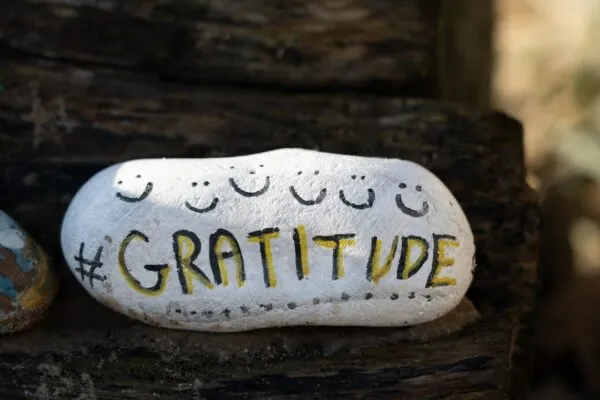
You, as a single parent, navigate a landscape often characterized by relentless demands and scarce resources. The weight of responsibility can feel like an anchor, pulling you down into a sea of daily challenges. Yet, within this demanding reality, a powerful, often overlooked tool can serve as your keel, providing stability and a crucial sense of grounding: gratitude. This is not about ignoring the difficulties; rather, it is about cultivating a deliberate awareness of the positive aspects of your life, however small they may appear. By actively engaging with gratitude, you can transform your perspective, lighten your mental load, and foster a more resilient and contented existence for yourself and your child.
Gratitude functions as a cognitive reorientation. When you are constantly focused on what is lacking, what is difficult, or what is yet to be done, your brain enters a state of deficit thinking. This can create a feedback loop of stress and anxiety, making it harder to problem-solve or even to perceive existing solutions. Gratitude, conversely, acts as a deliberate antidote to this. It encourages you to actively seek out and acknowledge the good, thereby rewiring your neural pathways to recognize and prioritize positive experiences. This shift is not merely a passive feeling; it can have tangible, measurable effects on your mental and even physical health. Research suggests that consistent gratitude practices can help to counter symptoms of depression, shifting your focus from negative rumination to more creative and proactive thinking. Imagine your mind as a garden. Without tending, weeds of worry can easily choke the life out of your plants. Gratitude is the diligent gardener, pulling out those weeds and nurturing the growth of positive blooms.
Lightening the Mental Load
Your role as a single parent is akin to being a conductor of a complex orchestra, managing multiple instruments simultaneously. The mental load—the constant planning, organizing, anticipating, and remembering—can be overwhelming. Gratitude offers a way to lighten this burden by helping you to focus on what is already in tune, rather than perpetually dwelling on the dissonant notes. By consciously identifying the sources of your thankfulness each day, you begin to allocate your mental energy more effectively. Instead of expending precious cognitive resources on anxieties about tomorrow, you can anchor yourself in the present by appreciating the small victories of today. This can foster a sense of peace and gentleness within you, allowing for greater patience and a more compassionate outlook, not only towards yourself but also towards your child. This conscious choice can also cultivate qualities that are often referred to as the "fruit of the Spirit"—love, generosity, kindness, self-control, and faithfulness. These qualities are not just desirable attributes; they are building blocks for a stable and loving family environment, emanating from a heart that recognizes abundance rather than scarcity.
Shifting to Creative Problem-Solving
When you are trapped in a cycle of stress, your ability to think creatively and find innovative solutions diminishes. Your problem-solving capacity can become like a clogged drain, where any attempt to push through only results in a stagnant mess. Gratitude, however, can act as a powerful flush, clearing the pathways for new ideas. By stepping back from the immediate pressure and acknowledging what is working, you create the mental space necessary to approach challenges from a fresh perspective. This might involve recognizing that a particularly challenging behavior from your child can also be seen as a sign of their strong will and developing personality. This reframing, fueled by gratitude for their vitality, can lead to more constructive approaches to discipline and understanding. The act of looking for the good can unlock your innate resourcefulness, allowing you to see possibilities where before you only saw obstacles.
Unique Blessings in the Single-Parent Journey
The narrative surrounding single parenthood often emphasizes hardship. While acknowledging the challenges is important, it is equally vital to recognize the unique blessings that can emerge from this path. Gratitude provides the lens through which these often-overlooked gifts can be seen and appreciated. These blessings are not always grand pronouncements; they are often woven into the fabric of everyday life, waiting to be noticed.
Building Traditions with a Chosen Family
As a single parent, you often become the architect of your family's traditions. This can be a profound source of gratitude. Whether it’s a specific way you celebrate holidays, a weekly ritual like game night, or a unique bedtime story routine, these self-created traditions become the cornerstones of your family's identity. You are not beholden to inherited patterns; you have the freedom to craft experiences that resonate deeply with your values and your child's personality. The effort you invest in building these traditions is an act of love, and the memories you create become treasures, a testament to your resilience and your commitment to fostering a sense of belonging and joy. You might be grateful for the opportunity to design a holiday celebration that perfectly captures your family's spirit, or for the simple pleasure of inventing a silly song that your child adores.
The Preciousness of "Me Time"
In the relentless cycle of caregiving, moments of solitude can feel like a mirage. When they do occur, however fleeting, they can be profoundly restorative. Gratitude for these pockets of "me time" is essential. It is in these moments that you can recharge your batteries, engage in activities that nourish your soul, or simply sit in quiet contemplation. This isn't selfish; it's an act of self-preservation that ultimately benefits your child. When you are rested and have a sense of your own well-being, you are better equipped to be present and patient with your child. You might be grateful for the thirty minutes you have to read a book after your child is asleep, or for the hour you carve out for a solo walk, allowing your thoughts to wander freely. These are not luxuries; they are necessities for sustained capacity.
The Gift of Drama-Free Co-Parenting
Navigating co-parenting can, at times, be a significant source of stress. When you experience a co-parenting relationship that is characterized by respect, clear communication, and a shared focus on the child's well-being, it is a remarkable blessing worthy of deep gratitude. This type of dynamic allows for a more peaceful and predictable environment for your child, and it significantly reduces your own emotional burden. You are not constantly bracing for conflict or mediating disputes. Instead, you can focus on the positive aspects of collaborative parenting. This might involve appreciating the fact that your co-parent consistently shows up on time for exchanges, or that you can have a civil conversation about your child’s schoolwork without rancor.
Mama-Tribe Support: A Lifeline of Connection
The concept of a "mama-tribe" is more than just a buzzword; it is a vital support system for single parents. Gratitude for the women (and men) in your life who offer practical help, emotional understanding, and a listening ear can be a powerful antidote to isolation. These individuals may be friends, family members, or fellow single parents you've met through shared experiences. They are the ones who can offer a much-needed hour of babysitting, share a commiserating sigh over a spilled drink, or remind you of your strengths when you feel you have none. This supportive network acts as a safety net, catching you when you stumble and celebrating your successes alongside you. You might be grateful for a friend who brings over a meal when you're exhausted, or for a fellow single mom who understands the unique pressures you face and offers an encouraging word.
The Unconditional Love and Health of Your Child
At the core of your single-parent journey is your child. The unconditional love they offer, and their presence in your life, is perhaps the most profound source of gratitude. Their health, their laughter, and their growing personalities are constant reminders of what truly matters. Even on the most challenging days, their love can be a beacon of light, grounding you in the fundamental purpose of your efforts. This gratitude extends beyond simple appreciation; it is a deep, abiding thankfulness for the privilege of raising and nurturing another human being. You might be grateful for the warmth of your child's hug after a long day, for the way they look at you with complete trust, or simply for the fact that they are healthy and thriving.
Cultivating a Daily Gratitude Practice for Enhanced Well-being
Integrating gratitude into your daily routine is not a matter of simply wishing for a better life; it is an active, intentional process. This practice acts as a regular tuning fork, ensuring that you are aligned with the positive vibrations of your existence. While the benefits are manifold, consistently seeking out and acknowledging the good can significantly contribute to your overall well-being and resilience. As you look towards the future, such as the year 2026, making gratitude a cornerstone of your daily life will be an investment in your enduring peace.
Starting Your Mornings with Intention
The way you begin your day can set the tone for everything that follows. Instead of immediately diving into the to-do list or the anxieties that may linger from the night before, dedicate the first few moments to gratitude. A simple practice of naming just one thing you are grateful for can be remarkably effective. This could be as basic as the comfort of your bed, the taste of your morning coffee, or the fact that you have woken up to face another day. This deliberate act of appreciation acts as a protective shield, allowing you to approach the inevitable demands of the day with a more positive and centered mindset. It's like starting your car with a full tank of gas; you have the energy and fuel to navigate the journey ahead.
Practicing Gratitude for Lessons Learned
Life as a single parent is a continuous learning curve, often marked by challenges that force you to adapt and grow. Gratitude can shift your perspective on these experiences, transforming setbacks into valuable lessons. Instead of viewing mistakes or difficult situations as failures, you can learn to appreciate the wisdom gained from them. This is particularly relevant when reflecting on past experiences, such as preparing for future years. Recognizing the lessons you have absorbed, the strength you have discovered within yourself, and your capacity to overcome adversity are all profound reasons for thankfulness. You might be grateful for a parenting mistake that taught you a crucial lesson about patience, or for a financial setback that forced you to become more resourceful.
Embracing Gratitude for Enduring Love and Hope
In moments when the challenges of single parenthood seem overwhelming, the enduring love you share with your child and the persistent flicker of hope can be your anchors. Cultivating gratitude for these fundamental aspects of your life provides a powerful counterbalance to negativity. The love you give and receive, and the belief in a better future, are potent forces that can sustain you. These are not abstract concepts; they are the very essence of what makes your journey meaningful. You might be grateful for the unwavering love your child expresses, or for the quiet hope that tomorrow will bring a bit more ease. This gratitude is a testament to your inner strength and your capacity for profound connection.
The General Benefits: A Broader Perspective
Beyond the immediate positive effects, a consistent practice of gratitude offers a wider lens through which to view your life. It fosters a sense of abundance, countering the pervasive human tendency towards envy and dissatisfaction. When you actively acknowledge the gifts you possess, you are less likely to covet what others seem to have. This shift in perspective is fundamental to overall well-being, enhancing your relationships and your general outlook on life. The practice of consciously naming three things you are grateful for each day can subtly but significantly increase your overall happiness. This habit cultivates a mindset where you actively look for the good, rather than passively waiting for it to appear.
Strategies for Incorporating Gratitude into Your Life
The commitment to gratitude is a journey, not a destination. It requires conscious effort and the implementation of practical strategies to ensure it becomes an ingrained habit. These methods are designed to be accessible and adaptable to the demanding schedule of a single parent, transforming gratitude from a lofty ideal into a tangible practice.
Naming Three Gratitudes Daily
A cornerstone of gratitude practice is the simple yet powerful act of naming three things you are grateful for each day. This exercise, when performed consistently, trains your brain to actively seek out the positive, even amidst difficulties. These gratitudes can range from the profound—such as your child's healthy development—to the mundane—like the hot water in your shower. The key is the deliberate act of acknowledgment. This habit is a direct pathway to increasing your overall happiness and satisfaction. You might list: "I am grateful for the quiet moments before my child wakes up." "I am grateful for the delicious meal I was able to prepare." "I am grateful for a supportive friend who called me today."
Journaling as a Gratitude Practice
For some, a more structured approach to gratitude can be beneficial. A gratitude journal provides a dedicated space to record your thoughts and reflections. This can be a private sanctuary where you can document the blessings in your life. Dedicating even a few minutes each day to write down what you are thankful for can deepen your appreciation and provide a tangible record of your journey. Over time, reviewing your journal can serve as a powerful reminder of your resilience and the consistent presence of good, even during challenging periods. Imagine your journal as a treasure map, charting the gold you have discovered in the terrain of your life.
Incorporating Gratitude into Family Life
The benefits of gratitude are not limited to the individual; they can also profoundly impact your child. By modeling gratitude, you instill valuable life lessons and create a more positive family environment. You can involve your child in gratitude practices, such as having them name things they are thankful for at dinner or before bedtime. This not only reinforces the practice for you but also helps your child develop their own sense of appreciation and contentment. You are, in effect, planting seeds of thankfulness in fertile young minds, helping them to navigate their own future with a more positive outlook. This can be a powerful tool in preparing them for whatever challenges and joys 2026 and beyond may bring.
Mindful Moments of Appreciation
Gratitude doesn't always require dedicated time or writing. It can be found in mindful moments throughout your day. Take a brief pause to appreciate the warmth of the sun on your skin, the taste of your food, or the sound of your child’s laughter. These small pockets of awareness can act as vital recalibrations, pulling you back from the brink of stress and into a space of appreciation. These moments are like small sparks of light in the often-dark tunnel of daily demands, reminding you of the inherent beauty and goodness that surrounds you.
Choosing Gratitude as a Daily Mindset
The decision to choose gratitude is not a one-time event; it is an ongoing commitment to a particular way of experiencing the world. As you look towards the future, such as the year 2026, consciously adopting gratitude as your daily mindset can be a transformative strategy for navigating the inevitable ups and downs of life. It is about cultivating an internal compass that consistently points towards appreciation, even on days when the external circumstances feel challenging.
Cultivating Contentment on Hard Days
Holidays, birthdays, or simply challenging weeks can sometimes amplify feelings of loneliness or hardship for single parents. It is precisely on these difficult days that choosing gratitude becomes most potent. Instead of succumbing to feelings of lack or comparison, actively searching for reasons to be thankful can shift your internal landscape. This doesn't negate the difficulty, but it allows you to experience it with a foundation of appreciation for what you do have. You remain grounded, acknowledging the struggle while simultaneously recognizing the strength and support that exists alongside it. This is the practice of finding a sturdy branch to hold onto when the current is strong.
Modeling for Your Children
Your children are constantly observing and learning from you. By consciously choosing gratitude, you are providing them with a powerful model for resilience and positive coping mechanisms. You are teaching them that even when life is difficult, there are still good things to be found. This lesson is invaluable, equipping them with a tool that will serve them throughout their lives. When they see you express thankfulness, they internalize its importance, fostering a similar capacity in themselves. You are, in essence, handing them a key to unlock their own happiness and contentment.
Living Intentionally Through Thanks
Gratitude is intrinsically linked to living intentionally. When you are grateful, you are more aware of the present moment and the value of your experiences. This awareness allows you to make more conscious choices about how you spend your time and energy, aligning your actions with your values. Instead of drifting through life, you become an active participant, appreciating each step of the journey. This intentional living, fueled by gratitude, can lead to a deeper sense of purpose and fulfillment, both for yourself and for your family. It is about living with your eyes wide open, actively choosing to see the gifts, rather than passively accepting what comes your way.
Preparing for 2026 and Beyond with Gratitude
As you look towards the future, the practice of gratitude can serve as a powerful tool for preparation, resilience, and sustained well-being. The anticipation of future years, such as 2026, can be met with a sense of preparedness and optimism when rooted in a foundation of thankfulness. This is about building a reservoir of positive experience that can be drawn upon when challenges inevitably arise.
Gratitude for Being Alive and Well
Perhaps the most fundamental aspect of gratitude is appreciation for the very gift of life. Being alive and well, despite the obstacles you may have faced or continue to face, is a profound reason for thankfulness. This simple acknowledgment can reset your perspective, reminding you of your inherent worth and your capacity to persevere. This foundational gratitude is a powerful reminder that even on days when everything feels wrong, the fact of your existence and your ability to experience the world is a significant blessing.
Appreciation for Support and Help Received
No one navigates life entirely alone, and as a single parent, the support and help you receive, however small, are invaluable. This can come from family, friends, community programs, or even unexpected kindness from strangers. Actively acknowledging and appreciating this support strengthens your connections and reminds you that you are part of a larger fabric of human support. This gratitude for external assistance is a vital component of your own resilience, acknowledging that you are not an island but a part of a supportive ecosystem.
Executing Ideas and Projects with Thanks
The ability to conceive of and execute ideas, whether they are personal projects, career advancements, or initiatives aimed at improving your child's life, is a cause for gratitude. This capacity to act upon your intentions, to bring your visions to fruition, speaks to your agency and your resourcefulness. When you are able to reflect on projects completed or goals achieved, taking a moment to be thankful for the opportunity and the ability to accomplish them can reinforce your sense of capability and empower you for future endeavors.
The Ability to Hope and Dream
The capacity for hope and dreaming is a uniquely human trait, and it is particularly vital for single parents who are often the primary architects of their family's future. Gratitude for your ability to envision a better tomorrow, to set goals, and to cling to aspirations, is a powerful force. This optimism is not naive; it is a testament to your inner strength and your belief in the possibility of positive change. This forward-looking gratitude allows you to face the future not with trepidation, but with a sense of purpose and the conviction that your dreams are worth pursuing.
FAQs
What is gratitude and how is it defined in the context of single parenting?
Gratitude is the practice of recognizing and appreciating the positive aspects of life. For single parents, it involves acknowledging the support, small victories, and moments of joy despite challenges, which helps maintain a positive outlook.
How does practicing gratitude benefit the mental health of single parents?
Practicing gratitude can reduce stress, anxiety, and feelings of isolation by fostering a sense of connection and contentment. It encourages single parents to focus on what they have rather than what they lack, promoting emotional resilience.
Can gratitude improve the relationship between single parents and their children?
Yes, expressing gratitude can strengthen the parent-child bond by creating a more positive and supportive home environment. It models appreciation and kindness, which children can learn and emulate.
What are some practical ways single parents can incorporate gratitude into their daily lives?
Single parents can keep a gratitude journal, share daily moments of thankfulness with their children, practice mindfulness, or set aside time each day to reflect on positive experiences and support systems.
Is there scientific evidence supporting the benefits of gratitude for single parents?
Research in psychology shows that gratitude practices are linked to improved well-being, reduced depression, and greater life satisfaction. While studies may not focus exclusively on single parents, the benefits apply broadly to individuals facing stress and challenges.