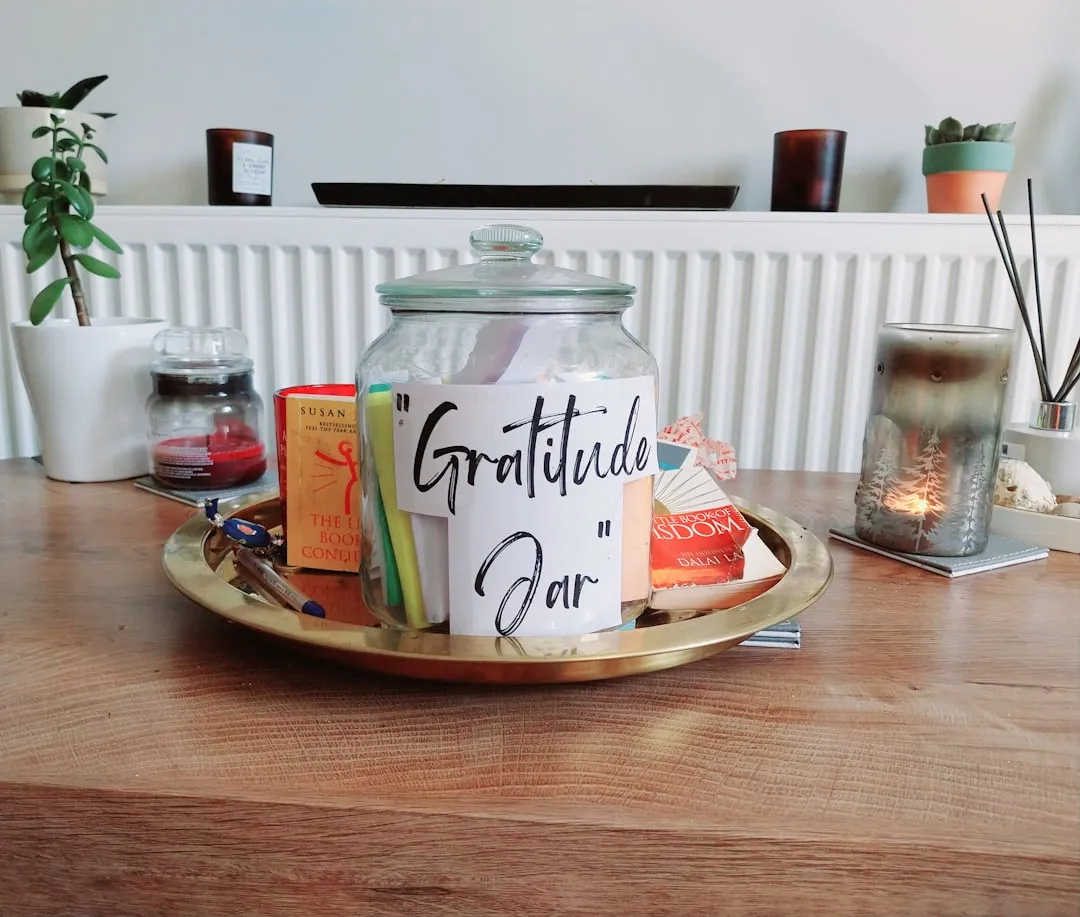
The practice of gratitude, far from being a mere pleasantry, emerges as a potent tool for mothers seeking to cultivate and maintain deep emotional connections with their children. This article explores the multifaceted ways in which deliberately focusing on appreciation can fortify these vital bonds, acting as an anchor in the often-turbulent seas of parenthood. You, as a mother, possess the capacity to harness this power, transforming everyday experiences into opportunities for strengthened intimacy and emotional resilience.
Gratitude functions as a significant emotional buffer, mitigating the pervasive stresses and anxieties that are inherent to the maternal experience. By consciously acknowledging the positive aspects of your life and your role as a mother, you create a more stable emotional foundation. This, in turn, allows you to approach parenting with a clearer, more grounded perspective, which directly impacts your interactions with your children.
Reducing the Weight of Stress and Anxiety
The relentless demands of motherhood can often feel like carrying a heavy load. Gratitude acts as a counterweight, distributing the burden and lightening the load. Research indicates that regular gratitude practices can significantly reduce stress, anxiety, and even symptoms of depression in mothers. When you are less consumed by worry and stress, you are more likely to be present and engaged with your children, rather than being lost in a fog of concern. This shift in your internal state creates a more receptive environment for connection. Imagine your emotional state as a garden; without tending, weeds of anxiety can quickly choke out the delicate blossoms of connection. Gratitude, in this metaphor, is the consistent watering and weeding that allows your garden to flourish. It’s not about ignoring challenges, but about cultivating an awareness of the positives that coexist with them.
Enhancing Life Satisfaction and Overall Well-being
Beyond stress reduction, gratitude has been linked to an increased sense of life satisfaction. When you can look at your life and find things to be thankful for, particularly within your role as a mother, your overall contentment rises. This enhanced well-being is not an abstract concept; it directly translates into how you interact with your children. A mother who feels a sense of satisfaction and appreciation is more likely to exhibit patience, warmth, and genuine enjoyment in her children's company. This positive outlook can create a virtuous cycle, where your contentment fosters positive interactions, which in turn further reinforces your feelings of gratitude.
The Impact of a Positive Emotional Ecosystem
The psychological benefits of gratitude extend to creating a more positive emotional ecosystem within the family. When you cultivate gratitude, you are not just impacting your own mental state, but you are also influencing the emotional climate of your household. This "positive emotion ripple effect" means that your appreciation can spread, encouraging a more positive and harmonious environment for everyone, especially your children. They, in turn, may absorb and mirror this positivity, leading to fewer negative emotions within the family unit and improved overall family functioning.
Cultivating Presence: Gratitude and Increased Engagement with Your Children
One of the most profound ways gratitude strengthens maternal bonds is by fostering a greater sense of presence with your children. In an era of constant distraction, being truly present is a powerful gift you can give your child, and gratitude is a key facilitator of this.
Being Present in the Moment
Gratitude inherently directs your attention towards what is good and appreciated in the present moment. This conscious focus on the positive elements of your current situation can pull you away from ruminating on past difficulties or worrying about future uncertainties. Instead, you become more attuned to the here and now, to the small moments of joy, connection, and even mundane activity with your children. This heightened awareness allows you to truly see and hear them, to engage with their thoughts, feelings, and explorations with undivided attention. This is the essence of being present – a gift that nurtures intimacy.
Acknowledging the Small Joys
The grand gestures of motherhood are often celebrated, but it is the accumulation of small, everyday joys that truly binds families. Gratitude encourages you to notice and appreciate these often-overlooked moments: a spontaneous hug, a shared laugh over a silly joke, the quiet comfort of reading a story together. By actively seeking out and appreciating these seemingly minor occurrences, you imbue them with significance. These small moments, when illuminated by gratitude, become the building blocks of strong memories and deep emotional connection. Without this intentional focus, these precious moments can pass by unnoticed, like fleeting shadows.
Enhancing Resilience Amidst Challenges
Motherhood is not without its trials. From navigating developmental leaps to managing unexpected setbacks, challenges are an inevitable part of the journey. Gratitude, however, can significantly enhance your resilience in the face of these difficulties. By remembering the many things you are thankful for – your child’s health, their unique personality, the love you share – you gain a stronger capacity to weather storms. This internal fortitude allows you to approach stressful situations with a greater sense of perspective and a reduced likelihood of succumbing to overwhelm, which in turn promotes more constructive and connected responses to your children.
Deepening the Bond: Gratitude's Role in Emotional Closeness
The emotional connection between a mother and her child is a complex tapestry, woven from shared experiences, mutual understanding, and emotional attunement. Gratitude acts as a potent thread, strengthening the fibers of this connection and fostering a deeper sense of intimacy.
Fostering Security and Trust
A consistent practice of gratitude can cultivate a sense of security and trust within the mother-child relationship. When a child perceives their mother as being more emotionally stable, patient, and appreciative, they internalize this as a signal of safety. This emotional security forms the bedrock upon which a strong and trusting bond is built. Children learn that their mother is a reliable source of comfort and positivity, fostering an environment where they feel safe to explore, to express themselves, and to lean on her, knowing they will be met with warmth and understanding.
Reducing Negative Emotions and Conflict
The correlation between gratitude and reduced negative emotions in mothers is well-documented. When you experience fewer negative emotions like frustration, anger, or resentment, your capacity to respond to your children’s needs with patience and empathy increases. This, in turn, can lead to fewer conflicts and more harmonious interactions. A mother who approaches her child with a heart full of appreciation is less likely to be provoked by minor infractions and more likely to seek understanding and constructive solutions, thereby preserving the emotional connection.
The Power of Reciprocal Appreciation
While this discussion primarily focuses on your practice of gratitude, it’s important to acknowledge the potential for reciprocal appreciation within the family. As you model and express gratitude, your children may begin to adopt similar behaviors. This can lead to a beautiful cycle of mutual appreciation, where both mother and child actively acknowledge and value each other, further solidifying their emotional bond. This shared language of gratitude creates a powerful, positive feedback loop that nourishes the relationship.
Gratitude for Specific Parenting Moments: A Strategic Approach
Gratitude is not a monolithic practice; it can be strategically applied to specific aspects of your parenting journey, yielding targeted benefits for your emotional connection with your children.
Appreciating Your Child's Unique Qualities
Every child is a unique constellation of traits, talents, and challenges. Actively focusing on and appreciating your child's individual qualities, even those that might present difficulties, can profoundly impact your connection. Instead of dwelling on perceived flaws, intentionally seek out and articulate what you admire and appreciate about your child's personality, their efforts, their curiosity, or their resilience. This shift in focus can soften your own perceptions, making you more attuned to their positive attributes and fostering a deeper, more accepting love.
Reflecting on the Parenting Journey
Parenting is a long and often winding road. Taking time to reflect on your journey thus far, and to express gratitude for the experiences and lessons learned, can be incredibly valuable. This reflection can also extend to appreciating the progress your child has made, the moments of growth you have witnessed, and the strength you have discovered within yourself. This retrospective gratitude can serve as a powerful reminder of the enduring nature of your bond and the valuable experiences you have shared, even through difficult times.
Gratitude for the "Everyday" Moments
This points to the significance of cultivating gratitude for the seemingly mundane aspects of daily life with your children. While grand milestones are memorable, the fabric of family life is composed of countless ordinary moments: the shared meal, the car ride conversations, the bedtime routines. As a stay-at-home mom in 2026, incorporating gratitude into these routines can significantly enhance your emotional health and deepen your family connections. By consciously appreciating these everyday occurrences, you infuse them with meaning and strengthen the continuous thread of connection that binds you to your children.
Implementing Gratitude: Practical Strategies for Connection
Translating the conceptual understanding of gratitude into tangible practices is key to reaping its benefits for your maternal bonds. This involves intentionality and consistent effort.
Journaling Your Appreciations
A common and effective method for cultivating gratitude is through journaling. Setting aside a few minutes each day to write down things you are grateful for regarding your children and your role as a mother can be transformative. This could be anything from their infectious laughter to the way they approach a new challenge. This practice not only reinforces your focus on the positive but also creates a tangible record of your appreciation that you can revisit during more challenging times.
Expressing Gratitude Directly
While internal reflection is important, openly expressing your gratitude to your children can have a significant impact on your connection. Telling them, "I'm so grateful to have you," or "I really appreciate it when you help your sibling," reinforces their value and strengthens your bond. This direct communication of appreciation can foster a sense of being seen, valued, and loved, creating a more secure and emotionally rich environment for your child. It’s like shining a spotlight on the positive connection you share.
Mindful Moments of Appreciation
Beyond formal journaling, you can integrate mindful moments of appreciation into your daily interactions. This could involve taking a deep breath before engaging with your child after a stressful moment and consciously bringing to mind something you appreciate about them. Or it could be pausing during an activity to simply observe and feel thankful for their presence and engagement. These micro-practices, woven throughout your day, cumulatively build a stronger foundation of gratitude and emotional attunement.
Gratitude as a Stress-Management Tool
As previously mentioned, gratitude is a powerful stress-management tool. When you feel overwhelmed, consciously shifting your focus to what you are grateful for can help to recalve your emotional state. This might be as simple as reminding yourself of the unwavering love you have for your child, or the small victories you have achieved in your parenting journey. By using gratitude as an immediate coping mechanism, you prevent stress from eroding your emotional connection with your children, ensuring that you can respond from a place of calm rather than reactivity.
In conclusion, as you navigate the complex and rewarding landscape of motherhood, remember the profound power residing within the simple act of gratitude. It is not merely an emotional response but a deliberate practice that can serve as a cornerstone for maintaining and deepening your emotional connection with your children. By actively cultivating appreciation for the moments you share, the unique individuals they are, and the journey you undertake together, you build a resilient and loving bond that will endure. Your intentional focus on gratitude is an investment that yields immeasurable returns in emotional closeness and familial harmony.
FAQs
What is the role of gratitude in a mother's emotional well-being?
Gratitude helps mothers focus on positive aspects of their lives, which can reduce stress and enhance emotional resilience. By appreciating small moments and achievements, moms can maintain a healthier emotional balance.
How does practicing gratitude improve a mother's relationship with her children?
When mothers express gratitude, they model positive emotional behavior, fostering a nurturing environment. This openness encourages stronger emotional bonds and better communication between moms and their children.
Can gratitude help reduce feelings of overwhelm or burnout in mothers?
Yes, regularly practicing gratitude can shift a mother's mindset from focusing on challenges to recognizing support and successes, which can alleviate feelings of overwhelm and decrease the risk of burnout.
What are simple ways moms can incorporate gratitude into their daily routine?
Moms can keep a gratitude journal, share daily appreciations with family members, or take moments to reflect on positive experiences. These practices help maintain emotional connection and mindfulness.
Is there scientific evidence supporting the benefits of gratitude for emotional health in mothers?
Research indicates that gratitude is linked to improved mental health, including reduced symptoms of depression and anxiety. For mothers, this translates into better emotional regulation and stronger family relationships.