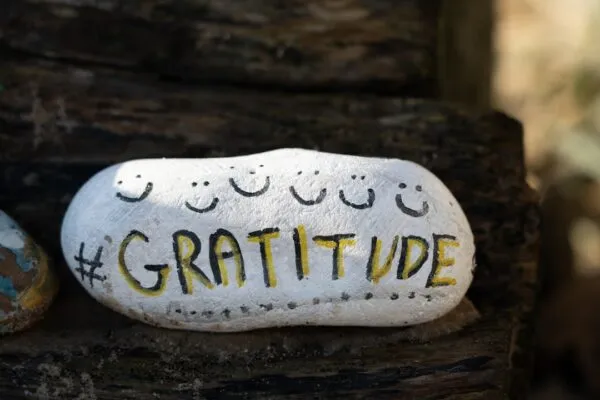
You are on a journey to cultivate a vital character trait in the young minds you influence: gratitude. This isn't merely about teaching children to say "thank you." It's about fostering a deep-seated appreciation for the world around them, a quality that often blossoms most vibrantly when nurtured through the fertile soil of compassion. By weaving acts of understanding and empathy into the fabric of their daily lives, you can help them develop a lens through which they see not just what they receive, but the effort, intention, and shared humanity behind it. This educational endeavor is akin to planting seeds; with consistent, thoughtful tending, you can watch a garden of appreciation and kindness grow.
Your role as an educator or caregiver is to lay the groundwork for future appreciation. This begins with demystifying the concepts of gratitude and compassion, demonstrating their interconnectedness, and illustrating their tangible benefits. It’s not about abstract ideals; it’s about practical application and observable outcomes.
Defining the Terms
- Gratitude: At its core, gratitude is the recognition and appreciation of favors, benefits, or good things received, whether material or intangible. It is an emotional response, a feeling of thankfulness. For children, this can manifest as acknowledging a toy received, a meal prepared, or a moment of comfort.
- Compassion: Compassion, on the other hand, involves recognizing the suffering of others and having a desire to alleviate that suffering. It is an active form of empathy, moving beyond simply understanding another's feelings to wanting to help. This can be as simple as offering a comforting word to a sibling or as profound as participating in a community service project.
- The Symbiotic Relationship: You will find that gratitude and compassion are not parallel tracks but rather interwoven paths. When children understand the effort or sacrifice someone made to provide for them (fostering gratitude), they are more likely to extend that same consideration and desire to help others (compassion). Conversely, engaging in compassionate acts often leads to a deeper appreciation for what one has. For instance, seeing firsthand the needs of others can make a child more thankful for their own shelter and food.
The Why: Benefits for Development
The cultivation of gratitude and compassion yields significant benefits for a child's psychological and social development:
Enhanced Well-being and Resilience
- Positive Emotional State: Children who regularly practice gratitude tend to experience more positive emotions and fewer negative ones. They are less prone to feelings of envy or resentment.
- Coping Mechanisms: Gratitude can act as a buffer against adversity. When faced with challenges, a grateful disposition allows children to focus on what remains positive in their lives, aiding their resilience in navigating difficulties.
- Reduced Materialism: By emphasizing experiences and relationships over possessions, you help children de-emphasize the pursuit of material goods as the sole source of happiness. This can lead to a reduction in entitlement and an increased satisfaction with what they possess.
Strengthened Social Bonds
- Improved Relationships: Gratitude is a social lubricant. Children who express thanks are often perceived as more likable, leading to stronger friendships and positive interactions with peers and adults.
- Prosocial Behavior: Compassion directly fuels prosocial behavior. Children who understand and care about others are more likely to share, help, and engage in cooperative activities.
- Reduced Bullying and Aggression: A foundation of empathy and understanding can mitigate aggressive tendencies. Children who can place themselves in another's shoes are less likely to inflict harm.
Modeling Gratitude: The Mirror for Young Eyes
Children are keen observers, and their initial understanding of gratitude is often a reflection of what they see and hear from you. Your daily actions and expressions serve as a powerful, unspoken curriculum.
Everyday Expressions of Thanks
- Verbalizing Appreciation: Make it a habit to voice your thanks for everyday occurrences. This includes simple things like:
- "Thank you for the delicious dinner, everyone."
- "I really appreciate you helping me clear the table."
- "It was so kind of our neighbor to bring over that extra bag of apples."
- "Thank you for listening so patiently to my story."
- Authenticity is Key: Your gratitude should be genuine. Children can sense insincerity, and feigned appreciation can be counterproductive. Focus on specific instances and genuine feelings of thankfulness.
- The Ripple Effect: When you model gratitude, you create a positive feedback loop. Your children are more likely to adopt this behavior, and in turn, their own expressions of thanks will further reinforce the value of appreciation within your household.
Appreciating Effort, Not Just Outcomes
- Beyond the Grade: When celebrating achievements, acknowledge the effort invested, not just the final result. For example, rather than solely praising a good grade, commend the child for their diligent studying or perseverance when they encountered difficulties.
- Valuing Contribution: Recognize and express thanks for the contributions of all family members, regardless of age or perceived importance, such as tidying up, preparing a meal, or offering an idea. This teaches them to value the input and labor of others.
Cultivating Compassion: Planting Seeds of Empathy
Compassion is the active expression of understanding and concern for others. By intentionally creating opportunities for your children to experience and practice compassion, you help them internalize its value.
Understanding Others' Feelings
- Through Stories and Books: Literature provides an unparalleled gateway into the emotional lives of characters.
- Character Analysis: Discuss how characters feel in various situations. Ask questions like, "How do you think Sarah felt when she lost her teddy bear? What could her friend have done to help her feel better?"
- Connecting to Real Life: Draw parallels between fictional scenarios and your child's own experiences or observations. "Remember when you felt sad because your toy broke? That's how the character in the story might feel."
- Role-Playing Scenarios: Engage your children in simple role-playing exercises.
- Empathy Practice: Set up scenarios where one child can pretend to be upset, and the other practices offering comfort or understanding. For instance, one might pretend to have dropped their ice cream, and the other offers a comforting gesture or suggests sharing.
- Perspective-Taking: Encourage them to imagine themselves in someone else's situation. "If you were a new student at school, how might you feel on your first day? What could someone do to make you feel welcome?"
Acts of Kindness and Service
- Everyday Opportunities: Compassion isn't always about grand gestures.
- Sharing and Helping: Encourage sharing toys with siblings or friends and helping with simple household tasks.
- Neighborly Deeds: Involve children in simple acts of kindness for neighbors, such as helping an elderly neighbor with their groceries or bringing them cookies.
- Structured Volunteering: As children mature, consider family volunteer activities.
- Local Shelters or Food Banks: Participating in activities like packing food donations or visiting an animal shelter can provide profound lessons in empathy and gratitude for what they have.
- Community Clean-ups: Engaging in local beautification projects instills a sense of civic responsibility and care for the shared environment.
- The Connection to Gratitude: When children actively contribute to the well-being of others, they often gain a deeper appreciation for the resources and support systems they themselves benefit from. This reinforces their own gratitude.
Practical Gratitude Rituals: Embedding Appreciation into Daily Life
Integrating gratitude into your child's routine doesn't need to be a daunting task. Simple, consistent practices can embed the concept deeply.
The Power of the Journal or Jar
- Daily Gratitude Journal: For older children and pre-teens, a dedicated journal can be a space for reflection.
- Prompted Entries: Encourage them to write down 1-3 things they are grateful for each day. These can be specific events, people, or even simple pleasures.
- Drawing for Younger Ones: For children who are not yet writing proficiently, drawing pictures representing their gratitudes is an effective alternative.
- Gratitude Jar: This is a tactile and visual method.
- Paper Slips: Have children write or draw what they are thankful for on small slips of paper and place them in a decorative jar.
- Regular Review: Periodically, as a family, read through the slips and discuss the shared appreciation. This can be a poignant way to see the abundance in your collective lives.
Thank-You Notes and Beyond
- Handwritten or Drawn Notes: When a gift is received or a kindness is extended, encourage your child to create a thank-you note.
- Personalization: Emphasize making the note personal, mentioning specifically what they appreciated about the gift or action.
- Mailed or Delivered: The act of mailing or personally delivering the note adds a layer of formality and teaches the importance of follow-through.
- Verbal Thanks: Reinforce the importance of saying "thank you" directly to individuals. This is a fundamental social skill, but when framed within the context of gratitude, it gains deeper meaning.
Age-Appropriate Strategies: Tailoring the Approach
The way you teach gratitude and compassion will evolve as your child grows. Understanding their developmental stage is crucial for effective implementation.
For the Youngest Learners (Ages 3-7)
- Modeling is Paramount: Young children learn best through imitation. Your consistent expression of thanks for even the smallest of things will be their primary lesson.
- Simple Kindness Acts:
- Sharing Toys: Guide them to share toys with siblings or friends. Frame it as being kind.
- Helping Hands: Involve them in simple tasks like putting toys away or helping set the table. Express thanks for their "help."
- Praise and Reinforcement: When they exhibit thankful behavior, offer specific praise. "That was very kind of you to share your truck with Maya. Thank you for being such a good friend."
- Picture Books: Use vibrant picture books that illustrate kindness and thankfulness in relatable scenarios.
For the Emerging Learners (Ages 8-11)
- Gratitude Jars: This method is particularly well-suited for this age group, offering a tangible and engaging way to track their appreciation.
- Journaling Simply: Introduce a basic gratitude journal. They can write short sentences or lists.
- Discussion and Reflection: Engage them in conversations about why they are thankful for certain things or people.
- Contributing to Chores: Assign age-appropriate chores and discuss how these tasks contribute to the family’s well-being, fostering an appreciation for collective effort and responsibility.
- Small Acts of Service: Encourage participation in activities like helping a grandparent with a simple task or drawing a picture for a sick friend.
For the Developing Thinkers (Teens)
- In-Depth Journaling: Encourage more reflective journaling, perhaps exploring the "why" behind their gratitude and how it impacts their perspective.
- Connecting Gratitude to Goals: Discuss how a grateful mindset can support their aspirations and resilience in pursuing them.
- Volunteering and Community Involvement: This is a prime age for meaningful volunteer experiences where they can witness firsthand the needs of others and contribute to solutions.
- Skill-Based Volunteering: If they have a particular talent or interest, help them find volunteer opportunities that utilize those skills.
- Challenging Materialism: Engage in discussions about consumerism, advertising, and the difference between needs and wants. Help them critically evaluate the impact of constant acquisition on happiness.
- Mentorship and Empathy: Encourage them to mentor younger children or engage in discussions about social issues, fostering a broader sense of compassion and responsibility.
Lessons Beyond the Tangible: Focusing on Experiences and Relationships
The most enduring forms of gratitude and compassion are often tied to intangible experiences and the quality of our relationships, rather than the acquisition of possessions.
Prioritizing Experiences
- Family Time as a Gift: Frame family outings, game nights, and shared meals not as obligations, but as cherished opportunities to connect. Express thanks for the time spent together.
- Nature and Wonder: Encourage walks in nature, where children can simply observe and appreciate the beauty and intricacies of the natural world without any requirement for acquisition. Foster wonder and a sense of awe.
- Learning Journeys: Value the process of learning itself, and express gratitude for the opportunities to acquire knowledge and skills.
Nurturing Relationships
- Active Listening: Teach your children the importance of truly listening when others speak, showing genuine interest and empathy. This is a foundational act of relational gratitude.
- Expressing Appreciation for People: Beyond simple "thank yous," encourage expressions of appreciation for who people are and what they mean to them. "I'm so glad you're my friend because you always make me laugh."
- Forgiveness and Understanding: As relationships inevitably involve conflict, teach the value of forgiveness and understanding, recognizing that everyone makes mistakes. This fosters compassion and strengthens bonds.
By consciously implementing these strategies, you are not just teaching children to be polite; you are equipping them with the essential tools for a fulfilling and connected life. You are planting the seeds of gratitude and watering them with compassion, cultivating a fertile ground where thankfulness and empathy can flourish for years to come.
FAQs
What is the importance of teaching kids gratitude through compassion?
Teaching kids gratitude through compassion helps them develop empathy, kindness, and a deeper appreciation for others. It fosters emotional intelligence and encourages positive social interactions.
At what age can children start learning gratitude and compassion?
Children can begin learning basic concepts of gratitude and compassion as early as toddlerhood, around ages 2 to 3, through simple activities and modeling behavior by adults.
What are some effective ways to teach kids gratitude through compassion?
Effective methods include encouraging children to express thanks, involving them in acts of kindness, discussing feelings and perspectives, and modeling compassionate behavior in daily life.
How does practicing compassion enhance a child's sense of gratitude?
Practicing compassion helps children understand others' experiences and challenges, which deepens their appreciation for what they have and promotes a genuine sense of gratitude.
Can teaching gratitude through compassion impact a child's mental health?
Yes, teaching gratitude through compassion can improve a child's mental health by reducing stress, increasing happiness, and fostering resilience and positive relationships.