You might sometimes think of your brain as a fixed landscape, etched with well-worn paths. When you experience certain emotions or thoughts repeatedly, you're essentially paving these neural highways. Gratitude, however, possesses a remarkable ability to re-engineer this terrain, not by brute force, but through subtle, persistent shifts that fundamentally alter your brain's architecture and function. This isn't about wishful thinking or superficial pleasantries; it's a tangible, biological process that can be scientifically observed and leveraged for your well-being.
Imagine your brain as a vast, intricate city. The connections between your neurons are the roads, streets, and highways that allow information to flow. These pathways are formed through experience, learning, and emotion. When you engage in certain activities or nurture specific thoughts, you are, in essence, deciding which roads to widen and which to let fall into disuse.
Default Pathways: The Roads Less Traveled Become Well-Traveled
Your brain is a master of efficiency. It tends to strengthen and prioritize pathways it uses frequently. This is the principle of neuroplasticity, the brain's remarkable capacity to reorganize itself by forming new neural connections throughout life. For many, the "default" pathways might be those associated with worry, stress, or dwelling on negative experiences. These are the highways that get the most traffic, leading to automatic negative reactions.
The Rewiring Process: Paving New Roads with Gratitude
Gratitude acts as a persistent, gentle construction crew, working to build new, positive pathways and reinforce existing ones that foster well-being. It's not about erasing the old roads, but about creating alternative, more appealing routes that you can choose to travel more often. This process, facilitated by neuroplasticity, allows your brain to adapt and change based on your deliberate efforts.
The Role of Key Brain Regions in the Gratitude Circuit
Specific areas of your brain are particularly activated and influenced by the practice of gratitude. These regions, interconnected through complex neural networks, are the architects and builders of your emotional and cognitive landscape.
The Prefrontal Cortex: The Executive Director of Emotions
Your prefrontal cortex is the anterior part of your frontal lobe and plays a crucial role in executive functions like decision-making, planning, personality expression, moderating social behavior, and controlling impulses. When you engage in gratitude practices, you are actively stimulating this region.
The Medial Prefrontal Cortex and Lasting Neural Sensitivity
A significant finding from a 2016 Indiana University study underscored the lasting impact of gratitude on the medial prefrontal cortex. By engaging in gratitude letter writing over a three-month period, participants demonstrated increased and sustained neural sensitivity in this area. This suggests that the practice wasn't just a temporary mood boost; it actively rewired the brain, making it more attuned to and automatically noticing positive aspects of your environment. Think of it as upgrading your brain's internal radar system to pick up more positive signals. This rewiring allows for a more automatic tendency towards positive noticing, reducing the cognitive effort required to identify good things in your life.
The Anterior Cingulate Cortex and Enhanced Empathy
This region, located in the front of your brain above the corpus callosum, is involved in a range of functions, including error detection, conflict monitoring, and emotional regulation. Research, including findings from Stanford's Huberman Lab, suggests that your anterior cingulate cortex is strongly activated when you receive gratitude. This activation is often more pronounced than when you are the one expressing it. This heightened activity in the anterior cingulate cortex, in response to perceived kindness, can enhance your capacity for empathy and strengthen your reward pathways, making you more receptive to positive social interactions and fostering a deeper appreciation for the kindness of others.
The Amygdala: Taming the Fear Center
The amygdala, a small, almond-shaped structure deep within your brain, is primarily associated with processing emotions like fear and threat detection. It's your brain's alarm system. Chronic stress and negative experiences can lead to an overactive amygdala, contributing to anxiety and fear-based reactions.
Reducing Reactivity: Calming the Storm Within
One of the profound benefits of cultivating gratitude is its effect on the amygdala. Studies indicate that regular gratitude practice can reduce the reactivity of this region. By strengthening positive neural pathways, you effectively dampen the noise from the fear center. This doesn't mean you become emotionally numb, but rather that your brain becomes less prone to perceiving threats and less likely to trigger an intense fight-or-flight response to minor stressors. It's like teaching your alarm system to distinguish between a genuine emergency and a passing shadow. This reduced amygdala reactivity contributes to a greater sense of calm and emotional stability.
The Neurochemical Symphony of Gratitude
Beyond the structural changes in your brain, gratitude also orchestrates a cascade of beneficial neurochemical releases. These are the internal messengers that influence your mood, motivation, and sense of well-being.
The Release of Feel-Good Neurotransmitters
When you experience genuine gratitude, your brain responds by releasing key neurotransmitters that have profoundly positive effects.
Dopamine: The Reward and Motivation Molecule
Dopamine is a neurotransmitter that plays a crucial role in the brain's reward system, motivation, and pleasure. Experiencing positive outcomes and engaging in rewarding behaviors triggers dopamine release. Genuine gratitude, with its inherent sense of appreciation for something beneficial, directly stimulates the release of dopamine. This reinforces the feeling of positivity and can motivate you to seek out more experiences that inspire gratitude. It's like your brain rewarding you for recognizing its own good fortune.
Serotonin: The Mood Stabilizer
Serotonin is another critical neurotransmitter involved in regulating mood, appetite, and sleep. Low levels of serotonin are often associated with depression and anxiety. The act of feeling and expressing gratitude can contribute to increased serotonin levels, promoting a more stable and positive mood. This can act as a natural antidepressant, helping to lift your spirits and foster a sense of contentment.
Oxytocin: The Bonding and Trust Hormone
Often referred to as the "love hormone," oxytocin is crucial for social bonding, trust, and empathy. While its release is strongly associated with interpersonal relationships like romantic love and parental care, experiencing and expressing gratitude, particularly towards others, can also stimulate oxytocin production. This reinforces social connections and fosters a sense of trust and belonging, further solidifying the positive social and emotional impacts of gratitude.
The Difference Between Genuine and Perfunctory Gratitude
It's crucial to understand that these positive neurochemical changes occur with genuine gratitude. A perfunctory or forced expression of thanks, lacking sincerity, will likely yield no significant changes in your brain's neurochemistry. Your brain can distinguish between authentic appreciation and mere social politeness. The underlying feeling and intention are what trigger the beneficial biochemical responses.
Measurable Improvements: The Impact of Gratitude Interventions
The effects of gratitude are not merely anecdotal; they have been rigorously studied through various interventions. The findings consistently point towards significant improvements in mental and physical health.
Enhanced Life Satisfaction and Mental Well-being
A comprehensive meta-analysis of 64 randomized controlled trials (RCTs) has provided robust evidence for the benefits of gratitude interventions. These studies consistently demonstrate that incorporating gratitude practices into your life leads to a notable boost in overall life satisfaction. You begin to perceive your life more positively, acknowledging the good more readily.
Reduction in Anxiety and Depression
The same meta-analysis revealed that gratitude interventions are effective in reducing symptoms of anxiety and depression. By shifting your focus towards appreciation, you are actively counteracting rumination and negative thought patterns that often fuel these conditions. This can feel like turning down the volume on your internal critic and tuning into a more optimistic broadcast.
Lowered Cortisol Levels: The Stress Hormone
Chronic stress takes a toll on your body, and a key indicator of this is elevated levels of the stress hormone cortisol. Gratitude practice has been shown to lower cortisol levels. This means that by cultivating thankfulness, you are effectively reducing your physiological stress response, contributing to better physical health and a greater sense of calm. It's like putting out small fires before they erupt into conflagrations. This suggests that gratitude creates a more resilient stress response system.
Long-Term Benefits: A Brain Built for Resilience and Success
The positive rewiring fostered by gratitude extends beyond immediate mood improvements, influencing your cognitive abilities and overall resilience.
Improved Sleep Quality
Many individuals who practice gratitude report experiencing better sleep. When your mind is less burdened by anxieties and worries, and more inclined towards positive reflections, it creates a more conducive environment for restful sleep. This can lead to feeling more refreshed and energized throughout your day.
Enhanced Cardiovascular Health
The reduction in stress hormones like cortisol, coupled with the generally more positive emotional state associated with gratitude, can have beneficial effects on your cardiovascular system. Lower stress levels are linked to lower blood pressure and a reduced risk of heart disease.
Increased Resilience: Bouncing Back Stronger
Gratitude cultivates resilience, which is your ability to adapt to adversity and bounce back from challenging experiences. By regularly acknowledging the good, even amidst difficulties, you develop a more balanced perspective. You learn to see challenges not as insurmountable obstacles but as opportunities that, while difficult, also contain elements to be grateful for – perhaps the support of others, lessons learned, or inner strength discovered. This mental flexibility allows you to navigate life's storms with greater fortitude.
Sharper Memory, Concentration, and Decision-Making
Recent studies are even shedding light on how gratitude can enhance cognitive functions. Strengthened neural connections, particularly those involving the prefrontal cortex, can lead to improved memory recall, enhanced concentration, and more effective decision-making. Your brain, having been rewired for positive focus and efficient processing, becomes a more capable instrument for navigating complex tasks and information. It's like upgrading your computer's operating system for smoother, faster performance. This is especially true for adolescents, where the brain is still actively developing, making it particularly susceptible to positive rewiring.
Cultivating Gratitude: Practical Strategies for Rewiring Your Brain
Understanding the science behind gratitude is empowering, but the real power lies in applying it. Fortunately, cultivating gratitude is an accessible practice that can be woven into your daily life.
The Power of Journaling: A Daily Dose of Appreciation
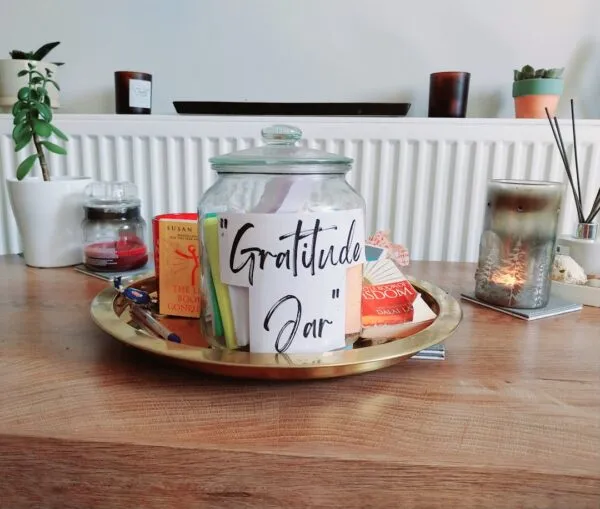
One of the most effective and scientifically supported methods for cultivating gratitude is through journaling. Dedicate a few minutes each day to write down specific things you are grateful for. This could be as simple as a warm cup of coffee, a supportive friend, or a moment of quiet reflection. The act of writing engages your cognitive processes and helps solidify these positive thoughts.
Expressing Gratitude: The Gift of Saying Thank You
Don't just keep your gratitude to yourself. Expressing your appreciation to others can amplify its benefits for both you and the recipient. This could be a verbal thank you, a handwritten note, or a small gesture of kindness. The act of acknowledging someone's positive impact on you reinforces their value and strengthens your social bonds. Remember, genuine expressions are key.
Mindful Appreciation: Savoring the Small Moments
Practice mindfulness by intentionally noticing and savoring the good things in your life, no matter how small. This could be the taste of your food, the beauty of nature, or a moment of connection with another person. By actively paying attention to these positive experiences, you are training your brain to recognize and appreciate them.
Reflecting on Challenges: Finding the Silver Lining
While it may seem counterintuitive, gratitude can even be cultivated in the face of adversity. Reflect on the lessons learned from difficult experiences, the support you received, or the inner strength you discovered. This doesn't mean minimizing the hardship, but rather finding elements to be grateful for within the context of the challenge. This practice is a testament to the brain's flexibility and its capacity to find positivity even in trying times.
By consistently practicing gratitude, you are not just improving your mood; you are actively and scientifically re-engineering the very pathways of your brain, building a more positive, resilient, and healthier you. You are the architect of your own neural landscape, and gratitude is one of your most powerful construction tools.
FAQs
What does it mean that gratitude rewires neural pathways?
Gratitude rewiring neural pathways refers to the brain's ability to form new connections and strengthen existing ones when a person regularly practices gratitude. This process can enhance positive emotions and improve overall mental well-being by altering how the brain responds to experiences.
How does practicing gratitude affect the brain?
Practicing gratitude activates brain regions associated with reward, motivation, and emotional regulation, such as the prefrontal cortex and the anterior cingulate cortex. Over time, this can lead to increased neural connectivity and more efficient processing of positive emotions.
Can gratitude practice improve mental health?
Yes, regular gratitude practice has been shown to reduce symptoms of depression and anxiety, increase feelings of happiness, and improve resilience. These benefits are linked to changes in neural pathways that promote positive thinking and emotional balance.
How long does it take for gratitude to rewire the brain?
The time frame varies among individuals, but research suggests that consistent gratitude practice over several weeks to months can lead to measurable changes in brain structure and function.
What are common ways to practice gratitude to support neural rewiring?
Common methods include keeping a gratitude journal, writing thank-you notes, reflecting on positive experiences, and expressing appreciation to others. These activities help reinforce positive neural pathways associated with gratitude.