You might find yourself in a state of perpetual alert, a low hum of anxiety a constant companion. When stressors pile up, your body can default to a primitive survival mode, often referred to as the "fight-or-flight" response. This ancient mechanism, expertly designed to mobilize you in the face of immediate danger, can become maladaptive when triggered by the chronic pressures of modern life, such as work deadlines, financial worries, or interpersonal conflicts. Your heart rate accelerates, your breathing quickens, and your muscles tense, all in preparation for an imagined or actual confrontation or escape. While necessary for acute threats, a persistent activation of this system can be detrimental to your physical and mental well-being. Fortunately, there are pathways to disengage from this state. One increasingly recognized and scientifically supported method is the deliberate cultivation of gratitude. It serves as a powerful counterbalance, guiding your physiological and psychological systems away from the precipice of distress and toward a state of equilibrium.
The fight-or-flight response is primarily orchestrated by the amygdala, the brain's alarm system. When perceived threats arise, the amygdala floods your system with stress hormones, initiating the cascade of physiological changes. However, gratitude exercises have a demonstrable impact on this delicate neural architecture. You are, in essence, actively engaging a different part of your brain, one that fosters a more measured and regulated experience.
Shifting the Neural Spotlight: From Amygdala to Prefrontal Cortex
Your brain is not a static entity; it is a dynamic network capable of adaptation and change, a principle known as neuroplasticity. When you consistently engage in practices that evoke gratitude, you are not merely altering your mood; you are fundamentally shifting the patterns of neural activity. The amygdala, responsible for processing fear and initiating the fight-or-flight sequence, becomes less dominant. Simultaneously, the prefrontal cortex, the region responsible for higher-level cognitive functions, including emotional regulation, decision-making, and impulse control, becomes more engaged. This shift is akin to turning down the volume on a blaring siren and amplifying the signal of a rational dispatcher. The amygdala, when overactive, acts like a faulty smoke detector, constantly triggering alarms even in the absence of true danger. Gratitude practice helps to recalibrate this detector, teaching it to distinguish between genuine threats and the everyday challenges that do not necessitate a full-blown emergency response. Your conscious focus on what you appreciate begins to build new neural pathways, weakening the established routes that lead to chronic stress activation.
The Amygdala's Role in Threat Detection
To understand the shift, consider the amygdala's primary function. It is a highly efficient threat-detection system. Its evolutionarily advantageous role was to identify and respond to immediate dangers, such as predators or physical harm. In response to a perceived threat, the amygdala signals the hypothalamus, which in turn activates the sympathetic nervous system. This triggers the release of adrenaline and cortisol, hormones that prepare your body for action. While crucial for survival in ancestral environments, this system can be triggered by modern stressors that are not life-threatening but feel overwhelming nonetheless. A looming deadline, for example, can activate your amygdala as if you were facing a saber-toothed tiger, even though the consequences are far less dire. Acknowledging what you are thankful for intercepts this automatic response at its neurological root, offering a gentler, more adaptive appraisal of your situation.
The Prefrontal Cortex's Executive Functions
In contrast, the prefrontal cortex is the seat of executive functions. It allows you to pause, reflect, and make reasoned judgments. When the prefrontal cortex is actively engaged, you are better equipped to manage your emotions, plan for the future, and engage in complex problem-solving. Gratitude practice provides the prefrontal cortex with a positive focus, a directive that steers your cognitive resources away from rumination on problems and towards an appreciation of existing resources and positive experiences. This actively rewires your brain to favor calm, rational processing over impulsive, fear-driven reactions. It's like training a muscle: the more you use the prefrontal cortex for emotional regulation, the stronger it becomes, and the more readily it can override the amygdala's alarm signals.
The Hormonal Counterbalance: Dissolving Stress
The fight-or-flight response is intrinsically linked to the release of stress hormones, predominantly cortisol. While short bursts of cortisol can be beneficial, prolonged elevation due to chronic stress can wreak havoc on your body. Gratitude acts as a potent regulator of these hormonal surges.
Cortisol Reduction: A Physiological Detoxification
Imagine your body as a finely tuned orchestra, and cortisol as a drumbeat that, when played too loudly and too long, drowns out all other instruments. Chronically elevated cortisol levels are associated with a range of health problems, including weakened immune function, digestive issues, weight gain, and impaired cognitive abilities. Studies have shown that a consistent practice of gratitude can lead to a significant reduction in cortisol levels, with some research indicating a decrease of up to 23%. This is more than just a subjective feeling of reduced stress; it is a measurable physiological change. By consciously focusing on the good in your life, you are signaling to your endocrine system that the perceived threats are not as severe, prompting a decrease in cortisol production. This hormonal detoxification is essential for restoring your body's balance and promoting long-term health. It's like cleaning the pipes of your internal plumbing; by reducing the corrosive acidity of excess cortisol, you allow essential bodily functions to operate smoothly and efficiently.
The Sympathetic vs. Parasympathetic Nervous System
Your autonomic nervous system operates on a dual principle: the sympathetic nervous system, responsible for the fight-or-flight response, and the parasympathetic nervous system, which governs the "rest and repair" functions. When you are in fight-or-flight mode, your sympathetic system is on high alert, diverting energy away from digestion and other non-essential functions to prepare for immediate action. Gratitude practice acts as a powerful switch, activating your parasympathetic nervous system. This initiates a host of beneficial processes, including a slowing of the heart rate, a deepening of the breath, and a relaxation of muscle tension. It allows your body to shift from a state of high alert to one of recovery and rejuvenation. Think of it as moving from a sprint to a gentle stroll; the energy expenditure is different, and the physiological outcomes are vastly improved for sustained well-being.
Restoring Homeostasis
The ultimate goal of this shift is to restore homeostasis, the body's natural state of balance. When the sympathetic nervous system is constantly engaged, this delicate balance is disrupted. The parasympathetic nervous system, activated by gratitude, works to counteract these effects, bringing your heart rate, blood pressure, and other physiological markers back to their optimal levels. This is crucial for maintaining a robust immune system, ensuring adequate sleep, and promoting overall cellular health. The absence of chronic stress allows your body to dedicate energy to its vital maintenance and repair processes, preventing the cellular wear and tear associated with prolonged fight-or-flight states.
The Neurochemical Symphony: Releasing Mood-Enhancing Compounds
Beyond the hormonal shifts, gratitude also influences the release of key neurotransmitters that play a critical role in mood, well-being, and resilience. These neurochemicals act as the brain's internal pharmacy, providing natural remedies for stress and anxiety.
Dopamine and Serotonin: The Feel-Good Neurotransmitters
When you experience gratitude, your brain releases dopamine and serotonin, neurotransmitters often associated with pleasure, reward, and mood regulation. Dopamine is linked to motivation and the anticipation of reward, while serotonin contributes to feelings of well-being and happiness. By focusing on the positive aspects of your life, you are essentially providing your brain with incentives that trigger the release of these feel-good chemicals. This creates a positive feedback loop: the more you practice gratitude, the more of these mood-boosting neurotransmitters are released, making you feel better and more inclined to continue the practice. It's like planting seeds that sprout into a garden of contentment, offering a natural antidote to the barren landscape of chronic stress. These neurotransmitters can counteract the draining effects of prolonged stress, helping you to feel more energized and optimistic.
Oxytocin: The Bonding and Trust Hormone
Gratitude is also associated with the release of oxytocin, a hormone often referred to as the "love hormone" or "bonding hormone." Oxytocin plays a vital role in social connection, trust, and feelings of safety. When you express gratitude to others, or even reflect on the support you have received, you can trigger oxytocin release. This not only strengthens your social bonds but also promotes a sense of calm and security, further counteracting the isolation and anxiety often associated with fight-or-flight states. It fosters a sense of belonging and interconnectedness, reminding you that you are not alone in facing challenges. This hormone is a powerful builder of bridges, both between individuals and within your own internal sense of safety.
Quieting the Stress Response
The combined effect of these neurotransmitter releases is a powerful quieting of the chronic fight-or-flight state. Instead of your brain being constantly on high alert, scanning for threats, these neurochemical shifts promote a sense of safety, contentment, and increased resilience. This allows you to approach challenges with a clearer head and a more stable emotional foundation, rather than reactivity. The neurotransmitters act as a soothing balm, reducing the hypervigilance and tension that characterize prolonged stress.
Cognitive Reframing: Redirecting Your Mental Focus
The way you perceive and interpret events significantly influences your physiological and emotional responses. Gratitude offers a powerful tool for cognitive reframing, shifting your attention away from perceived threats and towards the positive elements of your experience.
From Problems to Possibilities
When you are caught in the grip of fight-or-flight, your cognitive landscape can become dominated by threats and problems. Your attention narrows, and you may struggle to see solutions or potential positive outcomes. Gratitude practice actively redirects your mental focus. It encourages you to look for the silver lining, to acknowledge what is working well, and to appreciate the resources and support you have. This shift in perspective can be profound. Instead of seeing a difficult situation as an insurmountable obstacle, you might begin to see it as an opportunity for growth or a chance to learn. This is not about denying the existence of problems, but about intentionally cultivating an awareness of the positive aspects that co-exist with them. It is like learning to see the forest, even when you are standing in the midst of a few thorny bushes. This redirection of attention can reduce the cognitive load associated with constant worry and anxiety, freeing up mental energy for more constructive thinking.
Reducing Anxiety and Rumination
Anxiety and rumination are hallmarks of a prolonged fight-or-flight response. When your mind is constantly replaying negative scenarios or dwelling on perceived threats, it reinforces the stress cycle. Gratitude acts as an interruption to this cycle. By consciously choosing to focus on what you are thankful for, you pull yourself out of the spiral of negative thoughts. This conscious redirection can be challenging at first, akin to learning a new habit, but the more you practice it, the more automatic it becomes. The reduction in anxiety is not just a subjective feeling; it is directly linked to the reduced physiological arousal associated with less rumination.
Enhancing Resilience
The ability to bounce back from adversity, known as resilience, is significantly boosted by a gratitude practice. When your focus is consistently on appreciation, you build a reservoir of positive experiences and a stronger belief in your ability to cope with challenges. This mental fortitude enables you to navigate difficult times with greater strength and less emotional distress. You are less likely to be overwhelmed by setbacks because you have cultivated a broader perspective that includes the positives, even amidst the negatives. Gratitude builds a sort of emotional scaffolding, supporting you when the winds of adversity blow.
Practical Application: Cultivating Gratitude in Daily Life
The benefits of gratitude are not merely theoretical; they are achievable through consistent, practical application. Integrating gratitude into your daily routine can significantly shift your response to stress.
The Gratitude Journal: A Daily Practice
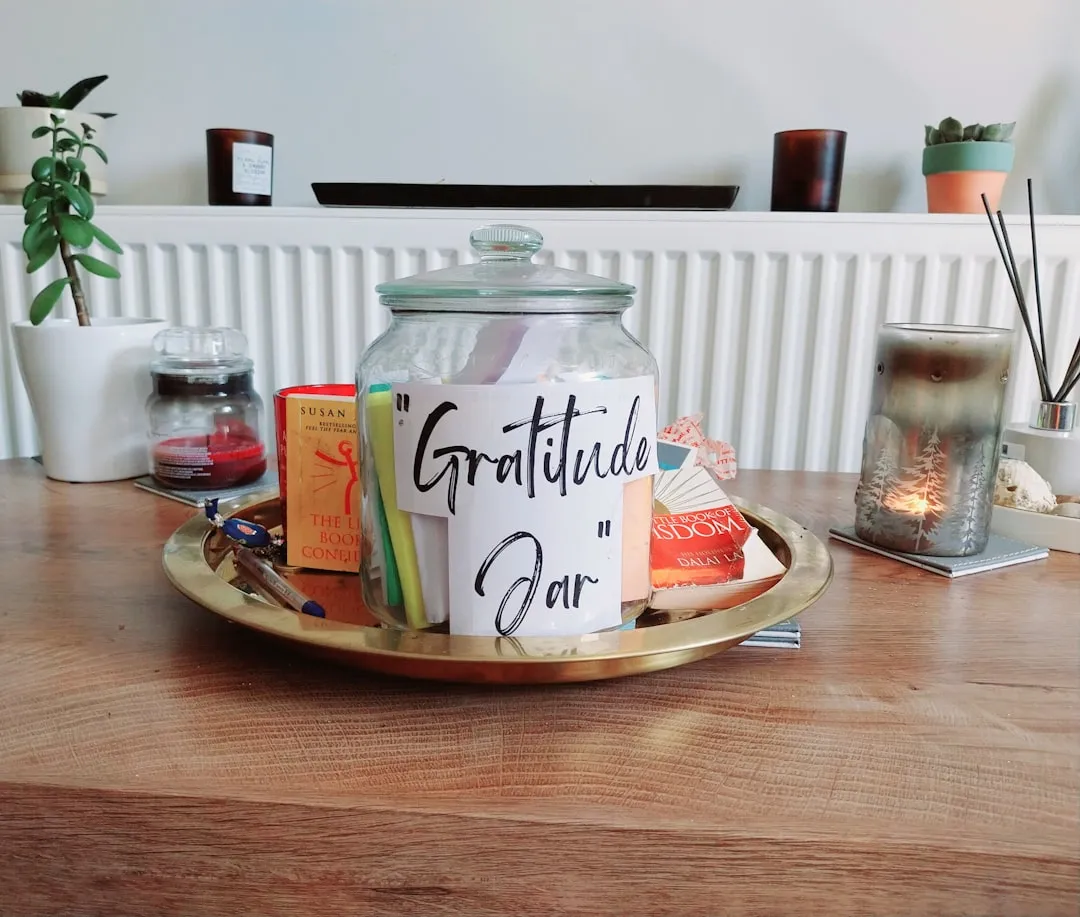
One of the most effective methods for cultivating gratitude is through journaling. Dedicate a few minutes each day, perhaps in the morning or evening, to write down three to five things you are grateful for. These can be grand gestures or simple everyday occurrences. The act of writing them down solidifies the experience and reinforces the neurological pathways associated with gratitude. Consistency is key here; a sporadic effort will yield less pronounced results than a daily commitment. Think of your gratitude journal as a garden where you are consistently planting seeds of positivity.
Expressing Gratitude to Others
Verbalizing or writing expressions of gratitude to others is another powerful practice. When you thank someone sincerely, you not only strengthen your relationships but also reinforce your own feelings of appreciation. This can be a simple text message, an email, or a verbal acknowledgment. The act of acknowledging the positive contributions of others to your life further anchors your own sense of well-being and belonging, actively engaging social pathways that counter the isolation of stress. Sharing your gratitude amplifies its effect, creating a ripple of positivity.
Mindful Appreciation of Everyday Moments
Gratitude does not require grand events. It can be found in the simple pleasures of daily life: the warmth of a cup of tea, the beauty of a sunset, the comfort of a cozy blanket, or the taste of a delicious meal. Practice mindfulness by intentionally paying attention to these moments and consciously appreciating them. This cultivated awareness hones your ability to notice and savor the positives, even in the midst of demanding circumstances. It's about developing a richer sensory awareness of the good that surrounds you, making you less susceptible to being consumed by negativity. This practice helps you to find pockets of peace and joy that can sustain you through more challenging times.
By consciously choosing to cultivate gratitude, you are not simply engaging in a feel-good activity; you are actively engaging in a powerful, scientifically supported strategy to disengage from the detrimental effects of the fight-or-flight response. You are rewiring your brain, rebalancing your hormones, and reframing your cognitive landscape, paving the way for a more resilient, calmer, and healthier you. This transformative practice offers a pathway to a more balanced and fulfilling experience of life, one moment of appreciation at a time.
FAQs
What is the fight or flight response?
The fight or flight response is a physiological reaction that occurs in response to a perceived harmful event, attack, or threat to survival. It triggers the release of stress hormones like adrenaline and cortisol, preparing the body to either confront or flee from the danger.
How does gratitude influence the nervous system?
Gratitude activates the parasympathetic nervous system, which promotes relaxation and calmness. By focusing on positive aspects and appreciation, gratitude can reduce the activation of the sympathetic nervous system responsible for the fight or flight response.
Can practicing gratitude reduce stress levels?
Yes, regularly practicing gratitude has been shown to lower stress levels by decreasing cortisol production and enhancing emotional regulation. This helps individuals shift out of a heightened state of alertness associated with fight or flight.
What are some ways to practice gratitude to help manage stress?
Common methods include keeping a gratitude journal, expressing thanks to others, reflecting on positive experiences, and mindfulness exercises focused on appreciation. These practices can help reframe thoughts and reduce the intensity of stress responses.
Is gratitude effective for everyone in shifting out of fight or flight?
While gratitude is beneficial for many people, its effectiveness can vary depending on individual circumstances and mental health conditions. It is often most effective when combined with other stress management techniques and professional support if needed.