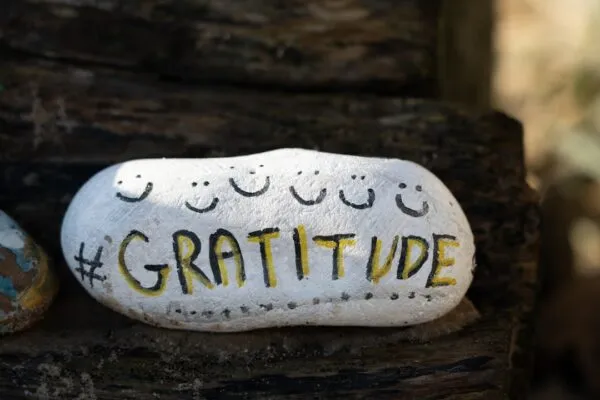
It is a peculiar paradox that we often find ourselves needing gratitude the most precisely when it feels the most elusive. When the weight of life presses down, and the shadows of hardship lengthen, the very practice that could potentially offer solace and perspective seems to recede, becoming a distant, almost unattainable ideal. We understand, intellectually, that gratitude is beneficial; we read the studies, hear the testimonials, and acknowledge its capacity for positive change. Yet, when confronted with significant challenges – the jagged edges of heartbreak, the gnawing anxieties of financial insecurity, or the pervasive weariness of burnout – the wellspring of thankfulness appears to run dry. This article aims to explore why this disconnect exists, examining the psychological and emotional barriers that arise during difficult periods, and how we might navigate these complexities to cultivate a more authentic and resilient practice of gratitude, even in our darkest hours.
When we face adversity, our cognitive systems often become intensely focused on the problem at hand. This is a survival mechanism, prioritizing threat detection and problem-solving. In such states, expressing gratitude can feel like a cognitive dissonance, a jarring mismatch between our internal experience of suffering and the outward expression of thankfulness.
The "Why Bother?" Phenomenon
During times of significant distress, the immediate needs and perceived injustices can overshadow any inclination towards appreciating what we have. The question "Why should I be grateful when things are this bad?" becomes a prevalent internal monologue. This is not an inherent resistance to gratitude itself, but rather a natural consequence of our minds being preoccupied with alleviating present pain. The immediate, acute suffering demands our attention, making it difficult to allocate mental resources to sentiments that seem disconnected from our most pressing realities. It’s like trying to appreciate a sunset while your house is on fire; the immediate crisis supersedes the aesthetic experience.
The Illusion of Perfectionism
Another significant hurdle is the implicit expectation that gratitude requires a life devoid of imperfections. The YouTube talk from 2026 highlights this by pointing out how the fast pace of modern life can exacerbate this, leading us to believe that we can only feel "true gratitude" when everything is perfectly aligned. This is a misinterpretation. Gratitude is not about denying difficulties or pretending that life is uniformly positive. It is about acknowledging the good that coexists with the bad, the light that can be found even in the deepest shadows. The resistance to gratitude during hard times often stems from this misplaced belief that our circumstances must be ideal for thankfulness to be valid.
In exploring the complexities of gratitude, especially during challenging times, it is interesting to consider how our work environments can influence our emotional states. A related article, "The Ultimate Guide to Working from Home," delves into the impact of remote work on mental well-being and offers strategies to cultivate a positive mindset. You can read more about it here: The Ultimate Guide to Working from Home. This resource complements the discussion on why gratitude can feel hardest when we need it most, particularly in the context of the isolation that can accompany remote work.
The Emotional Barricades to Thankfulness
Beyond cognitive barriers, our emotional landscape during hardship presents formidable obstacles to cultivating gratitude. Emotions like anger, sadness, and fear can act as powerful barricades, making it difficult for feelings of appreciation to penetrate.
The Pressure to "Just Be Grateful"
There exists a societal and sometimes personal pressure to simply "be grateful" in the face of adversity. This can manifest as a form of toxic positivity, as cautioned by Judy Wilkins-Smith's guide. When we are urged to feel gratitude without acknowledging the emotional validity of our pain, it can lead to suppression rather than genuine integration. Forcing gratitude bypasses the necessary process of emotional processing. This essay from Grateful.org warns specifically of this "dark side" of gratitude, where such forced practice can compound feelings of failure and hopelessness because it invalidates our authentic emotional experience. It’s akin to trying to build a sturdy house on a foundation of unacknowledged quicksand; the structure will inevitably falter.
The Weight of Unprocessed Pain
When we are experiencing profound sadness, heartbreak, or a sense of loss, these emotions demand to be felt and processed. Attempting to layer gratitude over raw, unaddressed pain is often an exercise in futility. The Miracle Morning Podcast alluded to this in a recent episode, where personal stories illustrated the difficulty of shifting from resistance to acceptance. True gratitude arises not from the denial of pain, but from its eventual processing and integration. Until we allow ourselves to feel the depth of our negative emotions, we cannot genuinely make space for positive ones like thankfulness.
The Power of Gratitude When It Feels Impossible
Despite these challenges, the very reasons gratitude feels hardest during tough times are precisely why it is most powerful then. It is in these moments that its transformative potential is most keenly felt.
A Counterbalance to Despair
When life feels overwhelming, a sense of despair can take root. Gratitude acts as a powerful counterbalance. It is not about minimizing the hardship, but about finding anchors of positivity that can prevent us from being entirely submerged. Patheos Blog's piece from February 2026 suggests that gratitude thrives "through suffering via God's grace," indicating its role as a sustainer of joy and faith even when circumstances are difficult, not by avoiding the hardship but by enduring it with a different perspective. This is analogous to a ship navigating a storm: gratitude is not the absence of waves, but the sturdy rudder that helps maintain a course.
Rewiring the Brain for Resilience
The American Brain Foundation highlights the neurobiological impact of gratitude. Consistent practice, even from a place of struggle, can literally rewire our brains. Gratitude has been shown to reduce stress reactivity in the amygdala, the brain's alarm center. This means that over time, engaging in gratitude while experiencing stress can lead to calmer responses, enabling us to navigate challenging situations with greater equanimity. It is like training a muscle; the more we use it, the stronger and more responsive it becomes, even under strain.
Strategies for Cultivating Gratitude Amidst Hardship
Acknowledging the difficulty does not mean surrendering to it. Several strategies can help us cultivate gratitude, even when it feels like an uphill battle.
Shifting from Thinking to Feeling
Judy Wilkins-Smith's guide emphasizes the importance of focusing on feeling gratitude, not just thinking about it. When dealing with depression or a negative mindset, intellectualizing gratitude can be insufficient. We need to tap into the embodied experience of thankfulness. This might involve identifying physical sensations associated with appreciation – a warmth in the chest, a softening of the shoulders, a sense of openness. Focusing on these felt sensations can be more effective in lifting our spirits than merely listing things we "should" be grateful for.
The Three-Step Process of Acceptance
The Miracle Morning Podcast episode shared a practical three-step journaling process designed to move individuals from resistance to acceptance. While the specifics of the process are not detailed here, the underlying principle suggests a structured approach to confronting our resistance and gently guiding ourselves towards a more receptive state for gratitude. This could involve first acknowledging what is difficult, then identifying any small positive elements amidst the struggle, and finally, consciously choosing to focus on those positives without judgment.
Incorporating Small, Intentional Moments
The YouTube talk from 2026 suggests slowing down and creating intention to overcome resistance. This doesn't require grand gestures or prolonged meditation sessions, especially when time and energy are scarce. It’s about weaving small, intentional moments of gratitude into the fabric of our day. This could be as simple as taking three deep breaths and noticing something, anything, that is not actively causing suffering in that precise moment. It’s about actively looking for slivers of light, rather than waiting for the sun to fully break through.
In exploring the complexities of gratitude, it is interesting to consider how our emotional states can impact our ability to appreciate the positive aspects of life. A related article discusses the challenges of finding gratitude during tough times and offers insights on how to cultivate a grateful mindset even when it feels difficult. You can read more about this in the article titled "A Black Old Bike Parked Beside a White Wall" found here. This perspective can help illuminate why gratitude often feels hardest when we need it the most.
Redefining Gratitude: Authenticity Over Perfection
Ultimately, the path to cultivating gratitude when it feels hardest involves redefining what it means. It is not about a flawless, unburdened existence, but about an authentic engagement with life’s full spectrum.
Acknowledging the "Good Enough"
The key to overcoming the "life isn't perfect" barrier is to embrace the "good enough." Life will always have imperfections. True gratitude acknowledges the imperfections while still finding value in what is positive. It’s about recognizing that "good enough" is not a lesser form of appreciation; it is a realistic and sustainable form. We can be grateful for a moment of peace, a kind word, or the simple fact that we are still here, even amidst significant challenges. This is not a compromise on our feelings, but an expansion of our capacity to feel.
Processing Emotions First for Authentic Practice
As the Grateful.org essay clearly articulates, the most authentic practice of gratitude arises only after we have allowed ourselves to process our emotions. This means giving ourselves permission to feel the pain, the anger, the sadness, without judgment. Once these emotions have been acknowledged and, to some extent, processed, the space for gratitude opens up naturally. It’s like clearing the debris after a storm; only then can we see the potential for rebuilding and appreciating the surviving structures. Forcing gratitude before this emotional clearing is like trying to replant a garden before churning the soil.
In conclusion, the difficulty we experience in feeling gratitude during challenging times is a natural, albeit frustrating, human response. Our minds and emotions are understandably preoccupied with survival and alleviating pain. However, understanding these barriers is the first step towards dismantling them. By reframing our expectations, focusing on embodied feelings, employing intentional practices, and prioritizing emotional processing, we can begin to cultivate a more resilient and authentic gratitude. It is a practice that, when embraced not as a denial of hardship but as a tool for navigating it, offers profound strength, perspective, and ultimately, a deeper connection to ourselves and the world around us, even when the world feels overwhelmingly difficult.
FAQs
What is gratitude and why is it important?
Gratitude is the practice of recognizing and appreciating the positive aspects of life. It is important because it can improve mental well-being, increase happiness, and strengthen relationships.
Why does gratitude feel hardest when you need it most?
Gratitude can feel hardest during challenging times because negative emotions like stress, sadness, or anxiety can overshadow positive feelings. When facing difficulties, it may be harder to focus on what is going well or to appreciate small blessings.
How can practicing gratitude benefit mental health?
Practicing gratitude has been shown to reduce symptoms of depression and anxiety, increase resilience, and promote a more positive outlook on life. It helps shift attention away from negative thoughts and fosters emotional balance.
What are some effective ways to cultivate gratitude during tough times?
Effective methods include keeping a gratitude journal, reflecting daily on things you are thankful for, expressing appreciation to others, and mindfulness practices that focus on present-moment awareness.
Can gratitude be learned or developed over time?
Yes, gratitude is a skill that can be developed with regular practice. Consistently focusing on positive experiences and acknowledging what you are thankful for can strengthen the habit of gratitude, even during difficult periods.