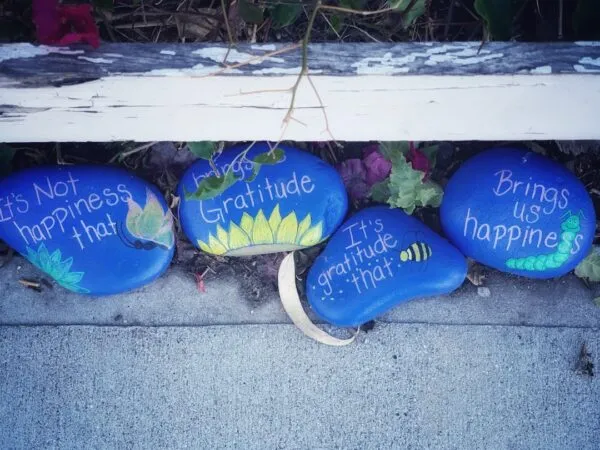
We often encounter discussions about gratitude, usually framing it as something we must actively cultivate, a deliberate effort akin to rigorous training. The prevailing narrative suggests that gratitude is a discipline, a muscle we need to flex through consistent, sometimes demanding, practice. However, we contend that this perspective, while holding some truth, overlooks a more fundamental and often underestimated aspect of gratitude: its inherent gentleness. We propose that gratitude, at its core, is a gentle practice, a natural unfolding rather than a forced regimen.
The common understanding of gratitude often aligns with the concept of a discipline. This perspective emphasizes the intentionality and effort required to acknowledge and appreciate the positive aspects of our lives, particularly in the face of adversity. Sources frequently describe gratitude as a practice that demands commitment and consistent application, much like adhering to a strict routine or undertaking a demanding training program.
Gratitude as a Strength-Building Exercise
We see this framing prominently in discussions surrounding gratitude’s role in building resilience and character.
- The "Strong Men" Analogy: Some sources, particularly in contexts like Thanksgiving, explicitly refer to gratitude as a "discipline strong men practice." This metaphor suggests that actively choosing to be grateful, especially during challenging times, is an act of will and a demonstration of inner strength. It implies a conscious decision to engage with difficult circumstances by actively seeking out and acknowledging the good. This perspective views the act of being grateful not as a passive feeling, but as an active choice, a deliberate stepping forward when perhaps our inclination is to retreat. It’s about taking intentional steps, much like a runner trains for a marathon, not by accident but through dedicated effort.
The Daily Cultivation of Thankfulness
The need for daily engagement is another cornerstone of the discipline-oriented approach.
- Intentional Noticing and Expression: Experts suggest that it requires "discipline" to notice and express thanks on a daily basis. This implies a proactive effort to scan our environment and our experiences for elements worthy of appreciation. It’s not enough to simply wait for overwhelming joy; the discipline lies in the everyday acts of observation and articulation. This can involve a conscious effort to pause during our busy schedules, to actively look for the small kindnesses, the moments of comfort, or the simple presence of things we might otherwise take for granted. This daily regimentation is presented as a key to embedding gratitude into our lives.
Gratitude as a Spiritual Discipline
In certain spiritual traditions, gratitude is explicitly categorized as a spiritual practice.
- A Pattern of Daily Devotion: This perspective views gratitude as a "spiritual discipline" that necessitates daily practice. The emphasis is on establishing a consistent pattern, beginning with small, manageable steps. This approach suggests that, like prayer or meditation, gratitude benefits from regularity and a conscious commitment to its observance. It’s about weaving it into the fabric of our existence, not as an occasional event, but as a recurring ritual, a quiet, personal devotion. This routine is believed to strengthen our connection to the divine or to a larger sense of purpose, fostering a deeper appreciation for life’s blessings.
In exploring the concept of gratitude as a gentle practice rather than a strict discipline, it's interesting to consider how our environment influences our mindset. A related article that delves into the importance of creating a nurturing space for gratitude is available at this link: White and Brown Wooden Chairs Near Table. This piece highlights how our surroundings can enhance our ability to cultivate gratitude, making it a more natural and fulfilling experience.
The Gentle Unfolding of Appreciation
While the discipline-centric view highlights the valuable aspects of intentionality, we believe it sometimes overshadows the inherent gentleness of gratitude. Gratitude is not always a strenuous effort; often, it is a natural response, a quiet awakening that softens our hearts and encourages us to embrace the present moment.
Gratitude as a Softening of the Heart
There are perspectives that describe gratitude with a gentler tone, emphasizing its effect on our inner state.
- An Awakening, Not an Assignment: One description likens gratitude to a "quiet awakening, a softening of the heart." This imagery suggests a less forceful process, more akin to a flower unfurling in the sun than a soldier undergoing rigorous training. It implies a natural response to goodness, a gentle yielding to positive experiences. This is not about forcing ourselves to feel thankful, but allowing thankfulness to arise organically as we become more attuned to the subtle beauty and moments of grace that surround us. It's about creating the conditions for gratitude to emerge, rather than demanding its presence.
Embracing Imperfection with Open Hands
The gentle nature of gratitude is also evident in its capacity to help us accept things as they are.
- Receiving Without Condition: This perspective is implicitly conveyed through gestures like "open hands" and "embracing imperfections." Instead of a rigid adherence to a set of rules demanding specific outcomes, it suggests a more receptive stance. Gratitude, in this light, is about acknowledging what is, without the pressure of needing to fix or force change. It's about receiving the good, the challenging, and the mundane with a sense of acceptance and appreciation for the totality of our experience. This is a practice of allowing, not of controlling, a gentle acceptance of the ebb and flow of life.
The Natural Tendency Towards Appreciation
We believe that humans possess an innate capacity for appreciation that can be nurtured rather than coerced.
- A Seed Waiting to Sprout: Imagine gratitude as a seed that is already within us. The elements that foster a "gentle practice" are the sunlight, water, and fertile soil that allow this seed to sprout and grow naturally. External pressure or the idea of a relentless "discipline" can sometimes feel like trying to force the seed to grow before it’s ready. Instead, by creating an environment of awareness and gentle observation, we allow the natural tendency towards appreciation to flourish. This doesn't eliminate the need for consistent attention, but it reframes the how of that attention. It’s about tending the garden, not breaking ground with a plow.
The Nuance: Where Gentle Practice Meets Intentionality
It’s not a matter of discarding the idea of deliberate action entirely, but rather of understanding that this action can be gentle, supportive, and empowering, rather than demanding or punitive. The true essence of gratitude lies in finding this balance.
The Gentle Act of Noticing
The foundation of any practice, gentle or disciplined, is the ability to observe.
- Cultivating Awareness, Not Obligation: A gentle practice of gratitude begins with consciously cultivating awareness. This is not about forcing ourselves to find something to be thankful for in every moment, but about gently training our perception to notice the good that often goes unseen. It's like learning to spot birds in a forest; at first, you might miss them, but with gentle focus, you begin to discern their movements and calls. This awareness is the fertile ground upon which gratitude can grow without feeling like an imposed task. We are not tasked with creating blessings, but with recognizing them.
The Softening of Perspective
Gratitude has a profound impact on how we view ourselves and our circumstances.
- Shifting the Lens of Perception: When we intentionally cultivate gratitude, even in small doses, it act as a lens that subtly shifts our perspective. Instead of focusing solely on what is lacking or what is wrong, we begin to see what is present and what is good. This shift doesn't negate challenges, but it reframes our relationship with them. It's like adjusting the focus on a camera; suddenly, the background noise fades, and the subject of appreciation comes into sharper relief. This is a gentle evolution of our internal dialogue.
Gratitude as an Organic Response
In many instances, gratitude arises spontaneously as a natural reaction to positive experiences.
- The Echo of Kindness: Think of the immediate feeling of warmth and appreciation when someone performs a thoughtful act for you. This is not a disciplined response; it is an organic reaction, an immediate recognition of value. A gentle practice seeks to foster an environment where these organic responses are more readily felt and acknowledged. It’s about not letting these natural inclinations be buried under the weight of perceived obligation. It’s allowing the echo of kindness to resonate.
Moving Beyond the "Discipline" Paradigm
The persistent framing of gratitude as a discipline can inadvertently create a sense of pressure, potentially leading to guilt or self-criticism when we fall short of an imagined ideal. We advocate for an approach that acknowledges the real work involved but emphasizes its gentle nature.
The Risk of Rigidity
When gratitude is solely viewed as a discipline, it can become rigid and performative.
- The Checklist Mentality: A disciplined approach might lead to a "checklist mentality," where the focus is on ticking off requirements rather than on the authentic experience of appreciation. This can make gratitude feel like a chore, diminishing its inherent value and impact. We might find ourselves going through the motions, fulfilling the "discipline" without genuinely feeling the warmth of thankfulness. This approach can become a performance rather than a heartfelt expression.
The Power of Imperfect Practice
True gratitude, we argue, embraces imperfection.
- Accepting Our Humanity: A gentle practice acknowledges that we are human and will have days where feeling thankful is more challenging. Instead of demanding constant positivity, it encourages self-compassion. It’s about returning to the practice, however imperfectly, with open hands and a forgiving heart. This is not a failure of discipline, but an act of profound self-awareness and kindness. It’s understanding that the path is not always straight, and that self-compassion is a vital part of the journey.
The Natural Inclination to Connect
Our innate social nature often drives us towards appreciation.
- The Social Fabric of Gratitude: Humans are social beings, and expressions of gratitude are fundamental to building and maintaining relationships. This inclination arises organically as a response to connection and shared experiences. A gentle practice allows this natural tendency to flourish, fostering stronger social bonds and a deeper sense of community. It’s about recognizing that this innate drive towards appreciation is a gift, not a burden.
In exploring the gentle nature of gratitude as a practice rather than a strict discipline, it's interesting to consider how this mindset can enhance our daily routines, especially in the context of remote work. A related article discusses the benefits of maintaining a positive outlook while working from home, emphasizing the importance of gratitude in creating a balanced and fulfilling work environment. You can read more about this perspective in the article The Ultimate Guide to Working from Home, which highlights practical strategies for integrating gratitude into your daily life.
The Gentle Nurturing of Gratitude
Rather than viewing gratitude as a task to be conquered, we can approach it as a garden to be tended with care and patience. This subtle shift in perspective can unlock a deeper and more sustainable appreciation for life.
The Art of Gentle Observation
The first step in nurturing gratitude is to develop the skill of gentle observation.
- Seeing with Fresh Eyes: This involves consciously choosing to look at our surroundings and experiences with a fresh perspective, as if seeing them for the first time. It's not about forced positivity, but about a willingness to notice the often-overlooked details that contribute to our well-being. This could be the warmth of the sun on our skin, the comfort of a familiar routine, or the quiet presence of a loved one. This observational skill, when practiced gently, cultivates a fertile ground for appreciation.
The Slow Bloom of Appreciation
Appreciation, like a flower, often unfolds gradually.
- Allowing the Feeling to Arise: A gentle practice acknowledges that deep appreciation may not always be an immediate or overwhelming emotion. Instead, it allows the feeling to arise organically, to bloom in its own time. This means being patient with ourselves, not pressuring ourselves to feel a certain way. It's about creating the conditions for gratitude to emerge, rather than demanding its presence. This patience is itself an act of gentle nurturing.
Gratitude as a Way of Being
Ultimately, gratitude can become an integrated part of our existence.
- Embracing the Present Moment: When practiced gently, gratitude transforms from an action into a way of being. It becomes a natural inclination to acknowledge the good, to appreciate the present moment, and to approach life with a more open and thankful heart. This isn't a result of rigorous discipline, but of consistent, gentle nurturing, allowing gratitude to become an intrinsic part of our internal landscape. It becomes less of something we do and more of who we are.
FAQs
What does it mean that gratitude is a gentle practice?
Gratitude as a gentle practice means approaching thankfulness with kindness and openness rather than strict rules or obligations. It emphasizes a natural, mindful appreciation rather than a rigid discipline.
How is gratitude different from a discipline?
Gratitude differs from a discipline in that it is not about enforcing a routine or achieving a goal through effort. Instead, it is about cultivating a heartfelt awareness and appreciation that arises naturally and gently over time.
Why is it important to view gratitude as a practice rather than a task?
Viewing gratitude as a practice encourages ongoing, flexible engagement that can adapt to life’s changes. This perspective helps prevent feelings of pressure or failure and supports a more sustainable, authentic sense of thankfulness.
Can practicing gratitude improve mental well-being?
Yes, regularly practicing gratitude has been shown to enhance mental well-being by increasing positive emotions, reducing stress, and fostering a greater sense of connection and contentment.
How can someone start incorporating gratitude as a gentle practice in daily life?
To start, one can simply take moments each day to notice and appreciate small positive experiences or aspects of life without judgment or expectation. This might include keeping a gratitude journal, expressing thanks to others, or mindful reflection.