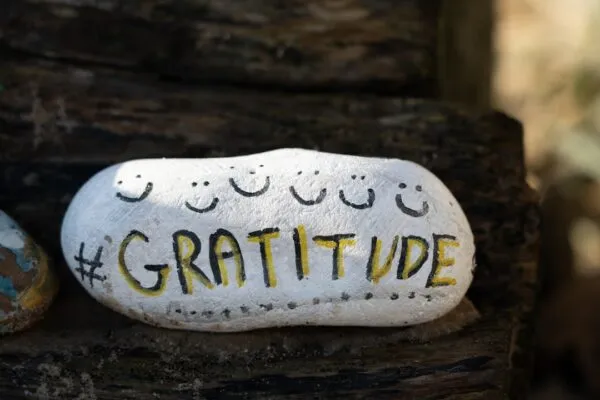
We often find ourselves navigating the currents of life, tossed by storms and becalmed by doldrums. In these moments, the concept of gratitude can emerge not as a fleeting emotion, but as a deliberate practice, a conscious effort to anchor ourselves. For us, understanding how to transform gratitude into a daily anchor involves a systematic approach, one that acknowledges its tangible benefits and offers practical pathways to its integration into our lives. This is not about an abstract, unearned happiness, but about cultivating a resilient outlook that can weather any season.
We understand that the efficacy of gratitude as a daily anchor rests on established psychological and physiological principles. It is not a passive state but an active cultivation, akin to tending a garden. This practice aims to counterbalance inherent human tendencies, such as a negativity bias, which naturally draws our attention to threats and challenges. Gratitude, when practiced consistently, acts as a powerful counterweight, recalibrating our perception towards the positive aspects of our existence.
Understanding the Psychology of Appreciation
At its core, gratitude involves recognizing and appreciating the good things in our lives, whether they are tangible or intangible. This recognition is not merely a superficial acknowledgment; it is an active engagement with the positive. We are not suggesting a forced smile in the face of adversity, but rather a conscious effort to identify sources of contentment, no matter how small.
Counteracting the Negativity Bias
Our evolutionary wiring has predisposed us to focus on what could go wrong. This "negativity bias" served us in ancestral times for survival, but in the complexities of modern life, it can lead to excessive worry and anxiety. Gratitude practice directly confronts this bias. By intentionally focusing on what is going well, we train our brains to allocate mental resources to positive stimuli, thereby reducing the dominance of negative perceptions. This is like shifting the spotlight in our minds from the shadows to the illuminated areas.
The Skill of Reciprocity and Connection
Gratitude is intrinsically linked to our social fabric. Acknowledging the contributions of others, whether it's a deliberate favor or simply their presence, fosters deeper connections. This extends beyond explicit acts of kindness to encompass the implicit support systems we often take for granted. Recognizing these connections reinforces our sense of belonging and reduces feelings of isolation.
The Neurobiological Underpinnings of Gratitude
Recent research has shed light on the tangible ways in which gratitude affects our brain chemistry and structure. This understanding moves the practice beyond mere sentiment into the realm of actionable, evidence-based interventions. We can observe that consistently practicing gratitude can, in fact, rewire our neural pathways.
Dopamine and Serotonin: The Brain's Mood Elevators
When we experience gratitude, our brains release neurotransmitters like dopamine and serotonin. Dopamine is associated with reward and pleasure, while serotonin plays a crucial role in mood regulation, sleep, and appetite. By deliberately engaging in gratitude, we can increase the levels of these vital chemicals, leading to a more stable and positive emotional state. This is akin to calibrating our internal thermostat to a more comfortable setting.
Reducing Stress Hormones and Inflammation
Chronic stress is a significant contributor to numerous health problems. Gratitude has been shown to mitigate the production of stress hormones, particularly cortisol. Lowering cortisol levels can have a cascading positive effect on our physical and mental well-being. Furthermore, studies indicate that gratitude can help reduce inflammation, a key factor in many chronic diseases.
Enhancing Cognitive Function and Resilience
The consistent practice of gratitude can also enhance our cognitive abilities. By shifting our focus, we can improve concentration and problem-solving skills. Moreover, gratitude cultivates mental resilience, the capacity to bounce back from setbacks. It allows us to approach challenges with a calmer, more resourceful mindset, rather than succumbing to overwhelm.
In exploring the theme of gratitude and its impact on daily life, a related article titled "The Brown Winter Coat is the New Style Staple" offers an intriguing perspective on how our choices in fashion can reflect our mindset and appreciation for the present moment. By embracing simple yet stylish items, we can cultivate a sense of gratitude for what we have, which aligns beautifully with the concept of gratitude serving as a daily anchor. To read more about this connection, visit the article here: The Brown Winter Coat is the New Style Staple.
Cultivating a Daily Gratitude Anchor: Practical Strategies
The transition from understanding gratitude to actively embedding it into our daily lives requires concrete strategies. These are not complex rituals, but rather accessible routines that can be adapted to individual schedules and preferences. The effectiveness of these strategies lies in their consistency, allowing them to become ingrained habits.
Establishing Gratitude Routines
The key to making gratitude an anchor is to establish consistent routines. This means integrating the practice into specific times of the day, making it as automatic as brushing our teeth. The goal is to create a reliable circuit of positive reflection that buffers us against the inevitable stresses of life.
The Morning Awakening Ritual
Upon waking, before the demands of the day fully encroach, we can dedicate a few moments to gratitude. This might involve mentally noting three things we are thankful for. These could be as simple as the comfort of our bed, the prospect of a warm cup of coffee, or the anticipation of a sunrise. This practice sets a positive tone for the hours ahead.
The Evening Reflection Practice
Similarly, before retiring for the night, a brief gratitude reflection can be highly beneficial. This involves reviewing the day and identifying three things we appreciate. This could be a conversation that went well, a task completed, or even a moment of quiet solitude. This practice helps us to disengage from the day's anxieties and promote restful sleep. As the research for 2026 highlights, starting such a daily practice in the near future can be a significant step towards improved health.
Journaling as a Gratitude Tool
For those who prefer a more tangible approach, journaling can be an effective method. Dedicating a notebook to recording daily gratitudes offers a concrete record of our positive experiences. This can be a powerful tool for reflection, especially during challenging times, allowing us to look back and see the threads of positivity that have been present all along.
Implementing "Acting As If" for Goal Attainment
Gratitude can also be a powerful tool in pursuing our aspirations. The principle of "acting as if" involves embodying the feelings and behaviors of someone who has already achieved their goals. When combined with gratitude, this practice becomes even more potent.
Visualizing Future Gratitude
We can practice gratitude for desired future outcomes as if they have already materialized. This means feeling thankful for the success we anticipate, the challenges overcome, and the lessons learned. This mental rehearsal can prime our brains for success and boost our motivation. It's like pre-emptively celebrating the arrival, which makes the journey feel more rewarding.
Appreciating the Journey, Not Just the Destination
This approach encourages us to be thankful for the steps along the way, even the difficult ones. Challenges are reframed as opportunities for growth, and setbacks are seen as valuable learning experiences. This perspective shift is crucial for sustained effort and prevents discouragement.
The Tangible Health Benefits of a Gratitude Anchor
The impact of a consistent gratitude practice extends beyond emotional well-being to encompass significant physiological benefits. The science is increasingly clear: consciously cultivating thankfulness can directly improve our physical health. This is not speculative; it is rooted in observable biological changes.
Cardiovascular Health and Stress Reduction
One of the most well-documented benefits of gratitude is its positive impact on cardiovascular health. As cardiologist Anuradha Lala-Trindade has observed, gratitude can be a valuable prescription for her patients.
Lowering Blood Pressure and Heart Rate
Studies have indicated that individuals who regularly practice gratitude tend to have lower blood pressure and heart rates. This is directly linked to the reduction of stress hormones, which constrict blood vessels and elevate cardiovascular strain.
Reducing Stress Hormone Levels
As previously mentioned, gratitude acts as a natural stress reducer. By dampening the body's stress response, we lessen the chronic physiological strain that contributes to heart disease and other stress-related ailments. Lowering cortisol levels is a critical step in protecting our cardiovascular system.
Metabolic Health and Immune Function
The influence of gratitude extends to our metabolic processes and the effectiveness of our immune systems. These are complex biological systems that are profoundly affected by our mental and emotional states.
Improving Hemoglobin A1c Levels
For individuals managing diabetes, gratitude practice has shown promise in improving hemoglobin A1c levels. This suggests a positive impact on blood sugar regulation, which is crucial for long-term metabolic health.
Boosting Immunity and Inflammation Control
A grateful mindset has been associated with a stronger immune system. Reduced stress and inflammation contribute to a more robust defense against pathogens. This means that our bodies are better equipped to fight off illness and recover more quickly when we are unwell.
Enhancing Sleep, Focus, and Recovery
The benefits of gratitude ripple through our daily functioning, impacting our ability to rest, concentrate, and recuperate. These are fundamental aspects of overall well-being.
Promoting Better Sleep Quality
The evening reflection practice, in particular, can significantly improve sleep quality. By releasing worries and focusing on positive aspects of the day, we create a more conducive mental environment for deep and restorative sleep.
Improving Focus and Cognitive Performance
A mind less cluttered with anxiety and negativity is a mind that can focus more effectively. Gratitude helps to clear mental fog, allowing for improved concentration and overall cognitive performance.
Aiding Recovery from Illness
When facing illness or injury, a grateful outlook can be a powerful ally. By focusing on what we can still do, on the support we receive, and on the possibility of recovery, we foster a more positive and proactive approach to healing.
Mental and Emotional Transformations Through Gratitude
Beyond the physiological, the true power of gratitude as an anchor lies in its capacity to reshape our mental and emotional landscapes. It provides a framework for navigating the internal world with greater resilience and optimism, without resorting to superficial affirmations.
Shifting from a Survival Mindset to a Creative One
When we are constantly in a state of perceived threat or scarcity, our brains operate in survival mode. This limits our capacity for innovation and creativity. Gratitude helps us to break free from this limitation.
Recognizing Abundance Over Scarcity
By actively acknowledging the good things we possess, we begin to perceive abundance rather than scarcity. This shift in perspective unlocks our mental bandwidth, allowing us to think more expansively and creatively. We realize that resources, both external and internal, are more plentiful than we initially perceived.
Fostering Prosocial Behaviors
Gratitude inherently encourages prosocial behaviors. When we appreciate what others do for us, we are more inclined to reciprocate and to extend kindness to others. This creates a positive feedback loop, strengthening our social bonds and contributing to a more harmonious environment.
Building Neural Pathways for Optimism and Patience
The brain is remarkably plastic, meaning it can change and adapt throughout our lives. Gratitude practice is a powerful tool for neuroplasticity, actively shaping our thought patterns.
Cultivating a Disposition for Optimism
Consistent gratitude practice builds neural pathways associated with optimism. It trains our brains to look for the silver lining and to anticipate positive outcomes more readily. This is not wishful thinking, but a learned skill that can be developed over time.
Developing Greater Patience and Tolerance
When we are grateful for the present moment, we are less likely to be impatient with its imperfections. Gratitude fosters a sense of acceptance and tolerance, both for ourselves and for others. This allows us to navigate frustrating situations with greater equanimity.
Overcoming Depression and Anxiety Without Toxic Positivity
A significant benefit of gratitude is its ability to counteract symptoms of depression and anxiety. Crucially, this is achieved without falling into the trap of "toxic positivity," which dismisses or invalidates genuine negative emotions.
Acknowledging Difficulties While Finding Light
Gratitude does not require us to ignore pain or suffering. Instead, it teaches us to acknowledge difficulties while simultaneously seeking out and appreciating the positive elements that still exist, however small. This nuanced approach is essential for genuine emotional healing.
Building Resilience Against Mental Health Challenges
By consistently practicing gratitude, we build a mental fortress capable of withstanding the assaults of depression and anxiety. It provides an internal resource, an anchor, that we can return to when feeling overwhelmed, reminding us of our inherent strengths and the good in our lives.
In exploring the transformative power of gratitude, one can find valuable insights in the article about how simple acts of appreciation can significantly enhance our daily lives. This piece highlights the importance of cultivating a grateful mindset, which can serve as a daily anchor in navigating life's challenges. For those interested in further understanding the impact of gratitude, I recommend reading this related article on the benefits of gratitude practices, which can be found here.
Maintaining and Deepening the Gratitude Anchor
The journey of integrating gratitude as a daily anchor is not a destination but an ongoing process. To ensure its continued efficacy, we must be mindful of sustaining the practice and deepening its impact over time. This requires conscious effort and a commitment to ongoing learning and adaptation.
The Importance of Consistent Practice and Patience
As with any skill, the benefits of gratitude are directly proportional to the consistency of its practice. Researchers emphasize that it can take 2-4 weeks of consistent effort to begin noticing significant changes.
Recognizing Small Shifts and Progress
It is important to acknowledge and appreciate the small shifts in our mindset and emotional state as they occur. These incremental changes are the building blocks of lasting transformation. Patience with the process is paramount.
Recommitting During Challenging Times
During periods of intense stress or adversity, our natural inclination may be to abandon positive practices. However, these are precisely the times when a gratitude anchor is most vital. Recommitting to our gratitude routines, even in modified forms, can provide much-needed stability.
Fostering Better Relationships and Healthy Habits
The positive effects of gratitude extend outwards, influencing our interactions with others and our commitment to personal well-being.
Strengthening Interpersonal Connections
By expressing gratitude towards loved ones, colleagues, and even strangers, we nurture and strengthen our relationships. This fosters a cycle of positive reinforcement, where appreciation begets more positive interactions.
Inspiring Healthy Lifestyle Choices
Gratitude can also serve as a powerful motivator for adopting and maintaining healthy habits, such as regular exercise or mindful eating. When we are thankful for our bodies and the ability to engage in these activities, we are more likely to prioritize them.
Expert Insights and Continuous Learning
The field of gratitude research is continually evolving, offering new perspectives and confirming the profound impact of this practice. Staying informed and open to new insights can enhance our commitment.
Learning from Leading Researchers
The work of researchers like Robert Emmons provides valuable insights into the scientific underpinnings and practical applications of gratitude. Understanding the breadth of research can solidify our belief in its efficacy.
Adapting and Evolving Your Practice
As we grow and our life circumstances change, our gratitude practice may need to adapt. It is beneficial to periodically re-evaluate our routines and explore new ways to express and cultivate thankfulness, ensuring it remains a dynamic and relevant anchor. We are not static beings, and our approach to gratitude should reflect that.
By weaving gratitude into the fabric of our daily lives, we are not merely adding a pleasant pastime; we are actively constructing a resilient inner architecture. This deliberate practice, supported by scientific understanding and demonstrated through tangible benefits, offers us a profound way to navigate the complexities of existence, transforming fleeting moments of appreciation into a steadfast anchor that keeps us grounded, centered, and thriving, irrespective of the external tides.
FAQs
What is the main idea behind using gratitude as a daily anchor?
Gratitude as a daily anchor involves regularly focusing on and appreciating positive aspects of life, which helps create a stable emotional foundation and promotes overall well-being.
How can practicing gratitude daily impact mental health?
Daily gratitude practice has been shown to reduce stress, increase happiness, improve mood, and enhance resilience by shifting attention away from negative thoughts and fostering a positive mindset.
What are some common methods to incorporate gratitude into daily routines?
Common methods include keeping a gratitude journal, expressing thanks to others, meditating on things one is grateful for, and setting daily reminders to reflect on positive experiences.
Can gratitude practice improve relationships with others?
Yes, regularly expressing gratitude can strengthen relationships by increasing feelings of connection, promoting empathy, and encouraging positive communication between individuals.
Is there scientific evidence supporting the benefits of gratitude?
Yes, numerous studies in psychology have demonstrated that gratitude practices can lead to improved emotional health, better sleep, increased optimism, and greater life satisfaction.