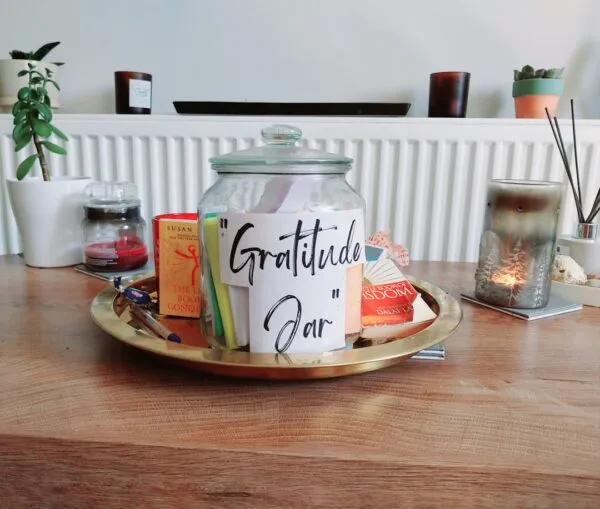
In the relentless current of modern existence, where schedules brim and to-do lists stretch into infinity, the concept of gratitude might appear as an impractical indulgence, a quaint notion relegated to calmer eras. Yet, we propose that gratitude is not a luxury we can afford to discard when life's demands are at their peak. Instead, it can be an anchor, a compass, and even a lubricant, enabling us to navigate our compressed lives with greater efficacy and a more stable equilibrium. Integrating gratitude into a busy life is less about carving out grand, time-consuming rituals and more about weaving subtle, deliberate practices into the existing fabric of our days.
We often perceive gratitude as a passive emotion, a gentle feeling that arises when something positive occurs. However, research suggests it is also an active engagement with the world, a cognitive and emotional process that can be cultivated and harnessed. In the context of a life characterized by constant motion and competing priorities, understanding this active dimension is crucial. Gratitude, when actively practiced, can serve as a counterweight to the pervasive stress and dissatisfaction that often accompany high-paced lifestyles. It acts as a cognitive reframing tool, allowing us to shift our focus from what is lacking or problematic to what is present and beneficial. This recalibration is not a denial of difficulties, but rather a recognition that even amidst challenges, elements of value and goodness persist.
Gratitude as a Cognitive Antidote
Our brains are, by default, wired to notice threats and deficiencies – a survival mechanism that can be amplified in a high-stress environment. This negativity bias means that the stressful events of a busy day can often overshadow the positive ones. Gratitude acts as a deliberate counterbalance to this predisposition. By consciously seeking out and acknowledging the good, we begin to retrain our cognitive pathways. It's akin to adjusting the focus on a camera lens; instead of dwelling on smudged imperfections, we can sharpen our view on the vibrant details that bring clarity and beauty. This isn't about ignoring problems, but about ensuring that our perception isn't solely dictated by them.
The Impact of Cultivated Gratitude
The benefits of cultivated gratitude are not merely anecdotal. Studies have demonstrated tangible improvements in psychological well-being, including reduced symptoms of depression and anxiety, increased happiness and life satisfaction, and enhanced resilience in the face of adversity. For those of us juggling multiple responsibilities, these outcomes translate into a greater capacity to cope with stress, make sound decisions, and maintain a sense of purpose. It is not an exaggeration to say that a consistent practice of gratitude can alter the very texture of our experience, transforming a potentially overwhelming existence into one that feels more manageable and meaningful.
In exploring the concept of gratitude and its integration into our busy lives, one might also find interest in the article discussing the significance of high-quality jewelry from selected luxury brands. This piece highlights how meaningful gifts, such as exquisite jewelry, can serve as tangible expressions of appreciation and love, enhancing our connections with others. To read more about this topic, visit the article here: High-Quality Jewelry from Selected Luxury Brands.
Integrating Gratitude into the Morning Routine
The dawn of a new day, even when fraught with anticipated demands, presents a unique opportunity to set a positive tone. For those of us with packed schedules, the idea of adding anything before the day's work officially begins can seem daunting. However, morning mindfulness of gratitude requires minimal time investment and can profoundly influence our outlook for the hours ahead. The goal is not to create a lengthy meditation but to introduce a brief, intentional moment of acknowledgment.
The Power of the First Thought
A significant aspect of integrating gratitude into a busy life lies in reclaiming the initial quiet moments of our day. Before stepping out of bed, before the barrage of emails and notifications begins, we can dedicate a brief period to recognizing something for which we are thankful. This could be as simple as the comfort of our bed, the prospect of a warm cup of coffee, or the knowledge that we have opportunities to engage with our work or loved ones. This practice is not about minimizing our obligations but about anchoring ourselves in a state of appreciation before we are swept away by the rush. It's a powerful way to initiate our day from a place of fullness rather than perceived deficit.
Creating a Centered Beginning
The act of acknowledging gratitude first thing in the morning serves as a potent form of mental preparation. It signals to our brain that, despite the external pressures, we possess agency in shaping our internal state. This can be particularly effective in counteracting the anxiety that often precedes a demanding day. By focusing on something positive, however small, we initiate a cascade of neural activity that can foster a sense of calm and focus. This early centering makes us more resilient to the inevitable stressors that will arise, allowing us to approach challenges with a calmer, more composed mind. It is like ensuring our personal compass is calibrated before embarking on a journey through unfamiliar terrain.
The Evening Ritual: Reflecting and Refocusing
Just as the morning offers a window for proactive gratitude, the end of the day provides a crucial opportunity for reflective practice. The transition from the active engagement of work and daily tasks to rest can be abrupt and often brings with it lingering concerns or anxieties. By intentionally incorporating gratitude into our evening routine, we can create a more effective disengagement from stress and foster a sense of closure and accomplishment. This is not a time for arduous self-analysis but for a gentle acknowledgment of the day's positives.
Shifting from Stress to Possibility
The end of a busy day can often leave us feeling depleted, with the residual stress of unmet demands or difficult interactions casting a long shadow. Practicing gratitude in the evening offers a deliberate mechanism for shifting this focus. By recalling elements of the day that brought us even a small measure of joy, satisfaction, or simply a sense of having navigated a challenge, we can begin to reframe our narrative. Instead of dwelling on what went wrong or what remains unfinished, we can acknowledge what went well, what we learned, or what we managed to overcome. This act of recognition can transform the perceived burden of the day into a landscape of experiences from which we can extract valuable lessons and find renewed hope for the future. It's akin to looking at a day's puzzle with completion in mind, rather than just the scattered pieces.
Enhancing Life Satisfaction Through Reflection
Regular end-of-day reflection on gratitude has been shown to have a cumulative effect on overall life satisfaction. This is particularly relevant for individuals navigating the complexities of busy lives, where the constant forward momentum can prevent a genuine appreciation of present circumstances. By taking a few moments to identify things we are thankful for – be it a successful meeting, a supportive colleague, a moment of connection with family, or even just a peaceful evening at home – we actively contribute to a more positive appraisal of our lives. This practice can foster a deeper sense of contentment and reduce the feeling that we are perpetually chasing an elusive future happiness. It helps us recognize that pockets of joy and fulfillment exist within our current reality, even amidst the hustle.
The Act of Expressing Thanks: Daily Gratitude in Action
A fundamental aspect of gratitude is its outward expression. While internal acknowledgment is beneficial, actively conveying our thanks to others offers a powerful synergistic effect, strengthening our connections and fostering a more positive social environment, even within the constraints of a busy schedule. This is not about grand gestures but about incorporating simple acts of appreciation into our daily interactions.
Strengthening Interpersonal Bonds
In the context of our compressed lives, relationships can sometimes feel undernourished, relegated to snatched conversations or digital check-ins. Expressing thanks to friends, family, colleagues, or even service providers serves as a vital nutrient for these connections. When we thank someone for their help, their time, their insight, or simply their presence, we are acknowledging their value and their contribution to our lives. This act of recognition can significantly reduce feelings of dissatisfaction and increase the perceived quality of our relationships. It builds bridges of appreciation in environments that might otherwise foster isolation or transactional interactions.
Fostering Prosocial Behavior and Self-Esteem
The act of saying thank you is not solely for the benefit of the recipient; it also has a profound impact on the giver. When we express gratitude, we are actively engaging in prosocial behavior, which is known to boost our own sense of self-esteem and well-being. This can be particularly impactful in busy professional settings where competition and pressure can sometimes overshadow collaboration and mutual support. By intentionally recognizing the contributions of others, we create a more positive and collaborative atmosphere. Furthermore, this conscious act of appreciation can remind us of our own capacity for kindness and generosity, reinforcing a positive self-image even when faced with demanding workloads. It's like planting seeds of goodwill that yield a healthier social ecosystem.
Incorporating gratitude into a busy life can be transformative, and understanding its broader implications can enhance this practice. For instance, a related article discusses the effects of moderation on health, highlighting how a glass of wine a day can impact your body. This connection between mindful habits and overall well-being complements the idea of gratitude, as both encourage a more balanced lifestyle. To explore this further, you can read the article about the benefits of wine and how it relates to cultivating a grateful mindset.
Practical Strategies for Busy Lives
The challenge of integrating gratitude into a packed schedule often stems from the perception that it requires significant time. However, the most effective gratitude practices are often the most concise. By leveraging existing routines and embracing micro-moments, we can seamlessly weave appreciation into our daily existence without feeling overwhelmed. The key is to adapt gratitude to our lifestyle, rather than trying to fit our lifestyle around an inflexible notion of gratitude.
Scheduling Quality Time and Kindness
One of the most impactful ways to counter the "no time" excuse for neglecting gratitude is to actively schedule intentional moments dedicated to both quality time with loved ones and acts of kindness. This might involve blocking out a specific time each week for a distraction-free conversation with a partner or child, or deliberately planning a small act of kindness for a colleague or neighbor, such as offering assistance with a task or simply sharing a positive affirmation. These scheduled pockets of connection and benevolence serve as tangible expressions of gratitude, reinforcing relationships and fostering a sense of reciprocal appreciation that can buffer against the stresses of busy lives. It is about actively making space for affirmation, rather than hoping it will spontaneously occur.
The Power of Short Gratitude Diaries
For those who find traditional journaling to be a time commitment they cannot realistically sustain, the concept of short gratitude diaries offers a pragmatic solution. Research indicates that even brief journaling, focusing on just two to three things one is grateful for, completed over a period of just 2-3 weeks, can significantly improve mood, optimism, and overall life satisfaction. This streamlined approach is perfectly suited for individuals with demanding schedules, as it requires minimal time input but yields measurable positive outcomes. By dedicating just a few minutes each evening to jotting down a few points of appreciation, we can create a powerful habit that counteracts the daily grind and fosters a more positive outlook. It's like a brief, targeted burst of sunshine that can brighten an entire season.
Mindfulness and Nature Breaks as Gratitude Anchors
When time is exceptionally scarce, incorporating brief moments of mindfulness or engaging with nature can serve as powerful anchors for practicing gratitude. A short walk during a lunch break, or even a few minutes spent observing the natural world outside a window, can offer opportunities to appreciate simple sensory experiences – the feeling of the sun on our skin, the sight of a bird in flight, or the scent of rain. Similarly, practicing present-moment awareness, even for just a minute or two, allows us to pause and acknowledge the immediate sensations and circumstances, fostering an appreciation for the "now." These micro-breaks, though brief, can significantly enhance our resilience and our ability to find contentment in the small, often overlooked, details of our busy lives, ensuring that our capacity for gratitude remains active, even when our schedules are at their most relentless.
FAQs
What is gratitude and why is it important in a busy life?
Gratitude is the practice of recognizing and appreciating the positive aspects of life. It is important in a busy life because it helps reduce stress, improve mental well-being, and foster a positive outlook despite daily challenges.
How can someone incorporate gratitude into a hectic schedule?
Incorporating gratitude into a busy schedule can be done by setting aside a few minutes each day to reflect on things you are thankful for, keeping a gratitude journal, or expressing appreciation to others regularly, even in small ways.
Does practicing gratitude have measurable benefits?
Yes, research shows that practicing gratitude can lead to improved mood, better sleep, increased resilience, and stronger relationships, all of which contribute to overall well-being.
Can gratitude help improve productivity in a busy life?
Gratitude can improve productivity by enhancing focus, reducing negative emotions, and increasing motivation, which helps individuals manage their time and tasks more effectively.
Are there simple gratitude exercises suitable for people with limited time?
Yes, simple exercises include mentally listing three things you are grateful for each morning or night, sending a quick thank-you message to someone, or pausing briefly during the day to acknowledge something positive. These can be done in just a few minutes.