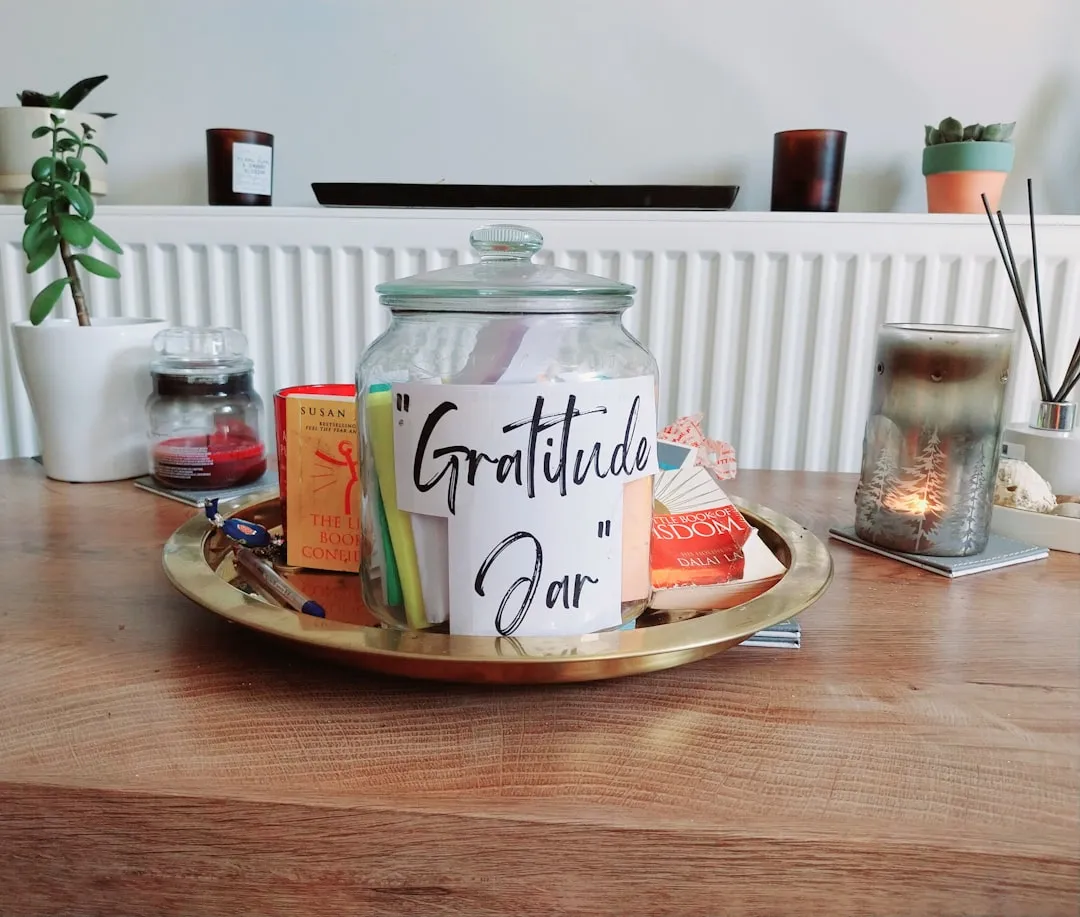
We often hear the admonition to “think positive.” It’s a common piece of advice, a seemingly straightforward pathway to a better state of mind. Yet, as we explore the landscape of human emotion and cognitive function, we begin to understand that while positive thinking has its place, it is often a less potent force than its often-overlooked companion: gratitude. We are not suggesting that positive thinking is without merit; rather, we aim to elucidate why gratitude, when cultivated intentionally, possesses a deeper and more enduring power to shape our well-being, rewire our brains, and ultimately, elevate our experience of life.
At its core, the distinction between positive thinking and gratitude lies in their relationship to reality. Positive thinking often involves projecting a desired future or reframing present circumstances through an optimistic lens. It frequently operates on the principle of "acting as if," envisioning success, and striving for an idealized state. Gratitude, however, is rooted in recognition and appreciation of what is. It is the acknowledgment of good, present or past, tangible or intangible, that has contributed to our lives. This fundamental difference in origin point—imagination versus awareness—sets the stage for their divergent impacts.
Positive Thinking: Aspirational but Potentially Detached
Positive thinking, at its best, fuels motivation and can help us maintain a hopeful outlook when facing challenges. It encourages us to see possibilities and to believe in our capacity to overcome obstacles. However, without a grounded connection to existing positives, it can sometimes feel like building a house on sand. The imagined future, if too far removed from present perceived realities, can lead to disappointment or a sense of inadequacy if it fails to materialize or if the present feels overwhelmingly negative.
The Illusion of Control
A key aspect of some approaches to positive thinking is the belief that by merely thinking positively, we can influence external events. While our mindset can certainly impact our actions and interpretations, positing a direct causal link between thought and external occurrence can sometimes lead to a misplaced sense of control, potentially fostering blame when desired outcomes do not manifest.
The Risk of "Forced Positivity"
One of the pitfalls of unexamined positive thinking is the pressure to always maintain an optimistic façade. This can lead to what is sometimes termed "toxic positivity," where negative emotions are suppressed or invalidated in favor of an enforced cheerful demeanor. This can be counterproductive, as it prevents us from processing genuine distress and can create a disconnect between our internal experience and our outward presentation.
Gratitude: Rooted in Reality, Blooming into Optimism
Gratitude, conversely, is an acknowledgment of the good that already exists or has existed. It is the conscious recognition of the benefits, mercies, or gifts we have received. This groundedness in observable reality provides a solid foundation upon which to build. As research from Psychology Today in November 2025 suggests, gratitude is not merely a fleeting pleasant emotion; it actively rewires our brain pathways for emotion regulation and reward, proving more effective than conventional talk therapy in clinical trials for anxiety and depression. This rewiring process, particularly within the medial prefrontal cortex, can lead to lasting changes within a timeframe of three to eight weeks.
The Dopamine and Serotonin Connection
The scientific understanding of gratitude's impact is deepening. According to Dianne Glavas' blog in 2026, gratitude activates key neurotransmitters like dopamine and serotonin. These chemicals are intrinsically linked to mood regulation and feelings of pleasure. By engaging in grateful practices, we are essentially providing our brains with a natural boost, effectively rewiring our neural pathways toward a more optimistic disposition. This intrinsic reward mechanism is what allows gratitude to surpass the effects of generic positive thinking, which may lack this biochemical reinforcement.
"Acting as If" Fueled by Appreciation
While positive thinking might encourage "acting as if" a positive outcome is inevitable, gratitude provides a more sustainable propellant. When we are genuinely grateful for our current progress or the support we have received, this appreciation fuels our motivation to continue. It transforms the act of "acting as if" from a potentially hollow performance into a proactive step taken from a place of existing abundance, however small. This is particularly evident in how gratitude can boost motivation and reduce stress by celebrating future possibilities built upon present appreciation.
In exploring the profound impact of gratitude on our mental well-being, it's interesting to consider how the practice of gratitude can be integrated into our daily lives. A related article titled "The Black Old Bike Parked Beside a White Wall" delves into the simple yet powerful moments that can evoke feelings of appreciation and mindfulness. You can read more about this insightful perspective on gratitude by visiting this link.
The Neuroscience of Appreciation: Rewiring Our Brains for Resilience
The impact of gratitude extends beyond mere subjective feelings; it is increasingly understood to have tangible effects on our neurobiology. Our brains are not static entities; they are malleable, capable of being reshaped by our experiences and intentional practices. Gratitude acts as a powerful catalyst for this neuroplasticity.
Mending the Emotional Fabric
When we feel anxious or depressed, our emotional regulation systems can become dysregulated. Positive thinking might offer a temporary reprieve, a fleeting ray of sunshine. Gratitude, however, offers a deeper repair. Psychology Today's 2025 findings highlight that gratitude's effectiveness in trials for anxiety and depression surpasses that of talk therapy, indicating a more profound impact on underlying emotional processing. This implies that gratitude doesn't just mask symptoms; it addresses the root of emotional dysregulation by fostering a more balanced emotional landscape.
The Medial Prefrontal Cortex: The Seat of Lasting Change
The medial prefrontal cortex (mPFC) plays a crucial role in emotion regulation, decision-making, and self-awareness. Studies have indicated that sustained gratitude practices activate this area, leading to lasting changes in how we process emotions. The research suggests that this activation can solidify positive neural pathways, making us more resilient to stressors and less prone to rumination on negative experiences. The timeline of three to eight weeks for observable changes underscores the sustained impact of regular gratitude cultivation.
From Survival to Creativity: A Shift in Cognitive Modes
Our brains are equipped with different modes of operation, often described as "survival mode" versus "creative mode." In survival mode, our focus narrows, and our capacity for innovation and broad-mindedness diminishes. Judy Wilkins-Smith, in 2026, elaborates on this, describing gratitude as a "higher emotion" that can lift depression, a state that often forces us into survival thinking. By shifting our focus, gratitude allows us to move away from the immediate threats and limitations and into a more expansive, creative state of mind.
Escaping the Amygdala's Grip
The amygdala, our brain's alarm system, is highly active during periods of stress and fear, driving our survival responses. Gratitude, by fostering feelings of safety and contentment, can help to regulate the amygdala's reactivity. This means that the constant "fight or flight" signals that can plague individuals experiencing anxiety or depression are dampened, freeing up cognitive resources for more constructive engagement with the world.
Gratitude Journaling: A Practical Pathway to Well-being
The abstract concept of gratitude can be effectively translated into concrete practices, with journaling emerging as a particularly powerful tool. Far from being a mere diary of pleasantries, gratitude journaling is a strategic exercise in retraining our attentional networks.
More Than Just Neutral: The Impact of Focused Appreciation
Research has consistently demonstrated the benefits of gratitude journaling. A 2003 study by Emmons, as noted by Legacy Health in January 2026, found that individuals who engaged in gratitude journaling experienced significant mental and physical benefits compared to those who focused on neutral or negative aspects of their lives. This study highlights how the intentional act of recording what we are thankful for fosters a sense of balance and motivation, demonstrating a tangible improvement in overall well-being.
Cultivating Balance and Motivation
The act of journaling itself requires a moment of pause and reflection. By directing this reflection towards appreciation, we actively steer ourselves away from the often-automatic habit of focusing on what is lacking or what is wrong. This redirection naturally cultivates a sense of balance, preventing us from becoming overly fixated on the negative. Furthermore, as our list of appreciated items grows, so too does our sense of motivation, as we are reminded of the resources and positive elements available to us.
Building Resilience: An Unassailable Defense
In the face of life's inevitable challenges, resilience is our ability to bounce back. Gratitude journaling has emerged as a potent strategy for building this crucial capacity. RWJBarnabas Health, in a January 14, 2026, report, emphasizes that gratitude journaling is more effective than undirected positivity in building resilience and emotional balance. This is particularly true across diverse groups, suggesting a universal applicability of this practice.
Emotional Equilibrium Under Pressure
When adversity strikes, our emotional equilibrium is tested. Gratitude journaling, by regularly inoculating us with feelings of appreciation, helps to create a reserve of emotional strength. It trains us to access positive emotions even when circumstances are difficult, thus reducing overall stress levels. The consistent practice can be likened to strengthening a muscle; the more we engage in it, the more capable we become of handling strain.
Gratitude as an Antidote to Negativity
The human mind, by default, often exhibits a negativity bias. This evolutionary predisposition means we are more likely to notice, remember, and dwell on negative experiences than positive ones. This can create a persistent undertow of dissatisfaction. Gratitude acts as a powerful antidote to this ingrained tendency.
Breaking the Cycle of Complaint
Complaining, whether internally or externally, reinforces a cycle of negativity. It keeps our focus fixed on what is dissatisfying, prompting further dissatisfaction. Gratitude, by contrast, actively disrupts this cycle. It compels us to shift our attention from what is lacking to what is present and appreciated. This intentional shift can be transformative, gradually altering our habitual patterns of thought.
The "Gratitude Filter"
We can envision gratitude as a filter through which we can view our experiences. Without this filter, the harsh realities and irritations of life can appear stark and overwhelming. However, when we consciously apply a gratitude filter, we begin to see the underlying blessings, the moments of grace, and the opportunities that might otherwise be obscured. This is not about ignoring difficulties, but about contextualizing them within a broader spectrum of experience that includes genuine positives.
Elevating Above the Mundane
It's easy to take the ordinary aspects of our lives for granted. The ability to breathe freely, the warmth of sunlight, the reliability of a roof over our heads – these are often overlooked in their sheer constancy. Gratitude encourages us to elevate our awareness of these commonplace yet profound gifts. This elevation transforms the mundane into the remarkable, imbuing our daily existence with a richness that positive thinking, focused solely on future gains, might miss.
The Subtlety of Small Joys
Positive thinking might focus on grand aspirations and significant achievements. Gratitude, however, excels at appreciating the subtle joys that punctuate our days. A perfectly brewed cup of coffee, a friendly smile from a stranger, the quiet comfort of a familiar routine – these small instances, when recognized with gratitude, contribute significantly to our overall sense of contentment and well-being. They are the building blocks of a joyful life, often overlooked in the pursuit of larger, more elusive goals.
In exploring the transformative effects of gratitude, it's interesting to consider how it can enhance not just our mental well-being but also our surroundings. For instance, incorporating elements that evoke gratitude in our living spaces can significantly uplift our mood. A related article discusses various decorative baskets that can add a stylish touch to your home decor, serving as a reminder of the beauty and abundance in our lives. You can read more about these inspiring ideas in the article here.
The Transformative Power: Gratitude's Enduring Impact
Ultimately, the power of gratitude lies not in its ability to obscure reality or to conjure false hopes, but in its capacity to alter our perception of reality, to amplify the good that exists, and to build a more robust and resilient inner landscape. It is a force that, when deliberately cultivated, yields profound and lasting benefits that extend far beyond temporary feelings of happiness.
Beyond "Feeling Good": Building a Foundation for Thriving
While positive thinking might aim primarily at "feeling good," gratitude aims at "being good" and "doing good." By fostering a sense of appreciation and interconnectedness, gratitude naturally encourages more prosocial behaviors and a greater sense of purpose. It moves us from a self-focused pursuit of happiness to a broader appreciation of our place in the world and our connection to others.
A Deeper Connection to Reality
Gratitude anchors us to reality in a way that positive thinking, if unchecked, may not. It acknowledges the contributions of others, the serendipity of events, and the inherent value in what we already possess. This groundedness leads to a more authentic and sustainable form of well-being, one that is less susceptible to the whims of external circumstances.
A Lifelong Practice for a Richer Existence
The journey of cultivating gratitude is a lifelong endeavor, not a destination. It is a practice that, much like any skill, strengthens with consistent application. As Judy Wilkins-Smith points out, depression cannot coexist with gratitude. This striking assertion highlights the profound, almost mutually exclusive nature of these states. By choosing to cultivate gratitude, we are actively choosing a path that leads away from the grip of despair and toward a more vibrant and fulfilling existence. We are, in essence, building an internal sanctuary, a wellspring of appreciation that can sustain us through all seasons of life. When we allow gratitude to permeate our lives, we unlock a dimension of human experience that is richer, more resilient, and ultimately, more powerful than a simple adherence to positive affirmations.
FAQs
What is the main difference between gratitude and positive thinking?
Gratitude involves recognizing and appreciating the good things in life, while positive thinking focuses on maintaining an optimistic mindset and expecting favorable outcomes. Gratitude is about acknowledgment, whereas positive thinking is about attitude.
How does gratitude impact mental health compared to positive thinking?
Gratitude has been shown to improve mental health by reducing stress, increasing happiness, and fostering resilience. While positive thinking can also boost mood, gratitude encourages a deeper sense of contentment by focusing on what one already has rather than just hoping for positive outcomes.
Can practicing gratitude lead to better physical health?
Yes, studies suggest that practicing gratitude can lead to better physical health, including improved sleep, reduced symptoms of illness, and lower blood pressure. This is partly because gratitude reduces stress and promotes healthier behaviors.
Why might gratitude be considered more powerful than positive thinking?
Gratitude is often considered more powerful because it is grounded in reality and appreciation of the present moment, which can create lasting emotional benefits. Positive thinking, while helpful, may sometimes lead to unrealistic expectations or ignoring negative emotions.
How can someone cultivate gratitude in their daily life?
People can cultivate gratitude by keeping a gratitude journal, regularly reflecting on things they are thankful for, expressing appreciation to others, and practicing mindfulness to become more aware of positive experiences throughout the day.