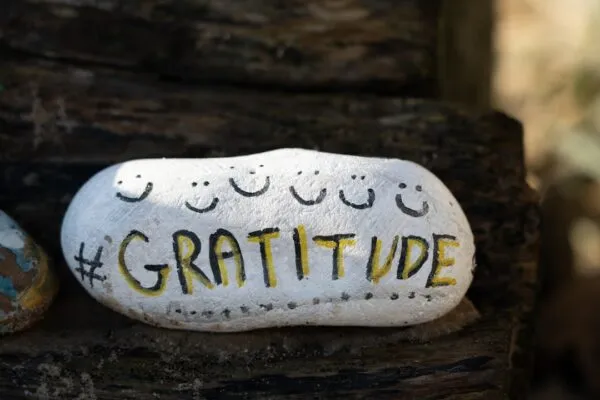
We often discuss gratitude as a bright, warm sunbeam, something we seek out when our skies are clear. But what does gratitude truly look like when the clouds have gathered, when the rain is coming down in sheets, and we feel utterly drenched in misfortune? This is not about forcing a smile when our hearts are heavy or pretending that everything is fine when it is demonstrably not. Instead, we are examining gratitude as a practice, a deliberate act of recalibration, particularly when faced with adversity. It is a muscle trained not for ease, but for resilience.
It is essential to establish that acknowledging suffering is not antithetical to practicing gratitude. In fact, it is often a prerequisite. To pretend that a bad day is not bad is to dismiss the very reality that makes gratitude during such times so potent. When we speak of gratitude on a difficult day, we are not denying the pain; we are choosing to look for a different kind of light amidst it.
The Imperative of Honesty
We cannot cultivate genuine gratitude if we first avoid confronting our reality. If we are experiencing loss, a significant setback, or simply a pervasive sense of unease, pretending otherwise is a form of self-deception that ultimately erodes our capacity for authentic feeling. The first step, therefore, is to be honest with ourselves about the nature and depth of our difficulties. This is not a dwelling in misery; it is an honest assessment, much like a doctor examines a patient to understand the ailment before prescribing treatment.
Identifying the Source of Struggle
Our bad days often stem from identifiable sources. This could range from professional disappointments and personal losses to health concerns or interpersonal conflicts. Understanding the root cause, however unpleasant, is the initial step in differentiating between a transient bad mood and a more profound challenge. This clarity allows us to avoid vague anxieties and focus our efforts more precisely.
The Emotional Landscape
Beyond identifying triggers, we must also acknowledge the emotional fallout. Sadness, anger, frustration, fear, and exhaustion are all valid responses to difficult circumstances. Suppressing these emotions does not make them disappear; it merely pushes them underground, where they can fester and complicate our ability to perceive any positives. Allowing ourselves to feel these emotions is part of the process, a necessary acknowledgment of the current state of our internal world.
In exploring the theme of gratitude, especially on challenging days, it's interesting to consider how small rituals can enhance our mood and perspective. A related article, "How Coffee Shapes Your Daily Routine," delves into the comforting effects of coffee and how it can serve as a moment of gratitude amidst the chaos of a bad day. You can read more about it here: How Coffee Shapes Your Daily Routine. This connection highlights the importance of finding joy in everyday habits, even when times are tough.
Gratitude as a Conscious Choice: Shifting the Lens
On a truly bad day, gratitude is rarely an spontaneous eruption of joy. It is, more accurately, a conscious decision to seek out and acknowledge what remains, however small or seemingly insignificant. This is where the practice becomes deliberate, a targeted effort to direct our attention away from the overwhelming negatives. It is akin to adjusting a camera lens, moving from a wide, unfocused shot of chaos to a sharper, more defined image of a single, stable element.
The Deliberate Search for Positives
When the world feels bleak, our default setting can be to amplify the negatives and minimize the positives. Practicing gratitude requires an active, deliberate search. This involves consciously asking ourselves: "What, despite the current circumstances, is still okay, or even good?" This is not about finding a silver lining in every thundercloud, but rather about identifying the patches of sky that remain, however small. For instance, even amidst overwhelming personal or professional challenges, we might still have a roof over our heads or the ability to access basic necessities. Identifying these fundamental aspects of our existence can serve as a grounding force.
The "Three Good Things" Exercise
A common and effective technique involves identifying three good things that have occurred or are present, even on a difficult day. This exercise, often popularized by gratitude journals, encourages us to look for the small wins and moments of grace. These "good things" do not need to be grand gestures. Perhaps it is a warm cup of coffee, a moment of quiet, a supportive text message, or even the simple fact of having woken up. The repetition of this practice, as noted by users of gratitude journals, builds a sense of ease over time, making it easier to spot these positives even when overwhelmed.
Acknowledging Basic Functionality
In moments of extreme duress, gratitude can be directed towards fundamental aspects of our physical and mental functioning. This might sound simplistic, but for someone experiencing severe illness or profound emotional distress, the ability to breathe unaided, to move, or to have moments of relative mental clarity can be profound elements of gratitude. This is not about making light of serious conditions but about recognizing the inherent value in what we may otherwise take for granted.
The Concept of "Even When You Don't Feel Like It"
The notion that gratitude is possible and valuable "even when you don't feel like it" or "when you have nothing to be grateful for" is central to its efficacy on bad days. This perspective, highlighted in discussions around future gratitude practices, emphasizes that gratitude is not contingent on immediate positive feelings. It is an action, a choice that can precede or even cultivate better feelings. This is a crucial distinction: gratitude is not a reward for good fortune, but a tool for navigating difficult times.
Gratitude as a Coping Mechanism
From this viewpoint, gratitude functions as a sophisticated coping mechanism. By consciously acknowledging what is going well, or what remains stable, we can mitigate the overwhelming impact of negative experiences. This does not negate the suffering, but it provides a counterweight, preventing us from being entirely submerged by it. It is like a life raft, not erasing the storm, but providing a means to survive it.
The Potential for Future Hope
Practicing gratitude on bad days is also an investment in future well-being. By training ourselves to look for the positive, however scarce, we are building mental habits that can foster greater resilience and an improved outlook over time. This is particularly relevant when looking towards future goals, such as preparing for a new year by intentionally cultivating a daily gratitude practice.
Cultivating Small Moments of Thanks
The practice of gratitude on challenging days often resides in the appreciation of small, mundane moments. These are the quiet victories, the fleeting comforts that can serve as anchors in a sea of turmoil. They are the unheralded heroes of our difficult days.
The Power of the Mundane
When our larger goals and aspirations are stymied, or when our emotional state is such that grand achievements feel out of reach, the appreciation of the ordinary becomes paramount. This could be the simple act of enjoying a meal, experiencing a moment of natural beauty, or the comfort of a warm bed. These are the subtle threads that weave the fabric of our daily lives, and their presence, even on a difficult day, is worth acknowledging. A review of "The Little Book of Gratitude" highlights this emphasis on daily small-moment thanks, acknowledging its value in shifting perspective.
Sensory Gratitude
Our senses can be profound conduits for everyday gratitude. The taste of food, the warmth of the sun on our skin, the sound of music, the sight of a familiar object – these simple sensory experiences can offer moments of solace and grounding. Even on a day where everything else feels wrong, engaging with our senses can provide a tangible connection to the present and a source of mild comfort.
The Comfort of Routine
Familiar routines, even simple ones, can offer a sense of stability and predictability when other aspects of our lives feel chaotic. The ritual of making tea, the familiar path we take on a walk, or a consistent daily habit can provide a much-needed anchor. Acknowledging the comfort these routines provide is a form of gratitude for the structure and familiarity they offer.
"365 Days of Thank You" and Beyond
The concept of a continuous, year-long practice of gratitude, such as that alluded to by TED talk mentions of "365 days of thank you," underscores its potential as a sustained endeavor, not just a reactive measure. This suggests that even when facing daily challenges, the consistent act of seeking and expressing thanks can build a reservoir of resilience. The availability of yearly gratitude diaries and planners further supports the idea of gratitude as an ongoing commitment.
Building a Daily Practice
The essence of these longer-term gratitude practices is the cultivation of a daily habit. This is not about a grand, all-encompassing thankfulness each day, but rather about a consistent, albeit brief, engagement with the concept. This daily ritual, over time, can retrain our brains to recognize and appreciate positive elements, even when they are not immediately obvious.
The Cumulative Effect
The cumulative effect of small, daily acts of gratitude can be significant. As noted by users of gratitude journals, this consistent practice can lead to increased ease over time in spotting positive aspects of our lives, even when experiencing difficulties. This is not a magical cure, but a gradual strengthening of our capacity to find light in the darkness.
Gratitude in the Face of Severe Adversity
The true test of gratitude's mettle is often revealed in the crucible of severe adversity, such as war, trauma, or profound personal loss. In these extreme circumstances, the practice transforms from a gentle nudge towards positivity into a lifeline, a necessary act of self-preservation.
Finding Light Amidst Explosions
Accounts of individuals experiencing war or other high-stress environments demonstrate that gratitude can manifest even in the most dire situations. This is not about celebrating the conflict, but about finding small pockets of humanity and hope within it. This might involve appreciating the camaraderie of fellow soldiers, the unexpected kindness of strangers, or even the simple fact of survival. These are not sources of joy, but of profound meaning and a reason to continue.
The Fragility of Life and the Value of Existence
When faced with the stark reality of life's fragility, the most basic aspects of existence can become objects of deep gratitude. The ability to breathe, to feel, to experience even a moment of peace amidst chaos, can take on immense significance. This perspective shift, born of extreme circumstances, highlights the inherent value we often overlook in our daily lives.
The Resilience of the Human Spirit
The capacity for gratitude in the face of overwhelming suffering often speaks to the inherent resilience of the human spirit. It demonstrates our innate drive to find meaning and connection, even when stripped of all comforts. This is not a sign of weakness or denial, but a testament to our ability to adapt and persevere.
Practicing Gratitude with PTSD and Trauma
For individuals grappling with Post-Traumatic Stress Disorder (PTSD) or other forms of trauma, gratitude can be a challenging but potentially powerful tool. The focus here is not necessarily on finding pleasant things, but on acknowledging the small victories of navigating each day. This could include the successful completion of a task that was previously overwhelming, or moments of emotional regulation, however fleeting.
Reclaiming Agency and Control
In situations where trauma can strip individuals of their sense of agency, the act of choosing to practice gratitude can be a way of reclaiming some control. It is a deliberate action that asserts the individual's capacity to direct their own thoughts and perceptions, even within the confines of their experiences.
Building a Support System
Gratitude can also extend to appreciating the support systems that surround individuals facing trauma. This includes acknowledging the efforts of therapists, friends, family members, and support groups who provide assistance and understanding. This can be a vital component in the healing process.
In exploring the theme of gratitude, especially on challenging days, it can be enlightening to consider how small pleasures impact our well-being. For instance, a related article discusses the effects of moderate wine consumption on health, shedding light on how simple joys can contribute to our overall happiness. You can read more about this intriguing connection in the article What a Glass of Wine a Day Does to Your Body, which complements the insights found in "What Gratitude Looks Like on a Really Bad Day."
Gratitude as a Practice, Not a Panacea
It is crucial to continually reiterate that while gratitude is a powerful tool, it is not a cure-all for the challenges of a bad day, let alone more serious difficulties. Its effectiveness lies in its consistent application and its role as one element within a broader approach to well-being.
The Limits of Gratitude
We must acknowledge that there are times when the weight of our circumstances is so profound that feeling gratitude is an almost impossible aspiration. In these instances, attempting to force gratitude can be counterproductive, leading to feelings of guilt or inadequacy. The practice of gratitude, therefore, should be approached with self-compassion and an understanding of its limitations.
When to Seek Other Forms of Support
There are numerous situations where professional help or the support of loved ones is not only beneficial but essential. Gratitude alone cannot alleviate deep-seated mental health issues, chronic pain, or profound grief. It is important to recognize when gratitude should be a supplement to, rather than a replacement for, other forms of support.
The Ongoing Journey of Cultivation
Gratitude, particularly on difficult days, is an ongoing journey of cultivation. It requires patience, perseverance, and a willingness to adapt our approach as our circumstances evolve. There will be days when it feels easier, and days when it feels like an immense effort. The key is to continue the practice, even when it feels challenging. As we noted earlier, the consistent application of these practices, as evidenced by user experiences with journals, can build ease over time.
Integrating Gratitude into Daily Life
The ultimate goal is to integrate gratitude into the fabric of our daily lives, making it a more natural and less strenuous practice. This involves not just dedicated moments of reflection but also the cultivation of a grateful mindset that can be carried throughout the day. This integration is what allows gratitude to function effectively, even on our worst days.
The Enduring Value of Presence
Ultimately, on a really bad day, gratitude can be found in the simple act of being present. Acknowledging that we are here, that we are experiencing this moment, and that even within difficulty, there is a form of existence, can be a profound starting point. It is the quiet whisper of acknowledgment that life, in all its complexity, continues.
FAQs
What does gratitude mean on a really bad day?
Gratitude on a really bad day involves recognizing and appreciating small positive aspects or moments despite the challenges or difficulties being faced. It means focusing on what is still good or valuable, even when circumstances are tough.
How can practicing gratitude help during difficult times?
Practicing gratitude during difficult times can improve mental well-being by shifting focus away from negative thoughts, reducing stress, and fostering resilience. It helps individuals maintain a balanced perspective and find hope amidst adversity.
What are some simple ways to express gratitude on a bad day?
Simple ways to express gratitude on a bad day include writing down things you are thankful for, acknowledging supportive people in your life, appreciating small comforts like a warm drink or a moment of rest, and practicing mindful breathing to center yourself.
Is it normal to feel grateful when experiencing hardship?
Yes, it is normal and healthy to feel grateful even during hardship. Gratitude does not mean ignoring pain or difficulties but rather recognizing that positive elements can coexist with challenges, which can aid in emotional healing and growth.
Can gratitude improve overall mental health?
Yes, regular practice of gratitude has been shown to improve overall mental health by increasing feelings of happiness, reducing symptoms of depression and anxiety, and enhancing emotional resilience. It encourages a positive outlook that supports well-being.