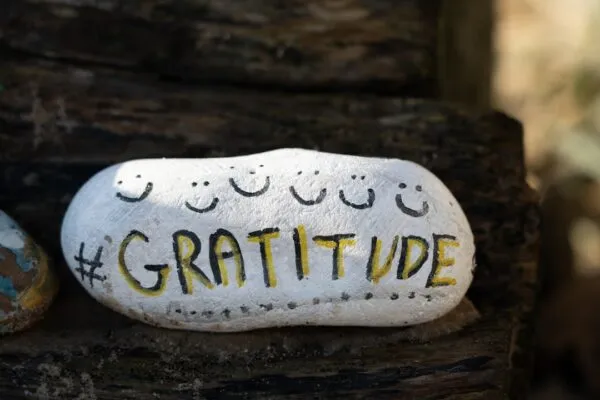
Gratitude, when cultivated with intention, acts as a powerful catalyst for fostering a profound sense of trust in the unfolding of life. This is not merely an abstract concept but a verifiable psychological and physiological phenomenon. We, as individuals, often navigate the complexities of existence with a baseline of apprehension, a default setting that anticipates potential pitfalls. Gratitude, however, offers a counter-narrative, a deliberate reorientation towards the abundance and benevolence that often surround us, even in challenging circumstances. By actively acknowledging and appreciating the positive aspects of our experiences, we can fundamentally alter our perception of reality, transforming a landscape often viewed through a lens of scarcity and threat into one perceived as supportive and promising.
Our capacity to experience and express gratitude is not solely a matter of conscious choice; it is deeply interwoven with our biological makeup. The brain, a remarkably plastic organ, responds to consistent practices of gratitude by forging new neural pathways. This rewiring process has been a subject of extensive research, revealing tangible benefits that extend far beyond fleeting positive emotions.
Neural Rewiring and its Impact on Psychological Well-being
The consistent practice of gratitude has been demonstrated to initiate significant changes in brain structure and function. This neural rewiring is akin to sculpting a more resilient mental landscape. Studies have indicated that individuals who regularly engage in gratitude practices experience a reduction in depressive and anxious symptoms, with some research pointing to a decrease of up to 35%. This heightened resilience is crucial for navigating life's inevitable challenges. Furthermore, gratitude has been shown to combat feelings of impostor syndrome, a pervasive sense of self-doubt that can undermine achievement. It also plays a role in mitigating burnout, a state of emotional, physical, and mental exhaustion caused by excessive and prolonged stress. The enhanced sense of self-efficacy and reduced rumination fostered by gratitude contribute to this protective effect.
Physiological Benefits: A Foundation for Trust
The positive effects of gratitude are not confined to psychological well-being. Indeed, the interconnectedness of our mind and body means that mental states have direct physiological consequences. Research, such as a notable study involving over 49,000 older women, has illuminated the profound links between gratitude and physical health. This study, emerging from a reputable institution like Harvard, revealed a significant association between the practice of gratitude and a reduced risk of all-cause mortality, specifically noting a 9% decrease. More remarkably, it indicated a 15% reduction in the risk of cardiovascular death. These findings suggest that gratitude acts as a powerful buffer against chronic stress and its detrimental impact on our cardiovascular system and overall health.
The Inflammation Connection
A key mechanism through which gratitude exerts these physiological benefits is by influencing our inflammatory response. Chronic stress elevates levels of inflammation in the body, a known contributor to a myriad of diseases, including heart disease, diabetes, and certain types of cancer. Gratitude, by promoting relaxation and reducing stress hormones, can help to modulate and lower these inflammatory markers. This reduction in systemic inflammation creates a healthier internal environment, making us more robust and less susceptible to illness. This biological resilience, fostered by gratitude, forms a foundational element upon which trust in our body's capacity to heal and sustain itself can be built. When our bodies are functioning optimally and we feel physically secure, our ability to face life's uncertainties with greater confidence is significantly enhanced.
In exploring the theme of gratitude and its impact on our ability to trust life more fully, it's interesting to consider how cultivating a positive mindset can also enhance our productivity and well-being in various aspects of life, including remote work. A related article titled "The Ultimate Guide to Working from Home" delves into strategies for maintaining motivation and balance while working remotely, which can be significantly influenced by a grateful perspective. You can read more about this connection in the article here: The Ultimate Guide to Working from Home.
Gratitude as a Catalyst for Enhanced Emotional and Social Connectivity
The benefits of gratitude extend beyond our internal state, profoundly impacting how we relate to others and the world around us. By shifting our focus, gratitude opens channels for deeper connection and fosters a more collaborative and supportive environment.
Fostering a Creative and Open Mindset
Gratitude acts as a mental catalyst, propelling us away from a fixed or scarcity-oriented mindset towards one characterized by creativity and openness. When we are preoccupied with what we lack, our perspective narrows, and our problem-solving abilities can become inhibited. Conversely, when we actively acknowledge what we have, we free up cognitive resources. This mental spaciousness allows for novel ideas to emerge and for us to approach challenges with a greater sense of possibility. This shift in mindset is crucial for building trust in our ability to navigate future situations, as it equips us with the flexibility to adapt and innovate. The world, seen through the lens of gratitude, becomes a place brimming with opportunities rather than solely obstacles.
Reducing Loneliness and Strengthening Social Bonds
One of the most potent social benefits of gratitude is its remarkable capacity to alleviate feelings of loneliness. In an era where social isolation is a growing concern, gratitude offers a powerful antidote. Studies have indicated that individuals who regularly practice gratitude are 62% less likely to experience significant feelings of loneliness. This reduction occurs because gratitude inherently directs our attention towards the positive influences and connections in our lives. It encourages us to acknowledge the support systems we have, whether they be friends, family, or even casual acquaintances. By focusing on these positive relationships, we reinforce their value and strengthen the bonds we share. This enhanced sense of connection fosters a feeling of belonging and security, which in turn bolsters our trust that we are not alone in our journey.
Cultivating Prosocial Behavior and Collective Care
The outward expression of gratitude often translates into enhanced prosocial behavior. When we feel grateful, we are more inclined to reciprocate kindness, assist others, and engage in actions that benefit the community. This creates a virtuous cycle, where acts of gratitude inspire further acts of goodness, fostering a more compassionate and supportive social fabric. This collective care is essential for building trust not only in individuals but in society as a whole. It engrains the understanding that we are part of a larger network of interdependent beings, each capable of contributing to the well-being of others. This sense of shared responsibility and mutual support cultivates a robust trust in the inherent goodness and collaborative potential of humanity.
Implementing Gratitude Practices for Sustainable Trust Building
While the benefits of gratitude are compelling, its cultivation requires deliberate effort and consistent practice. Integrating gratitude into our daily routines can transform it from an occasional feeling into a foundational habit that underpins our trust in life.
Daily Practices for Lasting Impact
The efficacy of gratitude lies in its consistent application. Engaging in daily gratitude practices acts like regular exercise for our minds, strengthening the neural pathways associated with appreciation and trust. Simple yet powerful practices can yield substantial results. These include dedicating a few moments each day to consciously identify and record three things for which we are grateful. This journaling exercise, when done consistently, trains our minds to actively seek out the positive, even amidst adversity.
Another effective approach involves reframing stressful situations through a gratitude lens. Instead of dwelling on the negative aspects of a challenge, we can seek to identify any lessons learned, any unexpected strengths revealed, or any support received. This reframing technique shifts our perspective from victimhood to empowerment, reinforcing our trust in our ability to overcome obstacles.
Furthermore, expressing thanks directly to others is a deeply impactful practice. Whether through a verbal expression, a written note, or a thoughtful gesture, acknowledging the contributions and kindness of those around us not only strengthens our social bonds but also reinforces our sense of being valued and connected. This outward expression of gratitude solidifies our internal feeling of appreciation.
Building Openness and Flow Through Gratitude
The consistent practice of gratitude cultivates a state of mental and emotional openness. When we are grateful, we are less likely to be defensive or resistant to new experiences. This openness allows us to more readily embrace opportunities, engage in flow states where we are fully immersed in an activity and functioning at our peak, and maintain a broader perspective on life's events. This capacity for flow and openness is intrinsically linked to trust. When we are open and adaptable, we are less fearful of the unknown, and more confident in our ability to respond to whatever life may present. Our intentions and goals become clearer and more attainable when viewed through this appreciative lens, as we are more attuned to the resources and support available to us.
Gratitude as a Longevity Tool: Anchoring Amidst Extremes
Gratitude emerges as an often-underrated, yet crucial, tool for promoting longevity and overall well-being. Its impact on sleep, mood, and heart health, as previously discussed, directly contributes to a longer and healthier lifespan. However, its utility extends beyond these physiological markers. Gratitude serves as a vital anchor amidst the inevitable tides of joy and sorrow that life brings. During periods of happiness, gratitude allows us to savor and appreciate these moments more fully, deepening our sense of contentment. Conversely, during times of hardship, gratitude provides a grounding presence, reminding us of the enduring positive aspects of our lives, thus preventing us from being completely submerged by despair.
This anchoring effect is distinct from what is often termed "toxic positivity," which can involve a forced or inauthentic suppression of negative emotions. Gratitude does not deny the existence of pain or difficulty. Instead, it offers a balanced perspective, acknowledging the challenges while simultaneously highlighting the persistent threads of goodness, resilience, and support that remain. This balanced approach, integrating both the difficult and the positive, is essential for developing a mature and sustainable trust in life's overarching trajectory, even when the path ahead appears uncertain. It allows us to remain hopeful and resilient without resorting to a denial of reality, fostering a deep-seated belief in our capacity to navigate and eventually transcend adversity.
FAQs
What is gratitude and how is it defined?
Gratitude is the quality of being thankful and showing appreciation for what one has. It involves recognizing and acknowledging the positive aspects of life and the kindness of others.
How does practicing gratitude influence trust in life?
Practicing gratitude helps individuals focus on positive experiences and outcomes, which can increase feelings of security and optimism. This positive outlook fosters greater trust in life’s processes and reduces anxiety about the future.
Can gratitude improve mental health?
Yes, numerous studies have shown that regularly practicing gratitude can reduce symptoms of depression and anxiety, enhance overall well-being, and increase resilience against stress.
What are common ways to cultivate gratitude?
Common methods include keeping a gratitude journal, expressing thanks to others, reflecting on positive experiences daily, and mindfulness practices that focus on appreciating the present moment.
Is there scientific evidence supporting the benefits of gratitude?
Yes, research in psychology and neuroscience has demonstrated that gratitude activates brain regions associated with reward and social bonding, leading to improved emotional health and stronger interpersonal relationships.