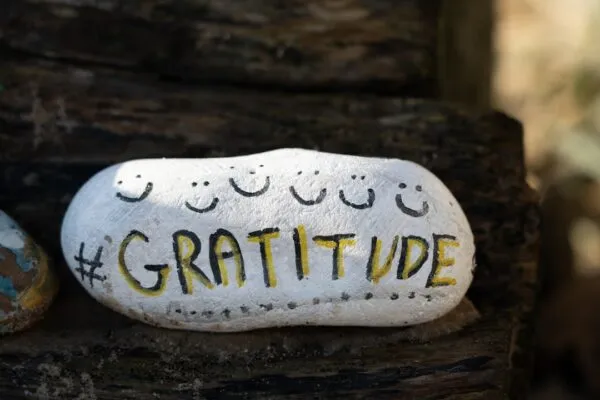
Gratitude is often perceived as a fleeting emotion, a momentary spark of appreciation for a good deed or a fortunate circumstance. However, a deeper examination reveals it to be a strategic investment, a long game that, when cultivated consistently, yields substantial daily dividends. This approach necessitates a shift from passive reception to active practice, transforming gratitude from a reaction into a foundational element of your mental architecture. Your journey with gratitude is not about chasing transient highs, but about building a robust internal engine that powers resilience and well-being, day after day.
Understanding gratitude as a long game requires recognizing its underlying mechanisms. It is not a magical incantation, but a learned skill with demonstrable psychological and physiological benefits. The efficacy of gratitude lies in its ability to systematically alter your cognitive and emotional landscape, creating a more stable and positive internal environment upon which to navigate life's inevitable challenges.
Cultivating a Mindset of Abundance
The core of a long-term gratitude practice is the deliberate cultivation of a mindset that recognizes and values what you have, rather than focusing on what you lack. This is akin to tending a garden; neglecting it leads to overgrowth of weeds (negative thoughts and feelings), while consistent work with soil and seeds (acknowledging blessings) allows for flourishing.
Shifting the Focus from Scarcity to Sufficiency
Your default setting may unconsciously lean towards scarcity. The news cycle, societal pressures, and even evolutionary predispositions can emphasize threats and deficits. A gratitude practice actively counters this by directing your attention to instances of sufficiency. This is not about ignoring problems, but about ensuring that your primary lens is not one of perpetual lack. For example, even on a day where finances are tight, acknowledging the roof over your head, the availability of food, or the warmth of a relationship provides a counterbalance. This deliberate redirection is a muscle that strengthens with use.
Recognizing the Unseen Contributions of Others
Much of what we benefit from daily is the result of the efforts of countless individuals, many of whom we will never know. From the farmers who grew your food to the engineers who designed your infrastructure, their work contributes to your comfort and survival. A consistent gratitude practice involves acknowledging these often-invisible contributions. This broadens your sense of interconnectedness and fosters a more humble and appreciative perspective on your place in the world.
The Science Behind Rewiring Your Brain
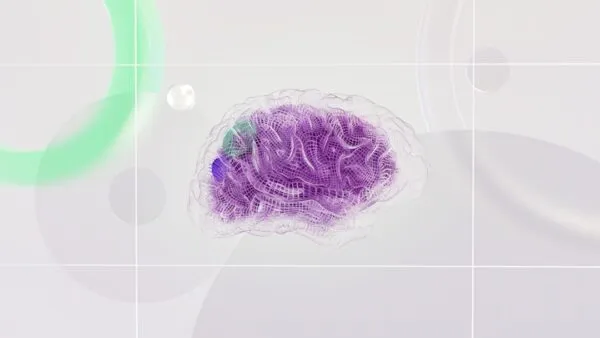
The concept of neuroplasticity is crucial here. Your brain is not a static entity; it can be reshaped by your experiences and your intentional focus. Regularly engaging in gratitude practices triggers specific neural pathways, akin to carving new trails through a forest. Over time, these trails become more defined and easier to traverse, making positive thought patterns more automatic.
Gratitude as a Mental Muscle
Just as physical exercise strengthens your body, mental exercises like gratitude journaling or mindful reflection strengthen your capacity for positive cognition. The act of consciously searching for and articulating things you are grateful for actively engages areas of the brain associated with reward and well-being, such as the prefrontal cortex. Research suggests that consistent practice over 30-90 days can lead to tangible changes in brain chemistry and structure, impacting neurotransmitters like serotonin and dopamine, which are linked to mood regulation and feelings of pleasure. This is not an overnight transformation, but a gradual rewiring that leads to deeper, more ingrained shifts.
Reducing Stress and Anxiety Through Appreciation
One of the most well-documented benefits of a consistent gratitude practice is its impact on stress and anxiety levels. When you are focusing on what you are thankful for, your mind is less likely to ruminate on worries and fears. This is because the physiological stress response, characterized by the release of cortisol, can be dampened by the activation of the parasympathetic nervous system, which is stimulated by feelings of contentment and peace. By habitually turning your attention towards positive aspects of your life, you build a greater capacity to self-soothe and regulate your emotional responses to stressors. This creates a buffer against the everyday anxieties that can chip away at your well-being.
In exploring the concept of gratitude and its long-term benefits, you might find it interesting to read the article titled "The Power of Gratitude in Daily Life." This piece delves into how cultivating a grateful mindset can enhance overall well-being and foster stronger relationships. For further insights, you can check out this related article at The Power of Gratitude in Daily Life.
Implementing Sustainable Gratitude Habits
The "long game" aspect of gratitude is realized through the consistent implementation of daily habits. These are not grand gestures, but small, repeatable actions that, when woven into your routine, build momentum and reinforce the desired mindset. It is the steady, persistent drip that wears away stone, not a single, forceful strike.
The Power of Daily Affirmation
Incorporating gratitude into your daily routine is paramount. This involves making it a non-negotiable part of your day, much like brushing your teeth or eating a meal. The key is consistency, even when motivation is low or circumstances are difficult.
The 30-90 Day Rewiring Cycle
As noted, studies and insights emphasize that a commitment of 30 to 90 days is often cited as a period where significant rewiring of perspective begins to manifest. During this phase, you are actively building new neural pathways. Deviating from the practice during this foundational period can slow the process. Therefore, viewing these initial weeks and months as a crucial construction phase is important for long-term success.
Integrating Gratitude into Existing Routines
The most effective habits are those that leverage existing structures. You might dedicate the first five minutes of your morning, while your coffee brews, to listing three things you are grateful for. Alternatively, you could use your commute to reflect on the positive interactions or observations of the day. Mealtimes can also be opportunities for brief gratitude reflections, perhaps before the first bite. The goal is to make these moments feel natural, not like an added chore.
Journaling as a Tangible Record of Progress
Gratitude journaling provides a concrete way to track your progress and deepen your appreciation. It serves as a repository of positive experiences, a resource to return to during challenging times.
The Act of Articulation: Solidifying Appreciation
The physical act of writing down what you are grateful for has a unique impact. It forces you to be specific and to engage with your thoughts in a more deliberate manner. This process moves the abstract feeling of gratitude into a concrete form, making it more memorable and impactful. Over time, your journal becomes a testament to your growth and a source of comfort.
Revisiting Past Entries for Perspective
When faced with adversity, rereading past gratitude entries can be a powerful tool. It reminds you of the good times and the blessings you have experienced, even amidst current difficulties. This can offer a vital shift in perspective, demonstrating that challenges are often temporary and that a foundation of gratitude remains.
The Daily Payoffs: Beyond Fleeting Happiness
The "pays off daily" aspect of gratitude is not about achieving constant elation, but about fostering a baseline of resilience, contentment, and emotional stability that enhances your everyday experience. These payoffs are not always dramatic, but rather a consistent elevation of your overall well-being.
Enhanced Emotional Stability and Resilience
A strong gratitude practice acts as an emotional anchor. When life throws its inevitable curveballs, you are better equipped to navigate them without being completely unmoored.
Building a Buffer Against Negativity
By consciously practicing gratitude, you are creating a cognitive buffer against negative emotions. When you encounter frustrating situations or receive criticism, your ingrained habit of appreciating the positive allows you to process the negative information without letting it define your entire emotional state. It is like having a strong immune system for your emotions.
The Role of Gratitude in Coping Mechanisms
Gratitude can serve as a healthy coping mechanism. Instead of resorting to unhealthy behaviors to numb difficult emotions, you can turn to your gratitude practice for solace and perspective. This is particularly important in managing common anxieties.
Improved Sleep Quality and Reduced Stress Markers
The connection between gratitude and physical well-being is increasingly recognized. A calmer and more appreciative mind often translates into a more restful body.
Calming the Racing Mind Before Sleep
Many individuals struggle with falling asleep due to an overactive mind filled with worries and to-do lists. A short gratitude reflection before bed can help to quiet this internal chatter, shifting focus from anxieties to positive acknowledgments. This can lead to a more peaceful transition into sleep. Research suggests that this practice can lead to reduced rumination and a greater sense of calm, which are conducive to better sleep hygiene.
Physiological Benefits of a Grateful Outlook
Beyond the psychological, consistent gratitude practice has been linked to tangible physiological benefits. These can include lower blood pressure, a stronger immune system, and reduced levels of stress hormones like cortisol. While not a substitute for medical treatment, a grateful outlook can contribute to a more balanced physiological state, fostering a sense of overall health and well-being.
Gratitude as a Long-Term Investment Strategy
Viewing gratitude as a long game implies an investment mindset. You are investing time and effort now for future returns, not just in terms of grand achievements, but in the quality of your daily existence.
Personal Growth and Positive Daily Attitude
The consistent application of gratitude is a catalyst for continuous personal growth and sustains a more positive outlook. This is not about forced optimism, but about a more realistic and appreciative engagement with life.
The Constant Learner's Perspective
When you regularly acknowledge and appreciate the lessons learned, both from successes and failures, you foster an environment of continuous growth. Each experience becomes an opportunity for learning and development, rather than a final judgment. This makes you a more adaptable and resilient individual.
Gratitude as a Game-Changer for Outlook
As highlighted by Charlotte Content Marketing's perspective for 2026, a consistent gratitude practice is promoted as a "game-changer" for personal growth and a positive daily attitude. This implies that it possesses the power to fundamentally alter your approach to life's events, transforming potentially negative experiences into opportunities for learning and appreciation, thereby fostering a more optimistic and proactive engagement with the year ahead and beyond.
Building Stronger Relationships Through Appreciation
Gratitude's impact extends beyond the individual, significantly influencing interpersonal dynamics. Expressing and feeling gratitude can act as a powerful adhesive in relationships.
The Reciprocity of Appreciation
When you consistently express gratitude to others, you foster a sense of mutual appreciation. This creates a positive feedback loop where individuals feel valued and are more likely to reciprocate those feelings. This strengthens bonds and makes relationships more robust and supportive.
Deepening Connections Through Acknowledgment
Taking the time to acknowledge the efforts and qualities of loved ones solidifies your connections. It signals that you see and value them, which is fundamental to deep and meaningful relationships. This conscious acknowledgment, rather than a taken-for-granted assumption, builds trust and intimacy.
In exploring the concept of gratitude and its long-term benefits, it's interesting to consider how our daily choices can influence our overall well-being. A related article discusses the significance of embracing simple joys, like the comfort of a favorite winter coat, which can serve as a reminder to appreciate the little things in life. You can read more about this perspective in the article on the new style staple, which highlights how such small elements can contribute to a grateful mindset. For more insights, check out this article.
Avoiding the Pitfalls: Authenticity and Realistic Expectations
While the benefits of gratitude are substantial, it is important to approach its cultivation with authenticity and realistic expectations. It is not a panacea for all life's troubles, nor should it be forced or faked.
Authenticity in Practice
Genuine gratitude is not about manufactured positivity. It is about finding real things to appreciate, even when the circumstances are difficult. Forcing gratitude can lead to inauthenticity and a sense of emotional disconnect.
Finding the Silver Lining Without Dismissing the Cloud
It is important to acknowledge that difficult experiences are real and valid. Gratitude does not mean pretending that everything is alright when it is not. Instead, it involves finding aspects of the situation or your response that you can appreciate, even amidst hardship. This is about finding the "silver lining" without denying the existence of the "cloud."
The Danger of Toxic Positivity
Authentic gratitude stands in contrast to "toxic positivity," which is the excessive and often inauthentic insistence on maintaining a positive attitude, even in the face of significant hardship. True gratitude allows for the full spectrum of human emotion while still seeking out points of appreciation.
Realistic Expectations for Daily Payoffs
The "daily payoffs" are not always dramatic breakthroughs. They are often subtle shifts in your internal state, such as feeling a little calmer, more patient, or more connected.
Gratitude as a Marathon, Not a Sprint
Understanding gratitude as a long game means recognizing that its most profound effects develop over time. There will be days when the practice feels more like a chore, and the payoffs may not be immediately apparent. However, consistent effort builds a foundation that sustains you through these periods.
The Importance of Patience and Persistence
Like any worthwhile endeavor, cultivating gratitude requires patience and persistence. There will be moments of doubt and frustration, but by continuing to show up for your practice, you gradually strengthen your capacity for appreciation and reap its enduring rewards. Your commitment to this long game is what ultimately ensures the consistent and meaningful dividends it offers on a daily basis.
FAQs
What does it mean that gratitude is a "long game"?
Gratitude being a "long game" means that its benefits accumulate over time through consistent practice. Rather than expecting immediate results, regularly expressing and feeling gratitude gradually improves mental well-being, relationships, and overall life satisfaction.
How does practicing gratitude daily benefit mental health?
Daily gratitude practice can reduce stress, increase positive emotions, and decrease symptoms of depression and anxiety. It helps shift focus from negative thoughts to positive aspects of life, fostering resilience and emotional balance.
Can gratitude improve relationships with others?
Yes, expressing gratitude strengthens social bonds by promoting feelings of appreciation and trust. It encourages positive interactions, enhances empathy, and can lead to more supportive and fulfilling relationships.
What are some simple ways to practice gratitude every day?
Common methods include keeping a gratitude journal, verbally expressing thanks to others, reflecting on positive experiences, and mindful appreciation of everyday moments. These practices help cultivate a habit of recognizing and valuing good things in life.
Is there scientific evidence supporting the benefits of gratitude?
Yes, numerous studies in psychology have demonstrated that gratitude is linked to improved mood, better sleep, increased happiness, and stronger immune function. Research consistently shows that gratitude practices contribute to long-term emotional and physical health.