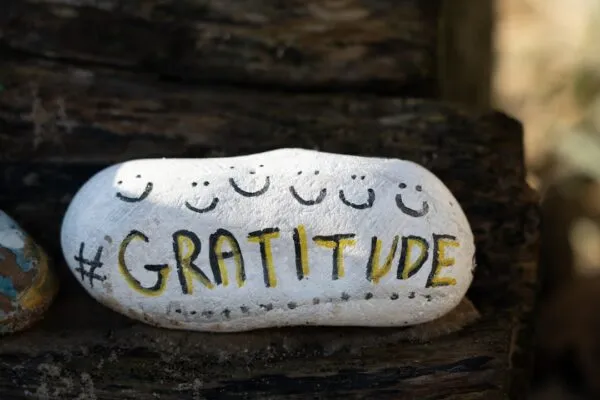
We often consider gratitude a pleasant emotion, a fleeting warmth in response to a kind deed or a fortunate circumstance. However, contemporary research suggests that gratitude is more than a momentary feeling; it is a fundamental cognitive and neurological process that, when actively cultivated, yields demonstrable benefits across various facets of human experience. Our exploration here will delineate the mechanisms through which gratitude influences our mental, emotional, and physical well-being, providing a framework for incorporating gratitude exercises into daily life.
The Neurological Underpinnings of Thankfulness
We observe that the brain’s response to gratitude is neither superficial nor transient. Neuroscientific studies, employing techniques such as fMRI, have illuminated the immediate and sustained alterations in brain activity associated with gratitude practices. The consistent engagement in gratitude exercises appears to strengthen neural pathways associated with positive cognition and emotional regulation, concurrently diminishing the influence of pathways predisposed to negativity and stress. This neural rewiring, an example of neuroplasticity, signifies a fundamental shift in how the brain processes information and emotions.
Prefrontal Cortex Activation and Emotional Regulation
A notable finding is the sustained activation of the prefrontal cortex following gratitude interventions, particularly practices such as writing gratitude letters. This region, critically involved in executive functions, decision-making, and emotional regulation, exhibits heightened activity that can persist for months after the intervention ceases. This persistence suggests that gratitude practices instigate long-term changes, fostering a more resilient emotional landscape. The prefrontal cortex acts as a superintendent, overseeing and optimizing our emotional responses, and gratitude empowers this superintendent to function more effectively.
Activation of Reward and Empathy Circuits
Beyond emotional regulation, gratitude activates brain regions linked to reward, empathy, and meaning-making. This intricate neural network suggests that gratitude is not merely about recognizing a positive external event but also about internalizing its significance, fostering a sense of connection with others, and deriving deeper meaning from life experiences. The activation of reward circuits, for instance, reinforces the practice, making the engagement with gratitude intrinsically pleasurable and therefore more likely to be sustained.
Gratitude exercises can significantly enhance our well-being, especially in challenging times. For those looking to improve their work-from-home experience, incorporating gratitude practices can be particularly beneficial. A related article that explores this topic in depth is titled "The Ultimate Guide to Working From Home," which discusses various strategies to maintain productivity and mental health while working remotely. You can read more about it by following this link: The Ultimate Guide to Working From Home.
The Mental and Emotional Landscape: Cultivating Inner Harmony
Our collective experience and empirical data indicate that engaging in gratitude exercises is significantly correlated with improvements in psychological well-being. The consistent practice of acknowledging positive aspects of life serves as a bulwark against the encroachment of negative emotional states, fostering a more optimistic and resilient cognitive framework.
Enhancing Life Satisfaction and Reducing Distress
We find compelling evidence that gratitude interventions lead to a notable increase in life satisfaction, with scores observed to be approximately 6.86% higher in individuals who regularly practice gratitude. Concurrently, a significant improvement in overall mental health, quantified at 5.8% higher scores, is reported. The reciprocal effect is a measurable reduction in symptoms associated with anxiety (7.76% lower) and depression (6.89% lower). These statistics are not abstract figures; they represent a tangible shift in individuals' subjective experience of their lives, moving from states of chronic distress to greater contentment.
Resilience and Optimism as Outcomes
Gratitude is not merely a mechanism for alleviating present suffering; it also functions as a prophylactic against future adversity. We observe that grateful individuals exhibit heightened optimism, viewing challenges as opportunities for growth rather than insurmountable obstacles. This optimistic outlook, coupled with an augmented capacity for resilience, enables individuals to recover more effectively from stressful events. Like a flexible reed in a storm, a grateful mind bends but does not break under pressure, demonstrating an enhanced ability to "bounce back."
Gratitude in Developmental Contexts
The benefits of gratitude extend across the lifespan, particularly manifesting during developmental stages. A comprehensive review of 64 studies revealed that children and adolescents who engaged in gratitude practices experienced better overall mental health. This suggests that introducing gratitude exercises early in life can lay a robust foundation for sound psychological development, equipping younger generations with essential tools for emotional regulation and well-being.
The Somatic Connection: Gratitude's Impact on Physical Health
Our understanding of the mind-body connection has profoundly advanced, revealing that mental and emotional states are not sequestered from physiological processes. Gratitude, as a powerful psychological construct, exerts a measurable influence on various aspects of our physical health, extending beyond the realm of subjective well-being.
Mitigating Stress and Improving Cardiovascular Function
One of the most consequential physiological effects of gratitude is its capacity to reduce cortisol, commonly known as the stress hormone. Elevated levels of cortisol are linked to numerous detrimental health outcomes, including cardiovascular disease and compromised immune function. By attenuating cortisol levels, gratitude directly contributes to superior cardiac functioning, reducing the strain on the cardiovascular system. This reduction in physiological stress is akin to lowering the sustained high RPMs on an engine, preventing premature wear and tear.
Enhancing Sleep Quality
The reduction in stress hormones also translates to improved sleep quality, a critical determinant of overall health. Chronic sleep deprivation is associated with a myriad of health problems, from impaired cognitive function to increased risk of chronic diseases. By fostering a calmer internal environment, gratitude aids in the initiation and maintenance of restorative sleep, allowing the body and mind to recuperate effectively.
Anti-inflammatory and Immunomodulatory Effects
Further research indicates that gratitude contributes to a reduction in inflammatory biomarkers. Chronic inflammation is a pervasive underlying factor in numerous diseases, including autoimmune disorders, metabolic syndromes, and certain cancers. By mitigating these inflammatory processes, gratitude exercises play a role in disease prevention and management. Moreover, gratitude supports lower blood pressure and strengthens immune function, enhancing the body’s innate ability to defend against pathogens and maintain homeostasis. The immune system, our internal defense force, becomes more robust and efficient under the influence of regular gratitude.
Practical Applications: Integrating Gratitude into Daily Life
Having established the extensive benefits of gratitude, we now turn our attention to the actionable strategies for cultivating this essential trait. The effectiveness of gratitude exercises lies in their simplicity and adaptability, making them accessible to individuals of various ages and circumstances.
Structured Gratitude Practices
Several structured exercises have been developed and empirically validated to promote gratitude. These practices typically require minimal time investment but yield significant returns in terms of well-being.
The Gratitude Journal
One of the most enduring and effective gratitude exercises is the gratitude journal. The act of physically writing down specific things for which we are grateful, even if only for 10-15 minutes daily, has been shown to be impactful. This practice encourages conscious reflection and active acknowledgment of positive aspects of life, shifting focus away from perceived deficits. Even first-graders have demonstrated the efficacy of this method, highlighting its universal applicability. The journal serves as a tangible record of positivity, a personal archive of blessings that can be revisited during challenging times.
Writing Thank-You Cards and Gratitude Collages
Beyond personal reflection, expressing gratitude to others through thank-you cards or more creative outlets like gratitude collages reinforces the feeling. The act of articulating appreciation to another individual solidifies the emotional experience not only for the recipient but also for the giver. Gratitude collages, involving visual representations of things one is grateful for, offer a multi-sensory approach to the practice, making it particularly engaging for some individuals.
Foundational Daily Practices
Beyond formal exercises, integrating gratitude into the fabric of daily routines can significantly enhance its impact. These foundational practices require even less structured time but still harness the power of appreciative reflection.
Morning Gratitude
We advocate for the practice of identifying one thing for which we are grateful before even rising from bed each morning. This simple act primes the mind for positivity, setting an appreciative tone for the day ahead. This initial mental calibration can significantly influence subsequent thoughts and interactions. It's like setting the compass bearing for the day before ever embarking on the journey.
End-of-Day Reflection
Conversely, at the end of each day, we encourage individuals to list two to three moments or events for which they felt grateful. This reflection helps to consolidate positive experiences and counters the natural human tendency to dwell on negative occurrences. This ritual of evening reflection acts as a psychological nightcap, promoting a sense of contentment before sleep.
Engaging in gratitude exercises can significantly enhance your overall well-being, and one delightful way to practice this is by savoring the simple pleasures in life, such as enjoying a delicious meal. For instance, preparing a special breakfast like blueberry pancakes can serve as a wonderful reminder to appreciate the small joys. If you're interested in trying out a recipe that embodies this spirit, you can check out this article on blueberry pancakes with maple syrup here. Embracing such moments can deepen your gratitude practice and enrich your daily experiences.
The Social Fabric: Gratitude's Prosocial Resonance
Our collective human experience is inherently social, and gratitude plays a pivotal role in strengthening the bonds that connect us. The outward expression and internal cultivation of thankfulness ripple through social networks, fostering a more supportive and harmonious environment.
Fostering Prosocial Behavior and Support Networks
We observe that individuals who regularly practice gratitude tend to exhibit more prosocial behaviors. This includes acts of kindness, altruism, and a greater willingness to offer assistance to others. This outward expression of gratitude, in turn, often elicits reciprocal positive responses from others. Grateful people receive greater support from their social networks, creating a virtuous cycle of mutual aid and encouragement. Gratitude acts as a social lubricant, reducing friction and enhancing the smooth operation of interpersonal relationships.
Building Stronger Relationships
The consistent practice of gratitude, both internally and externally, contributes to the development of stronger, more resilient relationships. By acknowledging the contributions and positive attributes of those around us, we deepen our connections and foster a sense of mutual appreciation. This creates a more positive and affirming relational environment, where individuals feel valued and understood. In essence, gratitude serves as a mortar, binding the bricks of our relationships more firmly together.
In summation, our comprehensive examination of gratitude exercises reveals a multifaceted practice with profound and verifiable benefits. From its immediate impact on brain chemistry to its long-term effects on mental, physical, and social well-being, gratitude emerges as a powerful tool for personal and collective betterment. By consciously integrating these simple yet potent exercises into our daily lives, we can cultivate a more thankful disposition, thereby fostering a more contented, resilient, and connected existence for ourselves and for those around us.
FAQs
What are gratitude exercises?
Gratitude exercises are activities designed to help individuals focus on and appreciate the positive aspects of their lives. These exercises often involve reflecting on things one is thankful for, which can improve mental well-being and foster a positive mindset.
How do gratitude exercises benefit mental health?
Practicing gratitude exercises regularly can reduce stress, increase happiness, and improve overall emotional resilience. They help shift attention away from negative thoughts and promote a more optimistic outlook on life.
What are some common types of gratitude exercises?
Common gratitude exercises include keeping a gratitude journal, writing thank-you letters, mentally listing things you are grateful for each day, and sharing gratitude with others verbally or in writing.
How often should gratitude exercises be practiced?
For best results, gratitude exercises can be practiced daily or several times a week. Consistency helps reinforce positive thinking patterns and enhances the benefits over time.
Can gratitude exercises be done individually or in groups?
Gratitude exercises can be done both individually and in groups. Individual practice allows for personal reflection, while group activities can foster social connection and shared positivity.