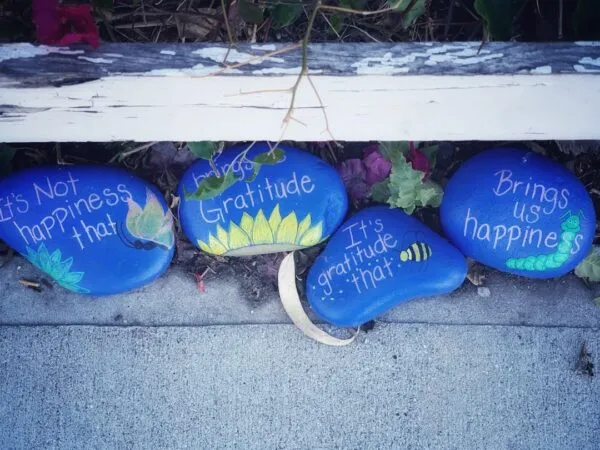
When we embark on the journey of emotional healing, we often seek various tools and methodologies to navigate the labyrinthine corridors of our inner selves. Among these, gratitude emerges not as a mere pleasantry, but as a robust and scientifically supported mechanism for fostering profound psychological well-being. We, as individuals and as a collective, possess an innate capacity to cultivate gratitude, and in doing so, we unlock a powerful healing modality. This article aims to explore how gratitude supports emotional healing, drawing upon contemporary research and observations, presented in a factual and accessible manner.
Our brains are remarkably adaptable organs, constantly being shaped by our experiences and thoughts. Gratitude, when regularly practiced, initiates a series of neurological changes that directly contribute to emotional healing. It's not merely a feeling; it's a physiological process with tangible effects.
Rewiring the Brain for Resilience
Neuroscientific studies indicate that engaging in gratitude practices actively reconfigures neural pathways. This process, often referred to as neuroplasticity, allows our brains to adapt and form new connections. Specifically, the prefrontal cortex, a region crucial for decision-making, emotional regulation, and social behavior, exhibits increased activity. This heightened activity is analogous to strengthening a muscle; the more we engage in grateful thinking, the more robust our capacity for resilience becomes. We are, in essence, training our brains to better withstand psychological stressors and to bounce back from adversity more effectively. This resilience acts as a protective shield, preventing us from being overwhelmed by emotional distress and empowering us to navigate challenges with greater equilibrium.
Balancing the Negativity Bias
Human psychology often leans towards a negativity bias, where we tend to give more weight and attention to negative experiences than to positive ones. This evolutionary trait, once vital for survival in dangerous environments, can now, in our modern world, hinder our emotional well-being by constantly pulling our focus towards perceived threats and deficiencies. Gratitude serves as a counterbalance to this inherent bias. By consciously acknowledging and appreciating positive aspects of our lives, we actively redirect our attention. This redirection is not about ignoring difficulties, but rather about cultivating a more balanced perspective. We begin to perceive the "silver lining" not as a trite saying, but as a genuine facet of reality, enabling us to acknowledge pain while simultaneously recognizing blessings. This shift in perceptual focus broadens our emotional repertoire, moving us beyond a perpetual state of vigilance and towards a more nuanced understanding of our experiences.
In exploring the profound impact of gratitude on emotional healing, one might find it insightful to read a related article that delves into the therapeutic benefits of creating a nurturing environment. This article discusses how the physical space we inhabit can influence our emotional well-being and support our healing journey. For more information, you can check out the article here: Creating a Nurturing Environment for Emotional Healing.
Gratitude's Impact on Mental Health Symptoms
The debilitating effects of mental health conditions such as depression and anxiety are widely recognized. Gratitude has been demonstrably shown to mitigate these symptoms, offering a pathway toward emotional alleviation and stability.
Diminishing Depression and Anxiety
Research consistently indicates a significant correlation between regular gratitude practice and a reduction in symptoms associated with depression and anxiety. It has been theorized that genuine gratitude and depression cannot co-exist in the same mental space simultaneously. When we actively engage in grateful thought, we are shifting our focus away from rumination, self-criticism, and the pessimistic thought patterns often characteristic of depressive states. This redirection of cognitive resources acts as a disruption to the cycle of negative thinking. Similarly, for anxiety, gratitude can serve as an anchor, bringing our attention to the present moment and fostering a sense of safety and contentment, thereby reducing the anticipatory dread and worry that define anxious states. We may find ourselves experiencing a notable uplift in positive emotions, with reported increases of 25-30%, and a corresponding enhancement in overall life satisfaction. This translates into a felt experience of greater joy, contentment, and a renewed sense of purpose.
Combating Toxic Emotions
Beyond depression and anxiety, gratitude also proves effective in neutralizing other toxic emotions that erode our emotional health. Envy, a corrosive emotion that breeds discontent and resentment, is particularly susceptible to the balm of gratitude. When we focus on what we have, rather than what others possess, the urge to compare and covet diminishes. Similarly, resentment, a stubborn antagonist to inner peace, can be softened through a grateful perspective. By acknowledging genuine kindness or positive aspects even in challenging relationships, we can slowly dismantle the edifice of bitter feelings. This emotional detoxification allows us to shed the heavy burden of negative feelings, freeing up emotional energy for more constructive and healing processes.
Enhancing Stress Coping and Emotional Regulation
Life is inherently filled with stressors, both large and small. Our ability to cope with these pressures and regulate our emotional responses is paramount to our overall well-being. Gratitude profoundly influences these capacities.
Shifting from Survival to Creative Mindset
When confronted with stress, our physiological response often triggers the "fight or flight" mechanism, pushing us into a survival mindset. This state is characterized by heightened vigilance, constricted thinking, and a focus on immediate threat. Gratitude, however, acts as a circuit breaker for this perpetual alarm system. By consciously seeking out elements of appreciation, even amidst chaos, we begin to transition from a survival-driven mode to a more creative and expansive mindset. This shift allows us to perceive problems not merely as obstacles to overcome, but as opportunities for growth and innovation. It's akin to moving from a narrow, darkened tunnel to an open field with a broader horizon, offering new perspectives and possibilities for problem-solving and adaptation.
Calming Fears During Transitions
Periods of transition, whether personal (e.g., career changes, divorce) or societal (e.g., economic instability, global crises), are inherently fraught with uncertainty and fear. These "great unraveling" moments can be particularly destabilizing for our emotional equilibrium. Gratitude offers a powerful antidote to this fear by grounding us in the present and reminding us of enduring strengths and blessings. Through practices such as gratitude journaling or meditation, we can consciously acknowledge the constants in our lives, the sources of support, and the intrinsic resilience we possess. This deliberate act of appreciation helps to soothe the anxieties associated with the unknown, allowing us to navigate periods of significant change with greater equanimity and a sense of inner peace. It helps us to view these challenging periods not as sheer destruction, but as opportunities for renewal and growth, like a forest fire clearing old growth for new life.
Physical Health Benefits and Social Connectivity
The ripple effects of gratitude extend beyond the purely psychological, impacting our physical health and the strength of our social bonds. This interconnectedness underscores the holistic nature of emotional healing.
Improved Sleep Quality
Sleep is a fundamental pillar of both physical and emotional health. Insomnia and disturbed sleep patterns are common companions to emotional distress. Remarkably, a consistent gratitude practice can significantly improve sleep quality. Engaging in a mere 15 minutes of gratitude writing before bed has been shown to facilitate faster sleep onset and promote deeper, more restorative sleep. The mechanism behind this is believed to involve a reduction in rumination and anxious thoughts that often preclude sleep. By shifting our focus to positive experiences, we quiet the mental chatter, creating a more conducive environment for rest. This improvement in sleep then creates a positive feedback loop, enhancing our emotional resilience and coping abilities during waking hours.
Enhanced Cardiovascular Health and Immune Function
The mind-body connection is undeniable, and gratitude provides a clear illustration of this principle. Studies suggest that expressing gratitude can lead to measurable physiological changes, including a reduction in blood pressure. Chronic stress and negative emotional states are known contributors to hypertension, so by cultivating positive emotions through gratitude, we indirectly support cardiovascular health. Furthermore, robust social support, often a byproduct of gratitude, can play a mediating role in reducing inflammation and strengthening the immune system. When we feel appreciated and connected, our bodies respond with greater resilience, enhancing our ability to ward off illness and recover more effectively.
Strengthening Social Bonds and Support Systems
Humans are inherently social beings, and our connections with others are vital for our emotional well-being. Gratitude plays a pivotal role in fostering and strengthening these crucial social bonds. When we express gratitude, we not only uplift the recipient but also reinforce our own sense of connection and belonging.
Increasing Perceived Social Support
Feeling supported by others is a powerful buffer against loneliness and emotional distress. Gratitude directly contributes to an increased perception of social support. When we actively notice and appreciate the kindness, assistance, and care extended to us by friends, family, and even strangers, we become more attuned to the network of support that surrounds us. This increased awareness cultivates a sense of security and belonging, reducing feelings of isolation and alienation, which are significant impediments to emotional healing. We start to see the safety net woven by those around us, rather than focusing on perceived gaps.
Fostering Mutual Support Cycles
Gratitude is not a unidirectional emotion; it often inspires reciprocity, creating virtuous cycles of mutual support. When we express appreciation, it encourages others to continue their supportive behaviors. This creates a positive feedback loop where both the giver and receiver experience enhanced well-being. These cycles of mutual support are fundamental to building strong, resilient communities and interpersonal relationships. In times of difficulty, these established networks become invaluable resources for emotional solace, practical assistance, and shared resilience. It's like a communal garden; the more we nurture it with gratitude, the more abundantly it yields for everyone.
In exploring the profound impact of gratitude on emotional healing, one can also appreciate how simple pleasures, like enjoying a delicious meal, can enhance our overall well-being. For instance, the act of preparing and savoring a comforting dish can evoke feelings of joy and appreciation, further supporting our emotional health. A delightful recipe for blueberry pancakes with maple syrup not only offers a tasty treat but also serves as a reminder of the small moments that can bring us happiness. To learn more about this delicious recipe, you can visit this link.
Building Overall Well-being in Challenges
The utility of gratitude is perhaps most evident during periods of significant challenge. It acts as an internal compass, guiding us through turbulent waters and helping us to cultivate peace amidst profound uncertainty.
Fostering Individual and Communal Resilience
Resilience, the ability to adapt and recover from adversity, is a cornerstone of emotional health. Gratitude plays a critical role in building both individual and communal resilience. On an individual level, by regularly focusing on what we appreciate, we develop a more positive cognitive appraisal of difficult situations. This doesn't mean ignoring the hardship, but rather recognizing our capacity to endure and find meaning even within it. Communally, shared gratitude practices, such as expressing appreciation for collective efforts or support systems, can strengthen group cohesion and a sense of shared purpose during crises. This collective resilience acts as a societal safety net, allowing communities to navigate "tough times" with greater unity and determination.
Cultivating Peace Amidst Uncertainty
In a world often characterized by rapid change and unpredictable events, uncertainty can be a potent source of anxiety. Gratitude provides a sanctuary of peace amidst this turbulence. Practices like gratitude journaling, where we systematically note things we are grateful for, or gratitude meditation, where we calmly reflect on sources of appreciation, allow us to anchor ourselves in the present moment. This grounding effect helps to quiet the mind's tendency to catastrophize or endlessly speculate about future difficulties. By consciously acknowledging blessings, even small ones, we cultivate a sense of contentment and inner tranquility that acts as a buffer against the destabilizing forces of uncertainty. It's like finding a still point within a spinning world, allowing us to observe the chaos without being consumed by it.
In conclusion, our exploration reveals that gratitude is far more than a polite sentiment; it is a fundamental pillar of emotional healing and well-being. From its neurobiological impact on brain function to its demonstrable effects on mental and physical health, social relationships, and resilience in the face of adversity, the evidence consistently points to its profound benefits. As we navigate the complexities of life, particularly during challenging periods, we possess within us a simple yet potent tool: the capacity for gratitude. By consciously cultivating it, we engage in a powerful act of self-care and communal support, paving the way for deeper emotional healing and a more fulfilling existence. We are, each of us, capable of harnessing this power, thereby transforming not only our individual lives but also the collective human experience.
FAQs
What is gratitude and how is it defined in emotional healing?
Gratitude is the practice of recognizing and appreciating the positive aspects of life. In emotional healing, it involves acknowledging the good experiences and support one receives, which can foster a more positive mindset and aid recovery from emotional distress.
How does gratitude impact mental health?
Gratitude has been shown to reduce symptoms of depression and anxiety by promoting positive emotions, improving self-esteem, and enhancing overall psychological well-being. It helps shift focus away from negative thoughts and encourages a more optimistic outlook.
Can practicing gratitude improve relationships during emotional healing?
Yes, expressing gratitude can strengthen relationships by increasing feelings of connection and trust. It encourages empathy and reduces feelings of resentment, which supports emotional healing through social support and improved communication.
What are common ways to practice gratitude for emotional healing?
Common practices include keeping a gratitude journal, writing thank-you notes, reflecting on positive experiences daily, and verbally expressing appreciation to others. These activities help reinforce positive thinking and emotional resilience.
Is gratitude effective for all types of emotional challenges?
While gratitude is beneficial for many emotional challenges, such as stress, anxiety, and mild depression, it is not a substitute for professional treatment in severe mental health conditions. It is most effective when used as a complementary practice alongside other therapeutic approaches.