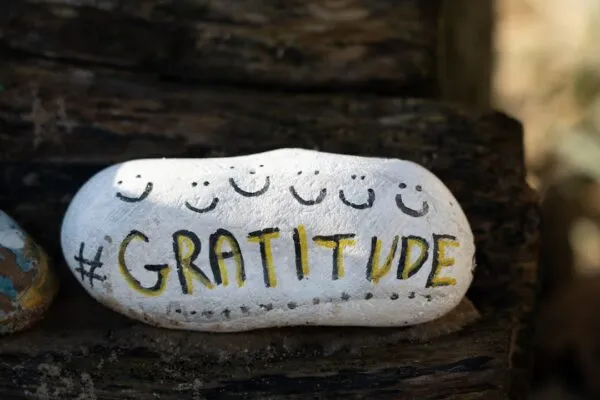
We often find ourselves caught in a relentless pursuit, a perpetual striving for what's next. We chase goals with an intensity that can drain our reserves, believing that achieving these milestones will unlock enduring happiness. Yet, a growing body of evidence suggests that perhaps we've been overlooking a more accessible and potent wellspring of well-being: gratitude. While motivation propels us forward, it is often gratitude that truly anchors us, fostering a deeper, more resilient sense of contentment. In this exploration, we will delve into why gratitude, in its quiet appreciation, can elevate our moods more effectively than the often-frenetic energy of motivation.
Before we can fully appreciate why gratitude holds such sway over our emotional landscape, it is crucial to establish a clear understanding of what it entails. Gratitude is more than just a fleeting "thank you." It is a conscious recognition and appreciation of the good things in our lives, both large and small. It is an acknowledgment of the beneficial elements that contribute to our well-being, and the recognition that these benefits often originate from sources beyond our immediate control.
Distinguishing Gratitude from Simple Pleasure
It is important to differentiate gratitude from mere pleasure. Pleasure is often a transient sensation, a fleeting spike of dopamine triggered by immediate gratification. Think of the joy of eating a delicious meal or the excitement of buying a new gadget. While these experiences contribute to happiness, their impact is often short-lived. Gratitude, on the other hand, cultivates a more sustained sense of appreciation. It is the feeling that arises after reflecting on the source of that pleasure, acknowledging the effort, kindness, or fortunate circumstances that made it possible.
The Role of Acknowledgment and Appreciation
At its core, gratitude involves a two-pronged process: acknowledgment and appreciation. Acknowledgment is the cognitive recognition of a benefit. This could be as simple as noticing the sun on our skin or as complex as understanding the intricate network of people and systems that brought us our daily bread. Appreciation is the emotional response to that acknowledgment – a feeling of warmth, thankfulness, and often, a sense of connection to the giver or the source of the good. This emotional response is where the power for mood enhancement truly lies.
Gratitude as a Disposition, Not Just an Act
While we can certainly engage in acts of gratitude, it is most impactful when cultivated as a disposition, a way of viewing the world. A grateful disposition means that we are predisposed to notice and appreciate the good, even amidst challenges. It's like wearing a pair of tinted glasses that subtly highlight the positive, without denying the existence of shadows. This consistent gentle focus on the positive reorients our internal compass, steering us away from perpetual dissatisfaction.
In exploring the profound effects of gratitude on mental well-being, one might find it interesting to consider how certain activities, such as cooking and sharing meals, can further enhance feelings of gratitude and joy. A related article that delves into this theme is the delightful recipe for blueberry pancakes with maple syrup, which not only offers a delicious way to practice gratitude through the act of cooking but also emphasizes the joy of sharing food with loved ones. You can read more about this uplifting culinary experience in the article available at Blueberry Pancakes with Maple Syrup Recipe.
The Nature of Motivation: A Double-Edged Sword
Motivation is the driving force behind our actions. It is the engine that propels us to set goals, overcome obstacles, and strive for achievement. Without motivation, we would remain stagnant, lacking the impetus to grow or improve. However, the very nature of motivation, particularly when fixated on future outcomes, can inadvertently create a fertile ground for dissatisfaction.
The "If-Then" Fallacy of Motivation
A common pitfall of motivation is its inherent "if-then" structure: "If I achieve X, then I will be happy," or "If I earn Y, then I will be content." This conditional happiness means that our current state is perpetually viewed as insufficient. We are always looking ahead, measuring our present selves against a future ideal. This constant deferral of happiness can lead to a cycle of striving and temporary relief, rather than a stable foundation of well-being. The journey itself becomes a means to an end, rather than an experience to be savored.
The Dopamine Loop and Hedonic Adaptation
Motivation often taps into the brain's reward system, particularly the release of dopamine. While this is essential for learning and goal pursuit, it can also contribute to hedonic adaptation. This is the phenomenon where we become accustomed to positive stimuli, and their effect diminishes over time. The thrill of a new achievement, much like the taste of a favorite food, can fade. To maintain the same level of satisfaction, we then need increasingly significant rewards, creating an endless chase. Motivation, in this sense, can be like a treadmill; we keep running to stay in the same place, or to get slightly further ahead, but the fundamental landscape doesn't change fundamentally.
The Potential for Burnout and Anxiety
When motivation becomes an all-consuming pursuit, it can lead to burnout and anxiety. The pressure to perform, to achieve, and to constantly push boundaries can take a significant toll on our mental and physical health. The fear of failure can become a powerful motivator, but it is a motivator rooted in negativity. This can breed a sense of unease and a perpetual feeling of not being good enough, a stark contrast to the calm assurance that gratitude can bring.
Gratitude as a Mood Enhancer: The Science and the Experience
The impact of gratitude on our mood is not merely anecdotal; it is increasingly supported by scientific research. Studies have consistently shown that actively practicing gratitude leads to measurable improvements in emotional well-being.
The Evidence from Meta-Analyses
As demonstrated by a meta-analysis conducted in 2023, gratitude interventions have a significant positive effect on mood. This comprehensive review of numerous studies revealed that individuals who engaged in gratitude practices experienced notable boosts in positive emotions. Furthermore, these interventions were linked to a reduction in symptoms of anxiety and depression. Specifically, the meta-analysis reported higher scores on gratitude scales (like the GQ-6, by approximately 3.42%, with a p-value of 0.004, indicating statistical significance) and an increase in overall life satisfaction (by 6.86%). This empirical data provides a robust foundation for understanding gratitude's efficacy.
Neurological Pathways to Well-being
Neuroscience insights further illuminate why gratitude has such a profound impact. Regular gratitude practice is not just a superficial act; it induces tangible, long-term changes in the brain. Through various neurological mechanisms, gratitude can enhance mood regulation, build resilience, and foster a general sense of well-being. Areas of the brain associated with positive emotional processing, social bonding, and self-awareness appear to be activated and strengthened through consistent gratefulness. It is as if we are rewiring our brains to more readily perceive and savor the good.
Gratitude Journaling: A Structured Approach
The recommendations for mental health resolutions in late 2025 highlight the practical application of gratitude. Gratitude journaling, an accessible and structured method for practicing thankfulness, is being increasingly recommended. This practice is recognized for its capacity to shift our mindset and alleviate stress. Crucially, it is noted to outperform more unstructured habits in fostering consistent positive mood benefits. The act of writing down what we are grateful for forces us to pause, reflect, and actively engage with the positive aspects of our lives, thereby embedding these feelings more deeply.
Why Gratitude Trumps Motivation for Sustained Mood
While motivation can provide surges of energy and a sense of accomplishment, its effects on mood are often fleeting. Gratitude, on the other hand, cultivates a more stable and enduring sense of contentment.
Shifting Focus from Lack to Abundance
Motivation often keeps our gaze fixed on what we lack – the goals we haven't yet achieved, the improvements we need to make. It operates from a premise of deficiency. Gratitude, conversely, draws our attention to what we have. It is a conscious redirection from scarcity to abundance. This shift in perspective is fundamental to improving mood. Imagine a drought-stricken land; motivation might relentlessly drill for water, a necessary but arduous task. Gratitude, however, notices the dew on the surviving plants, the resilience of the ecosystem, and the potential for life's persistence, fostering a sense of hope and appreciation for what remains.
Cultivating Present Moment Appreciation
Motivation is inherently future-oriented. It is about reaching a destination. Gratitude, however, is deeply rooted in the present moment. It encourages us to savor the experiences, relationships, and circumstances we have right now. This ability to be present and appreciate the current moment is a powerful antidote to rumination about the past or anxiety about the future. When we are grateful, we are more likely to find joy in the simple act of being, rather than constantly striving to become something or acquire something.
Building Resilience Through Appreciation
When challenges inevitably arise, a foundation of gratitude acts as a powerful buffer. Instead of being overwhelmed by setbacks, a grateful individual is more likely to draw upon the existing good in their lives to navigate difficult times. The knowledge that they have people who care, resources that sustain them, and past positive experiences to draw upon can provide a sense of hope and strength that raw motivation alone cannot offer. Gratitude doesn't negate hardship, but it reframes our capacity to endure it by highlighting our inherent resources and support systems.
Fostering Connection and Reducing Social Comparison
Gratitude often involves recognizing the contributions of others. This fosters a sense of connection and interdependence, which are crucial for mental well-being. When we are focused on thanking others, we are less likely to engage in destructive social comparison, the detrimental habit of measuring our lives against those of others and often finding ourselves wanting. Gratitude helps us appreciate our own unique journey and the support we receive, rather than feeling inadequate in comparison to perceived external successes.
In exploring the profound effects of gratitude on our emotional well-being, it's interesting to consider how cultivating a grateful mindset can enhance our overall mood more effectively than mere motivation. For those looking to delve deeper into the benefits of gratitude, a related article discusses the importance of appreciation in various aspects of life, including the joy of selecting high-quality items that bring us happiness. You can read more about this in the article on high-quality jewelry from selected luxury brands, which highlights how gratitude can elevate our experiences and choices.
Practical Applications of Gratitude for Mood Enhancement
The good news is that cultivating gratitude is an accessible practice that can be integrated into our daily lives. The more we actively engage in it, the more naturally it becomes a part of our outlook.
The Power of Gratitude Journaling
As mentioned earlier, gratitude journaling is a highly effective method. Dedicating even a few minutes each day to write down three to five things we are genuinely grateful for can have a significant impact. This could include anything from a sunny day to a kind word from a stranger, a supportive friend, or a personal accomplishment. The act of articulating these sentiments solidifies them in our minds.
Expressing Thanks Directly
Beyond journaling, directly expressing our gratitude to others is incredibly potent. A genuine "thank you" can not only brighten the recipient's day but also reinforce our own feelings of appreciation. This can take the form of a verbal acknowledgment, a handwritten note, or a thoughtful gesture. These acts create positive feedback loops, strengthening both our own mood and our relationships.
Cultivating Mindful Awareness
Developing mindful awareness allows us to notice opportunities for gratitude throughout the day. This involves paying attention to our senses, our surroundings, and the small moments that often pass us by unnoticed. By training ourselves to be present, we increase our capacity to recognize and appreciate the good that is constantly surrounding us. It's about learning to see the intricate tapestry of life, not just the prominent threads.
Shifting Internal Dialogue
We can consciously work to shift our internal dialogue from one of complaint or criticism to one of appreciation. When we catch ourselves dwelling on negative thoughts, we can intentionally pivot our focus to something positive. This is not about suppressing negative emotions but about intentionally cultivating a counterbalance. It's like learning to tune a radio station; we can choose to lock onto the frequency of negativity, or we can intentionally adjust the dial to the station of gratitude.
In exploring the profound effects of gratitude on mental well-being, one might find it interesting to read about how personal style can also influence mood. For instance, the article on the significance of a brown winter coat as a new style staple highlights how our choices in clothing can impact our self-perception and confidence. This connection between external appearances and internal feelings complements the idea that cultivating gratitude can lead to improved emotional states. To delve deeper into this topic, you can check out the article here.
The Enduring Impact: Gratitude as a Long-Term Strategy
While motivation offers temporary boosts, gratitude provides the scaffolding for enduring well-being. Its impact is not about fleeting highs but about building a resilient and content inner world.
A Shift Towards Lasting Contentment
Motivation often seeks a destination – a future point of happiness. Gratitude, however, finds happiness in the journey and in the present moment, fostering a more sustainable form of contentment. This contentment is not dependent on external achievements but on an internal shift in perspective. It is less of a race to the finish line and more of a deep appreciation for the landscape we are traversing.
Enhanced Emotional Regulation
A consistent practice of gratitude has been shown to enhance our ability to regulate emotions. By actively focusing on the positive, we become less susceptible to the corrosive effects of negative thoughts and emotions. This doesn't mean we never experience sadness or frustration, but we are better equipped to process them and return to a more balanced emotional state. It's like having a strong emotional immune system.
Deeper Relationships and Social Bonds
Gratitude fosters a sense of connection and strengthens our relationships. When we feel appreciated, we are more likely to extend that appreciation to others, creating a virtuous cycle of kindness and reciprocity. These strong social bonds are a significant contributor to overall happiness and well-being.
In conclusion, while motivation undeniably plays a role in our progress and achievements, it is gratitude that offers a more profound and lasting pathway to improved mood and overall well-being. By consciously cultivating a practice of thankfulness, we can shift our focus from what we lack to what we have, anchor ourselves in the present moment, and build a more resilient and contented emotional foundation. It is an invitation to savor the richness of our lives, not to perpetually chase an elusive future ideal.
FAQs
What is the main difference between gratitude and motivation?
Gratitude involves recognizing and appreciating the positive aspects of life, while motivation is the drive or desire to achieve specific goals. Gratitude focuses on contentment and acknowledgment, whereas motivation centers on action and ambition.
How does gratitude improve mood more effectively than motivation?
Gratitude enhances mood by fostering positive emotions, reducing stress, and increasing overall well-being. Unlike motivation, which can sometimes create pressure or anxiety to perform, gratitude promotes a sense of satisfaction and emotional balance.
Can practicing gratitude have long-term mental health benefits?
Yes, regular practice of gratitude has been linked to long-term benefits such as increased happiness, reduced symptoms of depression and anxiety, and improved resilience against stress.
Is motivation less important than gratitude for emotional well-being?
Both gratitude and motivation play important roles in emotional well-being. While gratitude improves mood and emotional health, motivation is essential for goal achievement and personal growth. They complement each other rather than one being more important than the other.
What are some simple ways to practice gratitude daily?
Simple ways to practice gratitude include keeping a gratitude journal, expressing thanks to others, reflecting on positive experiences, and consciously acknowledging things you appreciate throughout the day. These practices can help improve mood and overall outlook.