In contemporary discourse, gratitude is frequently championed not merely as an emotion but as a deliberate and sustained practice. This perspective posits that cultivating gratitude hinges on your capacity to remain anchored in the current moment, fostering an awareness of present boons rather than future anxieties or past regrets. Examining gratitude through this lens reveals its profound implications for your cognitive, emotional, and social well-being, suggesting it is a dynamic tool for navigating the complexities of modern existence.
Your brain is not a static organ; it is a continuously evolving landscape, shaped by your experiences and conscious efforts. Gratitude, when practiced consistently, initiates a cascade of neurochemical changes that reinforce positive neural pathways.
Dopamine and Serotonin Pathways
Dianne Glavas, in her "2026 Gratitude Routine," highlights the direct link between gratitude and the brain's reward system. Engaging in grateful contemplation stimulates the release of dopamine, a neurotransmitter associated with pleasure, motivation, and reward. This creates a positive feedback loop: the act of feeling grateful is intrinsically rewarding, encouraging you to seek out and appreciate more positive aspects of your life. Simultaneously, gratitude is understood to influence serotonin levels, which are critical for mood regulation, sleep, and overall emotional stability. By consciously directing your thoughts towards what you appreciate, you are essentially providing your brain with a potent, natural antidepressant.
Rewiring for Resilience
The consistent activation of these neural pathways through gratitude contributes to neuroplasticity, the brain's ability to reorganize itself by forming new neural connections. This rewiring is not merely theoretical; it manifests in your capacity to adapt to stress and adversity. Instead of your brain reflexively defaulting to negative emotional responses when confronted with challenges, gratitude equips it with alternative, more adaptive response patterns. This heightened resilience acts as an internal shock absorber, allowing you to bounce back more effectively from setbacks.
In exploring the theme of gratitude as a practice of staying present, it's insightful to consider how our work environments impact our ability to cultivate this mindset. A related article, "The Ultimate Guide to Working from Home," delves into strategies for maintaining productivity and mindfulness while working remotely. By integrating gratitude into our daily routines, we can enhance our focus and overall well-being. You can read more about it here: The Ultimate Guide to Working from Home.
Gratitude as a Present-Moment Anchor
One of the most compelling arguments for integrating gratitude into your daily life is its efficacy as a mechanism for anchoring you in the present moment. In an era characterized by pervasive distractions and future-oriented concerns, gratitude serves as a deliberate countermeasure.
The Power of Conscious Observation
Judy Wilkins-Smith, in "Start Gratitude in 2026," specifically advocates for feeling gratitude "while walking in the present moment." This is not a passive observation but an active engagement with your surroundings and internal state. By directing your attention to the warmth of the sun, the sound of birds, or the feel of the ground beneath your feet, you are intentionally shifting your focus from abstract worries to tangible, immediate experiences. This deliberate act of observation fosters a heightened state of mindfulness, where your awareness is fully immersed in the here and now. It is akin to a lighthouse beam cutting through the fog of distraction, illuminating the solid ground of your present reality.
Daily Practices for Presence
Integrating specific gratitude practices throughout your day further cements this present-moment awareness. Wilkins-Smith suggests practices such as expressing "morning thanks" upon waking and compiling "end-of-day lists" of things you are grateful for. These rituals act as chronological markers, punctuating your day with intentional moments of appreciation. The morning practice sets a positive tone, orienting your mind towards an appreciative stance for the day ahead. The evening reflection consolidates these positive experiences, promoting better sleep by reducing the mental clutter of unaddressed concerns and fostering a sense of psychological closure. Furthermore, consistent gratitude practices are empirically linked to an increase in prosocial behavior, as your awareness of received benefits naturally inclines you towards generosity and kindness.
Enhancing Well-being Through Mindful Gratitude
The connection between gratitude and well-being is multifaceted, extending beyond mere emotional pleasantness. It encompasses improvements in mental clarity, emotional regulation, and social connection.
Nature and Active Listening
The ACH Group, in their "5 Ways to Practice in 2026," proposes several activities that inherently foster both gratitude and present-moment awareness. Engaging in nature walks, for instance, encourages you to immerse yourself in the natural world, observing its intricate details and appreciating its restorative qualities. This sensory engagement pulls you away from internal monologues and into external observation. Similarly, practicing mindful breathing is a direct route to present-moment awareness. By focusing solely on the rhythm and sensation of your breath, you ground yourself in the physiological reality of your existence. Active listening, another recommended practice, shifts your attention entirely to another person, fostering empathy and connection. These seemingly disparate activities converge on the principle of intentional focus, which is the bedrock of both mindfulness and gratitude.
Post-Pandemic Emotional Health
The increasing emphasis on mindful gratitude, particularly post-COVID, speaks to its efficacy in addressing heightened levels of stress and anxiety. The disruptions and uncertainties of recent years have underscored the fragility of life and the importance of appreciating fundamental elements like health, connection, and stability. Engaging in practices such as those suggested by ACH Group provides a structured approach to rebuilding emotional resilience and fostering a sense of calm amidst residual anxieties. It is like carefully reassembling a mosaic after an earthquake, piece by piece, until a coherent and beautiful image reappears.
Gratitude as a Predictor of Longevity and Reduced Stress
The benefits of gratitude extend beyond subjective feelings of happiness, manifesting in measurable physiological and psychological outcomes, including a potential impact on your lifespan and stress levels.
The Mortality Link
The KFU Coidan report on gratitude in 2026 highlights a significant finding from a Harvard study involving 49,000 nurses: gratitude is identified as a predictor of mortality. While the causal mechanisms are complex and likely multifactorial, this correlation is compelling. It suggests that a grateful disposition may be intertwined with healthier lifestyle choices, improved coping mechanisms, and ultimately, a more robust physiological state. The precise pathways are still being elucidated, but it is theorized that reduced chronic stress, better sleep, and stronger social bonds (all consequences of gratitude) contribute to improved cardiovascular health and overall bodily resilience.
Thirty-Second Daily Moments
To harness these benefits, KFU Coidan suggests starting with "30-second daily moments" of gratitude. This low-barrier entry point underscores that profound change does not necessarily require extensive time commitments. A brief pause to acknowledge something good, no matter how small, can initiate the beneficial neurochemical shifts and mental reorientation described earlier. These micro-moments act as repeated, gentle nudges, gradually steering your mental compass towards a more positive and less stress-reactive orientation. Over time, these brief moments accumulate, forming a habit that can significantly mitigate the physiological and psychological impact of chronic stress.
Practicing gratitude can significantly enhance our ability to stay present and appreciate the little moments in life. For those interested in exploring this concept further, a related article discusses the transformative power of mindfulness and its connection to gratitude. You can read more about it in this insightful piece on the importance of recognizing beauty in everyday experiences, which can be found here. Embracing these practices can lead to a deeper sense of fulfillment and joy.
Strategic Gratitude for Goal Achievement and Well-being
Beyond immediate emotional benefits, gratitude can be strategically employed as a tool for personal growth, goal attainment, and robust psychological health.
Combining Journaling with Goals
The MG Research "2026 Blueprint" outlines a methodical approach to integrating gratitude into your goal-setting process. This involves combining the established practice of gratitude journaling from 2025 – specifically, identifying "3 specific weekly" items of gratitude – with current goals. This fusion of backward-looking appreciation and forward-looking aspiration creates a powerful synergy. By regularly acknowledging what is already good in your life, you cultivate a sense of abundance and capability, which in turn fuels your motivation to pursue new objectives. This approach mitigates the risk of focusing solely on what is lacking, a common pitfall in goal setting that can lead to feelings of inadequacy or dissatisfaction. By grounding your ambitions in a foundation of existing blessings, your pursuit of goals becomes more resilient and less prone to the emotional volatility of unmet expectations.
Empirical Efficacy
Empirical evidence validates this strategic approach. Research published in the Journal of Positive Psychology indicates that consistent gratitude journaling can reduce depression by as much as 35% and significantly boost resilience. This is not a placebo effect; it is a demonstrable psychological intervention. The act of writing down your gratitudes externalizes your positive thoughts, making them more concrete and accessible. It forces you to actively search for and articulate what you appreciate, strengthening those neural pathways. When you couple this with the deliberate pursuit of goals, you are essentially enhancing your psychological toolkit, equipping yourself with both the emotional fortitude and a positive mindset necessary to navigate challenges and achieve desired outcomes.
Building Positive Pathways Through Consistent Practice
The ultimate aim of integrating gratitude into your life is to cultivate a consistent practice that reshapes your internal landscape, fostering enduring psychological benefits.
The Cumulative Effect of Daily Journaling
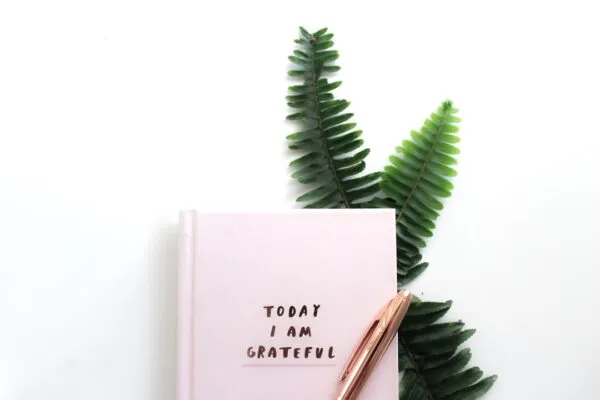
Personal Balance Counseling, outlining "Intentions for 2026," emphasizes that daily journaling is crucial for building "positive pathways." Just as a river carves a new channel over time, repeated acts of journaling carve out new neural pathways in your brain, favoring positive thought patterns over negative ones. This cumulative effect is powerful. Each entry, each moment of reflection, contributes to a growing reservoir of positive associations and reinforces your brain's inclination towards optimism and appreciation. This continuous feedback loop helps to "cut anxiety," as you actively displace anxious rumination with grateful contemplation. Instead of dwelling on potential threats, your mind learns to seek out and register present opportunities and merits.
Enhancing Relationships and Cognitive Flexibility
Beyond anxiety reduction, daily gratitude journaling fosters a cascade of other benefits. It "enhances relationships" by making you more aware of the positive contributions of others in your life, leading to increased expressions of appreciation and stronger interpersonal bonds. When you are more grateful, you are also more likely to forgive, empathize, and connect authentically. Furthermore, gratitude contributes to "cognitive flexibility," which is your ability to adapt your thinking to new situations and perspectives. A grateful mindset is inherently more open and less rigid, allowing you to see challenges as opportunities and to approach life with a more expansive and resourceful outlook. This flexibility is vital in an ever-changing world, enabling you to pivot, innovate, and thrive amidst uncertainty.
In conclusion, gratitude is far more than a transient feeling of thankfulness; it is a profound practice of staying present, with deep-seated implications for your neurological architecture, emotional equilibrium, and overall life trajectory. By consciously engaging in practices that anchor you in the current moment and direct your attention to what is good, you actively participate in shaping your brain, enhancing your resilience, and fostering a life rich in meaning and well-being. This journey begins not in a distant future, but in the deliberate appreciation of your present.
FAQs
What does it mean to say gratitude is a practice of staying present?
Gratitude as a practice of staying present means actively focusing on and appreciating the current moment and the positive aspects within it, rather than dwelling on the past or worrying about the future.
How can practicing gratitude help improve mindfulness?
Practicing gratitude encourages individuals to pay attention to their immediate experiences and recognize what they value, which enhances mindfulness by fostering awareness and acceptance of the present moment.
What are some common ways to cultivate gratitude daily?
Common ways to cultivate gratitude include keeping a gratitude journal, expressing thanks to others, reflecting on positive experiences, and taking moments throughout the day to acknowledge things one is thankful for.
Can gratitude practice have mental health benefits?
Yes, regularly practicing gratitude has been linked to improved mental health outcomes such as reduced stress, increased happiness, better emotional resilience, and enhanced overall well-being.
Is gratitude only about big events, or can it include small moments?
Gratitude encompasses both big events and small moments; appreciating everyday experiences, like a kind gesture or a beautiful sunset, is an important part of cultivating a consistent gratitude practice.