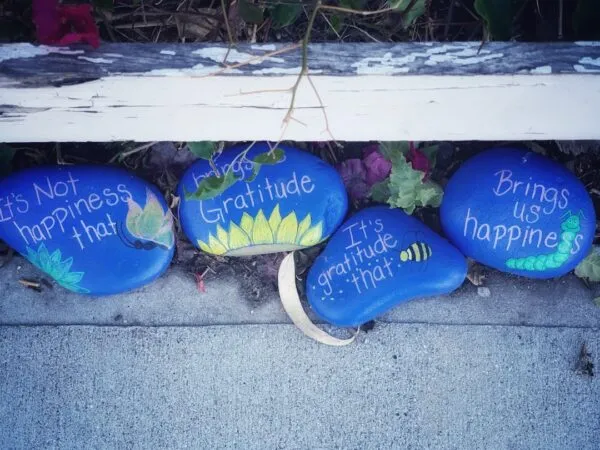
You find yourself consistently navigating the complexities of existence, often seeking solace or understanding in various methodologies. Among these, the practice of gratitude emerges as a particularly potent tool for anchoring you to your present circumstances, facilitating a more accepting and constructive engagement with "what is." This article explores the mechanisms by which cultivating gratitude assists you in this process, drawing upon recent research and established psychological principles.
Your brain is a remarkably adaptable organ, constantly shaping itself based on your experiences and focus. Gratitude, far from being a mere sentiment, actively engages and reshapes this intricate network.
Neural Pathway Reinforcement
When you intentionally focus on aspects for which you are grateful, you are, in essence, laying down new neural pathways. This process, known as neuroplasticity, signifies a fundamental shift in your brain's architecture. Instead of defaulting to loops of worry or discontent, you begin to carve out clearer, more accessible routes for positive emotional processing. Think of your brain as a landscape with well-worn paths representing habitual thought patterns. Gratitude is like a team of pioneers, forging new, more pleasant trails that become easier to traverse with consistent use. This regular practice acts as a counterweight to the neural patterns associated with depression, a state that research indicates cannot easily coexist with a gratitude-centric mindset [5].
Impact on Stress Response Systems
Your body possesses an intricate system designed to respond to perceived threats: the "fight-or-flight" response. Chronic activation of this system, often fueled by stress and anxiety, has detrimental effects on your physical and mental well-being. Gratitude, however, acts as a powerful antagonist to this mechanism. By activating brain regions associated with pleasure and emotional regulation, gratitude reduces the physiological markers of stress [6]. This translates to a calmer nervous system, a tangible decline in the hormones associated with stress, and a more balanced internal environment [7]. It's akin to having a built-in dimmer switch for your internal alarm system, allowing you to regulate the intensity of your stress response rather than being overwhelmed by it.
Modulation of Serotonin and Dopamine
The positive emotional states associated with gratitude are deeply intertwined with your brain's neurotransmitter systems. Specifically, gratitude practice has been shown to modulate the levels of serotonin and dopamine – neurotransmitters crucial for mood regulation, motivation, and feelings of pleasure. An increase in these neurochemicals contributes to a heightened sense of well-being and satisfaction, effectively shifting your internal chemical balance towards a more positive equilibrium [6, 7]. This chemical recalibration contributes to an improved mood and a more optimistic outlook on life, even when confronted with challenging circumstances.
In exploring the theme of gratitude and its impact on mindfulness, a related article titled "The Black Old Bike Parked Beside the White Wall" delves into the significance of appreciating the simple moments in life. This piece complements the insights found in "Why Gratitude Helps You Stay With What Is" by illustrating how recognizing everyday beauty can enhance our ability to remain present and grounded. For a deeper understanding of this connection, you can read the article here: The Black Old Bike Parked Beside the White Wall.
Shifting Your Perceptual Framework
Your perception is not merely a passive reception of sensory input; it's an active construction, heavily influenced by your internal state and habitual thought patterns. Gratitude offers a powerful lens through which to reframe your understanding of reality.
From Scarcity to Abundance Mentality
You are constantly presented with a multitude of stimuli, and your mind often defaults to focusing on what is lacking or what could go wrong. This "scarcity mentality" can lead to chronic worry and dissatisfaction. Gratitude, in contrast, trains you to consciously acknowledge and appreciate what you do possess, the resources available to you, and the positive elements within your life. This doesn't mean ignoring challenges, but rather shifting your primary focus. It's like turning your attention from the small cracks in a magnificent window to the breathtaking vista it frames. This reorientation fosters an "abundance mentality," where you begin to see opportunities and resources even in difficult situations [5].
Developing Resilient Perspectives
Life inevitably presents you with adversity. During tough times, it is easy to become overwhelmed by feelings of helplessness or despair. Gratitude provides a valuable counter-narrative. By intentionally seeking out aspects for which you can still be grateful, even amidst hardship, you cultivate a more resilient perspective [5]. This might involve appreciating the support of loved ones, the lessons learned from struggle, or simply the ability to endure. This practice doesn't deny the pain of the situation but rather equips you with an internal resource to navigate it more constructively. It's akin to having a sturdy lifeboat in a stormy sea; while the storm rages, you are not adrift and without recourse.
Minimizing Rumination and Worry
Rumination – the repetitive, intrusive dwelling on negative thoughts – is a significant contributor to anxiety and depression. Gratitude functions as a powerful interruption to these thought loops. When you actively engage in grateful reflection, you divert mental energy away from unproductive worry and towards more constructive contemplation. This mental redirection helps to lessen the grip of psychological pain and anxiety symptoms [3]. You are, in essence, training your mind to allocate its focus more judiciously, moving away from the whirlpool of worry and towards the steady current of appreciation.
Enhancing Your Holistic Well-being
The benefits of gratitude extend far beyond your mental state, manifesting in tangible improvements across various aspects of your physical and social well-being.
Boosting Immune System Function
You often perceive your immune system as an independent entity, but it is deeply interconnected with your mental and emotional states. Research indicates that regular gratitude practice contributes to a more robust immune system [5, 6]. While the precise mechanisms are still being elucidated, it is understood that the reduction in stress hormones and the promotion of positive emotional states create a more favorable internal environment for immune cells to function optimally. A less stressed body is a more resilient body, better equipped to fend off illness.
Cardiovascular Health Benefits
The chronic stress and negative emotions that gratitude helps to mitigate are significant risk factors for cardiovascular disease. Conversely, the calming and balancing effects of gratitude have been linked to improved heart health. This includes a reduction in blood pressure and a more stable heart rate [5, 6]. Think of your heart as an engine that functions best under steady conditions. Gratitude helps to smooth out the internal fluctuations that can place undue strain on your cardiovascular system, contributing to its long-term health.
Improved Sleep Quality
Do you often find your mind racing at night, preventing restful sleep? Gratitude offers a natural remedy. By calming your nervous system and reducing anxiety, gratitude facilitates a smoother transition into sleep [6]. When your mind is less preoccupied with worries and fears, it is better able to enter the state of relaxation necessary for deep and restorative sleep. A gratitude practice before bed can act as a gentle lullaby for your mind, preparing it for a peaceful night.
Fostering Connection and Prosocial Behavior
You are fundamentally social beings, and your well-being is often intertwined with your connections to others. Gratitude plays a crucial role in strengthening these bonds.
Strengthening Relationships
When you express gratitude towards others, you not only make them feel appreciated but also reinforce the positive aspects of your relationships. This reciprocal exchange of positive emotion strengthens bonds and promotes a greater sense of connection. Gratitude acts as a lubricant for social interactions, smoothing over potential friction and fostering a climate of mutual respect and appreciation [3]. Recognizing the contributions of others is a powerful way to cultivate deeper and more meaningful connections in your life.
Promoting Empathy and Altruism
Focusing on what you have received from others naturally cultivates empathy. You become more attuned to their efforts and contributions, fostering a greater understanding of their perspectives. This increased empathy often translates into a greater inclination towards prosocial behavior – acts of kindness and helpfulness towards others [3]. When you are grateful for what you have, you are often more inclined to share your resources, whether emotional or material, with those around you. It's like ripples in a pond; your gratitude spreads outwards, affecting those in your sphere.
Reducing Feelings of Isolation
In an increasingly fragmented world, feelings of isolation can be prevalent. Gratitude, by highlighting the connections and support you receive, acts as a powerful antidote to these feelings. It reminds you that you are not alone, that there are individuals and circumstances contributing positively to your life [3]. This awareness can be particularly comforting during moments of challenge, providing a sense of belonging and interconnectedness.
In exploring the profound impact of gratitude on our ability to embrace the present moment, you might find it insightful to read a related article that delves into the benefits of mindfulness and appreciation in daily life. This piece highlights how cultivating a grateful mindset can enhance our overall well-being and foster a deeper connection with our surroundings. For more information, you can check out the article on mindfulness and gratitude.
Integrating Gratitude into Daily Life
The theoretical understanding of gratitude's benefits is only truly impactful when translated into consistent action. Fortunately, integrating gratitude into your daily routine doesn't require monumental effort.
Mindful Gratitude Practices
Simple, conscious practices can profoundly impact your overall well-being. Keeping a gratitude journal, for example, allows you to regularly document specific things you are thankful for. This tangible record serves as a powerful reminder of the positive aspects of your life. Similarly, taking a few moments each day to mentally acknowledge three things you appreciate can significantly shift your mindset. These practices are not about ignoring difficulties but about actively seeking out the positive, thereby creating a more balanced and accepting view of your present reality.
Expressing Gratitude Actively
Beyond internal reflection, actively expressing gratitude to others yields significant benefits. This can be as simple as a heartfelt "thank you," a thoughtful note, or a genuine compliment. Such expressions not only uplift the recipient but also reinforce your own sense of appreciation and connection. This outward manifestation of gratitude amplifies its positive effects, creating a virtuous cycle of positive emotion and strengthened relationships.
Cultivating Gratitude in Challenging Times
Perhaps the most potent application of gratitude lies in its ability to assist you during difficult periods. While it may seem counterintuitive to feel grateful when facing hardship, this is precisely when the practice is most beneficial. By consciously searching for small mercies, lessons learned, or the support received even amidst struggle, you activate your internal resilience and prevent despair from taking root. This reframing doesn't diminish the pain but provides you with a crucial internal resource to navigate the storm with greater fortitude and a healthier perspective [5].
Ultimately, gratitude serves as a powerful compass, guiding you towards a more accepting and appreciative engagement with your present reality. By understanding its neurobiological effects, its capacity to reframe your perception, and its holistic benefits, you are empowered to harness this simple yet profound practice to stay firmly grounded in "what is," fostering a life of greater contentment, resilience, and connection.
FAQs
What is the main idea behind the article "Why Gratitude Helps You Stay With What Is"?
The article explains how practicing gratitude can help individuals accept their current circumstances and remain present, fostering emotional resilience and well-being.
How does gratitude influence a person's ability to stay present?
Gratitude shifts focus from what is lacking or negative to what is positive and available, encouraging mindfulness and acceptance of the present moment.
Can practicing gratitude improve mental health?
Yes, numerous studies show that gratitude is linked to reduced stress, increased happiness, and better overall mental health by promoting positive emotions and reducing negative thought patterns.
What are some common ways to practice gratitude daily?
Common practices include keeping a gratitude journal, expressing thanks to others, reflecting on positive experiences, and mindful appreciation of everyday moments.
Is gratitude effective even during difficult times?
Yes, gratitude can help individuals cope with challenges by fostering acceptance and highlighting aspects of life that remain positive, which supports emotional stability during adversity.