We often find ourselves caught in a relentless current, a river of tasks and deadlines that seems to pull us downstream with ever-increasing speed. The notion of slowing down can feel like an impossible luxury, a siren song that threatens to leave us stranded on the banks of obsolescence. Yet, a growing body of understanding suggests that gratitude, far from being a passive indulgence, can be a powerful tool for navigating this current, allowing us to slow down without falling behind. This exploration delves into how a conscious practice of gratitude can foster a more sustainable and effective approach to our endeavors.
The modern world, particularly in professional and academic spheres, often equates speed with success. We are conditioned to believe that an unbroken pace, a constant forward momentum, is the sole indicator of productivity and worth. This creates a societal narrative where slowing down is perceived as an admission of inadequacy, a forfeiture of competitive advantage, or simply an act of laziness.
The Myth of Perpetual Motion
We internalize the idea that to stop, even momentarily, is to invite stagnation. This myth of perpetual motion drives us to pack our schedules, minimize downtime, and view any pause as wasted opportunity. It’s akin to a sprinter believing they must maintain their top speed for the entire race; exhaustion and burnout are inevitable consequences.
The Cost of Unchecked Velocity
The relentless pursuit of speed often comes at a significant cost. We may achieve short-term gains, but the long-term price is frequently paid in diminished quality of work, increased errors, strained relationships, and compromised well-being. Our focus narrows, our creativity stifles, and our capacity for deep, meaningful engagement erodes. We become efficient in our movements, perhaps, but our overall output and impact may suffer.
In exploring the benefits of gratitude and its ability to help individuals slow down without feeling the pressure of falling behind, you might find it interesting to read about how simple pleasures, like cooking and enjoying a meal, can enhance our sense of appreciation. A related article that delves into this theme is the delightful recipe for blueberry pancakes with maple syrup, which emphasizes the joy of savoring small moments in life. You can check it out here: Blueberry Pancakes with Maple Syrup Recipe.
Gratitude as an Anchor in the Flow
Gratitude, when approached as a conscious practice, acts not as a brake, but as an anchor. It stabilizes our perspective, grounding us in the present moment and allowing for a more deliberate and thoughtful engagement with our responsibilities. This is not about being passive; it is about being present and appreciative of the resources and opportunities we possess, which in turn fuels a more resilient and effective approach.
Reframing Perceived Shortcomings
When we practice gratitude, we shift our focus from what we lack to what we have. This reframing is critical. Instead of dwelling on the tasks we haven't yet completed, we can acknowledge the progress we’ve made, the skills we’ve acquired, or the support systems that enable us to undertake these tasks. This doesn't negate the need for action but changes the emotional landscape from which we approach it. It’s like looking at a partially built structure and feeling thankful for the foundation laid, rather than despairing over the unfinished walls.
Cultivating a Mindset of Sufficiency
A gratitude practice cultivates a mindset of sufficiency. We begin to recognize that we have enough time, enough resources, and enough capability to meet our current demands, even if those demands are significant. This internal sense of abundance reduces the anxiety that often fuels our frantic pace. We are less likely to chase every perceived opportunity out of a fear of missing out, and more likely to focus on what truly matters.
The Neurological Underpinnings of Calm Efficiency
The impact of gratitude extends beyond subjective experience; it has demonstrable effects on our brain chemistry and structure, fostering a state conducive to sustained, calm efficiency. By actively engaging in gratitude, we are, in essence, rewiring our brains for resilience and focus.
Activating the Prefrontal Cortex
Research indicates that gratitude practices can activate the prefrontal cortex, the brain region responsible for higher-level cognitive functions such as decision-making, planning, and emotional regulation. This activation helps us to better manage stress and maintain emotional equilibrium, even when faced with demanding situations. It’s akin to strengthening the executive control center of our brain, allowing for more measured and strategic responses.
Building Neural Pathways for Resilience
Consistent gratitude practice can foster the development of new neural pathways associated with positive thinking and resilience. This means that over time, our brains become more adept at processing challenges without succumbing to overwhelming stress or negativity. These pathways act as well-trodden routes, making it easier for our brains to default to more adaptive coping mechanisms. This doesn't mean we eliminate stress, but rather that we develop a more robust capacity to bounce back.
Enhancing Emotion Regulation and Stress Management
By shifting our focus towards the positive aspects of our experience, gratitude helps to downregulate the body's stress response. This can lead to lower levels of cortisol, the primary stress hormone, and a more balanced autonomic nervous system. A regulated nervous system is better equipped to handle pressure without tipping into a fight-or-flight mode that impairs cognitive function and decision-making. Instead of being a reactive engine, we become a more calibrated mechanism.
Gratitude's Role in Sustainable Productivity
Gratitude contributes to sustained productivity by fostering a healthier relationship with our work and with ourselves. It allows us to recognize progress, avoid burnout, and maintain a steady, deliberate pace that, in the long run, yields better results.
Recognizing and Reinforcing Progress
Instead of solely focusing on the vastness of the unfinished journey, gratitude encourages us to acknowledge and appreciate the milestones already passed. This reinforcement of progress, without the pressure of immediate further advancement, boosts motivation and combats feelings of overwhelm. We learn to celebrate the steps taken, which provides the energy to continue the walk. It allows us to see the journey not as a sprint to an endpoint, but as a series of worthy advancements.
Reducing Distraction and Enhancing Focus
Worries about the future and regrets about the past are significant drains on our mental energy and focus. Gratitude, by its very nature, anchors us in the present moment. When we are grateful for what we have and what is happening now, our attention is less likely to be sidetracked by anxieties. This enhanced present-moment awareness directly translates to improved concentration on the task at hand, allowing us to work more efficiently and effectively. It’s like clearing the static from a radio signal, allowing the intended broadcast to come through loud and clear.
Preventing Burnout Through Balanced Perspective
Burnout is often the result of feeling perpetually behind and under immense pressure to catch up. Gratitude offers a counterpoint by fostering a balanced perspective. It helps us appreciate the effort we exert and the progress we have made, which can alleviate the feeling of being stuck in a treadmill. This appreciation can lead to more sustainable work habits, where we find satisfaction in the process, not just the outcome, thereby preventing the exhaustion that leads to burnout. This allows us to maintain momentum without burning out our internal engine.
In exploring the benefits of gratitude and its ability to help you slow down without falling behind, it's interesting to consider how other daily rituals can influence our mindset. For instance, the way coffee shapes your daily routine can also play a significant role in how you approach your day. You can read more about this connection in the article on how coffee impacts our habits and productivity. Understanding these dynamics can enhance your overall well-being and effectiveness. Check out the article here for more insights.
Integrating Gratitude for Daily Flow
Integrating gratitude into our daily routines is not a complex undertaking, but rather a conscious redirection of our attention. By starting our day with a mindful practice of appreciation, we can set a tone of clarity and possibility that extends throughout our hours.
Morning Gratitude: Shifting from Survival to Flow
Initiating the day with a moment of gratitude can significantly alter our mental state. Instead of waking up and immediately engaging in a mode of urgent survival – checking emails, scanning newsfeeds, and feeling the weight of the day's demands – we can begin by acknowledging the blessings and positive aspects of our existence. This shift from a reactive, survival-oriented mindset to a more proactive, creative flow state is crucial for sustained effort. It primes us for possibility rather than perceived crisis.
Cultivating a Possibility Mindset
When we regularly acknowledge what we are grateful for, we begin to associate the present and our capabilities with positive outcomes. This cultivates a "possibility mindset," where we are more inclined to see opportunities and solutions rather than obstacles and limitations. This optimistic outlook fuels innovation and a willingness to engage with challenges, knowing that we possess the inner resources to navigate them. It's akin to looking at fertile ground and seeing the potential for growth, rather than just the dirt.
Promoting Well-being for Consistent Action
The connection between well-being and consistent action is undeniable. Gratitude is a powerful contributor to overall well-being, reducing stress and fostering a sense of contentment. When we feel good, we are more likely to engage in productive activities with enthusiasm and perseverance. This self-sustaining cycle means that our gratitude practice doesn't detract from our work but rather enhances our capacity for it, enabling a steady and consistent output that is the hallmark of long-term success. We are not just running the race; we are running it in a way that allows us to enjoy the scenery and arrive at the finish line in good condition.
FAQs
What is the main idea behind the article "Why Gratitude Helps You Slow Down Without Falling Behind"?
The article explains how practicing gratitude can help individuals slow down in their daily lives, reduce stress, and improve focus, all without negatively impacting their productivity or progress.
How does gratitude contribute to slowing down?
Gratitude encourages mindfulness and appreciation of the present moment, which naturally leads to a slower, more deliberate pace in daily activities, helping people avoid rushing and burnout.
Can practicing gratitude affect productivity?
Yes, practicing gratitude can enhance productivity by improving mental clarity, reducing stress, and fostering a positive mindset, which helps individuals work more efficiently even while slowing down.
What are some practical ways to incorporate gratitude into daily life?
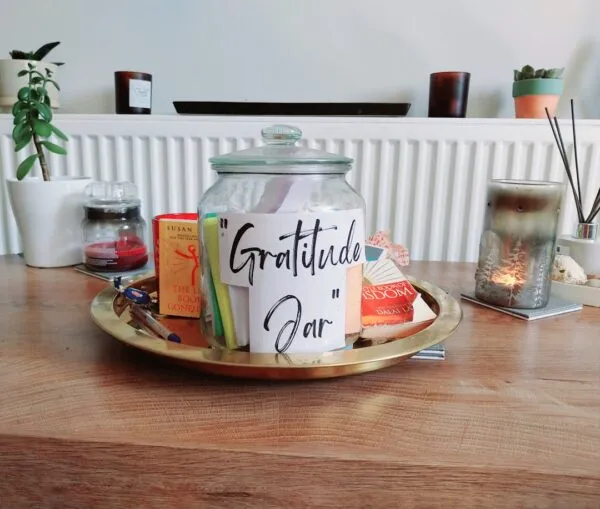
Practical methods include keeping a gratitude journal, regularly reflecting on things you are thankful for, expressing appreciation to others, and taking moments throughout the day to acknowledge positive experiences.
Is slowing down through gratitude beneficial for mental health?
Yes, slowing down by practicing gratitude has been shown to reduce anxiety and depression symptoms, increase overall well-being, and promote a healthier mental state.