We often hear about gratitude as a pleasant emotional state, a way to appreciate the good things in our lives. However, the impact of this often-underestimated emotion extends far beyond mere pleasantries. Mounting scientific evidence suggests that cultivating gratitude can serve as a potent, yet accessible, tool for bolstering our physical health. It's not about ignoring challenges or pretending everything is perfect; rather, it's about shifting our internal focus to acknowledge and savor the positive aspects of our existence, however small they may seem. This conscious act of appreciation can trigger a cascade of physiological responses that contribute to a more robust and resilient body.
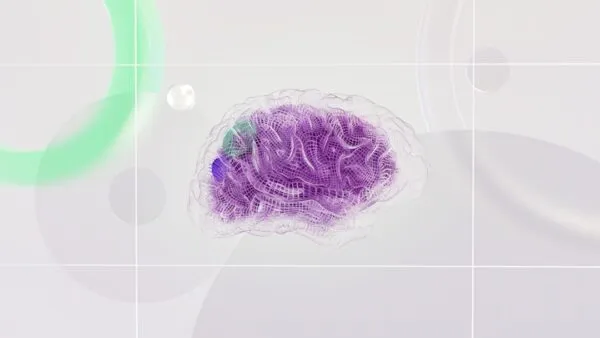
When we practice gratitude, we are not simply engaging in a mental exercise; we are initiating a complex interplay of biological processes. Our brains, acting as the command center for our emotions and physical responses, are profoundly influenced by our attitudinal state. Gratitude has been shown to activate specific neural pathways associated with reward and well-being. Studies, such as those highlighted by ongoing research from Oprah Daily and UCDavis, reveal tangible physiological changes in individuals who regularly express gratitude. We observe a notable reduction in blood pressure, a critical indicator of cardiovascular health. This is often accompanied by improvements in hemoglobin A1c levels, a marker for diabetes management. These findings suggest that gratitude doesn't just make us feel good; it actively works to regulate key bodily functions.
Neural Correlates of Appreciation
The brain's reward circuitry, often associated with pleasure and motivation, shows increased activity when we experience gratitude. Neuroimaging studies have identified areas like the medial prefrontal cortex and the anterior cingulate cortex as being particularly responsive to grateful thoughts and feelings. This heightened activity can foster a more positive outlook, which in turn can influence our behavioral choices. Effectively, gratitude can act as a gentle rewiring of our internal landscape, making us more receptive to positive stimuli and less prone to dwelling on negative aspects. This neural plasticity is fundamental to how our experiences shape our physical and mental states over time.
Hormonal Influences
Gratitude is more than just a mental state; it is also a powerful modulator of our hormonal balance. As noted by Judy Wilkins-Smith in research pointing towards the 2026 findings, gratitude demonstrably lowers blood pressure and strengthens the immune system. It also plays a crucial role in the liberation of relaxation hormones. When we are stressed, our bodies release cortisol and adrenaline, preparing us for a "fight or flight" response. While this is essential for acute threats, chronic stress can wreak havoc on our systems. Gratitude acts as an antidote, shifting our neurochemical environment away from a stress-dominated state and towards one of relaxation and well-being. This hormonal recalibration is a significant contributor to long-term health.
In exploring the profound impact of gratitude on physical health, one can find valuable insights in the article titled "The Black Old Bike Parked Beside the White Wall." This piece delves into the transformative power of gratitude and how it can enhance overall well-being, complementing the discussion on the physiological benefits of maintaining a grateful mindset. For a deeper understanding of this connection, you can read the article here: The Black Old Bike Parked Beside the White Wall.
Impact on Cardiovascular Health
The heart, the tireless engine of our bodies, benefits significantly from a grateful disposition. Cardiovascular disease remains a leading cause of mortality globally, and research is increasingly pointing to gratitude as a protective factor. The Nurses' Health Study, a significant long-term investigation, has provided compelling data linking high gratitude scores to a reduced risk of mortality over a four-year period. This observed protection extends to all causes of death, with a notable emphasis on cardiovascular disease. This suggests that the chronic stress and negative emotions that can exacerbate heart conditions are mitigated by the practice of gratitude.
Blood Pressure Regulation
One of the most consistent findings in gratitude research is its positive effect on blood pressure. High blood pressure, also known as hypertension, is a silent killer that significantly increases the risk of heart attack, stroke, and kidney disease. Gratitude practice has been shown to lead to lower baseline blood pressure readings in individuals who regularly engage in it. This effect is likely multifaceted, stemming from the reduction in stress hormones and the promotion of a more relaxed physiological state. By actively choosing to focus on what we are thankful for, we can indirectly influence the pressure within our arteries, creating a more favorable environment for our cardiovascular system.
Reducing Risk Factors for Heart Disease
Beyond blood pressure, gratitude appears to influence other critical biomarkers associated with heart disease. The decrease in hemoglobin A1c observed in grateful individuals, as highlighted by ongoing research, is particularly noteworthy. Elevated A1c levels indicate higher average blood sugar levels, a hallmark of diabetes and a significant risk factor for heart disease. By improving blood sugar regulation, gratitude can contribute to a reduced overall risk profile for various cardiovascular complications. Furthermore, the UCLA/Heart.org consensus underscores that gratitude supports heart health and reduces heart disease risk through these improved biomarkers, reinforcing its direct connection to cardiovascular well-being.
Enhancing Immune System Function
Our immune system is our body's vigilant defense force, constantly working to protect us from pathogens and disease. Chronic stress is a known immunosuppressant, leaving us more vulnerable to infections and illnesses. Gratitude, by combating stress and promoting a more positive internal environment, can therefore play a crucial role in bolstering our immune defenses. The strengthening of the immune system is a direct benefit pointed out by researchers like Judy Wilkins-Smith. This is not merely a speculative claim but is supported by physiological observations.
Resilience Against Illness
When we are in a state of gratitude, our bodies are better equipped to mount an effective immune response. This can translate into a reduced frequency and severity of common illnesses such as colds and flu. The positive emotional state associated with gratitude can positively influence the production and function of immune cells, such as lymphocytes and natural killer cells, which are vital for fighting off invaders. It's as if gratitude helps our internal soldiers to be better trained and more readily available when needed, thus increasing our resilience against common ailments.
Anti-inflammatory Effects
Chronic inflammation is a root cause of a multitude of diseases, from autoimmune disorders to certain types of cancer and cardiovascular conditions. Stress is a significant driver of inflammation within the body. By alleviating stress and promoting a more balanced hormonal profile, gratitude can indirectly contribute to reducing systemic inflammation. While direct research on gratitude's impact on specific inflammatory markers is an ongoing area of investigation, the observed reductions in conditions like cardiovascular disease and improved general well-being suggest an underlying anti-inflammatory benefit.
Improving Sleep Quality and Restorative Processes
Sleep is a cornerstone of good health, a period when our bodies and minds repair and rejuvenate themselves. Unfortunately, a vast number of individuals struggle with sleep disturbances, ranging from difficulty falling asleep to frequent awakenings. Gratitude has emerged as a promising intervention for improving sleep quality. By calming the mind and reducing rumination on worries and anxieties, gratitude practice can create a more conducive environment for sleep.
Quieting the Restless Mind
The inability to quiet the mind is a primary barrier to restful sleep. Worries about work, finances, relationships, or health can keep us tossing and turning. Gratitude acts as a mental anchor, drawing our attention away from these anxieties and towards the positive aspects of our lives. By shifting our focus to what we are thankful for, we can effectively interrupt the cycle of negative thought patterns that often plague sleepless nights. This mental shift can be likened to turning down the volume on a noisy internal broadcast, allowing for a quieter, more peaceful transition into sleep.
Promoting Healthy Sleep Habits
The benefits of gratitude extend beyond simply falling asleep; they can also influence our overall sleep architecture and promote healthier sleep habits. Ongoing research suggests that grateful individuals often exhibit improved eating habits and a greater propensity for physical activity, both of which are intrinsically linked to better sleep. A body that is well-nourished and physically active tends to regulate its sleep-wake cycles more effectively. Thus, gratitude can initiate a positive feedback loop, where its practice encourages behaviors that further enhance sleep quality.
Research has shown that practicing gratitude can have profound effects on physical health, enhancing overall well-being and even improving immune function. For those interested in exploring this topic further, a related article discusses the connection between gratitude and emotional resilience, highlighting how these positive feelings can lead to healthier lifestyle choices. You can read more about this fascinating relationship in the article here.
Cultivating Resilience and Emotional Regulation
While this article focuses on the physical health benefits, it is impossible to divorce them entirely from our emotional well-being. Gratitude is a powerful tool for building emotional resilience, the ability to bounce back from adversity. This enhanced emotional regulation has a direct bearing on our physical health by mitigating the damaging effects of chronic stress and negative emotions.
Stress Reduction and Management
The RWJBarnabas Health findings from January 2026 highlight that gratitude practice leads to less stress and depression, and increased happiness while building stress resilience. This is achieved through a positive focus and emotional regulation. When confronted with challenges, individuals who regularly practice gratitude are often better equipped to find silver linings and maintain a more optimistic perspective. This doesn't mean they are immune to stress, but rather that they possess a more robust set of coping mechanisms. Gratitude provides a mental toolkit that allows them to navigate difficulties with greater equanimity, thereby reducing the physiological toll that prolonged stress can inflict.
Shifting Towards a "Flow" Mindset
Judy Wilkins-Smith's research suggests that gratitude can shift us from a stress mindset to a "flow" mindset. Flow, a concept popularized by psychologist Mihaly Csikszentmihalyi, describes a state of complete absorption in an activity. When we are in flow, time seems to disappear, and we experience a sense of effortless engagement and deep satisfaction. This state is antithetical to stress and anxiety. By fostering gratitude, we can create the internal conditions that make it more likely for us to enter these flow states. This shift is not only mentally rewarding but also has tangible benefits for our physical health, as being in a state of flow is often associated with reduced cortisol levels and a more relaxed physiological state.
In conclusion, the practice of gratitude is not merely a feel-good sentiment. It is a scientifically supported pathway to tangible improvements in our physical health. From regulating blood pressure and bolstering our immune systems to enhancing sleep and building emotional resilience, gratitude acts as a powerful, accessible, and inherently positive force for well-being. By consciously choosing to cultivate an attitude of thankfulness, we are investing in a healthier, more robust future for ourselves.
FAQs
What is the connection between gratitude and physical health?
Gratitude has been shown to positively impact physical health by reducing stress, improving sleep quality, and enhancing immune function. People who regularly practice gratitude often experience lower blood pressure and fewer symptoms of illness.
How does gratitude reduce stress levels?
Gratitude helps shift focus away from negative thoughts and promotes a positive mindset. This can lower the production of stress hormones like cortisol, leading to reduced feelings of anxiety and tension, which benefits overall physical health.
Can practicing gratitude improve sleep quality?
Yes, studies indicate that individuals who engage in gratitude exercises, such as journaling about things they are thankful for, tend to fall asleep faster and enjoy deeper, more restful sleep.
Does gratitude have any effect on the immune system?
Research suggests that gratitude can enhance immune function by promoting healthier behaviors and reducing stress, which in turn supports the body's ability to fight off illness and recover more quickly.
What are some simple ways to practice gratitude for better health?
Simple practices include keeping a gratitude journal, regularly expressing thanks to others, reflecting on positive experiences, and mindfulness meditation focused on appreciation. These activities can foster a grateful mindset that supports physical well-being.