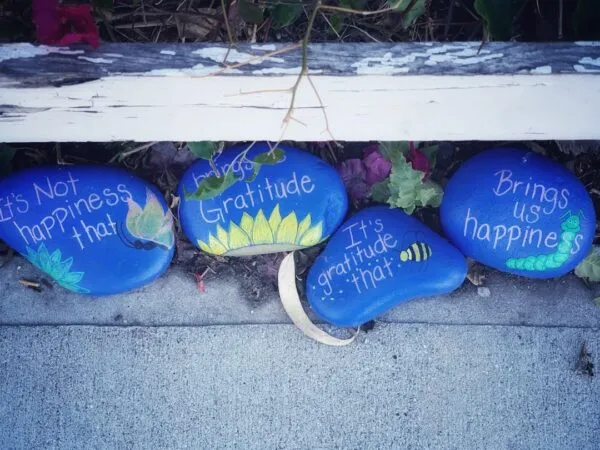
The intricate tapestry of human experience, a complex weave of emotions, interactions, and perceptions, often seems disparate in its myriad threads. Yet, upon closer inspection, a unifying element emerges, a fundamental principle that underpins well-being, strengthens societal bonds, and even reshapes the very architecture of the mind. This foundational element, you will discover, is gratitude. It functions not merely as a fleeting sentiment, but as a robust, pervasive force, acting as the indispensable thread that connects the diverse facets of your existence.
Your brain, a remarkable organ of adaptation and learning, is highly susceptible to the influence of your thoughts and emotional states. Gratitude, in this context, is not simply a pleasant feeling; it is a powerful neurochemical catalyst.
Rewiring for Positivity
The act of expressing or even contemplating gratitude has a profound impact on your neural pathways. Research indicates that simple acts of gratitude can effectively rewire your brain for positivity. This isn't a metaphorical rewiring; it involves tangible changes in brain function and structure. When you regularly engage in grateful thought, you strengthen neural circuits associated with positive emotions, making it easier for your brain to produce these states in the future. This process effectively reduces the dominance of stress-response pathways, leading to an overall improvement in your mental well-being. Consider it an internal cultivation process, where you are actively shaping the landscape of your own mind.
The Interplay with Depression
A compelling observation in the field of psychology is the apparent incompatibility of genuine gratitude with states of depression. It is suggested that authentic gratitude and depressive ideation cannot coexist simultaneously within your consciousness. When you actively practice gratitude, your cognitive focus shifts. Instead of dwelling on deficiencies or perceived setbacks, your attention is directed towards aspects of your life that evoke appreciation. This reorientation of your mental lens moves your thinking from a survival-oriented, stressed state, often characteristic of depression, to one of creative problem-solving and the exploration of possibility. This transition facilitates a shift towards a state of "flow," where you are fully immersed and engaged, a stark contrast to the inertia often associated with depressive episodes.
Gratitude as a Global Unifier
The impact of gratitude transcends cultural boundaries and individual predispositions, serving as a universal positive force. Its effects are observable across diverse populations, highlighting its intrinsic human relevance.
Cross-Cultural Elevation of Positive Emotions
A comprehensive 2025 meta-analysis, encompassing 145 studies and over 24,000 participants from 28 countries, provides robust evidence for the cross-cultural efficacy of gratitude practices. This extensive research conclusively demonstrates that engaging in gratitude practices has a consistent and positive effect on individual well-being, with a particular emphasis on boosting positive emotions. Irrespective of geographical location, societal norms, or linguistic nuances, the cultivation of gratitude appears to be a reliable mechanism for enhancing emotional states. This suggests that the capacity for gratitude, and its associated benefits, is a fundamental aspect of human psychology, rather than a culturally conditioned response. You, as an individual, regardless of your background, possess this inherent capacity.
Resilience in the Face of Adversity
Life presents its share of challenges, and your ability to navigate these difficulties is largely determined by your resilience. Gratitude is not merely a pleasant embellishment to a good life; it is a critical component of your capacity to bounce back from adversity. Research consistently demonstrates a deep intertwining between gratitude and resilience. This connection operates not only at the individual level, where your personal grateful outlook strengthens your coping mechanisms, but also at communal and systemic levels. Grateful individuals contribute to more resilient communities, and societies that foster gratitude tend to exhibit greater stability and adaptive capacity. In essence, gratitude equips you with the mental fortitude to confront setbacks, perceive lessons in difficult experiences, and ultimately emerge stronger. Consider it a psychological shock absorber, mitigating the impact of unforeseen blows.
The Social Fabric Woven by Gratitude
Beyond its individual psychological benefits, gratitude plays a pivotal role in shaping your interactions with others and in fostering a vibrant, supportive community. It acts as a social lubricant, enhancing cooperation and strengthening bonds.
Catalyzing Prosocial Behavior
The ripple effect of gratitude extends significantly into the realm of social interaction. Research consistently indicates that individuals who regularly express gratitude are more likely to receive support from their social networks. This is not a mere transactional exchange, but rather a reflection of the positive social capital generated by gratitude. Furthermore, the practice of gratitude actively promotes prosocial behaviors. When you are grateful, you are more inclined to act kindly, offer assistance, and contribute positively to your social environment. This cultivates a virtuous cycle: your gratitude inspires helpfulness in others, and their helpfulness, in turn, reinforces your own grateful disposition. This extends to improved focus, enhanced active listening skills, and an overall elevation of your life satisfaction through richer, more meaningful connections.
Inspiring Continued Altruism
A fascinating discovery, emerging from 2025 research, sheds light on the motivational power of receiving gratitude. This research suggests that when individuals receive genuine expressions of thanks, they are significantly more inclined to offer assistance again in similar situations. This indicates that gratitude acts as a potent reinforcer for altruistic behavior. It communicates to the helper that their efforts were not unappreciated or taken for granted, thereby validating their actions and encouraging future generosity. For you, this means that expressing gratitude is not merely polite; it is a strategic investment in the goodwill and future assistance of those around you. It's a social investment with high returns.
The Energy Field of Community
Gratitude possesses an almost palpable energetic quality. It creates what has been described as an "energy field" that draws in and cultivates "buy-in" from those in your vicinity. This dynamic fosters an atmosphere of openness, where individuals feel comfortable being themselves and expressing their authentic thoughts and feelings. It encourages affirmation, where the inherent worth and contributions of others are acknowledged and celebrated. Moreover, this grateful energy cultivates a deep appreciation for both yourself and those around you. In this environment, barriers dissolve, misunderstandings are more easily resolved, and a sense of collective purpose flourishes. Gratitude, therefore, serves as the invisible mortar that strengthens the foundations of any community, from the smallest family unit to the largest societal structures.
Practical Applications for Cultivating Gratitude
Understanding the profound impact of gratitude is one thing; intentionally integrating it into your daily life is another. Fortunately, fostering gratitude is not an esoteric practice reserved for a select few; it is a skill that you can cultivate and strengthen.
The Daily Gratitude Practice
One of the most accessible and effective methods for cultivating gratitude is the establishment of a daily gratitude practice. This can take various forms. You might choose to keep a gratitude journal, where you enumerate three to five things you are grateful for each day. These need not be monumental life events; they can be as simple as a warm cup of coffee, a sunny morning, or a kind word from a colleague. The key is consistency and specificity. As you consciously identify these small blessings, you train your brain to seek out and appreciate them. This regular engagement acts as a mental exercise, building the neural pathways associated with positive affect.
Expressing Gratitude Verbally and Non-Verbally
The internal experience of gratitude is powerful, but its full potential is realized when it is expressed externally. Take the time to genuinely thank others, whether verbally, through a written note, or even through small acts of kindness that convey your appreciation. Remember the 2025 research on inspiring continued helping; your expressed gratitude has a tangible impact on others' willingness to assist in the future. Moreover, non-verbal cues of gratitude, such as a genuine smile, extended eye contact, or a supportive gesture, can be equally powerful. These expressions not only bolster your own sense of well-being but also strengthen your relationships and contribute to the positive "energy field" you generate.
Mindful Appreciation
Beyond structured practices, integrate mindful appreciation into your everyday activities. When you are eating, truly taste and savor the food. When you are walking, notice the details of your surroundings – the changing leaves, the patterns in the pavement, the sounds of nature. When you are engaging with a loved one, be fully present in the conversation, listening actively and valuing their presence. This mindful approach transforms routine experiences into opportunities for gratitude, deepening your connection to the present moment and enriching your overall experience of life. It’s about slowing down and truly perceiving the abundance that surrounds you, much of which often goes unnoticed.
The Enduring Legacy of Gratitude
As you navigate the complexities of your personal journey and the broader landscape of human interaction, consider the profound and pervasive role that gratitude plays. It is not merely a fleeting emotion or a polite social convention; it is a fundamental force that molds your internal world, shapes your relationships, and ultimately, influences the very fabric of society.
It empowers you to transcend challenges, to connect meaningfully with others, and to find consistent sources of joy and contentment. Gratitude, in essence, is the foundational thread, robust and resilient, that meticulously weaves together the disparate elements of your life into a cohesive, vibrant, and meaningful whole. To embrace gratitude is to embrace a richer, more interconnected existence, where you are not merely observers, but active participants in the creation of a more positive and resilient world. You are, in essence, an artisan, and gratitude is your most potent tool for weaving a life of purpose and profound connection.
FAQs
What is the main idea behind the article "Why Gratitude Is the Thread That Connects It All"?
The article emphasizes that gratitude serves as a fundamental link that connects various aspects of life, fostering positive relationships, enhancing well-being, and creating a sense of unity and purpose.
How does gratitude impact mental health according to the article?
Gratitude positively affects mental health by reducing stress, increasing happiness, and promoting a more optimistic outlook on life, which can lead to improved emotional resilience and overall psychological well-being.
In what ways does gratitude influence relationships?
Gratitude strengthens relationships by encouraging appreciation, empathy, and mutual respect, which helps build trust and deeper connections between individuals.
Can practicing gratitude improve physical health?
Yes, the article notes that practicing gratitude can lead to better physical health outcomes, such as improved sleep, lower blood pressure, and a stronger immune system, due to its stress-reducing effects.
What are some practical ways to cultivate gratitude daily?
The article suggests practical methods like keeping a gratitude journal, expressing thanks to others regularly, reflecting on positive experiences, and mindfulness practices to help cultivate and maintain a grateful mindset.