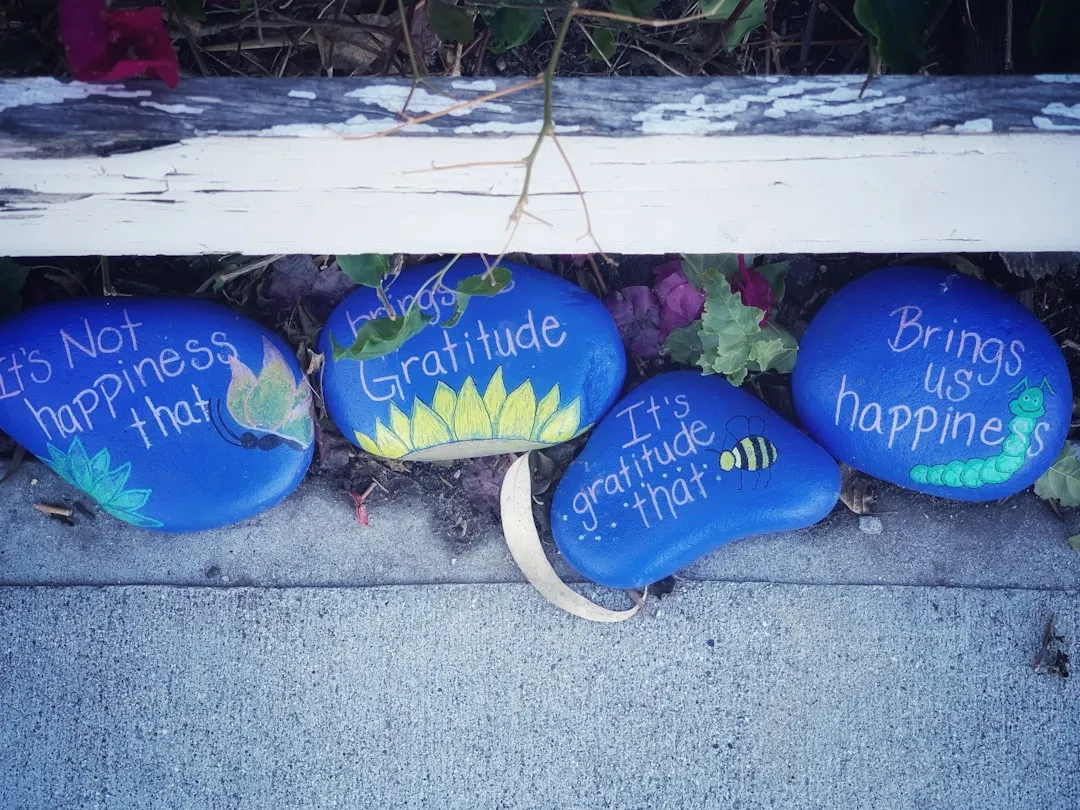
Gratitude, often perceived as a simple sentiment of appreciation, possesses a profound capacity to reshape how you engage with the world. It is not merely a passive feeling but an active practice that can recalibrate your physiological responses, cognitive patterns, and ultimately, your outward demeanor. By cultivating a conscious awareness of the positive aspects of your existence, you initiate a cascade of changes that influence your interactions, decisions, and overall presence. This exploration delves into the demonstrable effects of gratitude on your being and how it transforms the way you manifest in your daily life.
Your physical body is a responsive instrument, and gratitude acts as a conductor, orchestrating a more harmonious symphony of physiological processes. The evidence suggests a direct correlation between the experience of gratitude and tangible shifts within your biological systems. This is not about wishful thinking; it is about the measurable impact of a cultivated emotional state on your physical well-being.
Attenuating the Stress Response
One of the most significant demonstrable effects of gratitude is its impact on your body's stress hormone levels. When confronted with challenges or persistent demands, your physiological system typically enters a state of heightened alert, characterized by the release of cortisol. This hormone, essential for short-term survival responses, can become detrimental when chronically elevated, contributing to a range of health issues. Research indicates that individuals who regularly practice gratitude exhibit lower levels of cortisol in their bloodstream. This suggests that gratitude acts as a buffer, mitigating the body's overreaction to stressors. Think of your stress response as an alarm system; gratitude helps to recalibrate its sensitivity, preventing it from blaring at every perceived threat.
The Calming of the Nervous System
Beyond just reducing cortisol, gratitude directly influences your autonomic nervous system, guiding it towards a state of parasympathetic dominance, often referred to as the "rest and digest" mode. When you experience genuine gratitude, you may notice a palpable shift within your physical sensations: a reduction in the incessant buzzing in your head, a slowing of your heart rate, and a relaxation in your gut. These are not coincidental occurrences; they represent your nervous system shifting from a state of sympathetic arousal (fight or flight) to one of calm and recovery. This physiological recalibration is akin to a turbulent sea suddenly becoming placid, allowing for deeper rest and more efficient functioning.
Impact on Physical Health Markers
The attenuation of the stress response and the calming of the nervous system translate into broader implications for physical health. Chronic stress is linked to various ailments, including cardiovascular issues, impaired immune function, and digestive problems. By reducing the physiological burden of stress, gratitude can indirectly contribute to improved health outcomes in these areas. While gratitude is not a direct substitute for medical treatment, its influence on your body's ability to manage stress can create a more fertile ground for healing and overall well-being.
The Cognitive Metamorphosis Driven by Gratitude
The way you perceive the world is fundamentally shaped by your mental landscape. Gratitude acts as a powerful catalyst in this landscape, transforming entrenched patterns of thought and perception. It moves you away from a reactive, scarcity-minded orientation towards one of abundance and possibility.
Shifting from Survival to Creativity
Your brain operates on different modes. Under duress, it defaults to a "survival brain" mode, prioritizing immediate threats and limitations. Gratitude, however, encourages a migration from this constricted state to a "creative brain" mode. This shift allows you to move beyond a mindset of being perpetually "stressed and stuck" to one characterized by "possibility and flow." When you are actively looking for things to be thankful for, your focus expands, and your capacity to identify novel solutions and approaches is enhanced. It is like shifting from looking at a narrow tunnel to observing the vast horizon.
Cultivating Emotional Resilience
The coexistence of deep depression and genuine gratitude is remarkably difficult. Gratitude, as a higher emotional state, is inherently positive and expansive. It acts as an antidote to the dwelling on negative experiences that often characterizes states of low mood. By consistently acknowledging the good, the beneficial, and the supportive elements in your life, you actively cultivate positive emotions. This doesn't mean ignoring difficulties, but rather ensuring that they do not monopolize your emotional and cognitive space. This practice builds emotional resilience, allowing you to weather storms without being completely capsized.
Enhanced Opportunity Awareness
When your mind is preoccupied with perceived lacks or threats, your ability to recognize opportunities diminishes. Gratitude serves as a powerful lens that sharpens your perception of what is available. By consistently noting the positive, you become more attuned to potential advantages, helpful resources, and beneficial connections that might otherwise go unnoticed. This increased awareness fuels greater motivation, as you are more likely to engage with and pursue endeavors when you can clearly see the potential for positive outcomes. It is like adjusting the focus on a camera; gratitude brings the desired elements into sharp relief.
The Behavioral Manifestations of Gratitude
The internal shifts catalyzed by gratitude inevitably translate into external behaviors, altering how you present yourself to the world and interact with others. Your outward presence becomes a reflection of your internal evolution.
Amplified Confidence and Presence
As your internal landscape shifts, so too does your external demeanor. Gratitude contributes to a deepened sense of confidence. This is not an arrogant or boastful confidence, but rather a quiet assurance that stems from an intentional alignment with your values and an appreciation for your journey. When you are grounded in a sense of gratitude, you are more likely to inhabit the present moment fully, projecting an aura of calm competence and genuine engagement. Your presence becomes less about seeking external validation and more about sharing your appreciated self. It is the difference between a flickering candle and a steady flame.
Improved Decision-Making Capabilities
Tough times often demand difficult decisions. When you are operating from a place of fear or scarcity, your decision-making can become clouded and reactive. Gratitude, by fostering a sense of well-being, creates a more stable platform from which to operate. This allows you to generate healthier ideas, set more realistic and sustainable goals, and devise more effective solutions. Instead of being driven by panic or desperation, your choices are informed by a more balanced and resourceful perspective. Gratitude acts as a compass, guiding you towards decisions that align with your long-term well-being.
Enhancing Interpersonal Interactions
The outward expression of gratitude profoundly impacts your relationships. When you approach interactions with an appreciative mindset, you are more likely to offer genuine compliments, express thanks sincerely, and exhibit patience and understanding. This creates a positive feedback loop, fostering stronger connections and more harmonious exchanges. Others are more likely to respond positively to someone who authentically acknowledges their contributions and efforts. It is akin to planting seeds of goodwill; the harvest is often a richer and more rewarding relationship.
The Balanced Perspective Cultivated by Gratitude
Gratitude does not advocate for a naive optimism that overlooks difficulties. Instead, it encourages a more nuanced and realistic understanding of life's complexities. It allows you to hold both the positive and the challenging aspects of your experience simultaneously.
Acknowledging the Good Alongside Difficulties
Life is inherently a mix of triumphs and tribulations. Gratitude provides the framework for acknowledging the good that exists, even when faced with significant challenges. This does not require you to dismiss or minimize your struggles. Instead, it invites you to recognize that even within difficult circumstances, there may be elements to appreciate – lessons learned, support received, or personal growth achieved. This balanced perspective is crucial for maintaining resilience and preventing despair from overwhelming your capacity to cope. It is like observing a landscape with both sunlight and shadows, appreciating the depth and texture that both provide.
Building a Resilient Foundation
By consistently integrating gratitude into your outlook, you construct a robust foundation for resilience. When setbacks occur, your pre-existing practice of recognizing the positive allows you to draw upon those reservoirs of appreciation. This does not erase the pain or difficulty of the setback, but it provides a counterpoint, preventing you from becoming solely defined by it. You are better equipped to navigate adversity not by avoiding it, but by integrating it into a broader understanding of your experience, an understanding that is enriched by a steady stream of gratitude.
The Practice of Gratitude: Cultivating the Shift
The transformative power of gratitude is not merely theoretical; it is achievable through consistent, intentional practice. It requires a deliberate effort to shift your focus and reorient your perception.
Daily Gratitude Practices
Implementing daily practices, however brief, can yield significant results. This might involve journaling three things you are grateful for each day, consciously appreciating small moments of beauty or kindness, or expressing thanks directly to individuals who have made a positive impact. The regularity of these actions reinforces the neural pathways associated with gratitude, making it a more natural and accessible state of being.
Mindfulness and Gratitude
Mindfulness, the practice of paying attention to the present moment without judgment, is a natural companion to gratitude. By cultivating mindfulness, you become more attuned to the subtle positive aspects of your daily experience that might otherwise escape your notice. This heightened awareness creates fertile ground for gratitude to flourish, as you are more likely to observe and appreciate the good within your immediate surroundings and interactions.
Expressing Gratitude to Others
The act of expressing gratitude to others amplifies its benefits. Vocalizing your appreciation serves not only to strengthen relationships but also to solidify the feeling of gratitude within yourself. This outward expression transforms a personal sentiment into a shared positive experience, contributing to a more benevolent and connected social environment.
In conclusion, gratitude is far more than a pleasant emotion. It is a potent force that can initiate profound changes within your physiology, cognition, and behavior. By consciously cultivating gratitude, you are not merely wishing for a better life; you are actively constructing one, reconfiguring your internal landscape and consequently transforming the way you show up in the world. Your presence becomes more confident, your decisions more aligned, and your resilience more robust, all stemming from the simple yet powerful act of noticing and appreciating the good.
FAQs
What is gratitude and how is it defined?
Gratitude is the quality of being thankful and showing appreciation for what one has. It involves recognizing and acknowledging the positive aspects of life and the kindness of others.
How does practicing gratitude affect mental health?
Practicing gratitude has been shown to improve mental health by reducing stress, increasing feelings of happiness, and promoting a more positive outlook on life. It can also decrease symptoms of depression and anxiety.
In what ways can gratitude change how you interact with others?
Gratitude can enhance relationships by fostering empathy, increasing prosocial behavior, and encouraging more positive communication. People who regularly express gratitude tend to be more patient, understanding, and supportive.
Can gratitude influence physical health?
Yes, studies suggest that gratitude can lead to better physical health by improving sleep quality, reducing inflammation, and boosting the immune system. Grateful individuals often engage in healthier behaviors as well.
How can someone cultivate a habit of gratitude in daily life?
To cultivate gratitude, individuals can keep a gratitude journal, regularly reflect on things they are thankful for, express appreciation to others, and practice mindfulness to become more aware of positive experiences.