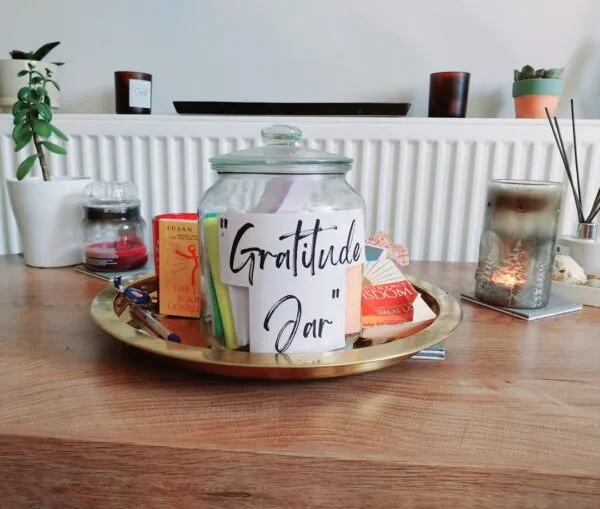
You often find yourself immersed in the relentless pursuit of more, a continuous striving for future possessions or achievements. This inherent human tendency, while a powerful motivator, can inadvertently obscure the value of what you already possess. Gratitude, an emotional state characterized by thankfulness and appreciation, offers a potent antidote to this perpetual dissatisfaction. It is not merely a polite social nicety but a robust psychological construct with demonstrable benefits for your overall well-being. By consciously cultivating gratitude, you shift your perceptual lens, enabling you to recognize and cherish the existing anchors in your life, even amidst the storms of ambition and challenge.
Gratitude fundamentally alters how your brain processes information, moving you from a deficit-oriented mindset to one of abundance. This is less about wishful thinking and more about a quantifiable neurological change.
Shifting Neural Pathways
Research in neuroscience, particularly in September 2025, has established a clear link between the practice of gratitude and the strengthening of neural pathways associated with positive thinking [7]. When you regularly acknowledge things you are grateful for, you are, in effect, exercising these neuronal circuits. Imagine your brain as a landscape with various trails. The more you traverse a particular trail, the more defined and easier to navigate it becomes. Similarly, repeated acts of gratitude deepen the grooves of positive mental processing, making it more natural and effortless to perceive the good in your life. This rewiring helps you to automatically scan your environment for positives rather than negatives.
Impact on Neurotransmitters
The American Brain Foundation confirmed in November 2025 that gratitude actively reduces cortisol levels [8]. Cortisol, often dubbed the "stress hormone," is a significant contributor to chronic stress and its physiological repercussions. By mitigating its presence, gratitude effectively lowers your physiological stress response. But the neurochemical benefits extend further. Ongoing research indicates that gratitude also boosts the production of dopamine and serotonin [2]. Dopamine is a key player in the brain's reward system, associated with feelings of pleasure, motivation, and reinforcement. Serotonin, on the other hand, is crucial for mood regulation, sleep, appetite, and learning. By increasing these neurochemicals, gratitude acts as a natural antidepressant and mood enhancer, subtly but powerfully elevating your emotional baseline.
Broaden-and-Build Theory Explained
The "broaden-and-build" theory, a psychological framework, provides a comprehensive explanation for how gratitude transforms your mental well-being [1]. This theory suggests that positive emotions, such as gratitude, broaden your thought-action repertoire, making you more creative, explorative, and open to new experiences. Instead of narrowing your focus due to negative emotions (like fear or anger), gratitude expands your perspective. This broadened outlook, in turn, helps you to build personal resources, including intellectual, physical, social, and psychological assets. For example, a heightened sense of gratitude may lead you to appreciate existing relationships more, fostering deeper connections. These built resources then become enduring reserves that you can draw upon in future challenges, creating an upward spiral of well-being. You become more resilient, not because problems magically disappear, but because you have a wider array of internal tools and a more expansive perspective to tackle them.
In exploring the theme of gratitude and its impact on our appreciation for what we already possess, you might find the article "The Power of Gratitude: Transforming Your Mindset" particularly insightful. This piece delves into various techniques for cultivating gratitude in daily life and highlights its benefits on mental well-being. To read more about this transformative practice, visit the article here: The Power of Gratitude: Transforming Your Mindset.
Physiological Benefits of a Grateful Disposition
The impact of gratitude extends beyond the confines of your mind, manifesting in tangible physiological improvements that contribute to a healthier, more robust you.
Cardiac Health and Systemic Well-being
The American Brain Foundation's November 2025 findings underscore that gratitude benefits cardiac function [8]. This is directly linked to the reduction in cortisol levels. Chronic stress and elevated cortisol are known risk factors for cardiovascular diseases, including high blood pressure and heart attacks. By consistently lowering these stress hormones, gratitude acts as a protective mechanism for your heart. Furthermore, 2024-2025 studies published in JAMA Psychiatry found a compelling correlation: individuals with the highest gratitude scores exhibited a 9% lower mortality risk, with a particularly significant impact on cardiovascular mortality [4, 5]. This suggests that a grateful disposition is not merely a feeling but a lifestyle factor that can genuinely prolong your life and enhance its quality. Consider gratitude as a subtle, yet powerful, form of preventative medicine.
Immune System Enhancement and Recovery
Ongoing research highlights that gratitude also improves your immune system [2]. When you are in a state of chronic stress, your immune system becomes compromised, leaving you more susceptible to illness. By reducing stress hormones and boosting positive neurochemicals, gratitude creates an internal environment more conducive to robust immune function. A more resilient immune system means you are better equipped to ward off common infections and recover more efficiently when you do fall ill. Imagine your immune system as a highly trained army; gratitude helps to keep this army well-supplied and in peak condition, ready to defend against external threats.
Sleep Quality and Restorative Processes
A common consequence of incessant striving and worry is disturbed sleep. Gratitude offers a pathway to better rest. Research indicates that actively practicing gratitude improves sleep quality [2]. When you intentionally focus on positive aspects of your day before sleep, you interrupt the cycle of negative rumination that often precedes insomnia. This mental shift creates a more tranquil internal environment, facilitating easier a deeper entry into sleep. Adequate sleep is not merely about resting; it is a vital period for your body's restorative processes, including cellular repair, memory consolidation, and hormone regulation. By improving your sleep, gratitude indirectly enhances a multitude of physiological functions essential for your overall health.
The Resilience-Building Power of Gratitude
Life is an undulating landscape of peaks and valleys. How you navigate these inevitable challenges significantly determines your well-being. Gratitude acts as a formidable tool in building your internal fortitude.
Buffering Against Stress and Trauma
Ongoing research consistently points to gratitude's ability to build resilience against stress and trauma [2, 3, 6]. When confronted with adversity, a grateful mindset allows you to frame the situation differently. Instead of being consumed by the hardship, you are better able to identify the lessons learned, the strength gained, or the support received, even within the difficult experience. This doesn't mean ignoring pain or pretending that everything is fine; rather, it means finding a flicker of light in the darkness. You might acknowledge the supportive friends who stood by you during a loss, or the new perspective gained from a setback. This capacity to find positive aspects, however small, prevents you from being completely overwhelmed and helps you to rebound more effectively.
Enhancing Optimism and Future Orientation
Gratitude naturally fosters optimism [1]. By regularly appreciating what you have, you train your mind to expect good things. This is not about blind optimism, but a grounded belief that positive outcomes are possible, even desirable. When you focus on the blessings in your present, you create a psychological framework that is more receptive to future blessings. This optimistic outlook becomes a self-fulfilling prophecy, as it encourages you to engage more actively with the world, seek out opportunities, and persevere through difficulties, all of which increase your chances of positive future experiences. You become less like a ship adrift and more like one with a compass, albeit one that helps you see the beauty in the journey itself.
Strengthening Social Bonds and Support Systems
Gratitude is inherently relational. When you express gratitude towards others, you strengthen your social connections. Conversely, when you feel grateful for the people in your life, you are more likely to invest in those relationships [1]. These strengthened social bonds then serve as critical support systems during times of stress and trauma. Knowing that you have a network of people who care about you provides a powerful emotional buffer against life's difficulties. The September 2025 research affirms that gratitude enhances relationships [1], cultivating an upward spiral where appreciation fosters stronger ties, which in turn provides more reasons for gratitude. This creates a robust social safety net, a collective resilience that complements your individual strength.
Psychological Enrichment Through Gratitude
Beyond stress reduction and physical health, gratitude acts as a catalyst for profound psychological enrichment, painting your inner world with richer hues.
Cultivating a Sense of Abundance
One of the most profound psychological shifts brought about by gratitude is its ability to direct your focus towards abundance [2]. Often, you perceive life through a lens of scarcity, perpetually feeling that you lack something – more money, more time, more recognition. Gratitude directly challenges this narrative by prompting you to consciously acknowledge the richness that already exists in your life. This doesn't necessarily mean material wealth; it can be the warmth of your home, the taste of your morning coffee, the laughter of a loved one, or the simple fact of another day. By shifting your focus from what is missing to what is present, you fundamentally alter your internal landscape from one of lack to one of plenty. This transformation is akin to turning on a light in a dimly lit room, revealing treasures you previously overlooked.
Increased Life Satisfaction and Well-being
A meta-analysis of 64 trials in the 2024-2025 period revealed significant gains in life satisfaction (6.86%) and mental health (5.8%) for individuals practicing gratitude [3, 4]. These are not marginal improvements but substantial shifts that reflect a deeper contentment with your existence. When you regularly acknowledge the good in your life, you implicitly affirm its value. This affirmation contributes to a holistic sense of well-being, where you feel more content, purposeful, and at peace. You are less likely to fall into the trap of hedonistic adaptation, where new possessions or achievements temporarily boost happiness only for it to return to a baseline. Instead, gratitude provides a sustainable source of joy drawn from the ordinary, yet profound, existing realities of your life.
Reduction in Anxiety and Depression Symptoms
The same meta-analysis also highlighted a tangible reduction in anxiety and depression symptoms [3, 4]. This reinforces the notion that gratitude is not just about feeling good, but about mitigating the symptoms of common mental health challenges. By providing a counterpoint to negative thought patterns and promoting positive neurochemical changes, gratitude actively works against the insidious grip of anxiety and depression. When you are grateful, your mind is less occupied with worrying about future uncertainties or ruminating over past regrets. Instead, it is directed towards the present moment and its inherent goodness, offering a reprieve from the mental loops that characterize these conditions.
In exploring the theme of gratitude and its impact on our lives, you might find it interesting to read about how our perceptions of style can also reflect our appreciation for what we already possess. The article discusses how the brown winter coat has emerged as a new style staple, emphasizing the importance of valuing timeless pieces in our wardrobes. This connection between fashion and gratitude highlights how embracing what we have can lead to a deeper sense of fulfillment. For more insights, check out the article here.
Practical Integration of Gratitude into Your Daily Life
Knowing the benefits of gratitude is one thing; actively implementing it is another. Integrating gratitude into your daily routine doesn't require grand gestures but consistent, small actions. WGBH in 2026 reports that practicing gratitude significantly improves emotional, mental, and physical well-being, explicitly recommending its inclusion in wellness routines [9].
The Gratitude Journal
One of the most widely recommended and effective methods is maintaining a gratitude journal. This involves dedicating a few minutes each day, perhaps in the morning or before bed, to write down specific things you are grateful for. The key is to be specific. Instead of writing "grateful for my family," try "grateful for my sister's unwavering support during this challenging week, especially when she brought me dinner." The specificity deepens the emotional connection and makes the practice more impactful. This act of writing crystallizes your thoughts, making your blessings more tangible and less fleeting.
Expressing Appreciation Actively
Beyond internal reflection, actively expressing your gratitude to others is paramount. This can take many forms: a heartfelt thank-you note, a verbal acknowledgment of someone's kindness, or a small gesture of appreciation. When you express gratitude, you not only make the other person feel valued, but you also reinforce your own sense of thankfulness. It's a powerful feedback loop that strengthens both your social connections and your internal state of gratitude. Think of it as throwing a pebble into a pond; the ripples of positivity extend far beyond the initial splash.
Mindful Awareness and "Gratitude Glimmers"
Cultivating mindful awareness throughout your day allows you to catch "gratitude glimmers" – small, unexpected moments that evoke thankfulness. This could be noticing the beauty of a sunset, savoring a particularly delicious meal, hearing a favorite song, or experiencing a moment of calm. The practice is to pause, acknowledge, and appreciate these fleeting moments. This doesn't require extra time or effort, just a gentle shift in your attention. By consciously recognizing these glimmers, you gradually train your mind to be more attuned to the positive aspects of your environment, turning everyday occurrences into sources of quiet joy. This ongoing practice gradually shapes your default mental state, making gratitude not just an exercise, but an inherent aspect of how you experience the world.
FAQs
What is gratitude and how is it defined?
Gratitude is the quality of being thankful and showing appreciation for what one has. It involves recognizing and acknowledging the positive aspects of life and the kindness of others.
How does practicing gratitude improve mental health?
Practicing gratitude has been shown to reduce stress, increase happiness, and improve overall emotional well-being. It helps shift focus from negative thoughts to positive experiences, fostering a more optimistic outlook.
Can gratitude help in appreciating material possessions?
Yes, gratitude encourages individuals to value and appreciate what they already own rather than constantly seeking more. This mindset can lead to greater contentment and reduce feelings of envy or dissatisfaction.
What are common ways to practice gratitude daily?
Common practices include keeping a gratitude journal, expressing thanks to others, reflecting on positive experiences, and mindful appreciation of everyday moments.
Is there scientific evidence supporting the benefits of gratitude?
Yes, numerous studies in psychology have demonstrated that gratitude is linked to improved mood, better relationships, and enhanced physical health, confirming its positive impact on overall well-being.