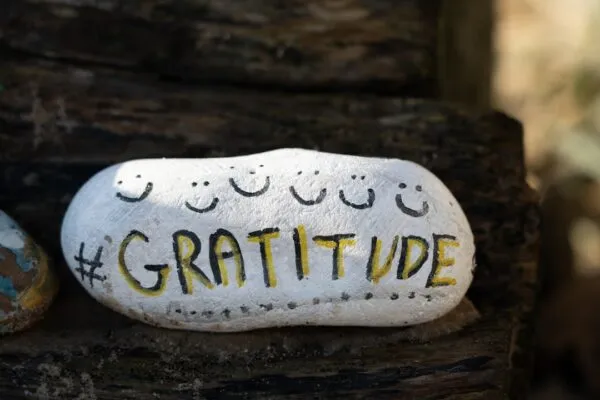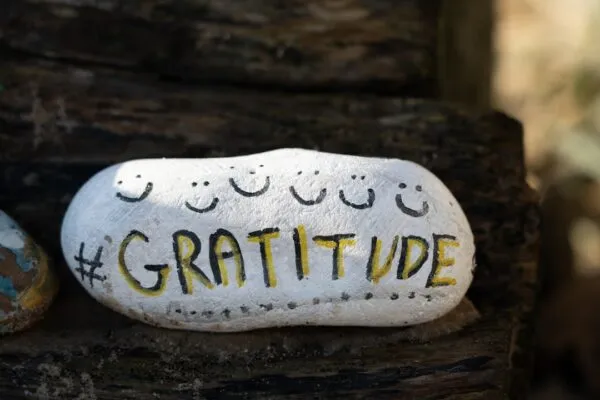
You are navigating a landscape often characterized by stark contrasts: the pervasive tendril of pain and the elusive light of gratitude. It's a common misapprehension to view gratitude as a panacea, a magic wand that vaporizes suffering. This perspective, however, is a disservice to both the profound realities of human struggle and the nuanced power of an appreciative mindset. Instead, consider gratitude not as an eraser of pain, but as a lens. When you look through this lens, the panorama of your experience might not change entirely, but your perception of it will. You gain a new focal point, allowing you to see beyond the immediate discomfort to the broader context of your existence, revealing elements of strength, support, and even subtle beauty that might otherwise remain obscured. This is where gratitude truly excels: in its capacity to shift your perspective without ever diminishing the validity or intensity of your pain.
When you encounter difficult circumstances, your natural inclination might be to focus on what is wrong, what is lacking, or what has been lost. This is a survival mechanism, a way the mind attempts to register threat and seek resolution. However, left unchecked, this focus can become an echo chamber, amplifying distress and obscuring any potential for solace. Gratitude intervenes not by invalidating this natural response, but by offering an alternative. It acts as a counterweight, restoring a sense of balance.
Gratitude as a Counterbalance to Overwhelm
Imagine your emotional state as a scale. On one side, you place the weight of your pain, your anxieties, your losses. This side can become incredibly heavy, pulling down your entire sense of well-being. What gratitude does is introduce weight to the other side of the scale. It asks you to acknowledge the good, the resilient, the enduring – even in the smallest forms. This doesn't mean the pain magically disappears; the weight on its side remains. But the entry of gratitude introduces a dynamic equilibrium, preventing the pain from completely overwhelming your capacity to cope. You still recognize the full weight of your struggle, but you also acknowledge the presence of elements that support, sustain, or even uplift you.
Re-framing the Narrative of Suffering
Your experience of pain is often accompanied by a narrative you construct around it. This narrative can be one of helplessness, injustice, or unending hardship. While these feelings may be valid and understandable, they can also become self-reinforcing. Gratitude offers an opportunity to subtly re-frame this internal dialogue. It prompts you to consider aspects of your situation that might previously have gone unnoticed. Perhaps it's the unwavering support of a friend, the unexpected moments of peace, or the resilience you discover within yourself. By acknowledging these positive elements, you are not denying your suffering; rather, you are expanding your story to include more than just the pain. You begin to weave a tapestry that, while still containing dark threads, also incorporates strands of color and light.
In exploring the theme of gratitude and its ability to provide perspective without diminishing the reality of pain, one might find it insightful to read a related article on the significance of appreciating the finer things in life. This article discusses how high-quality jewelry from selected luxury brands can serve as a reminder of the beauty that exists even amidst challenges. You can read more about this perspective in the article available at High-Quality Jewelry from Selected Luxury Brands.
Stress and Sleep: The Interplay with Gratitude
The complex relationship between mind and body becomes particularly evident when discussing pain. Recent research underscores that the benefits of gratitude are not purely abstract; they manifest through tangible physiological and psychological mechanisms. Specifically, the regulation of stress and the improvement of sleep stand out as critical pathways through which gratitude contributes to your ability to manage pain. You might view these as internal shock absorbers, cushioning the impact of discomfort.
Breaking the Cycle of Stress and Pain
Consider the feedback loop often created by pain and stress. Pain, whether acute or chronic, is inherently stressful. Your body registers it as a threat, triggering a cascade of stress hormones. This elevated stress response, in turn, can heighten your perception of pain, making it feel more intense and pervasive. It's like a distorted amplifier, turning up the volume on your discomfort. Gratitude, by its very nature, is a stress disruptor. When you actively practice gratitude, you engage different neural pathways, those associated with positive emotions and calm. This shift can lower your physiological arousal, decreasing the release of stress hormones like cortisol. With a reduced stress response, the "amplifier" of pain is turned down, making the pain signals feel less overwhelming and more manageable. Research indicates that this mechanism is not merely theoretical; it's a measurable physiological effect.
The Role of Restorative Sleep in Pain Management
Sleep disturbance is a pervasive issue for individuals experiencing chronic pain. The constant discomfort, coupled with anxiety about the pain, often leads to fragmented or insufficient sleep. This lack of restorative sleep further exacerbates pain perception, reduces your coping capacity, and can even compromise your immune system. It's a vicious cycle where pain prevents sleep, and lack of sleep intensifies pain. Gratitude offers a vital intervention point in this cycle. By lowering stress and anxiety levels, gratitude prepares your mind and body for sleep. You are less likely to ruminate on your pain or worries, allowing for a more peaceful transition into rest. Improved sleep quality – both in duration and depth – directly impacts your ability to manage pain. When you are well-rested, your body's natural healing mechanisms are more effective, your pain threshold can improve, and your overall resilience is enhanced. Gratitude, therefore, acts as a gateway to better sleep, which, in turn, acts as a buffer against pain.
Complementing, Not Replacing, Medical Treatment
It is crucial to understand that embracing gratitude is not an alternative to seeking professional medical care. You should never view it as a substitute for prescribed medications, therapies, or consultations with healthcare providers. Rather, gratitude serves as a powerful complementary strategy, enhancing your emotional resilience and functional capacity while qualified medical professionals address the underlying physical pathology of your pain. Think of it as adding high-quality fuel to a well-engineered vehicle; it optimizes performance without replacing the engine itself.
Enhancing Emotional Resilience
Living with pain, especially chronic pain, is an emotionally taxing experience. You may grapple with feelings of frustration, despair, anger, and isolation. These emotions, while valid, can deplete your emotional reserves, making it harder to engage with medical treatments or adhere to necessary lifestyle changes. Gratitude acts as a wellspring for emotional resilience. By consistently acknowledging the good, the supportive, and the enduring aspects of your life, you gradually build a stronger internal framework. This doesn't make the pain disappear, but it enhances your capacity to withstand its emotional toll. You become less prone to being entirely consumed by negative emotions, allowing you to approach your medical journey with a more stable and hopeful outlook. This emotional fortitude permits you to actively participate in your treatment plan, a critical component for successful outcomes.
Facilitating Adherence and Engagement with Care
Your engagement with medical treatment often requires discipline, patience, and a degree of optimism. Whether it's adhering to a physiotherapy regimen, taking medication as prescribed, or attending regular appointments, a positive mindset can significantly influence your compliance. When you cultivate gratitude, you foster a sense of optimism and agency. You are more likely to see the value in your treatment, even when progress is slow or challenging. This isn't about blind optimism; it's about acknowledging the effort being made, the support being offered, and the potential for improvement. This perspective makes you a more active and engaged participant in your own care, rather than a passive recipient. This synergy between gratitude and medical treatment leads to better outcomes, as your mental and emotional state directly influences your physical healing trajectory.
The Power of Brief, Consistent Practice
You might be thinking that cultivating gratitude requires a significant time commitment or an elaborate ritual. This is a common misconception. Recent research strongly suggests that the most impactful approach to integrating gratitude into your life is through short, consistent bursts of practice. It's akin to micro-dosing for mental well-being; small, regular engagements yield profound and lasting results. You don't need to dedicate hours to journaling or meditation; even a few minutes a day can begin to rewire your brain for a more appreciative perspective.
The Cumulative Effect of Small Acts
Imagine a gentle stream carving its way through rock. It doesn't happen overnight, nor does it require a sudden, massive flood. Instead, it's the continuous, consistent flow of water, drop by drop, that gradually reshapes the landscape. Your gratitude practice works similarly. Spending just 15 minutes a day, perhaps for five days a week, over a period like six weeks, might seem inconsequential on any single day. However, the cumulative effect of these small, deliberate acts is transformative. Each instance of focusing on something you are grateful for – whether it's the warmth of your bed, the taste of your morning coffee, or the sound of a loved one's voice – builds a neural pathway. Over time, these pathways become stronger, making it easier for your mind to naturally gravitate towards appreciation, even amidst challenges. This sustained effort reinforces positive cognitive patterns, gradually enhancing your mental well-being and fostering lasting shifts in perspective.
Accessibility and Practicality for Daily Life
One of the greatest strengths of brief, consistent gratitude practice is its sheer accessibility. You don't need special equipment, a quiet retreat, or an abundance of free time. You can practice gratitude anywhere, anytime. Stuck in traffic? Identify three things you're grateful for in that moment. Waiting for an appointment? Reflect on the support systems in your life. Before bed? Jot down a few moments of grace from your day. This low-barrier-to-entry makes it a practical and sustainable intervention, particularly for individuals who may already be struggling with pain, fatigue, or time constraints. The very simplicity of the practice removes common barriers to engagement, making it a realistic and effective tool you can seamlessly integrate into the rhythm of your daily life. This practical approach demystifies gratitude, transforming it from an abstract concept into an actionable strategy for enhancing your daily experience.
In exploring the theme of gratitude and its ability to provide perspective without minimizing pain, one might find it beneficial to read about the challenges and rewards of remote work. The article on working from home highlights how cultivating gratitude can enhance our daily experiences, even in the face of difficulties. For more insights, you can check out this related article on working from home, which offers practical tips on maintaining a positive mindset while navigating the complexities of remote life.
Broadening the Scope of Well-being Improvements
The benefits of practicing gratitude extend far beyond simply helping you cope with pain. While its role in pain management is significant, it acts as a catalyst for a holistic improvement in your overall well-being. Think of gratitude as the keystone in an arch; its solid placement strengthens the entire structure, allowing various aspects of your health and emotional life to flourish. You will find that addressing one area through gratitude often creates positive ripple effects across multiple dimensions of your existence.
Elevating Mood and Curtailing Negativity
One of the most immediate and perceptible changes you might experience with consistent gratitude practice is an uplift in your mood. When your attention shifts from what is distressing to what is agreeable, even momentarily, your emotional state often follows suit. Gratitude acts as a direct antagonist to negative emotions like sadness, anxiety, and irritability. It doesn't erase their presence entirely, but it lessens their grip. By actively seeking out and acknowledging sources of appreciation, you interrupt the rumination cycle often associated with low mood and anxiety. This mental redirection fosters a more positive internal dialogue, leading to a general improvement in your emotional baseline. You become more resilient to emotional setbacks and better equipped to navigate the inevitable challenges of life with a more stable and constructive outlook.
Bolstering Immunity and Physical Health
The connection between your mental state and physical health is profound, and gratitude serves as a powerful bridge. The stress-reducing effects of gratitude, as previously discussed, have direct physiological benefits. Chronic stress is a known suppressor of the immune system, making you more susceptible to illness and hindering recovery. By mitigating stress, gratitude indirectly supports a more robust immune response. Furthermore, improved sleep quality, a direct outcome of gratitude practice, is fundamentally linked to overall physical health, including immune function. Better sleep allows your body to repair, regenerate, and fortify its defenses. Research increasingly demonstrates that gratitude isn't just a feel-good emotion; it's a proactive strategy for enhancing your body's natural healing and protective mechanisms, contributing to a more resilient physical state and potentially decreasing the severity of chronic pain. This illustrates how gratitude reaches beyond the psychological, manifesting in tangible improvements in your physical well-being.
FAQs
What is the main idea behind gratitude bringing perspective?
Gratitude helps individuals recognize positive aspects in their lives, which can provide a broader perspective on their experiences without ignoring or minimizing their pain.
How does gratitude differ from dismissing pain?
Gratitude acknowledges and appreciates positive elements while still validating and accepting the reality of pain, rather than denying or invalidating difficult emotions.
Can practicing gratitude improve mental health?
Yes, regularly practicing gratitude has been shown to enhance emotional well-being, reduce stress, and increase resilience by fostering a balanced outlook on life's challenges.
What are some ways to cultivate gratitude without ignoring pain?
Techniques include journaling about things one is thankful for, mindful reflection on positive moments, and expressing appreciation to others, all while allowing space to process and acknowledge pain.
Is it possible to feel gratitude and pain simultaneously?
Yes, individuals can experience gratitude for certain aspects of life while simultaneously feeling pain, as these emotions are not mutually exclusive and can coexist in a nuanced emotional experience.