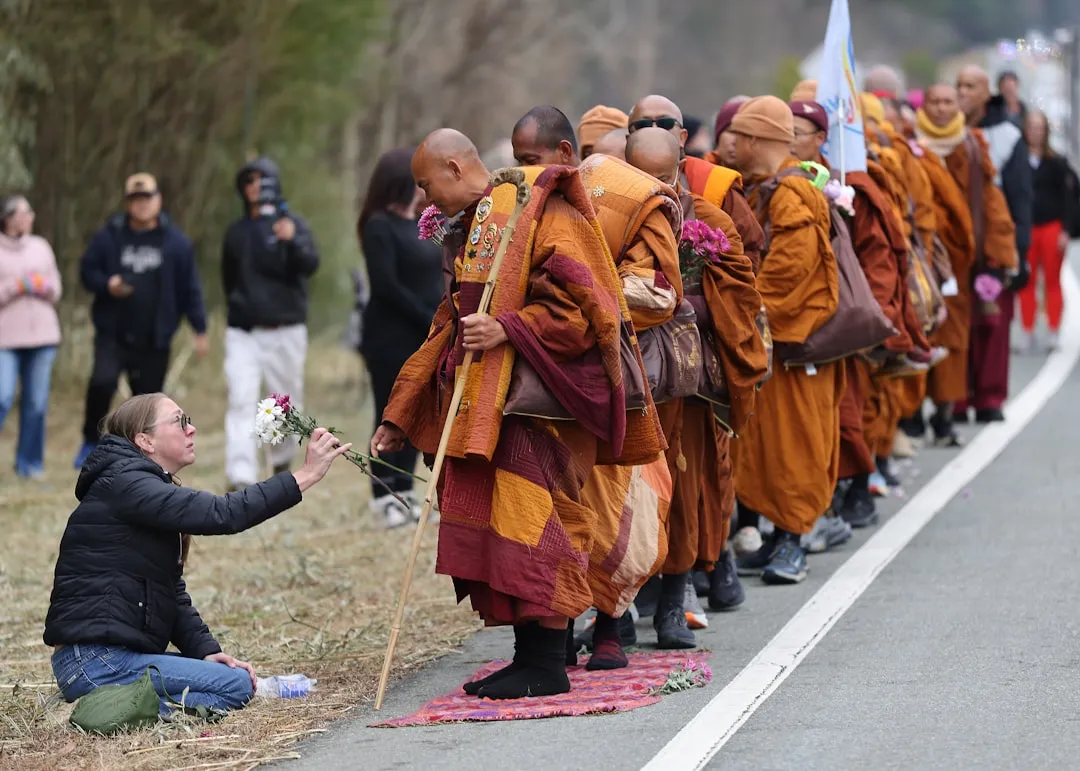
We often find ourselves navigating the complexities of modern existence, where the pursuit of more, faster, and better can overshadow the simple yet profound satisfactions of life. In this landscape, the concept of gratitude emerges not merely as a pleasant sentiment, but as a critical psychological and philosophical tool for cultivating a deeply fulfilling life. Through systematic observation and extensive research, we have come to understand gratitude as a multifaceted phenomenon with tangible benefits for individual well-being and societal cohesion. It is not an ephemeral emotion, but a learned disposition, a practice that, when consistently applied, can fundamentally alter our perception of reality and enhance our overall experience.
Our understanding of gratitude extends beyond anecdotal experience, delving into its neurological underpinnings and psychological mechanisms. We are not merely suggesting that gratitude "feels good"; rather, we are discussing a measurable impact on brain function and cognitive processes.
Neural Pathways and Neurotransmitter Release
When we experience gratitude, specific areas of the brain, particularly those associated with reward, social cognition, and moral judgment, exhibit increased activity. Studies utilizing functional magnetic resonance imaging (fMRI) have shown activation in the medial prefrontal cortex, a region implicated in understanding others' intentions and self-referential processing. This neural activity is accompanied by the release of neurochemicals such as dopamine and oxytocin. Dopamine, often associated with pleasure and reward, reinforces the grateful experience, making us more likely to seek it out again. Oxytocin, known as the "bonding hormone," fosters feelings of connection and trust, strengthening interpersonal relationships. Therefore, cultivating gratitude is akin to engaging in a form of neural conditioning, training our brains to register and amplify positive experiences.
Cognitive Reframing and Attention Bias
One of the primary psychological mechanisms through which gratitude operates is cognitive reframing. It encourages us to consciously shift our focus from what is lacking to what is abundant. This is not simply a Pollyannaish denial of reality, but a deliberate act of directing attention. In a world saturated with information and potential stressors, our cognitive resources are constantly being pulled in multiple directions. Gratitude serves as a countermeasure to the negativity bias, a natural human tendency to give more weight to negative experiences. By actively practicing gratitude, we systematically train our attention to identify and appreciate the positive aspects of our lives, no matter how small. This shift in attention can lead to a more optimistic outlook, reducing rumination and fostering a greater sense of contentment.
Impact on Emotional Regulation
Gratitude also plays a crucial role in emotional regulation. When faced with challenges or adversity, a grateful perspective can help us contextualize difficult emotions. Instead of being overwhelmed by frustration or despair, we can often find elements of learning or resilience within the struggle itself. This does not mean that gratitude eradicates negative emotions; rather, it provides a buffer, preventing us from becoming entirely consumed by them. By recognizing the support systems we have, the lessons we are learning, or the intrinsic strengths we possess, we can navigate difficult emotional landscapes with greater equanimity. This contributes to enhanced emotional resilience, allowing us to rebound more effectively from setbacks.
Practicing gratitude can significantly enhance our overall well-being and perspective on life. For those interested in exploring the intersection of gratitude and personal style, a fascinating article titled "The Brown Winter Coat is the New Style Staple" delves into how embracing gratitude can influence our fashion choices and self-expression. You can read more about this intriguing connection in the article here: The Brown Winter Coat is the New Style Staple.
Practical Applications for Daily Living
Integrating gratitude into our daily routines is not an arduous task but a series of small, consistent acts. We have observed that even minimal, structured engagement with gratitude can yield substantial results over time.
Gratitude Journals and Reflection Practices
One of the most widely adopted and effective methods for cultivating gratitude is the practice of journaling. For instance, the newly released A Year of Gratitude: 2026 Daily Planner & Journal by Autumn Loon Books, available from November 25, 2025, exemplifies this approach. It incorporates guided daily entries and 5-minute reflection prompts, explicitly designed to aid in the consistent practice of gratitude. Similarly, Melanie Spears's 2026 Gratitude Diary and Daily Planner Calendar offers guided reflections and a structured format for promoting inner growth. These tools provide a framework for individuals to regularly document their appreciation, thereby solidifying the habit of grateful reflection. The act of writing itself can deepen the experience, forcing us to articulate and solidify our feelings of thankfulness. We find that regularly revisiting these entries can serve as a powerful reminder of the continuous blessings in our lives, reinforcing positive neural pathways.
Daily Inspiration and Affirmation
Beyond personal journaling, external prompts and daily affirmations can significantly contribute to a grateful mindset. The Year of Gratitude Page-A-Day® Calendar 2026 by A Network for Grateful Living, set to go on sale August 12, 2025, provides daily inspiration, wisdom, reflection questions, and meaningful quotes. Such resources offer a consistent, low-effort method for integrating gratitude into the start of each day. The presence of positive affirmations and philosophical insights, like Rumi's eloquent pronouncements on thankfulness, can gently steer our focus towards appreciation. We recognize that these daily nudges, while seemingly minor, accumulate over time to create a substantial shift in overall outlook. The calendar's new plastic-free and recyclable design also aligns gratitude with broader ethical considerations, potentially enhancing the sense of well-being that comes from responsible consumption.
Habit Alignment and Personal Growth
The integration of gratitude into our broader personal growth journey is a critical aspect we observe. Ruthy Baker's guide on Best Self-Help Books for 2026 includes gratitude-themed journal prompts. Questions such as "What brings me the deepest sense of fulfillment in 2026?" serve to align our daily gratitude practices with larger life goals and aspirations. This goes beyond simply appreciating what we have; it encourages us to consciously shape our habits and choices to foster greater fulfillment. By reflecting on what truly makes us feel complete, we can intentionally cultivate activities and relationships that generate genuine gratitude, thereby building a self-reinforcing cycle of positive experiences and appreciation. This strategic incorporation of gratitude ensures it is not a standalone practice but an integral component of a holistic approach to life.
The Ripple Effect: Gratitude and Relationships
We observe that gratitude is not solely an internal experience; it has a profound external impact, particularly on our interpersonal relationships. When we express gratitude, we are not only benefiting ourselves but also strengthening the bonds we share with others.
Enhancing Social Connection
Expressing gratitude explicitly fosters stronger social connections. When we thank someone, we are acknowledging their effort, kindness, or presence, which validates their actions and makes them feel appreciated. This act of recognition deepens trust and empathy, creating a more positive relational dynamic. We find that regular, authentic expressions of gratitude can transform superficial acquaintances into meaningful relationships. It serves as a reminder that we are interconnected, reliant on one another, and capable of collaborative kindness. This fosters a sense of belonging and community, which are fundamental human needs. The reciprocal nature of gratitude often means that when we give it, we are more likely to receive it in return, creating a virtuous cycle of affirmation and support.
Facilitating Forgiveness and Empathy
Gratitude can also play a pivotal role in facilitating forgiveness and empathy. When we are grateful for aspects of a relationship, even during times of conflict, it can provide a broader perspective. It allows us to view others – and ourselves – with greater compassion and understanding. By focusing on the positive contributions of individuals, even those with whom we may have disagreements, we can cultivate a sense of empathy that mitigates anger and resentment. This is not to say that gratitude excuses harmful behavior, but it can create the psychological space necessary for reconciliation and healing. It helps us remember the intrinsic value of the relationship, encouraging us to seek constructive solutions rather than remaining mired in grievances.
Resilience and Well-being Amidst Adversity
Perhaps one of the most compelling aspects of gratitude is its capacity to build resilience in the face of adversity. We have consistently observed that individuals who regularly practice gratitude are better equipped to navigate life's inevitable challenges.
Coping Mechanisms for Stress
Gratitude serves as a powerful coping mechanism for stress. When confronted with difficult situations, pausing to identify elements of gratitude can shift our emotional state from one of helplessness to one of empowerment. This could involve being grateful for the support of loved ones, the lessons learned from a difficult experience, or even the simple fact of having another day to try again. This practice does not negate the experience of stress but helps to contextualize it, providing a mental buffer that prevents overwhelming despair. By focusing on what is still good, or what can be salvaged, we activate a problem-solving mindset rather than succumbing to the paralysis of negativity.
Promoting Optimism and Hope
A consistent gratitude practice naturally cultivates optimism and hope. When we regularly acknowledge the positive aspects of our lives, we begin to build a reservoir of positive experiences and memories. This mental archive serves as a reference point during times of sadness or uncertainty, reminding us that good things still happen, and challenges can be overcome. It promotes a forward-looking perspective, encouraging us to believe in the possibility of positive outcomes. This is not a naive optimism but a grounded one, based on the accumulated evidence of past blessings and the conscious recognition of present good. This is a crucial element in maintaining psychological well-being over the long term.
The Imaginary Gratitude Jar
The ongoing Goodreads Gratitude Jar reading challenge, while originating in 2022, emphasizes a conceptual aspect of gratitude that remains highly relevant in 2026. Participants effectively fill an “imaginary jar” with books representing life's blessings. This imaginative exercise underscores the daily, incremental nature of accumulating positive experiences and reflections. It encourages a mental inventory of gratitude, illustrating that gratitude isn't always about grand gestures but often about recognizing the myriad small blessings that constitute a fulfilling life. The act of "filling the jar" serves as a metaphor for building up a personal reserve of appreciation, a resource that can be drawn upon during challenging times. This conceptualization solidifies the idea that gratitude is a continuous, accumulative process rather than a sporadic event.
Practicing gratitude can significantly enhance our overall well-being, and exploring its various aspects can be quite enlightening. For instance, an interesting article discusses how high-quality jewelry from selected luxury brands can serve as a meaningful gift that embodies appreciation and love. You can read more about this connection in the article on high-quality jewelry, which highlights how thoughtful gestures can foster deeper relationships and gratitude in our lives.
Cultivating a Fulfilling Life Through Gratitude
Ultimately, our research and observations lead us to the conclusion that gratitude is not merely a pleasant emotion but a foundational pillar for building a truly fulfilling life. It is an intentional practice that reorients our perspective, enhances our relationships, and fortifies our resilience.
A Shift in Perspective
The consistent practice of gratitude instigates a fundamental shift in perception. We learn to see the world not solely through the lens of scarcity or deficiency, but through the lens of abundance and opportunity. This is not to say that challenges disappear, but their impact on our overall sense of well-being is mitigated. We begin to appreciate the intricate tapestry of life, recognizing the countless large and small blessings that often go unnoticed in the rush of daily existence. This shift transforms our internal landscape, making us more receptive to joy and less susceptible to the draining effects of constant dissatisfaction. It is akin to tuning a radio to a clearer, more harmonious frequency.
Personal Agency and Responsibility
Embracing gratitude also empowers us with a greater sense of personal agency. It reminds us that we have the capacity to choose our focus, even in circumstances beyond our control. This understanding shifts us from a passive recipient of external events to an active participant in shaping our internal experience. We take responsibility for cultivating our own happiness, recognizing that fulfillment is not solely dependent on external conditions but on our internal response to them. This agency is a liberating force, allowing us to navigate life's uncertainties with greater purpose and intentionality.
The Long-Term Benefits
The cumulative effect of sustained gratitude practice is a significant enhancement of overall life satisfaction. Individuals who regularly engage in gratitude report higher levels of positive emotions, increased vitality, improved sleep quality, stronger immune systems, and more positive social interactions. These are not minor improvements but substantial contributions to a life well-lived. Gratitude, therefore, is not a fleeting trend but a timeless wisdom, continuously reaffirmed by contemporary research and personal experience. We urge you, the reader, to embark on this journey, to actively incorporate gratitude into your daily life, and to witness firsthand the profound transformation it can bring to your pursuit of a truly fulfilling existence. The tools are available, the science is clear, and the potential for a richer, more vibrant life awaits.
FAQs
What is a gratitude practice?
A gratitude practice is a regular habit or routine where individuals intentionally focus on recognizing and appreciating the positive aspects of their lives. This can include writing in a gratitude journal, reflecting on things they are thankful for, or expressing thanks to others.
What are the benefits of practicing gratitude?
Practicing gratitude has been shown to improve mental health by reducing stress and depression, enhance emotional well-being, increase happiness, improve relationships, and promote better sleep and overall physical health.
How often should one engage in a gratitude practice?
Many experts recommend engaging in gratitude practice daily or several times a week to experience the most benefits. Consistency is key, whether it’s a few minutes each morning or evening spent reflecting or journaling.
Can gratitude practice be done in different ways?
Yes, gratitude practice can take many forms, including writing gratitude lists, meditating on things you are thankful for, verbally expressing thanks to others, or even creating art that represents gratitude. The method can be personalized to fit individual preferences.
Is gratitude practice effective for everyone?
While gratitude practice is generally beneficial for most people, its effectiveness can vary depending on individual circumstances and mindset. Some may find it more helpful when combined with other positive psychology techniques or mental health practices.