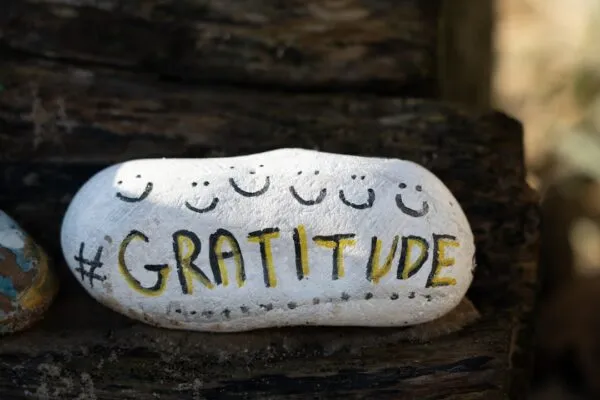
We often navigate life’s currents, sometimes propelled by ambition, other times buffeted by challenges. In this ongoing journey, the practice of gratitude emerges not merely as a fleeting sentiment but as a foundational element for a more resilient and fulfilling existence. This guide explores the multifaceted nature of gratitude, offering insights and practical approaches to cultivate a life steeped in thankfulness.
Gratitude, at its core, signifies an appreciation for the good things in our lives, both large and small. It is a recognition of the benefits we receive, whether they originate from others, from circumstances, or from within ourselves. This appreciation transcends mere politeness; it is a deeply ingrained emotional and cognitive state that can profoundly impact our well-being and our perception of the world.
The Psychological Landscape of Gratitude
Research in psychology has illuminated the significant benefits of practicing gratitude. It acts as a buffer against negative emotions, a concept often described as "emotional armor." By focusing on what we have, we indirectly diminish the perceived power of what we lack or what causes us distress. This shift in perspective is not about ignoring difficulties, but about rebalancing our emotional equilibrium.
Gratitude as a Counterbalance to Negativity
Our brains possess a natural inclination towards negativity bias, an evolutionary mechanism that prioritizes potential threats. While this served our ancestors for survival, in modern life, it can lead to an overemphasis on problems and a disregard for positive experiences. Gratitude provides an intentional counterpoint, actively training our minds to seek out and acknowledge the good, thereby mitigating the pervasive influence of negative thoughts.
The Role of Gratitude in Emotional Resilience
Emotional resilience is the capacity to adapt and recover from adversity. Gratitude contributes to this resilience by fostering a sense of optimism, hope, and contentment. When faced with setbacks, individuals who regularly practice gratitude may find it easier to recall past positives, reminding them of their capacity to overcome challenges and the enduring presence of good in their lives. This is akin to having a wellspring of inner strength to draw from during difficult times.
Gratitude and Its Connection to Well-being
The impact of gratitude extends beyond mere emotional states, influencing our overall well-being, encompassing physical, mental, and social dimensions.
The Physical Manifestations of a Grateful Mindset
Studies have indicated a correlation between gratitude and improved physical health. Grateful individuals often report fewer physical symptoms, such as pain, and may experience better sleep quality. While direct causation is complex, it is theorized that the stress-reducing effects of gratitude contribute to a healthier physiological state. The reduction of stress hormones, like cortisol, can have wide-ranging benefits on the body's systems.
Gratitude's Influence on Mental Health
The link between gratitude and mental health is well-established. Practicing gratitude has been shown to reduce symptoms of depression and anxiety. By cultivating a mindful awareness of positive aspects of life, we can interrupt rumination on negative thoughts and foster a more positive outlook. This can be particularly helpful in managing conditions where negative thought patterns are prevalent.
Social Benefits Derived from Gratitude
Gratitude also strengthens our social bonds. Expressing thanks to others can foster a sense of connection and mutual appreciation. When we acknowledge the contributions of others, we not only make them feel valued but also reinforce the positive reciprocal nature of human interaction. This can lead to more supportive and harmonious relationships.
Living with gratitude can significantly enhance our overall well-being and perspective on life. One interesting article that explores the theme of gratitude in a unique way is titled "The Brown Winter Coat is the New Style Staple." This piece not only discusses fashion but also emphasizes the importance of appreciating the little things in life, such as the comfort and warmth provided by a simple coat during the colder months. To read more about this insightful connection between style and gratitude, you can visit the article here: The Brown Winter Coat is the New Style Staple.
Cultivating a Daily Practice of Gratitude
The integration of gratitude into our daily routines is not an arduous task but a gradual process of intentional cultivation. It requires consistent effort and a willingness to observe the world through a lens of appreciation.
The Power of Intentions Over Resolutions
In the lead-up to a new year, the tradition of making resolutions often gives way to a more flexible and sustainable approach. As advocated in resources like the "Embrace Intentions for a Meaningful 2026" blog post, replacing rigid resolutions with intentions allows for greater adaptability and a focus on ongoing growth. Daily gratitude journaling fits perfectly within this framework, serving as a cornerstone for building emotional resilience and shifting our mindset toward a more joyful perspective. This approach, to be explored further with practical applications for 2026, offers a tangible pathway to embedding thankfulness into our lives.
Shifting from Obligation to Opportunity
Resolutions can often feel like obligations, burdensome tasks to be completed. Intentions, on the other hand, are forward-looking aspirations that invite exploration and flexibility. Embracing gratitude as an intention means approaching each day as an opportunity to discover and acknowledge blessings, rather than a requirement to check off a list. This subtle but significant shift can free us from the pressure of failure and encourage a more organic embrace of thankfulness.
The Flexibility of Intentional Living
Life is rarely a straight line. Intentions, unlike rigid resolutions, allow for detours and adjustments. If a particular intention proves challenging, we can adapt and reframe it without experiencing a sense of defeat. Similarly, if our initial capacity for gratitude is limited, we can gently expand it over time, allowing for periods of both intense appreciation and more subdued acknowledgment. This flexibility is crucial for long-term adherence.
The Gratitude Diary: A Personal Compass
The practice of keeping a gratitude diary is a widely recommended method for cultivating thankfulness. This simple act serves as a personal compass, guiding our attention toward the positive aspects of our lives.
Structured Reflection with a Gratitude Diary
A guided resource such as the "2026 Gratitude Diary and Daily Planner Calendar by Melanie Spears" offers a structured approach to this practice. Such diaries provide prompts and spaces for daily reflection, intention setting, and inner growth. By dedicating a few minutes each day to jotting down thoughts, we create a tangible record of our blessings and a tool for self-discovery. This diary can become a sanctuary for our thoughts and a testament to our journey.
Daily Gratitude Journaling: The Three-Thing Rule
The blog post "Embrace Intentions for a Meaningful 2026" suggests a practical approach: listing three things we are grateful for each day. This straightforward exercise acts as a mental reset, prompting us to actively scan our environment and experiences for positive elements. It is akin to tuning a radio to a specific frequency, focusing our attention on the signal of appreciation amidst the general noise of daily life.
Beyond the List: Deepening the Practice
While simply listing items is effective, deeper reflection can further enhance the practice. We can ask ourselves why we are grateful for each item, exploring the underlying reasons and the meaning it holds for us. This moves beyond superficial acknowledgment to a more profound understanding and appreciation.
Practical Strategies for Embracing Gratitude
Integrating gratitude into our lives requires more than just a passive understanding; it demands active engagement through various strategies. These strategies are designed to weave thankfulness into the fabric of our daily existence.
Mindful Observation: The Art of Noticing
Gratitude often begins with the simple act of noticing. This requires a conscious effort to be present in the moment and to observe our surroundings and experiences with an open mind.
Cultivating Awareness of Small Joys
We often overlook the "small" things – the warmth of the sun on our skin, the taste of our morning coffee, the smile of a stranger. These micro-moments, when acknowledged, accumulate to form a rich tapestry of positive experiences. Mindfulness practices, such as observing our breath or engaging our senses fully during everyday activities, can enhance our ability to notice these subtle joys.
Recognizing the Contributions of Others
Gratitude is inherently relational. We are grateful for the actions, support, and presence of others in our lives. Actively recognizing the contributions of friends, family, colleagues, and even service providers can significantly deepen our sense of appreciation. This involves acknowledging their efforts, their kindness, and the positive impact they have on us.
Expressing Gratitude: The Language of Appreciation
Simply feeling grateful is one aspect; expressing it is another. Vocalizing or demonstrating our thankfulness amplifies its impact, both for ourselves and for those around us.
The Ripple Effect of Shared Gratitude
When we express gratitude towards someone, it not only makes them feel good but can also inspire them to extend kindness and appreciation to others. This creates a positive ripple effect, spreading thankfulness throughout our social networks. It is like planting seeds of goodwill that blossom into reciprocal acts of kindness.
Verbalizing Thanks: Simple Yet Profound
A sincere "thank you" can hold immense power. It is a direct acknowledgment of another's effort or kindness. We can deepen this by adding specificity, for example, "Thank you for helping me with that project; your insight was invaluable."
Non-Verbal Expressions of Appreciation
Gratitude can also be conveyed through actions. A thoughtful gesture, a handwritten note, or simply offering our time and support in return can be powerful expressions of thankfulness. These acts speak volumes without the need for words.
Gratitude in Challenging Times: The Resilient Heart
It is during difficult periods that gratitude often proves most valuable. While it may seem counterintuitive, finding things to be thankful for, even amidst hardship, can be a source of strength and perspective.
Finding Light in the Darkness
When faced with adversity, our focus can easily narrow onto the overwhelming challenges. Gratitude acts as a flashlight, illuminating the pockets of light that still exist. This could be the unwavering support of loved ones, our own inner resilience, or even the lessons learned from the struggle.
Gratitude as a Tool for Reframing Difficulties
Instead of dwelling solely on the negative aspects of a difficult situation, gratitude can help us reframe it. We can ask ourselves: what can I learn from this experience? What strengths have I discovered within myself? What positive outcomes, however small, can I identify? This reframing process can transform perceived failures into opportunities for growth.
The Long-Term Impact of a Grateful Life
The consistent practice of gratitude is not a temporary solution but a transformative journey that reshapes our lives over the long term. Its influence penetrates various aspects of our existence, fostering sustainable well-being and a deeper connection to ourselves and the world.
Building a Foundation for Lasting Joy
While happiness can be fleeting, joy cultivated through gratitude tends to be more enduring. It is not dependent on external circumstances but rather on an internal appreciation for what we have. This sustained sense of contentment acts as a robust foundation upon which we can build a consistently joyful life.
Gratitude as an Antidote to Envy and Comparison
In a world often characterized by comparison and the pursuit of more, gratitude serves as a powerful antidote to envy. By focusing on our own blessings, we diminish the urge to compare ourselves to others and to covet what they possess. This fosters a sense of inner peace and satisfaction with our own journey.
The Joy of Contentment
Contentment, derived from an appreciative mindset, allows us to find fulfillment in our current circumstances. It does not preclude ambition or growth, but it anchors us in a state of appreciation for the present, preventing the perpetual chase for something "next" that often leaves us feeling unfulfilled.
Enhancing Relationships Through Thankfulness
The impact of gratitude on our relationships is profound and far-reaching. It acts as a lubricant, smoothing interactions and strengthening the bonds between individuals.
Fostering Deeper Connections
When we consistently express our appreciation for the people in our lives, we signal that they are valued and seen. This intentional acknowledgment deepens connections, fostering trust and intimacy. It communicates that their presence and contributions matter, creating a more robust foundation for mutual respect and affection.
Strengthening the Fabric of Community
Beyond interpersonal relationships, gratitude contributes to the health of communities. A society where thankfulness is a common currency is likely to be more cooperative, supportive, and understanding. It cultivates a sense of shared well-being and encourages collective action for the betterment of all.
A Legacy of Gratitude
The practice of gratitude is not merely for our own benefit; it has the potential to influence future generations. By modeling grateful behavior and instilling these values in children, we contribute to the cultivation of a more appreciative and resilient society.
Passing the Torch of Appreciation
Children are keen observers. By demonstrating our own gratitude, whether through verbal expressions or thoughtful actions, we teach them the importance of acknowledging the good in their lives. This early exposure to thankfulness can shape their perspectives and future behavior, setting them on a path of appreciation.
Creating a Culture of Thankfulness
As we consciously embrace gratitude, we contribute to the creation of a wider culture where thankfulness is not an afterthought but an integral part of our interactions and our societal norms. This collective shift, driven by individual practices, can lead to a more positive and supportive world for everyone.
In conclusion, embracing gratitude is a conscious choice, a continuous practice that yields profound rewards. It is a journey of mindful observation, intentional expression, and resilient adaptation. By weaving thankfulness into the tapestry of our daily lives, we unlock a deeper sense of joy, cultivate stronger relationships, and build a more resilient and fulfilling existence for ourselves and for those around us. The tools and insights shared here, including the practical frameworks for 2026, offer a roadmap for this enriching journey.
FAQs
What does it mean to live with gratitude?
Living with gratitude means consistently recognizing and appreciating the positive aspects of life, including people, experiences, and opportunities. It involves a mindset focused on thankfulness and acknowledging the good, even during challenging times.
How can practicing gratitude improve mental health?
Practicing gratitude has been shown to reduce stress, increase happiness, and improve overall emotional well-being. It can help shift focus away from negative thoughts, promote positive emotions, and enhance resilience against anxiety and depression.
What are some common ways to cultivate gratitude daily?
Common methods include keeping a gratitude journal, regularly expressing thanks to others, reflecting on positive experiences, and practicing mindfulness to become more aware of the present moment and its blessings.
Can gratitude impact physical health?
Yes, studies suggest that gratitude can lead to better sleep, lower blood pressure, and a stronger immune system. Positive emotions associated with gratitude may encourage healthier behaviors and reduce harmful stress responses.
Is gratitude beneficial in relationships?
Absolutely. Expressing gratitude can strengthen relationships by fostering trust, increasing feelings of connection, and encouraging positive communication. It helps individuals feel valued and appreciated, which enhances social bonds.