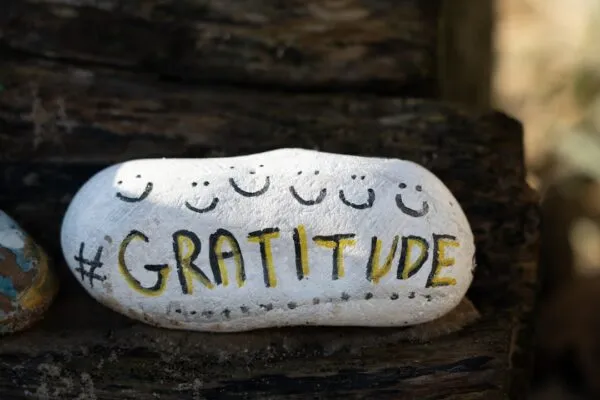
We often navigate our lives amidst a constant influx of demands, responsibilities, and unforeseen challenges. In this intricate tapestry of existence, the deliberate cultivation of gratitude emerges not as a mere fleeting emotion, but as a robust and transformative daily practice. As we delve into the multifaceted dimensions of embracing gratitude, we will collectively explore its scientific underpinnings, practical applications, and profound impact on our overall well-being, guided by contemporary research and established principles of positive psychology.
Our understanding of gratitude has evolved significantly, moving beyond anecdotal observations to rigorous scientific inquiry. We recognize that gratitude is not simply a pleasant feeling; it is a complex cognitive and emotional state with demonstrable physiological and psychological effects.
Neurological Signatures of Thankfulness
When we practice gratitude, our brains exhibit distinct patterns of activity. Neuroimaging studies have revealed increased activation in areas associated with moral cognition, reward, and social bonding. Specifically, the medial prefrontal cortex, a region implicated in the processing of self-related information and social cognition, shows heightened activity. This suggests that gratitude may reinforce our sense of self in relation to others and our environment, fostering a deeper connection. Furthermore, the release of neurotransmitters like dopamine, often associated with pleasure and reward, contributes to the positive emotional experience linked to gratitude. This neurochemical response can act as a built-in reinforcement mechanism, encouraging us to seek out and appreciate positive experiences.
Psychological Pathways to Well-being
From a psychological perspective, gratitude acts as a powerful buffer against negative emotions. It shifts our focus from what is lacking to what is abundant, thereby altering our cognitive appraisals of life events. This reframing mechanism is crucial for resilience, allowing us to navigate adversity with a more positive outlook. We observe that individuals who regularly practice gratitude report lower levels of depression and anxiety. This is not to say that gratitude eliminates these challenges, but rather that it equips us with a more robust psychological toolkit to manage them. By consistently acknowledging the positive aspects of our lives, we actively counterbalance the innate human tendency towards negativity bias, where adverse events tend to have a greater impact on our psychological state than positive ones.
The Amplifying Effect on Positive Emotions
Gratitude functions as an emotional multiplier. When we express gratitude, it not only enhances our own positive emotions but also often elicits positive responses from others. This reciprocal exchange creates a virtuous cycle of affirmation and connection. Think of it as a resonant frequency: when we vibrate with appreciation, we encourage those around us to resonate with similar positive energies. This collective amplification of positive emotions can transform interpersonal dynamics, leading to more harmonious relationships and supportive social networks. This interconnectedness is a fundamental aspect of human well-being, and gratitude serves as a powerful catalyst for its cultivation.
Gratitude plays a significant role in enhancing our everyday lives, and exploring its various facets can lead to a deeper understanding of its impact. One interesting article that delves into this theme is "The Brown Winter Coat is the New Style Staple," which discusses how embracing gratitude can transform our perspective on fashion and personal expression. You can read more about it by visiting this link: The Brown Winter Coat is the New Style Staple.
Gratitude Journaling: Charting Our Blessings
One of the most widely adopted and effective practices for cultivating gratitude is journaling. This structured approach provides a tangible record of our appreciation, allowing us to revisit and reinforce positive experiences.
The Mechanics of Recording Thankfulness
A gratitude journal is a dedicated space, whether physical or digital, where we consistently record things for which we are grateful. The format can vary significantly, from bullet points to elaborate narratives. The key is consistency and intentional reflection. We are encouraged to dedicate a few minutes each day, ideally at a consistent time, to this practice. The act of writing itself slows down our cognitive processes, allowing for deeper engagement with the emotions and circumstances we are acknowledging. This deliberate reflection, as opposed to passive observation, solidifies the neural pathways associated with gratitude.
Boosting Reflection and Happiness: A Quantifiable Impact
Research indicates that consistently engaging in gratitude journaling can boost our reflection and happiness by a measurable 20%. This significant increase underscores the power of this seemingly simple practice. By regularly documenting our blessings, we are actively training our minds to recognize positive events and experiences that might otherwise go unnoticed. This heightened awareness allows us to savor moments more fully and fosters a more optimistic outlook on life. It's akin to having a personal highlight reel, constantly reminding us of the good things that occur, often overshadowing challenges.
Beyond the Obvious: Cultivating Deeper Appreciation
While it's easy to be grateful for major life events, the true art of gratitude journaling lies in appreciating the seemingly mundane. We strive to look beyond the obvious – a promotion, a significant achievement – and find gratitude in the everyday. This could be the warmth of our morning coffee, the sound of rain, a kind word from a colleague, or the comfort of a warm bed. By focusing on these smaller, more frequent occurrences, we build a more consistent and robust foundation of appreciation. This daily mining for silver linings trains our minds to perceive abundance even in seemingly unremarkable moments.
Mindful Appreciation: Savoring the Present
Gratitude extends beyond recording; it permeates our moment-to-moment experience through mindful appreciation. This involves deliberately pausing and engaging our senses to savor small positive moments as they unfold.
The Art of Pausing and Recognizing
In our fast-paced lives, it's easy to rush through experiences without truly registering them. Mindful appreciation encourages us to hit the "pause" button, even for a few seconds, to consciously acknowledge and absorb positive sensations. This could involve noticing the intricate patterns on a leaf, the warmth of sunlight on our skin, the rich aroma of freshly brewed coffee, or the comforting melody of birdsong. The act of pausing allows our minds to fully engage with the present moment, rather than being constantly pulled into past regrets or future anxieties. This intentional recognition is a cornerstone of present moment awareness.
Fostering Presence and Calm: A Sensory Engagement
When we mindfully appreciate, we engage our senses deeply. This sensory immersion anchors us to the present, effectively reducing mental clutter and fostering a sense of calm. The warmth of the sun on our skin, for instance, isn't just a fact; it's a sensory experience that can evoke feelings of comfort and well-being. By consciously engaging with these sensory details, we create rich, positive mental imprints. This practice acts as a mini-meditation, offering brief but impactful moments of solace and grounding amidst the day's demands. It's a gentle anchor in the shifting seas of daily life.
Integrating Mindful Moments Throughout the Day
Mindful appreciation doesn't require extensive dedicated time. It's about seamlessly integrating these moments into our daily routines. While waiting for a bus, we might observe the vibrancy of a flower in bloom. During a commute, we might notice the beauty of the sky. These small, consistent acts of mindful appreciation accumulate over time, gradually shifting our overall disposition towards one of greater positive awareness. It's about cultivating a "gratitude lens" through which we perceive the world, making appreciation an intrinsic part of our lived experience rather than an occasional exercise.
Expressing Gratitude: The Ripple Effect of Connection
Gratitude, when expressed, transcends the individual and becomes a powerful force for strengthening social bonds and creating positive ripple effects within our communities.
Strengthening Interpersonal Bonds
Verbalizing or demonstrating our appreciation to others is a fundamental act of connection. When we express gratitude, we acknowledge the value of another person's actions, qualities, or contributions. This recognition fosters a sense of being seen, valued, and appreciated, which is crucial for healthy relationships. It reinforces positive interactions and builds trust and reciprocity. Consider the impact of a simple "thank you" – it can transform a transactional exchange into a human connection. These seemingly small acts of acknowledgement accumulate to form strong, resilient relationships.
The Reciprocal Nature of Positivity
The expression of gratitude often triggers a reciprocal response. When we express thanks, the recipient is likely to feel positive emotions, which in turn can inspire them to express gratitude themselves or to perform further acts of kindness. This creates a positive feedback loop, a virtuous cycle where one act of appreciation inspires another. It's like dropping a pebble into a pond; the ripples extend outwards, influencing everything they touch. This ripple effect can extend far beyond the immediate interaction, creating a more positive and supportive social environment.
Diverse Avenues of Expression
Expressing gratitude can take many forms, from simple verbal affirmations to more elaborate gestures. We can write thank-you notes, send appreciative messages, offer acts of service in return, or simply make eye contact and deliver a heartfelt "thank you." The key is authenticity and sincerity. The form of expression is less important than the genuine sentiment behind it. We encourage individuals to explore various avenues of expression to find what feels most natural and effective for them, recognizing that different people may prefer to give and receive gratitude in different ways.
Practicing gratitude in everyday life can significantly enhance our overall well-being and happiness. One interesting aspect of this practice is how it can influence our appreciation for the finer things, such as high-quality jewelry. For those interested in exploring this connection further, you can read about it in this insightful article on high-quality jewelry from selected luxury brands. By recognizing and valuing the beauty around us, we can cultivate a deeper sense of gratitude that enriches our daily experiences.
Rituals of Appreciation: Embedding Gratitude in Daily Life
To truly integrate gratitude into our lives, we often find it beneficial to establish consistent rituals that serve as dedicated touchstones for appreciation. These rituals provide structure and intentionality.
Morning Gratitude: Setting a Positive Tone
Beginning our day with an act of gratitude can powerfully set a positive tone for the hours ahead. We suggest a simple practice: upon waking, before checking devices or engaging in other activities, take a moment to identify one thing for which we are grateful. This could be the comfort of our bed, the anticipation of a warm drink, or the prospect of a new day. This intentional starting point acts as a mental compass, guiding our thoughts towards positivity from the outset. It's like laying a positive foundation upon which the rest of our day can be built.
End-of-Day Reflection: Cultivating Restful Sleep and Focus
Equally impactful is an end-of-day gratitude ritual. Before going to sleep, we can list two to three positive events or experiences from the day. This practice not only reinforces positive memories but also helps to quiet a busy mind, contributing to better sleep quality. By consciously recalling positive moments, we shift our focus away from daily stressors or anxieties, creating a more peaceful mental landscape conducive to rest. This intentional review of our day acts as a mental filter, sifting out the unhelpful noise and highlighting the positive takeaways. The act of writing these down in a journal before bed can further solidify this practice, transforming it into a tangible record of our daily blessings.
The Power of Routine and Consistency
The efficacy of gratitude rituals lies in their consistency. Like any habit, regular practice strengthens the neural pathways associated with gratitude, making it an increasingly automatic response over time. These rituals act as anchors, providing reliable moments of positive reflection amidst the ebb and flow of daily life. Even on challenging days, adhering to these rituals provides a brief respite and a reminder of enduring positives. It is through this consistent, deliberate practice that gratitude transforms from an occasional feeling into a fundamental aspect of our daily experience.
Community Practices: Shared Journeys in Appreciation
Gratitude, while deeply personal, also flourishes within a supportive community context. Engaging in shared practices can amplify its effects and foster a collective sense of well-being.
Collective Reflection and Connection
Participating in community gratitude practices provides opportunities for collective reflection and shared connection. When we engage in gratitude alongside others, it can deepen our own sense of appreciation and reinforce the idea that we are part of a larger, interconnected web of existence. This shared experience can be incredibly powerful, creating a sense of camaraderie and mutual upliftment. It reminds us that we are not alone in our journey of seeking meaning and appreciating life's bounty.
The Silent Book Club: A Unique Approach to Shared Gratitude
An exemplary model of community gratitude, albeit in a subtle form, is the Silent Book Club. While not explicitly framed as a gratitude practice, it embodies elements that foster appreciation. Participants gather in a shared space, each reading their chosen book in silence. This collective act of quiet contemplation, focused on personal enrichment and enjoyment, creates a unique atmosphere of shared peaceful gratitude. The shared silence and personal engagement with literature allow individuals to appreciate the simple pleasure of reading and the quiet presence of others. It’s a moment of collective disconnect from digital distractions and a shared reconnect with a more mindful pursuit.
Fostering a Culture of Appreciation
Beyond formal groups, we can actively contribute to fostering a culture of appreciation within our own communities, whether at work, in our neighborhoods, or among our social circles. This involves actively expressing gratitude to those around us, recognizing contributions, and celebrating shared successes. By modelling appreciative behavior, we encourage others to adopt similar patterns, gradually cultivating an environment where gratitude is a natural and pervasive element of daily interaction. This collective embrace of gratitude can transform groups into thriving ecosystems of mutual support and positive reinforcement.
As we journey through life, the cultivation of gratitude emerges not as a mere optional embellishment, but as a fundamental cornerstone for individual and collective well-being. By integrating practices such as gratitude journaling, mindful appreciation, explicit expression, and consistent rituals, we actively reshape our internal landscapes and foster stronger, more compassionate connections with the world around us. This is not a passive journey; it is an active, intentional engagement with the inherent goodness that surrounds us, transforming our perception and enriching our existence with each conscious act of thanks. We are not simply experiencing life; we are actively co-creating a life imbued with profound appreciation.
FAQs
What is gratitude in everyday life?
Gratitude in everyday life refers to the practice of recognizing and appreciating the positive aspects, people, and experiences in daily living. It involves being thankful for both small and significant moments, which can enhance overall well-being.
How can practicing gratitude benefit mental health?
Practicing gratitude has been shown to improve mental health by reducing stress, increasing happiness, and promoting a positive outlook. It can help decrease symptoms of depression and anxiety by shifting focus away from negative thoughts.
What are simple ways to incorporate gratitude into daily routines?
Simple ways to incorporate gratitude include keeping a gratitude journal, expressing thanks to others, reflecting on positive experiences each day, and practicing mindful appreciation during routine activities like meals or walks.
Can gratitude improve relationships with others?
Yes, expressing gratitude can strengthen relationships by fostering feelings of connection, trust, and mutual appreciation. Regularly acknowledging others' kindness and support can enhance social bonds and communication.
Is gratitude linked to physical health benefits?
Research suggests that gratitude may be linked to physical health benefits such as improved sleep quality, reduced inflammation, and lower blood pressure. These effects are thought to result from reduced stress and a more positive emotional state.