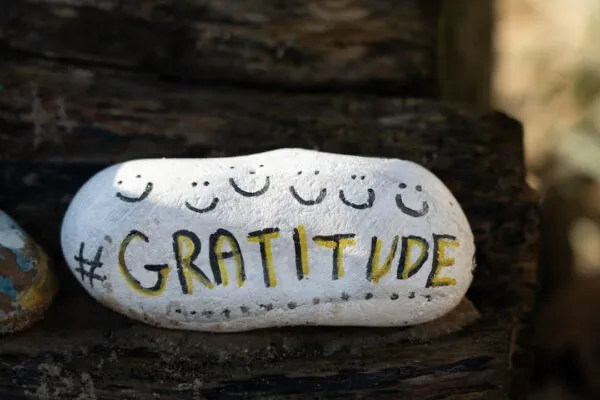
We, as a collective conscious, often find ourselves navigating the intricate labyrinth of modern life, a journey frequently punctuated by stressors, demands, and the relentless pursuit of achievement. Amidst this intricate dance, the profound simplicity and transformative power of gratitude can often be overlooked. Yet, a burgeoning body of research and anecdotal evidence suggests that integrating a consistent gratitude practice can profoundly enhance our well-being. This article will explore the concept of a "5-Minute Daily Gratitude Practice," a readily accessible and remarkably effective approach to cultivating appreciation. We will delve into its practical applications, psychological underpinnings, and the measurable benefits it offers, drawing upon established resources and the collective wisdom of those who have embraced this gentle yet powerful discipline.
The idea of dedicating time to gratitude is not a novel concept; ancient philosophies and spiritual traditions across various cultures have long emphasized its importance. However, the modern "5-Minute Daily Gratitude Practice" distills these timeless principles into an easily digestible and implementable format, perfectly suited for the demands of contemporary living. We recognize that our lives are often packed, leaving little room for extensive meditative retreats or elaborate spiritual rituals. This understanding underpins the widespread appeal and efficacy of a concise, focused approach.
Historical Precursors to Modern Gratitude Practices
Throughout history, countless societies have woven gratitude into their daily fabric. From communal harvest festivals of indigenous cultures to the daily blessings recited in religious traditions, the act of acknowledging and appreciating the positive aspects of life has been a cornerstone of human flourishing. We observe that these ancient practices, while diverse in their outward forms, share a common thread: the cultivation of a mindful awareness of blessings, both grand and minute.
The Rise of Accessible Gratitude Tools
In recent years, we have witnessed a democratization of wellness practices, with gratitude at the forefront. The proliferation of digital platforms and innovative products has made gratitude more accessible than ever. We see guided meditation recordings on platforms like Insight Timer, YouTube, and Spotify offering 5-minute sessions specifically designed to foster gratitude. These readily available resources serve as a testament to the growing recognition of gratitude's therapeutic potential. Moreover, products like The Five Minute Journal by Intelligent Change exemplify the market's response to the demand for structured, low-barrier gratitude practices. These tools provide a framework, reducing the cognitive load often associated with initiating new habits.
Practicing gratitude can enhance our overall well-being, and incorporating small acts of appreciation into our daily routine can be incredibly beneficial. For those looking to elevate their home environment while fostering a sense of gratitude, consider exploring the article on stylish baskets that can add a decorative touch to your space. These baskets not only serve a practical purpose but also remind us to appreciate the little things in life. You can read more about it in this article: Stylish Baskets for Home Decor.
The Mechanisms of Gratitude: How It Works
From a psychological perspective, gratitude is more than just a fleeting emotion; it is a complex cognitive and emotional process that can fundamentally alter our perception of the world and our place within it. We understand that by consciously directing our attention towards the positive, even for a brief period, we begin to rewire our neural pathways, fostering a more optimistic and resilient mindset.
Cognitive Reframing and Positive Psychology
We, as individuals, are often prone to a "negativity bias," a tendency to focus on, and be disproportionately affected by, negative experiences. This evolutionary mechanism, while once crucial for survival, can lead to chronic stress and dissatisfaction in modern environments. The 5-minute gratitude practice acts as a deliberate intervention, engaging in cognitive reframing. By actively seeking out and acknowledging things we are grateful for, we consciously shift our mental lens, challenging the dominance of negative thought patterns. This aligns perfectly with the principles of positive psychology, which emphasizes the study of human strengths and the factors that contribute to flourishing. We are, in essence, training our minds to seek out the sunlight, even when clouds obscure the view.
Neurobiological Underpinnings of Gratitude
Emerging neuroscientific research provides compelling evidence for the tangible impact of gratitude on our brains. We observe that practicing gratitude can stimulate various brain regions associated with reward, social bonding, and moral cognition. For instance, studies suggest that gratitude activates the medial prefrontal cortex, a region implicated in empathy and understanding others' perspectives. Furthermore, regular gratitude practices have been linked to increased levels of dopamine, a neurotransmitter associated with pleasure and motivation, and oxytocin, often dubbed the "love hormone," which promotes social connection. These neurochemical shifts contribute to the overall sense of well-being and contentment that we often report after engaging in gratitude exercises. It's akin to nurturing a garden; by consistently providing the right conditions, we encourage the growth of vibrant, healthy flora within our minds.
The Role of Mindfulness in Gratitude
Mindfulness, the practice of being present and fully aware of the current moment without judgment, is an intrinsic component of effective gratitude. We recognize that true gratitude transcends a superficial list of items; it involves a conscious appreciation of the experience itself. A 5-minute gratitude practice encourages us to slow down, to savor the taste of our morning coffee, the warmth of a loved one's embrace, or the simple comfort of a peaceful moment. This mindful engagement amplifies the emotional impact of gratitude, preventing it from becoming a mere intellectual exercise. It allows us to truly feel and absorb the positive vibrations that these moments offer.
Implementing Your 5-Minute Daily Gratitude Practice
The beauty of the 5-minute gratitude practice lies in its simplicity and adaptability. We believe that integrating this habit into your daily routine should be effortless, not an additional source of stress. The following section outlines practical strategies for initiating and maintaining this beneficial practice.
Morning Rituals: Setting a Positive Tone
For many of us, the morning offers a pristine canvas to set the day's intentions. We find that incorporating a 5-minute gratitude practice immediately after waking, or during our morning coffee, can profoundly influence the trajectory of our day. Instead of immediately diving into emails or news headlines, we encourage you to dedicate these initial moments to reflection. Resources like guided meditations available on Spotify or Insight Timer are excellent starting points for those who prefer external guidance. Similarly, using a structured journal like The Five Minute Journal provides prompts to simplify the process. This seemingly small shift can act as a psychological anchor, preventing us from being immediately swept away by the day's demands.
Evening Reflection: Cultivating Contentment
While morning gratitude sets the stage, an evening practice offers an opportunity for reflection and integration. We learn that reviewing the day through a grateful lens can help us to process challenges and appreciate the small victories. Before bed, taking 5 minutes to recall three to five things that brought us joy, comfort, or a sense of accomplishment can help to calm the mind and promote more restful sleep. This reflective practice allows us to consciously acknowledge the positive experiences of the day, effectively counteracting the "negativity bias" that might otherwise lead us to dwell on stressors or disappointments. It's like collecting pearls from the day's experiences, polishing them, and appreciating their individual luster.
Beyond the Journal: Diverse Gratitude Modalities
While journaling is a popular and effective method, we acknowledge that it may not resonate with everyone. The essence of a 5-minute gratitude practice lies in the intentional act of appreciation, not necessarily the medium. We encourage you to explore various modalities to find what best suits your individual preferences.
Verbal Affirmations and Expressions
Some of us find power in spoken words. Speaking out loud – "I am grateful for the sunshine today," or "I appreciate the support of my colleagues" – can reinforce the feeling of gratitude. Sharing gratitude with others, even a simple "thank you," can also be a powerful expression.
Sensory Gratitude
Engaging our senses can deepen our appreciation. Taking 5 minutes to simply savor the taste of a meal, the scent of a flower, or the warmth of a blanket can be a profoundly grounding gratitude practice. We are inviting ourselves to fully inhabit the present moment through our sensory experiences.
Mindful Movement
Even gentle movement, such as stretching or a short walk, can be transformed into a gratitude practice. We can express gratitude for our bodies, for the ability to move, or for the beauty of our surroundings. The key is to infuse the movement with conscious appreciation.
The Ripple Effect: Broader Benefits of Daily Gratitude
The impact of a consistent 5-minute daily gratitude practice extends far beyond momentary feelings of happiness. We observe a cascade of positive outcomes that touch various aspects of our lives, from mental health to interpersonal relationships.
Enhanced Mental and Emotional Well-being
One of the most frequently cited benefits of gratitude is its profound effect on our mental and emotional landscapes. We recognize that regular gratitude practices are correlated with reduced symptoms of depression and anxiety. By consistently focusing on the positive, we develop a greater sense of optimism and resilience, enabling us to navigate life's inevitable challenges with greater equanimity. It’s like equipping ourselves with a robust internal compass, guiding us towards positivity even amidst turbulent conditions.
Improved Physical Health Outcomes
Intriguingly, the benefits of gratitude are not confined to the psychological realm; they manifest physically as well. We are learning that chronic stress can have detrimental effects on our physical health, impacting everything from cardiovascular function to immune response. Gratitude, by mitigating stress and promoting positive emotions, can indirectly contribute to better sleep quality, lower blood pressure, and even a stronger immune system. While not a panacea for all ailments, it serves as a powerful adjunctive practice for holistic health.
Stronger Interpersonal Relationships
Gratitude acts as a powerful social lubricant, strengthening our bonds with others. We find that regularly expressing appreciation – whether verbally, through a thoughtful gesture, or even in our private reflections – fosters a sense of connection and reciprocity. When we recognize and acknowledge the contributions of others to our lives, it deepens our empathy and cultivates a greater sense of belonging. It transforms an isolated "I" into a collaborative "we," building bridges of understanding and affection.
Increased Resilience and Problem-Solving Skills
Life inevitably presents us with obstacles and setbacks. However, a grateful perspective can significantly enhance our ability to cope with adversity. We discover that those who regularly practice gratitude tend to view challenges not as insurmountable barriers, but as opportunities for growth and learning. By focusing on what is working, on the resources we do possess, and on the lessons gleaned from difficult experiences, we develop a more resilient mindset and improve our problem-solving capabilities. It's like having a mental toolkit filled with adaptive strategies, ready to be deployed when difficulties arise.
Practicing five-minute gratitude can significantly enhance your overall well-being, especially when navigating the challenges of remote work. For those looking to deepen their understanding of how gratitude can improve productivity and mental health while working from home, a related article offers valuable insights. You can explore this further in The Ultimate Guide to Working from Home, which discusses effective strategies to maintain a positive mindset in a home office environment.
Sustaining Your Gratitude Journey
Like any beneficial habit, the key to unlocking the full potential of a 5-minute daily gratitude practice lies in consistency and sustained effort. We understand that motivation can wax and wane, and life's demands can sometimes push even the simplest practices to the periphery.
Overcoming Common Obstacles
We all encounter resistance when trying to establish new routines. Common obstacles include forgetting, feeling uninspired, or questioning the efficacy of such a brief practice. We suggest integrating reminders, perhaps setting an alarm, or attaching the practice to an existing habit, like brushing teeth. When motivation falters, we can revisit the "why" behind our practice, reminding ourselves of the profound benefits we seek to cultivate. It's about nurturing a nascent seedling until it becomes a sturdy tree, capable of weathering storms.
The Power of Consistency Over Intensity
It is crucial to emphasize that the true power of the 5-minute gratitude practice lies in its consistency, not its intensity. We shouldn't aim for grandiose pronouncements or profound philosophical insights every day. Sometimes, being grateful for a warm blanket, a hot cup of tea, or the simple fact of a new day is perfectly sufficient. The cumulative effect of these small, consistent acts of appreciation far outweighs sporadic, intensely emotional outbursts of gratitude. Building the habit is paramount; the depth will follow naturally.
Expanding Your Practice Incrementally
Once established, if we feel inclined, we can gradually expand our gratitude practice. Perhaps extend it to 10 minutes some days, or incorporate new modalities. However, we caution against feeling pressured to do so. The core message remains: 5 minutes is enough. The goal is sustainable well-being, not heroic endurance. The flexibility of this practice ensures it remains a source of comfort and strength, rather than an additional obligation.
In conclusion, we, as a collective, possess the profound capacity to shape our internal worlds. The 5-minute daily gratitude practice offers a simple yet potent pathway to cultivating greater joy, resilience, and connection. By dedicating a mere fraction of our day to conscious appreciation, we can embark on a transformative journey, shifting our perspective from scarcity to abundance, from anxiety to contentment. We invite you, dear reader, to embrace this practice, to witness firsthand the subtle yet profound shifts it can bring to your life, and to join us in fostering a world imbued with greater gratitude.
FAQs
What is the concept of "Five Minute Gratitude"?
Five Minute Gratitude is a simple daily practice where individuals spend five minutes reflecting on and writing down things they are grateful for. This practice aims to increase mindfulness and promote a positive mindset.
How does practicing gratitude for five minutes benefit mental health?
Spending five minutes focusing on gratitude can reduce stress, improve mood, and enhance overall emotional well-being. It helps shift attention away from negative thoughts and fosters a more optimistic outlook.
Can Five Minute Gratitude be done at any time of the day?
Yes, the practice can be done at any time that suits the individual, such as in the morning to start the day positively or in the evening to reflect on the day's events.
What are some common methods used during Five Minute Gratitude practice?
Common methods include journaling about things one is thankful for, mentally listing positive experiences, or expressing gratitude verbally or through meditation.
Is Five Minute Gratitude suitable for all age groups?
Yes, the practice is simple and adaptable, making it suitable for people of all ages, including children, adults, and seniors.