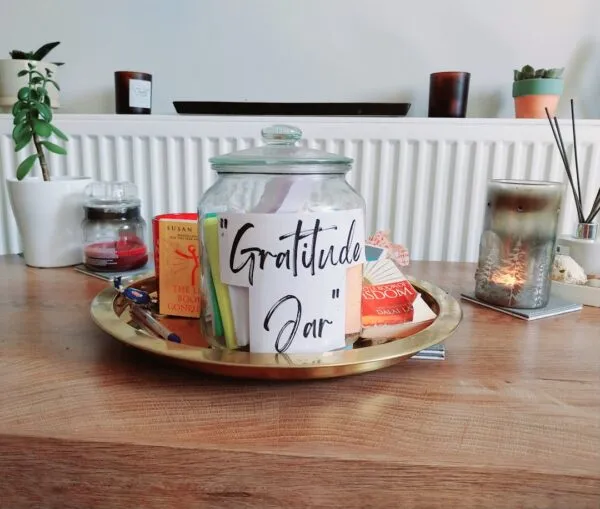
We often find ourselves navigating the currents of life, propelled by an endless stream of personal goals and societal expectations. In this relentless pursuit, the grand gestures and monumental achievements tend to capture our attention, eclipsing the seemingly insignificant. Yet, a closer examination reveals that a profound source of contentment and a deeper sense of well-being can be cultivated not in the spectacular, but in the habitual and the overlooked. We are exploring the practice of gratitude, specifically as it manifests in the small, often fleeting moments that weave the fabric of our daily lives. This exploration is not about dwelling in a state of saccharine elation, but rather about acknowledging the underlying currents of positivity that are often present, even when obscured by the transient challenges we encounter.
The efficacy of gratitude, particularly in its more understated forms, is intrinsically linked to our ability to be present. Without a conscious anchoring in the present moment, these small instances of potential appreciation will drift by, unnoticed and unacknowledged. The modern world, with its pervasive digital connectivity and ever-accelerating pace, presents a significant obstacle to this fundamental practice. We are simultaneously bombarded with information and stimuli, creating a mental landscape that is often fragmented and dispersed.
The Digital Deluge and the Erosion of Present Awareness
We have become accustomed to a constant influx of notifications, updates, and curated glimpses into the lives of others. This digital ecosystem, while offering undeniable benefits, also acts as a formidable competitor for our attention. The very devices designed to connect us can, paradoxically, isolate us from our immediate surroundings and internal experiences. This technological entanglement can make it challenging to pause, observe, and register the subtle occurrences that offer opportunities for gratitude.
The Tyranny of the "Next Thing"
Our minds are often occupied with what is coming next – the next task, the next meeting, the next social interaction, or even the next notification. This anticipatory mode, while sometimes necessary for planning, can create a psychological fog that obscures the richness of the present. We are so focused on the horizon that we fail to see the landscape immediately before us. This perpetual forward gaze prevents us from fully inhabiting the current moment, which is the only arena in which gratitude can truly blossom.
The Illusion of Constant Engagement
The expectation of being constantly engaged, whether through work or leisure, can lead us to overlook the value of stillness and quiet observation. We may equate productivity with constant activity, thereby dismissing moments of quiet contemplation or passive experience as unproductive. However, it is often in these pauses that the subtle signs of the world around us become discernible, offering fertile ground for appreciating what is.
Reclaiming the Present: Practical Strategies
The good news is that reclaiming our present awareness is not an unattainable ideal, but a skill that can be developed through deliberate practice. It requires a conscious effort to disengage from the mental chatter and to actively tune into our immediate sensory experiences and surroundings.
The Practice of Mindful Observation
This involves dedicating short periods to simply observing our environment without judgment or analysis. We can focus on the play of light, the sounds of nature, the texture of an object, or the sensations within our own bodies. This cultivation of sensory awareness helps to ground us in the present and to awaken our capacity for noticing the "ordinary miracles."
Scheduled "Unplugged" Time
Intentionally setting aside time to disconnect from digital devices is crucial. This could mean establishing device-free zones in our homes, or designating specific times of the day for complete digital abstinence. During these periods, we are encouraged to engage with our physical surroundings and with each other, fostering a deeper appreciation for tangible experiences.
Engaging with the Rhythms of Daily Life
Recognizing and appreciating the inherent rhythms of our days, from the rising of the sun to the quietude of evening, can also contribute to a greater sense of presence. These natural cycles provide a constant, yet often unacknowledged, backdrop to our lives, and acknowledging them can foster a deeper connection to our environment.
Incorporating small moments of gratitude into our daily lives can significantly enhance our overall well-being and happiness. A related article that explores this concept in depth is available at this link: Small Moments of Gratitude. This article provides insights on how recognizing and appreciating the little things can lead to a more fulfilling life, encouraging readers to cultivate a mindset of thankfulness in their everyday routines.
Cultivating Gratitude Amidst Life's Inevitable Challenges
Life is not a placid lake; it is a dynamic ocean, characterized by periods of calm and inevitable storms. It is precisely during these moments of turbulence, when personal challenges arise, that the practice of finding gratitude in small moments becomes not just beneficial, but essential. This is not about dismissing difficulties or suppressing genuine hardship, but about recognizing that even within adversity, threads of positivity can be found.
The Post-Holiday Lull and the Lingering Affection
The period following significant familial gatherings, such as those around holidays, can often bring a mixture of contentment and a subtle sense of return to the everyday. While the grand celebrations may have concluded, the echoes of shared experiences and the warmth of familial connections can linger. It is in these moments, when the spotlight has dimmed, that we can pause and appreciate the less ostentatious aspects of these relationships.
The Unspoken Bonds Forged Through Shared Time
We can reflect on the conversations, the laughter, and even the minor disagreements that punctuate these periods of togetherness. These are the building blocks of connection, and acknowledging their presence, even after the event has passed, is a form of gratitude. We may recall a specific shared joke, a moment of unexpected understanding, or simply the comfort of familiar presence.
The Lingering Taste of Shared Meals and Traditions
The culinary experiences that often accompany familial events, from elaborate feasts to simple, comforting dishes, leave a lasting sensory impression. Appreciating these tastes and memories, even as the dishes are cleared and the house returns to its usual state, is a testament to their value. These are tangible anchors to shared moments, and their recollection can inspire gratitude.
Navigating Anniversaries and Milestones with a Grateful Lens
Anniversaries, whether personal, professional, or commemorative, often trigger introspection. While they can be occasions for celebration, they can also resurface memories of past struggles or losses. The practice of gratitude in small moments offers a counterbalance, allowing us to acknowledge the journey and the growth that has occurred, even if the path was not always smooth.
The Recognition of Enduring Relationships
For personal anniversaries, such as those marking a marriage or a significant friendship, we can appreciate the sustained presence of loved ones. Even if the early days of the relationship were marked by challenges, the fact of its endurance and evolution is a potent source of gratitude. We can focus on the quiet acts of support, the shared silences, and the unwavering companionship that has characterized the passage of time.
Acknowledging Lessons Learned from Past Challenges
In more somber anniversaries, or when reflecting on past difficulties, gratitude can be found in the lessons learned and the resilience demonstrated. We can acknowledge the strength that we have discovered within ourselves or the support that we received from others. This is not to minimize pain, but to recognize the transformative power of adversity and the growth that can emerge from it.
The Value of Everyday Interactions
Beyond the significant milestones, the fabric of our lives is woven with countless small interactions. The brief exchange with a cashier, the nod from a neighbor, or the polite exchange with a colleague, while seemingly inconsequential, can offer opportunities for a flicker of gratitude. These are the acknowledgments of our shared humanity, the brief moments when we recognize our interconnectedness.
The "Thank You" as a Small Miracle
The simple act of saying "thank you," and more importantly, the internal acknowledgment of what we are thankful for, can reframe these interactions. It is a recognition that someone has provided a service, offered a kindness, or simply facilitated our day. These are the "unseen ordinary miracles" that are often overlooked.
Recognizing the Hidden Labor of Others
We often benefit from the unseen labor of countless individuals, from the sanitation workers who maintain our streets to the farmers who cultivate our food. Acknowledging this hidden contribution, even in a fleeting thought, fosters a sense of appreciation for the systems and the individuals that underpin our modern existence.
De-Cluttering the Mind: Clearing Space for Appreciation
The accumulation of minor annoyances and unresolved trivialities can create a mental and emotional clutter that hinders our ability to perceive and appreciate the good in our lives. This constant low-level hum of discontent can act as a dampener on our capacity for gratitude. We advocate for a deliberate process of decluttering the mind, not to achieve a state of blissful ignorance, but to create a clearer and more receptive space for positive acknowledgment.
The Tyranny of Minor Annoyances
In our daily lives, we are frequently subjected to a barrage of minor irritations. These can range from the exasperating lag in our internet connection to the seemingly endless cascade of emails that demand our attention. Individually, these instances may appear insignificant, but collectively, they can chip away at our equanimity and create a persistent undercurrent of frustration.
Tech Glitches as Opportunities for Patience
A faulty printer or a frozen computer screen can be fertile ground for practicing patience. Instead of succumbing to immediate frustration, we can consciously choose to view these situations as opportunities to cultivate composure. The brief delay, while inconvenient, can be a pause to observe our own reactions and to practice a more measured response.
The Overwhelm of Digital Communication
The sheer volume of emails, messages, and notifications can create a sense of being perpetually besieged. This constant demand on our attention can lead to a feeling of being overwhelmed and less able to focus on what truly matters. Recognizing this overwhelm as a common modern experience, rather than a personal failing, can be the first step in mitigating its impact. We can then consciously choose to prioritize and manage our digital inflows.
Embracing Simplicity: The Power of Basic Acts
The antidote to mental clutter often lies in the deliberate engagement with simple, grounding activities. These acts, by their very nature, tend to be less demanding on our cognitive resources and more directly connected to sensory experience, thereby facilitating a return to presence and appreciation.
The Rhythmic Comfort of Baking Bread
The process of kneading dough, the warmth of the oven, and the aroma of freshly baked bread are deeply sensory experiences. They offer a tangible sense of accomplishment and a connection to a foundational human activity. The act itself, with its predictable rhythm and satisfying outcome, can be a powerful form of mental decluttering, pushing aside more abstract worries.
The Visual Symphony of Watching Sunsets
The daily spectacle of a sunset, with its ever-changing palette of colors and its gradual descent, offers a moment of visual meditation. It is a phenomenon that requires no active participation, only observation. The simple act of watching the light transform the sky can draw our focus away from internal anxieties and towards the external beauty of the world.
The Conscious Practice of Saying "Thank You"
The nightly acknowledgment of gratitude, as suggested, is a deliberate act of mental housekeeping. It involves a conscious inventory of the day's occurrences, with a specific focus on identifying instances for which we can express thanks, however small. This nightly ritual helps to consolidate positive experiences and to reframe any negative ones.
The "Ordinary Miracles" in Plain Sight
This practice encourages us to look for the "unseen ordinary miracles" that often go unnoticed. These are not grand events, but the myriad small conveniences and kindnesses that make our lives function smoothly. It could be the functioning of our plumbing, the reliability of our public transportation, or the thoughtful gesture of a stranger.
Consolidating the Day's Positives
By dedicating these moments to recalling and acknowledging what we are grateful for, we are actively reinforcing positive neural pathways. This mental exercise helps to shift our focus from what is lacking to what is present, fostering a more optimistic outlook and a greater capacity for appreciating the small joys.
The Interplay of Comparison and Contentment: Redefining Success
A significant barrier to experiencing gratitude in small moments is the pervasive culture of comparison. We are constantly exposed to curated highlights of others' lives, leading us to measure our own progress and achievements against an often unrealistic and incomplete standard. This leads to a perpetual sense of inadequacy, where the small joys of our own lives are diminished by the perceived greater successes of others.
The Illusion of Others' Perfect Lives
Social media platforms, in particular, have become arenas where individuals present idealized versions of their lives. This curated reality often omits the struggles, the mundane, and the everyday challenges, creating an illusion of effortless success and fulfillment for others. This can lead to a distorted perception of reality, where we feel our own lives fall short.
The Siren Song of Curated Content
We are drawn to the glossy presentations of other people's achievements – their exotic vacations, their professional accolades, their seemingly effortless happiness. This constant influx of seemingly superior experiences can act as a powerful distraction from acknowledging the genuine good within our own circumstances. The allure of what others have achieved can blind us to the value of what we possess.
The Downward Spiral of Self-Doubt
When we consistently compare our internal realities with the external presentations of others, it can trigger a spiral of self-doubt and discontent. We may question our own choices, our own efforts, and our own worth. This internal monologue of inadequacy makes it difficult to find contentment in our own lives, regardless of any objective successes.
The Contentment Found in Personal Progress
True contentment is not derived from outperforming others, but from recognizing and appreciating our own individual journey and progress. This requires a shift in perspective from external benchmarks to internal metrics, focusing on personal growth and self-improvement.
Avoiding the "More" Trap
A key element in cultivating contentment is to resist the constant urge for "more." This "more" can manifest as more possessions, more achievements, or more recognition. By embracing the idea of "enough," we create space for appreciating what we already have. This doesn't imply stagnation, but rather a conscious decision to find satisfaction in the present state before seeking further advancement.
Recognizing the Quiet Victories
Our personal triumphs are not always headline-worthy events. They can be the small, persistent efforts that lead to gradual improvement. This could be the daily commitment to exercise, the consistent effort to learn a new skill, or the dedication to nurturing a relationship. Acknowledging these "quiet victories" fosters a sense of accomplishment and self-efficacy, which are crucial components of contentment.
The Value of Listener Voicemails as a Touchstone
The act of receiving listener voicemails of Christmas carols, as mentioned, serves as a tangible reminder of the broader community and the shared experiences that connect us. These messages, unsolicited and genuine, represent a form of collective appreciation and a testament to the power of simple gestures.
The Echo of Shared Humanity
These voicemails, in their unvarnished sincerity, remind us that we are not alone in our experiences or our appreciation for simple joys. They are individual expressions of human connection and a reflection of a shared desire for positive engagement. This collective resonance can be a powerful antidote to feelings of isolation and comparison.
A Testament to Unseen Connections
The fact that individuals take the time to record and send these messages indicates a desire to participate in a larger conversation and to contribute to a shared sense of community. This demonstrates the subtle, yet powerful, ways in which individuals can connect and offer support without direct personal interaction. It underscores the value of these seemingly small acts of engagement.
Incorporating small moments of gratitude into our daily lives can significantly enhance our overall well-being. For instance, taking a moment to appreciate the simple pleasure of enjoying a glass of wine can be a delightful way to practice mindfulness. This experience not only allows us to savor the flavors but also to reflect on the positive aspects of our day. If you're curious about the effects of wine on your body and how it intertwines with gratitude, you might find this article on what a glass of wine a day does to your body particularly enlightening.
The Tangible Manifestations of Everyday Gratitude: Beyond the Abstract
While gratitude is fundamentally an internal state, its expression and practice can have tangible manifestations in our daily lives. These are the actions and habits that serve as anchors, reinforcing our appreciation and making it a more ingrained part of our experience.
Embracing the Art of Saying "Thank You"
As previously touched upon, the simple act of saying "thank you" is more than just a social nicety; it is a conscious acknowledgment of effort, kindness, or service. When performed with genuine intent, it transforms an ordinary transaction into a moment of mutual recognition and appreciation.
The Reciprocal Nature of Appreciation
When we express gratitude, we not only acknowledge the recipient's contribution but also create a positive feedback loop. This can encourage further acts of kindness and foster a more agreeable social environment. It is an investment in positive social capital, yielding returns in the form of a more pleasant and supportive community.
The Verbalization of Overt Appreciation
The spoken word, especially when imbued with sincerity, carries a particular weight. The act of articulating our thanks, rather than simply feeling it internally, reinforces the message and provides a clear signal to the other person that their efforts are valued. This can be particularly impactful in everyday interactions that might otherwise fade into the background.
The Practice of Intentional Observation of Nature
The natural world provides an inexhaustible source of wonder and beauty, offering constant and readily available opportunities for gratitude. By deliberately tuning into these natural phenomena, we can cultivate a deeper appreciation for the world around us.
The Unfolding Beauty of the Seasons
The cyclical passage of the seasons, from the burgeoning life of spring to the vibrant hues of autumn and the serene stillness of winter, offers a continuous display of nature's artistry. Each season has its own unique gifts and challenges, and acknowledging these transitions with gratitude fosters a sense of acceptance and appreciation for the ebb and flow of life.
The Quiet Majesty of the Natural Landscape
Whether it is the intricate design of a single leaf, the grandeur of a mountain range, or the soothing rhythm of ocean waves, the natural landscape offers a constant reminder of forces and beauty that extend beyond our immediate human concerns. These encounters can provide a sense of perspective and awe, inspiring a profound sense of gratitude for the planet we inhabit.
The Simple Act of Daily Reflection
The habit of daily reflection, even for a few minutes, serves as a powerful tool for consolidating our experiences and acknowledging the positive aspects of our days. This intentional pause allows us to process our experiences and to identify areas for gratitude.
Journaling as a Gratitude Log
Maintaining a gratitude journal, where we record specific instances for which we are thankful, is a tangible way to track and reinforce our appreciation. This practice can help us to identify recurring themes of gratitude and to recognize the subtle, yet persistent, sources of positivity in our lives. It becomes a personal archive of life's blessings.
The Power of Internal Inventory
Even without a physical journal, a few moments of quiet contemplation before sleep can serve a similar purpose. By mentally reviewing the day, we can pinpoint moments of unexpected joy, helpful interactions, or personal accomplishments. This internal inventory serves to highlight the positive, shifting our focus away from potential negatives.
In conclusion, the cultivation of gratitude in small moments is not a passive endeavor; it is an active and conscious choice. It requires us to be present, to declutter our minds, to embrace simplicity, and to redefine our understanding of success. By consistently engaging with these practices, we can unlock a deeper sense of contentment and foster a more resilient and appreciative outlook on life. The rewards are not always monumental, but they are profound and enduring.
FAQs
What are small moments of gratitude?
Small moments of gratitude refer to brief instances when a person consciously acknowledges and appreciates the positive aspects of their life, no matter how minor they may seem.
Why is practicing gratitude important?
Practicing gratitude can improve mental health, increase happiness, reduce stress, and enhance overall well-being by shifting focus from negative to positive experiences.
How can I incorporate small moments of gratitude into my daily routine?
You can incorporate small moments of gratitude by keeping a gratitude journal, taking a few seconds to appreciate simple pleasures, or expressing thanks to others throughout the day.
Can small moments of gratitude impact relationships?
Yes, expressing gratitude regularly can strengthen relationships by fostering positive communication, increasing feelings of connection, and promoting mutual appreciation.
Is there scientific evidence supporting the benefits of gratitude?
Yes, numerous studies have shown that practicing gratitude is linked to improved emotional health, better sleep, increased resilience, and even physical health benefits such as lower blood pressure.