We often find ourselves navigating a complex world, bombarded by external stimuli and internal pressures. In this intricate tapestry of existence, the simple act of gratitude can serve as a profound anchor, offering a sense of stability and well-being. We are not referring to an effusive display of emotion, but rather a quiet, consistent practice of acknowledging the positive aspects, however small, of our lives. This exploration delves into the concept of "Simple Gratitude," presenting an accessible framework for integrating thankfulness into our daily routines.
Before delving into practical applications, we must first understand the bedrock upon which gratitude rests. It is not merely a feeling; it is a cognitive and emotional state that can be cultivated and strengthened over time. We recognize that developing this practice is akin to cultivating a garden; it requires consistent tending and an understanding of its underlying principles.
Conscious Acknowledgment
At its core, gratitude is an act of conscious acknowledgment. We actively seek out and identify things worthy of appreciation. This deviates from a passive reception of good fortune, transforming it into an intentional engagement with our experiences. For instance, we might acknowledge the warmth of our morning coffee or the gentle hum of our refrigerator, rather than simply consuming or ignoring them. This deliberate shift in focus is paramount.
Shifting Perspective
Gratitude inherently involves a shift in perspective. When we focus on what we have, rather than what we lack, our perception of reality undergoes a subtle but significant transformation. This is not to say that challenges disappear, but rather that our lens for viewing them becomes less clouded by negativity. We move from a deficit mindset to one of abundance, even in seemingly barren landscapes.
Cultivating Appreciation
The practice of gratitude is, in many ways, an exercise in cultivating appreciation. We learn to value the seemingly mundane and to find beauty in the everyday. This is not about forced positivity but about expanding our capacity to perceive and savor positive experiences. Imagine a chef tasting a complex dish; they are not merely consuming it but actively discerning its various flavors and textures. Similarly, we aim to savor the "flavors" of our lives.
If you're looking for easy gratitude ideas to incorporate into your daily routine, consider exploring the benefits of mindful practices. One interesting article that delves into the effects of simple pleasures on well-being is titled "What a Glass of Wine a Day Does to Your Body." This piece highlights how small indulgences can enhance our appreciation for life. You can read it here: What a Glass of Wine a Day Does to Your Body.
Integrating Gratitude into Daily Routines
The true power of simple gratitude lies in its integration into our daily lives. We are not advocating for Grand gestures or extraordinary efforts, but rather for small, consistent actions that gradually weave thankfulness into the fabric of our existence. These are accessible entry points for anyone seeking to cultivate a more grateful outlook.
Morning Rituals of Thankfulness
Our mornings set the tone for the rest of our day, making them an ideal time to incorporate gratitude practices. Just as a potter begins their day by centering the clay, we can begin our day by centering our minds on appreciation.
The Three Blessings Exercise
We can start our day by identifying three things we are grateful for. These can be as simple as a comfortable bed, the ability to see, or the prospect of a new day. The key is specificity and genuine feeling. This simple exercise, performed consistently, acts as a mental warm-up, preparing us for a day of mindful engagement.
Mindful Consumption
While preparing our morning beverage or meal, we can pause to appreciate the effort and resources that went into its creation. We might consider the farmers who grew the coffee beans, the logistics involved in bringing them to our shelves, or the simple luxury of having access to clean water. This transforms a routine act into an opportunity for gratitude.
Throughout the Day: Micro-Moments of Appreciation
Gratitude need not be confined to specific time slots. We can infuse our day with "micro-moments" of appreciation, seizing opportunities as they arise. These small acknowledgments are like droplets of water, collectively nourishing the soil of our well-being.
Sensory Awareness
We can consciously engage our senses and acknowledge the simple pleasures they afford us. We might appreciate the warmth of the sun on our skin, the scent of blooming flowers, the sound of birdsong, or the taste of a healthy snack. This grounds us in the present moment and allows us to savor the sensory richness of life.
Acknowledging Others' Contributions
We are interconnected beings, and much of our comfort and success is a result of the efforts of others. We can practice gratitude by acknowledging the contributions of those around us, whether it's a colleague assisting us with a task, a barista serving our coffee, or a loved one offering support. A simple internal or even external "thank you" can go a long way.
Tools and Resources for Cultivating Gratitude
While the essence of gratitude is internal, various external tools and resources can facilitate and reinforce our practice. These serve as helpful guides and prompts, maintaining momentum when our internal motivation might waver.
Gratitude Journaling
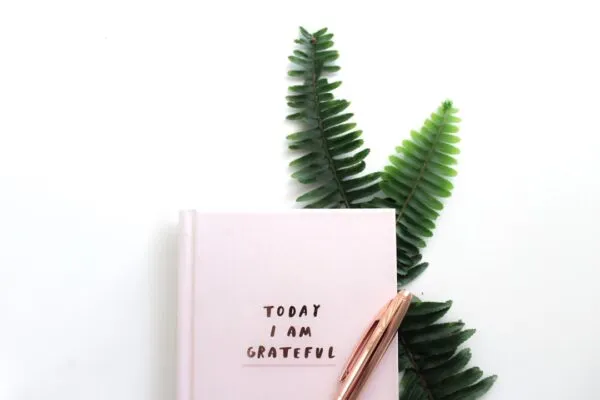
Journaling is a well-established method for cultivating gratitude, providing a tangible record of our appreciative observations. It allows for reflection and often uncovers patterns of gratitude we might otherwise overlook.
Structured Prompts
For those new to journaling, structured prompts can be invaluable. These might include questions like "What made you smile today?", "What challenge did you overcome and what did you learn?", or "What person are you grateful for and why?". The "A Year of Gratitude: 2026 Daily Planner & Journal" by Autumn Loon Books, for example, is designed with daily prompts and 5-minute reflections, offering a structured approach to building thankfulness habits. Such resources can act as a scaffolding, supporting us as we build our journaling practice.
Free-Form Reflection
As our journaling practice develops, we can transition to more free-form reflection. This allows for a deeper exploration of our thoughts and feelings related to gratitude, resembling a river carving its own path through the landscape. We can simply write about whatever comes to mind that evokes a sense of thankfulness, without adhering to a rigid structure.
Daily Gratitude Prompts
Beyond full-fledged journals, daily gratitude prompts offer a quick and accessible way to engage with thankfulness. These are particularly useful for maintaining consistency and reminding us to pause and reflect.
Desk Calendars and Apps
Products like the "A Year of Gratitude 2026 Page-a-Day Desk Calendar" provide daily prompts and quotes, offering a visual and tangible reminder to practice gratitude. Similarly, various smartphone applications offer daily prompts and reminders, integrating gratitude into our technologically connected lives. These act as gentle nudges, preventing our gratitude practice from fading into the background of our busy days.
The Ripple Effect of Simple Gratitude
The practice of simple gratitude extends beyond our individual well-being, creating a positive ripple effect that touches those around us and our broader communities. It is a stone dropped into a pond, sending concentric circles outwards.
Enhancing Relationships
When we express gratitude to others, we strengthen our bonds and foster a more positive social environment. Acknowledging the kindness, support, or contributions of friends, family, and colleagues not only makes them feel valued but also reinforces positive interactions. This is akin to watering a garden; regular nourishment strengthens the plants within it.
Fostering Resilience
Gratitude has been linked to increased resilience in the face of adversity. By focusing on what is going well, even amidst challenges, we develop a more robust coping mechanism. This doesn't negate the difficulty of our struggles, but it provides a counterweight to despair, allowing us to see glimmers of hope even in dark times. It is the lighthouse guiding ships through stormy seas.
Promoting a Positive Outlook
Consistently practicing gratitude gradually shifts our overall outlook on life towards one of greater optimism and positivity. We begin to actively seek out and register positive experiences, rather than passively waiting for them to occur. This is not merely a superficial happiness, but a deeper, more enduring sense of contentment that pervades our daily experience.
If you're looking for easy gratitude ideas to incorporate into your daily life, you might find inspiration in the concept of creating a gratitude basket. This simple yet effective practice can help you focus on the positive aspects of your life. For more creative ways to enhance your home while expressing gratitude, check out this article on baskets that add a stylish touch to your home decor. By combining aesthetics with appreciation, you can cultivate a more grateful mindset in your living space.
Addressing Common Misconceptions
As with any psychological concept, there are common misconceptions surrounding gratitude that we must address. Our aim is to present a nuanced understanding, dispelling any notions that might hinder its effective implementation.
Gratitude vs. Naive Optimism
It is crucial to differentiate gratitude from naive optimism. Gratitude does not imply ignoring or denying the existence of negative experiences or hardships. Instead, it is about acknowledging positive aspects in spite of challenges, or even within them. We recognize that life is rarely a constant sunbeam; there will be clouds and rain. Gratitude helps us appreciate the beauty of the rainbow that emerges after the storm.
Not a Cure-All
While gratitude offers numerous benefits, we emphasize that it is not a panacea for all of life's problems. It is a valuable tool within a broader toolkit for well-being, complementing other practices such as mindfulness, self-care, and seeking professional help when needed. We would not expect a single wrench to fix an entire engine; similarly, gratitude is one important tool among many.
Authenticity Over Performance
Finally, the most effective gratitude practices are those that are authentic and genuine. We are not aiming for a performative display of thankfulness, but rather a heartfelt appreciation that resonates within us. Forcing gratitude can feel incongruent and ineffective. Instead, we encourage a gentle, consistent exploration to discover what truly resonates with our individual experiences and sensitivities. This ensures that our practice of gratitude remains a source of strength and comfort, rather than an additional obligation.
In conclusion, "Simple Gratitude" is an accessible and potent practice that offers a myriad of benefits for our individual well-being and our collective interactions. By consciously acknowledging the positive aspects of our lives, shifting our perspective, and cultivating appreciation through regular, manageable actions, we can weave a tapestry of thankfulness that enriches our existence. We encourage you, the reader, to embark on this journey, to discover the subtle yet profound power that lies within the simple act of being grateful.
FAQs
What are some simple ways to practice gratitude daily?
Simple ways to practice gratitude daily include keeping a gratitude journal, writing thank-you notes, expressing appreciation verbally, reflecting on positive experiences, and performing small acts of kindness.
How can gratitude improve mental health?
Gratitude can improve mental health by reducing stress, increasing feelings of happiness, enhancing emotional resilience, and promoting a positive outlook on life.
Is it necessary to write down things you are grateful for?
While not necessary, writing down things you are grateful for can help reinforce positive feelings, improve memory of good experiences, and make gratitude practice more consistent.
Can gratitude be practiced in a group setting?
Yes, gratitude can be practiced in group settings through activities like sharing gratitude circles, group journaling, or expressing appreciation during meetings or family gatherings.
How often should one practice gratitude to see benefits?
Practicing gratitude regularly, such as daily or several times a week, is recommended to experience noticeable benefits in mood and overall well-being.