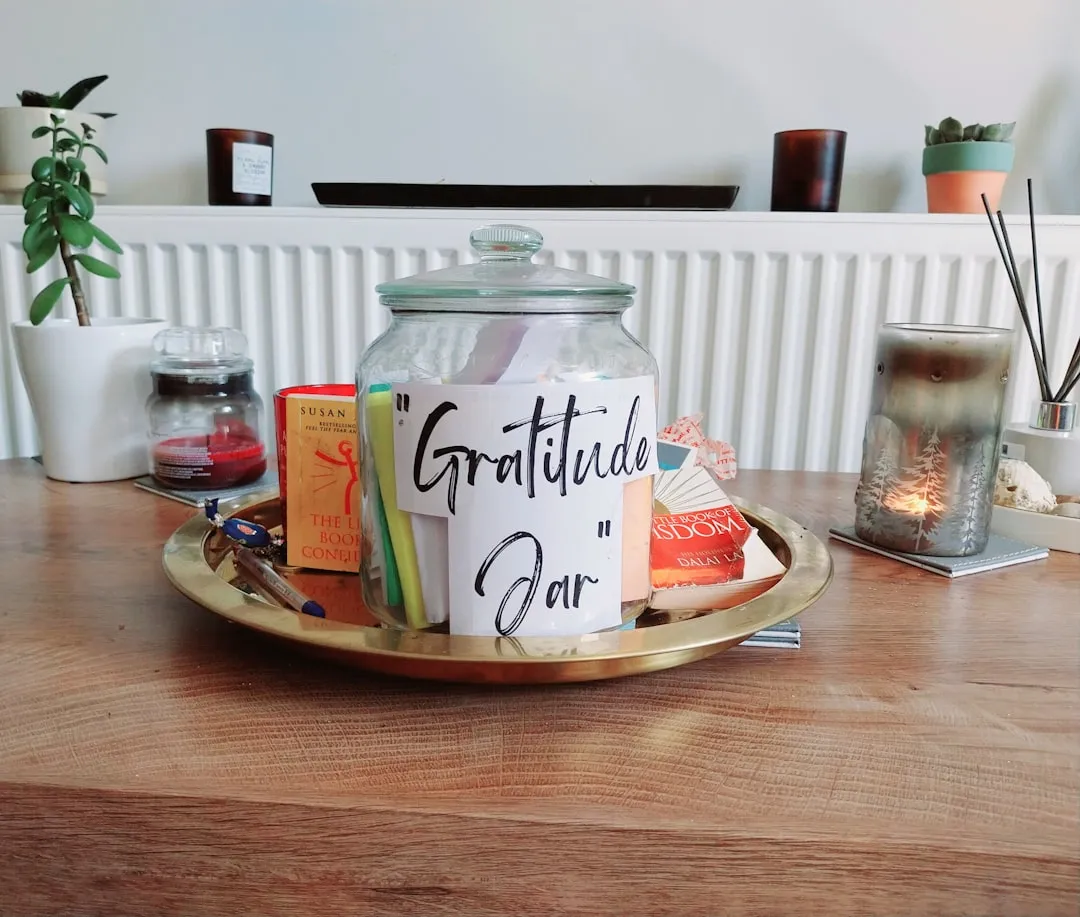
We often encounter challenges that test our fortitude. Life, in its intricate tapestry, presents both moments of profound joy and periods of significant adversity. It is in navigating these ebbs and flows that the concepts of gratitude and resilience become not merely abstract ideals, but practical tools for well-being. We can understand the power of a positive mindset through the lens of gratitude and resilience, recognizing that cultivating these qualities can profoundly impact our ability to face and overcome difficulties.
Our brains are not static entities; they are dynamic systems capable of change and adaptation. When we speak of gratitude and resilience, we are also speaking of observable changes within our neural architecture. Research in neuroscience has provided compelling evidence that actively practicing gratitude can fundamentally alter the way our brains function, making us more resilient in the face of stress and adversity.
Reinforcing Positive Neurochemical Pathways
At a fundamental level, gratitude acts as a catalyst for the release of key neurotransmitters. When we express or feel gratitude, our brains often experience a surge of dopamine, the neurotransmitter associated with pleasure and reward. Concurrently, serotonin, another crucial neurotransmitter, is also boosted. Serotonin plays a vital role in mood regulation, and its elevated levels can contribute to feelings of contentment and well-being, acting as an internal buffer against negative emotions. These neurochemical shifts are not fleeting; long-term studies suggest that consistent gratitude practices can establish and strengthen neural pathways associated with positivity. This means that over time, our brains become more adept at recognizing and amplifying positive experiences, much like a muscle that grows stronger with regular exercise. This is not a mystical transformation, but a measurable rewiring process that enhances our capacity for positive mental states.
Mitigating the Effects of Stress
Stress, a pervasive aspect of modern life, often triggers the body's 'fight or flight' response, leading to the release of stress hormones like cortisol. Chronic elevation of cortisol can have detrimental effects on both our mental and physical health, contributing to anxiety, depression, and compromised cognitive function. Gratitude acts as a counter-regulator. By focusing on what we are thankful for, we can consciously shift our attention away from stressors and activate the parasympathetic nervous system, which promotes relaxation. This active redirection of our mental focus can significantly reduce the physiological impact of stress, lowering cortisol levels and fostering a sense of calm. In essence, gratitude allows us to modulate our internal environment, creating a more stable and less reactive state in the face of external pressures.
Rewiring for Positivity: The Long-Term Impact
The evidence from long-term brain studies is particularly illuminating. fMRI scans and other neuroimaging techniques have revealed that individuals who regularly practice gratitude exhibit distinct patterns of brain activity. We see increased activation in areas of the brain associated with reward, social cognition, and emotional regulation. This suggests that gratitude doesn't just momentarily improve our mood; it fundamentally alters our baseline neural functioning, making us more predisposed to positive interpretations and responses. This rewiring process can be conceptualized as training our brains to be more optimistic. Instead of automatically defaulting to negative interpretations of events, our brains learn to scan for the good, the beneficial, and the opportunities for growth. This subtle but profound shift in perspective is a cornerstone of resilience.
Gratitude and resilience are closely intertwined, especially in the context of navigating challenges such as remote work. A related article that delves into this topic is "The Ultimate Guide to Working from Home," which explores how cultivating gratitude can enhance our ability to adapt and thrive in a home office environment. By fostering a mindset of appreciation, individuals can build resilience against the stressors that often accompany remote work. You can read more about this insightful perspective by visiting the article here: The Ultimate Guide to Working from Home.
Daily Practices: Cultivating the Gratitude Habit
While the neurological underpinnings are significant, the power of gratitude is most effectively harnessed through consistent, intentional practice. Integrating gratitude into our daily lives is not an arduous task, but rather a series of accessible habits that can yield substantial rewards in terms of emotional regulation and overall outlook.
The Art of Gratitude Journaling
One of the most widely recommended and empirically supported gratitude practices is journaling. This involves dedicating a few minutes each day to writing down specific things for which we are thankful. The act of writing itself serves to solidify the thought, moving it from a fleeting mental impression to a more tangible record. The content of these entries can vary widely, encompassing everything from major life achievements to small everyday pleasures. The key is specificity. Instead of a general "I'm grateful for my friends," a more impactful entry might be, "I'm grateful for the way Sarah listened patiently to my concerns yesterday, making me feel heard and understood." This specificity anchors the feeling of gratitude and allows for deeper reflection. Through consistent journaling, we begin to notice patterns of appreciation and develop a greater capacity for emotional regulation. When faced with a difficult day, revisiting past entries can serve as a powerful reminder of the good that already exists in our lives, providing a much-needed shift in perspective.
Reframing Setbacks as Opportunities for Growth
A crucial outcome of consistent gratitude practice is the enhanced ability to reframe setbacks. Adversity is an inevitable part of life, and our initial reactions often involve disappointment, frustration, or even despair. However, gratitude, when coupled with a growth mindset, allows us to view these challenges not as insurmountable obstacles, but as valuable learning experiences. We can ask ourselves, "What can I learn from this situation?" or "What unexpected positive outcome might emerge from this difficulty?" This reframing process is not about denying the negative aspects of a situation, but about actively searching for the silver lining and the lessons embedded within. For example, a job loss, while undeniably difficult, might lead to the discovery of a new career path, the development of new skills, or a deeper appreciation for one’s professional network. Gratitude helps us to acknowledge the things we still have, even amidst loss, which in turn fuels our motivation to move forward.
Cultivating Optimism Through Daily Reflection
Daily reflection on what we are thankful for acts as a potent cultivator of optimism. Optimism is not simply wishful thinking; it is a cognitive style characterized by the expectation that good things will happen. By consistently highlighting the positive aspects of our lives, we train our brains to anticipate further positive experiences. This can be as simple as taking a moment before bed to recall three things that went well that day, no matter how small. This practice helps to counteract the natural human tendency to dwell on negative events, a phenomenon known as the negativity bias. Over time, this consistent focus on the positive can lead to a more hopeful outlook, where challenges are seen as temporary and surmountable, rather than permanent and overwhelming.
Actively Seeking Out Gratitude in Everyday Moments
Gratitude is not solely an internal experience; it can also be cultivated through active engagement with the world around us. This might involve expressing our appreciation directly to others, volunteering our time and skills, or simply taking a moment to pause and appreciate the natural world. These acts of outward gratitude can amplify our own positive feelings and strengthen our social connections, which are themselves crucial components of resilience. When we actively seek out opportunities to be grateful, we open ourselves up to a richer and more fulfilling experience of life.
The Positive Mindset and Neuroplasticity: Building a Resilient Brain
The concept of a positive mindset is inextricably linked to neuroplasticity – our brain's remarkable ability to reorganize itself by forming new neural connections throughout life. A positive mindset doesn't just influence our thoughts; it actively shapes the physical structure and function of our brains, building a foundation for enduring resilience.
Activating Reward Pathways for Adaptive Responses
When we adopt a positive mindset, we are essentially activating our brain's reward pathways. These pathways are naturally designed to reinforce behaviors that lead to positive outcomes. With a positive mindset, we consciously engage these pathways by focusing on successes, progress, and potential solutions. This consistent activation helps to build new neural connections that favor adaptive responses. Instead of getting stuck in a loop of negative rumination when faced with a problem, our brains, under the influence of a positive mindset, are more likely to explore alternative solutions, experiment with different approaches, and persist in the face of obstacles. This is how hope is fostered; it’s not an abstract feeling, but a consequence of our brains learning that effort and a positive outlook can lead to desired outcomes.
Building Hope for Long-Term Well-being
Hope is a vital ingredient for resilience. It is the belief that a better future is possible, even when current circumstances are challenging. A positive mindset, bolstered by practices like gratitude, directly contributes to building this sense of hope. When we consistently focus on what is good, what we have control over, and the potential for positive change, we are, in effect, laying the groundwork for sustained emotional well-being. This isn't about ignoring reality, but about consciously choosing to direct our mental energy towards productive and uplifting avenues. This sustained focus on positive possibilities can act as an internal compass, guiding us through difficult times and allowing us to envision a path towards recovery and contentment.
The Brain's Capacity for Change: A Factual Perspective
Neuroplasticity is a scientifically established phenomenon. Our brains are not fixed after childhood; they continue to evolve and adapt throughout our lives. A positive mindset, therefore, can be viewed as a deliberate intervention that leverages this inherent capacity for change. By consciously choosing to focus on the positive, to practice gratitude, and to reframe challenges, we are actively encouraging our brains to develop new circuits and strengthen existing ones that support resilience and well-being. This is a powerful testament to our own agency in shaping our mental landscape.
Neuroscience Confirms Gratitude's Profound Effects
The scientific community has increasingly recognized the tangible benefits of gratitude. Beyond anecdotal evidence, rigorous research is shedding light on the neurological mechanisms that explain why gratitude is such a potent force for improving mental health and fostering resilience.
Countering Envy and Resentment for Improved Mood
In our interconnected world, it is easy to fall prey to feelings of envy and resentment when comparing ourselves to others. These negative emotions can be corrosive, draining our energy and diminishing our own sense of worth. Neuroscience research indicates that gratitude acts as a direct antidote to these detrimental states. When we genuinely focus on what we are thankful for, it becomes more challenging to simultaneously harbor feelings of envy or resentment. This shift in focus can lead to a significant improvement in mood. Instead of dwelling on what others possess or what we lack, we are encouraged to appreciate our own circumstances and the positive contributions in our lives. This process of internal recalibration can be incredibly liberating, freeing up mental and emotional resources that were previously consumed by negativity.
Reducing Anxiety and Depression Through Neural Shifts
The link between gratitude and reduced anxiety and depression is becoming increasingly clear in scientific literature. As mentioned earlier, gratitude's impact on dopamine and serotonin levels plays a crucial role. Lower levels of these neurotransmitters are often associated with increased anxiety and depressive symptoms. By boosting these neurochemicals, gratitude can act as a natural mood elevator and stress reducer. Furthermore, some studies suggest that gratitude practices can help to deactivate the amygdala, the part of the brain associated with fear and threat detection, which is often overactive in individuals experiencing anxiety and depression. This deactivation can lead to a more measured and less reactive response to stressors, contributing to a greater sense of calm and emotional stability.
Promoting Resilience: A Key Outcome of Gratitude
Ultimately, the cumulative effects of gratitude—improved mood, reduced stress, and a more positive outlook—all contribute to a greater capacity for resilience. Resilience is not the absence of challenges, but the ability to bounce back from them. Gratitude equips us with the internal resources to do just that. By fostering a sense of appreciation for what we have, we build a stronger internal foundation. This foundation provides the stability and optimism needed to weather storms, adapt to change, and emerge from difficult experiences not unscathed, but often stronger and wiser. Gratitude, therefore, is not merely a pleasant feeling; it is a crucial building block for a resilient life.
Gratitude and resilience often go hand in hand, as cultivating a grateful mindset can significantly enhance our ability to bounce back from challenges. For those interested in exploring this connection further, a fascinating article discusses how embracing gratitude can transform our outlook on life and foster resilience in difficult times. You can read more about this concept in the article titled "The Brown Winter Coat is the New Style Staple" found here.
Practical Strategies for Enhancing Resilience Through Gratitude
Integrating gratitude and a positive mindset into our lives need not be abstract or solely a matter of internal reflection. There are concrete, actionable strategies that we can employ to harness their power for practical stress management and enhanced resilience.
Combining Gratitude with Mindfulness
Mindfulness, the practice of paying attention to the present moment without judgment, is a powerful complement to gratitude. When we are mindful, we are more aware of our internal states and external experiences. By combining mindfulness with gratitude, we can intentionally direct our present-moment awareness towards aspects of our lives for which we are thankful. For example, during a mindful walk, instead of simply noticing the trees, we can consciously focus on appreciating their beauty, the fresh air, or the simple act of being able to move our bodies. This mindful appreciation deepens the experience of gratitude and makes it more potent. It allows us to savor the present moment and extract the maximum benefit from positive experiences, thereby building our resilience reserves.
Employing Growth Mindset Reframing for Stress Management
The growth mindset, the belief that our abilities and intelligence can be developed through dedication and hard work, is essential for reframing challenges. When faced with a stressful situation, instead of thinking, "I can't handle this," a growth mindset encourages us to think, "What can I learn from this?" and "How can I approach this differently?" When this reframing is infused with gratitude, its power is amplified. We can be grateful for the opportunity to learn and grow, even if the circumstances are difficult. For instance, if a project doesn't go as planned, we can express gratitude for the lessons learned, the skills acquired during the process, and the support we received from colleagues. This dual approach—acknowledging the difficulty while appreciating the learning opportunity—serves as a robust strategy for managing stress and building long-term resilience.
The 2026 Resilience Tips: A Forward-Looking Approach
Looking ahead, the principles of gratitude and a positive mindset are poised to become even more central to our understanding of resilience. Emerging recommendations, such as those that might be prevalent by 2026, will likely emphasize the synergistic approach of combining gratitude with other evidence-based practices. This includes not only mindfulness and growth mindset reframing but also the development of practical coping mechanisms. The aim is to equip individuals with a comprehensive toolkit for navigating the complexities of life. For example, developing a "gratitude repertoire"—a collection of specific things that reliably evoke feelings of thankfulness—can be a valuable resource during times of intense stress. Similarly, learning to intentionally seek out positive social interactions and expressing gratitude to those who support us can further fortify our resilience.
In conclusion, the powerful interplay between gratitude and resilience, fueled by a positive mindset, offers us a pathway to not just endure life's challenges, but to thrive amidst them. By understanding the neurological foundations, embracing daily practices, and consciously cultivating these qualities, we can build a more robust and adaptable self. The journey of gratitude and resilience is an ongoing one, but one that undeniably leads to a richer, more fulfilling, and ultimately, a more resilient existence.
FAQs
What is the relationship between gratitude and resilience?
Gratitude and resilience are closely linked, as practicing gratitude can enhance an individual's ability to cope with stress and adversity. Expressing gratitude helps shift focus from negative experiences to positive aspects of life, thereby strengthening emotional resilience.
How does gratitude improve mental health?
Gratitude improves mental health by reducing symptoms of depression and anxiety, increasing feelings of happiness, and promoting a positive outlook. Regularly acknowledging things one is thankful for can lead to improved mood and greater psychological well-being.
Can practicing gratitude help in overcoming difficult situations?
Yes, practicing gratitude can help individuals overcome difficult situations by fostering a mindset that recognizes strengths and resources, which supports problem-solving and emotional regulation during challenging times.
What are some common ways to practice gratitude?
Common ways to practice gratitude include keeping a gratitude journal, writing thank-you notes, reflecting daily on things one is thankful for, and expressing appreciation to others verbally or through actions.
Is resilience a fixed trait or can it be developed?
Resilience is not a fixed trait; it can be developed and strengthened over time through practices such as cultivating gratitude, building social connections, maintaining a positive outlook, and developing coping strategies.