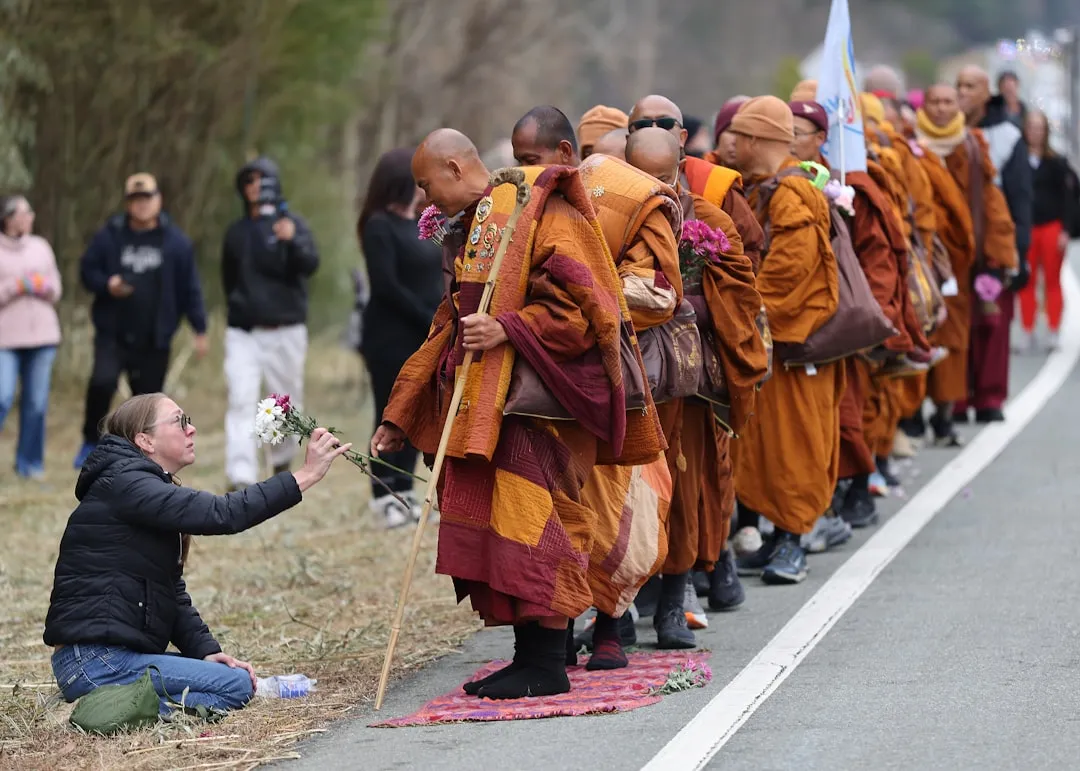
We are increasingly recognizing the profound impact that cultivating gratitude can have on the well-being of individuals and, by extension, the health of our families. As we navigate the complexities of modern life, the practice of thankfulness offers a grounding anchor, enabling us to appreciate the abundance that surrounds us, even amidst challenges. This article explores various family practices designed to foster a deeper sense of gratitude, drawing on current research and established methodologies. We aim to provide a framework for families to integrate thankfulness into their daily routines, thereby strengthening their bonds and enhancing their collective resilience.
Gratitude, at its core, is the acknowledgment and appreciation of the good things we receive, whether tangible or intangible. For families, this acknowledgment serves as a powerful adhesive, reinforcing positive relationships and fostering a supportive environment. The simple act of noticing and valuing what we have can fundamentally shift our perspective from scarcity to abundance. Research consistently demonstrates a correlation between gratitude and improved mental health, reduced stress, and increased happiness. When these benefits are extended to the family unit, the collective impact can be transformative. A family that practices gratitude regularly is more likely to approach conflicts with understanding, celebrate successes with shared joy, and support each other through difficult times. It is not merely about feeling good; it is about actively constructing a more robust and harmonious familial ecosystem.
The Psychological Underpinnings of Gratitude
From a psychological standpoint, gratitude operates as a buffer against negative emotions. When we focus on what we are thankful for, our attention is naturally drawn away from anxieties and grievances. This cognitive reorientation can be particularly beneficial for children, helping them develop a more optimistic outlook. Furthermore, gratitude has been linked to increased empathy and prosocial behavior. When individuals feel appreciated, they are more likely to extend that appreciation to others, creating a virtuous cycle of kindness and mutual respect within the family. This is akin to planting seeds of positivity; the more we nurture them, the more they flourish and spread.
Gratitude as a Protective Factor
In times of adversity, a family that has cultivated a strong foundation of gratitude demonstrates greater resilience. The shared practice of thankfulness can act as a psychological shield, enabling families to better cope with stress, loss, or uncertainty. Instead of succumbing to despair, a grateful family unit is more inclined to identify silver linings, acknowledge the support systems available, and draw strength from their shared experiences. This is not to suggest that gratitude negates hardship, but rather that it equips families with the emotional and psychological resources to navigate it more effectively.
Practicing gratitude within the family can significantly enhance relationships and foster a positive environment. For those interested in exploring this topic further, a related article discusses the importance of gratitude and offers insights into how simple practices can strengthen family bonds. You can read more about it in this article: Gratitude Practices for Families.
Integrating Gratitude into Daily Family Routines
The consistent and intentional integration of gratitude into the fabric of daily family life is crucial for its lasting impact. Sporadic moments of thankfulness, while valuable, are less effective than embedding these practices into regular rhythms. This requires a commitment to regularity and a willingness to adapt these practices to the unique dynamics of each family. The goal is to make gratitude a natural and effortless part of our shared existence, rather than a chore or an obligation.
The Power of Daily Gratitude Journaling
One highly effective method for fostering daily gratitude is through journaling. As highlighted by Influence Magazine, families can adopt a practice of documenting two things they are grateful for each day. This can encompass significant events or, importantly, small, shared family moments such as enjoying a meal together. The suggestion for a 30-day challenge encourages families to actively shift their perspective, particularly during periods of difficulty. This consistent self-reflection serves as a cognitive exercise, training the brain to seek out and acknowledge the positive aspects of life. Over time, this practice can rewire our default settings, moving us towards a more appreciative mindset.
Structuring Family Gratitude Journals
- Shared Journal: A single journal can be kept in a central location, such as the kitchen or living room, where each family member can contribute their entries. This shared artifact of thankfulness can become a treasured family heirloom over time.
- Individual Journals: Alternatively, each family member can maintain their own journal, promoting personal reflection while still offering opportunities for sharing during designated family times.
- Prompted Entries: To initiate the process, families can use prompts such as: "What was one thing that made you smile today?" or "Who is someone you appreciate and why?"
- Visual Gratitude: For younger children or those who prefer visual expression, drawing or creating small collages representing their thankfulness can be a valuable alternative to written entries.
Morning and Evening Gratitude Rituals
Building on the concept of daily practice, Judy Wilkins-Smith suggests distinct morning and evening gratitude rituals. Starting the day with an acknowledgment of gratitude, such as thanking a family member or a positive event, can set an optimistic tone. Similarly, ending the day by reflecting on people who have made tasks lighter or brought joy, fosters a sense of calm and strengthens prosocial bonds. These rituals act as bookends to the day, framing our experiences within a context of appreciation. They are like daily resets, clearing away the mental clutter and focusing our attention on what truly matters.
Implementing Morning Gratitude
- "Sunrise Thanks": During breakfast, each person shares one thing they are thankful for that has happened or will happen today.
- "Thank You Note Jar": Family members write anonymous notes of appreciation for each other and place them in a jar to be read at a designated time.
- "Gratitude Walk": A brief walk outdoors, where each family member points out something they are grateful to see or experience.
Implementing Evening Gratitude
- "Sunset Reflections": Before bed, each person shares one person they met or interacted with who had a positive impact, or one task that was lightened by someone's help.
- "Bedtime Blessing": A simple prayer or spoken wish expressing gratitude for the day's events and the presence of loved ones.
- "Kindness Count": While falling asleep, family members can mentally count acts of kindness they witnessed or received.
Fostering a Culture of Thankfulness Through Shared Activities
Beyond structured journaling and specific rituals, cultivating gratitude within a family involves creating a broader culture where thankfulness is not only encouraged but also modeled and celebrated. This involves integrating gratitude into shared activities and conversations, making it a living, breathing aspect of family life.
The Role of Shared Meals in Cultivating Gratitude
Family meals are a cornerstone of domestic life and an ideal setting for practicing gratitude. The act of sharing food, conversation, and time creates natural opportunities for appreciation. As seen in the Influence Magazine article, including small family moments like shared dinners in gratitude journaling emphasizes their significance. These meals are not just about sustenance; they are about connection. When we slow down during these times and consciously acknowledge the efforts that went into the meal, the company we are in, and the simple act of being together, we imbue these moments with deeper meaning.
Making Mealtimes Gratitude-Centric
- "Thankful Table Talk": Designate a few minutes before or after the meal for each person to share something they are grateful for.
- Appreciating the Food: Discuss where the food came from, the effort involved in preparing it, and express thanks for its nourishment.
- Acknowledging the Chef: Explicitly thank the person who prepared the meal, acknowledging their labor and care.
- "Gratitude Placemats": Create or purchase placemats with prompts for gratitude that can be filled out before eating.
Incorporating Gratitude into Play and Activities
Gratitude is not confined to serious discussions or structured reflection; it can and should be woven into the fabric of family fun. When families engage in activities together, from playing games to embarking on outings, there are ample opportunities to express and recognize the joy derived from these shared experiences. This demonstrates that thankfulness is a vibrant and dynamic part of life, not a somber obligation.
Playful Gratitude Practices
- "Gratitude Scavenger Hunt": Create a scavenger hunt where clues lead to things the family is grateful for (e.g., a cozy blanket, a favorite book, a pet).
- "Family Appreciation Game": A board game or card game where players earn points for expressing gratitude to other players.
- "Memory Jar of Joys": Family members write down favorite shared memories on slips of paper and place them in a jar to be revisited during downtime.
- "Nature's Thanks": When outdoors, pause to appreciate the beauty and benefits of nature, discussing what we are thankful for in the natural world.
Extending Gratitude Beyond the Immediate Family Unit
The practice of gratitude is not intended to be insular; it naturally expands outwards, fostering a sense of connection to a wider community. As families cultivate thankfulness amongst themselves, they often develop a greater capacity for appreciating and contributing to the world beyond their own home.
The "Global Family" Concept and Unity
The message from UPF.org regarding a 2026 global family greeting emphasizes extending heartfelt thanks to worldwide leaders and promoting unity and thankfulness as a family-like practice. This highlights how the principles of gratitude can, and should, transcend the boundaries of the nuclear family. By recognizing ourselves as part of a larger "global family," we are encouraged to foster empathy, understanding, and mutual appreciation on a broader scale. This perspective encourages us to see interdependence and interconnectedness, acknowledging the contributions of individuals and communities that may be far removed from our daily lives.
Practical Ways to Extend Family Gratitude
- Community Volunteering: Participating in charitable activities as a family teaches children the value of giving back and expressing gratitude for the resources they have.
- Thank You Notes to Public Servants: Writing notes of appreciation to local police officers, firefighters, teachers, or postal workers acknowledges their often-unseen contributions.
- Supporting Global Causes: Discussing and donating to causes that address global issues can broaden a child's understanding of interconnectedness and foster empathy.
- Intergenerational Connection: Encouraging relationships with grandparents, aunts, uncles, and elderly neighbors reinforces the value of different generations and life experiences.
Modeling Generosity and Appreciation
Children are keen observers, and they learn best by witnessing the behaviors of their caregivers. When parents and guardians consistently model generosity and express genuine appreciation, children are more likely to internalize these values. This goes beyond spoken words; it is about demonstrating a consistent, heartfelt approach to acknowledging the contributions and presence of others.
Demonstrating Generosity and Appreciation
- Public Acts of Kindness: Engaging in spontaneous acts of kindness, such as paying for someone's coffee or helping a stranger, demonstrates a spirit of giving.
- Expressing Thanks to Service Providers: Consistently thanking cashiers, servers, and other service industry workers for their labor.
- Sharing Resources: When families have an abundance, teaching children the value of sharing tangible resources, like food or clothing, with those in need.
- Verbalizing Appreciation: Regularly articulating appreciation for family members' efforts, sacrifices, and positive qualities.
Incorporating gratitude practices into family life can significantly enhance emotional well-being and strengthen bonds. One creative way to express gratitude is through thoughtful home decor, which can serve as a daily reminder of appreciation. For inspiration, you might find this article on stylish baskets particularly helpful, as it offers ideas on how to use decorative items to create a warm and inviting atmosphere that fosters gratitude. You can read more about it here.
Overcoming Challenges and Sustaining Gratitude Practices
While the benefits of gratitude are well-documented, integrating these practices into a busy family life can present obstacles. Recognizing these challenges and developing strategies to overcome them is essential for the long-term success of any gratitude cultivation program.
Addressing the Demands of Modern Life
The fast-paced nature of contemporary living often leaves little room for quiet reflection. Juggling work, school, extracurricular activities, and household responsibilities can make it difficult to carve out dedicated time for gratitude practices. The very act of slowing down, which is inherent to gratitude, can feel like an additional burden. However, it is precisely in these moments of perceived busyness that gratitude can offer a vital counterbalance, preventing burnout and fostering a sense of contentment.
Strategies for Time-Constrained Families
- "Found Moments": Integrate brief gratitude reflections into existing routines, such as during commutes, while waiting for appointments, or during commercial breaks.
- Micro-Practices: Focus on very short, impactful gratitude exercises, like naming one thing before getting out of the car or before turning off the light at night.
- Delegation and Shared Responsibility: Involve all family members in planning and executing gratitude practices to distribute the effort.
- Prioritization: Recognize that cultivating gratitude is a high-yield investment in family well-being, and prioritize it accordingly, even if it means making adjustments elsewhere.
Dealing with Resistance and Apathy
Not all family members may be equally enthusiastic about adopting gratitude practices. Children may find it tedious, or adults may feel they simply do not have the emotional bandwidth. Addressing these reactions with patience and understanding is crucial. It is important to remember that gratitude is a learned skill, and like any skill, it requires practice and guidance.
Navigating Resistance
- Lead by Example: The most powerful tool is consistent modeling. If parents and guardians genuinely embrace gratitude, children are more likely to follow suit.
- Make it Fun and Engaging: Incorporate gamification, creativity, and positive reinforcement to make the practices enjoyable rather than obligatory.
- Focus on Benefits: Gently explain how gratitude can lead to feeling happier, less stressed, and better able to enjoy life.
- Respect Individual Pace: Allow for different levels of engagement and avoid forcing participation. Gradually introduce more involved practices as comfort levels grow.
- Storytelling: Share personal anecdotes about how gratitude has positively impacted your own life or the lives of others.
Sustaining Long-Term Engagement
The novelty of new practices can wear off, leading to a decline in engagement over time. To sustain long-term gratitude, families need to be adaptable and willing to refresh their approach. This might involve revamping existing practices, introducing new ones, or periodically revisiting the fundamental reasons why gratitude is important. Continuous effort is key to ensuring that gratitude remains a vibrant and integral part of family life, rather than a fleeting trend.
Strategies for Sustained Practice
- Regular Review and Adaptation: Periodically assess the effectiveness of current practices and make adjustments based on family feedback and evolving needs.
- Seasonal or Thematic Gratitude: Introduce special gratitude themes or activities tied to different seasons, holidays, or family events.
- Annual Gratitude Retreat: A dedicated, perhaps short, family retreat focused entirely on reflecting on and expressing gratitude.
- Community Engagement: Participating in collective gratitude initiatives outside the family can provide fresh perspectives and renewed motivation.
- Celebrate Milestones: Acknowledge and celebrate the successes and progress made by the family in cultivating gratitude.
In conclusion, embracing gratitude as a family endeavor is a journey, not a destination. It requires intention, consistency, and a willingness to adapt. By weaving thankfulness into the fabric of our daily lives, through journaling, rituals, shared activities, and a broader sense of connection, we can build stronger, more resilient, and deeply appreciating families. The effort invested in cultivating gratitude yields dividends that extend far beyond individual happiness, contributing to a more harmonious and supportive familial environment for generations to come.
FAQs
What are family gratitude practices?
Family gratitude practices are activities or rituals that families engage in together to express thankfulness and appreciation for each other and their lives. These practices can include sharing what they are grateful for, writing gratitude journals, or performing acts of kindness.
Why are gratitude practices important for families?
Gratitude practices help strengthen family bonds, improve communication, and promote a positive atmosphere at home. They encourage family members to focus on the positive aspects of their lives, which can enhance emotional well-being and resilience.
How can families start gratitude practices?
Families can start by setting aside regular time, such as during meals or before bedtime, to share things they are thankful for. They can also create gratitude jars, write thank-you notes, or establish family gratitude rituals that everyone participates in.
Are gratitude practices suitable for children?
Yes, gratitude practices are highly beneficial for children. They help children develop empathy, improve social skills, and foster a positive mindset. Simple activities like sharing daily gratitude or drawing pictures of things they appreciate can be effective.
Can gratitude practices improve family relationships?
Yes, practicing gratitude together can improve family relationships by increasing feelings of connection, reducing conflicts, and promoting mutual respect. Regularly expressing appreciation helps family members feel valued and supported.