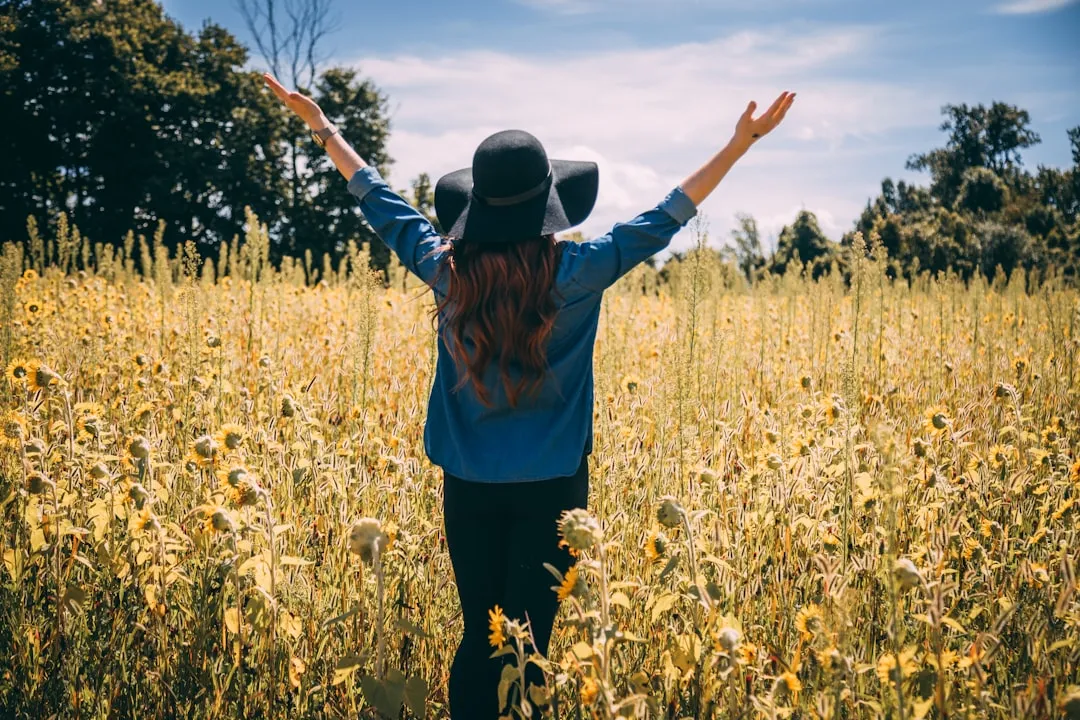
When we embark on the journey of raising children, we often focus on academic achievements, physical well-being, and social skills. However, one fundamental aspect that profoundly impacts a child's holistic development and their interactions with the world is the cultivation of gratitude. As a collective, we recognize that fostering thankful hearts in children is not merely about manners; it is about implanting a worldview rooted in appreciation, resilience, and empathy. Our aim in this discourse is to explore various strategies and practical applications for nurturing gratitude, drawing upon established pedagogical approaches that emphasize consistent practice and modeling.
We understand that children are keen observers of their environment, like sponges absorbing the nuances of human behavior. Therefore, if we wish for our children to express gratitude, we, as their primary caregivers and educators, must embody it ourselves. Our actions serve as the most potent curriculum.
Demonstrating Appreciation in Daily Life
We strive to make gratitude a visible and audible component of our daily interactions. This involves vocalizing our appreciation for even the smallest acts of kindness or everyday occurrences. For instance, when a family member prepares a meal, we articulate our thanks. When the sun shines brightly, we might comment on the beauty of the day. These seemingly minor expressions collectively demonstrate that gratitude is an integral part of navigating the world.
The Power of "Thank You"
We encourage the consistent use of "thank you" in our verbal repertoire. This goes beyond rote politeness; it is about acknowledging the effort or intention behind an action. When our children witness us expressing genuine thanks, whether to a store clerk, a postal worker, or another family member, they begin to internalize the universal application and significance of this simple phrase. Furthermore, when our children spontaneously remember to say "thank you" without prompting, we make a point of acknowledging and praising this behavior, reinforcing its value.
Teaching children about gratitude can be a rewarding experience that fosters empathy and appreciation for the world around them. One engaging way to incorporate gratitude into family life is by creating a gratitude basket, where kids can place notes or items that remind them of things they are thankful for. For more inspiration on how to enhance your home decor while promoting a sense of gratitude, you might find this article on stylish baskets helpful: Baskets to Add a Stylish Touch to Your Home Decor.
Integrating Gratitude into Daily Routines
Cultivating gratitude is a marathon, not a sprint. We recognize that it requires consistent integration into the fabric of daily life, transforming it from an occasional act into a habitual disposition. Such routines provide a consistent framework for practicing and reflecting upon appreciation.
Family Discussions at Mealtimes
We utilize mealtimes as a prime opportunity for collective reflection. This can involve a simple practice where each family member shares one thing they are grateful for during the day. This low-pressure environment encourages open communication and provides insight into what others value, broadening a child's understanding of different sources of appreciation. These discussions can be as simple as being grateful for the food on the table or as profound as acknowledging a kind gesture from a friend.
Gratitude Jars and Journals
We employ concrete tools to make gratitude tangible. A "gratitude jar," for instance, involves each family member writing down things they are grateful for on small slips of paper and depositing them into the jar. Periodically, these slips can be read aloud, offering a retrospective of blessings. For older children, a "gratitude journal" provides a personal space for daily reflection, allowing them to document their feelings of appreciation and fostering private contemplation. These practices serve as visual metaphors for the abundance present in our lives.
Bedtime Reflections
As the day concludes, we guide our children in a brief moment of reflection. This could involve asking them, "What was one good thing that happened today?" or "What are you thankful for tonight?" This practice helps children to end their day on a positive note, consciously searching for and acknowledging the good experiences, even amid challenges.
Engaging Activities for Gratitude
Beyond daily routines, we incorporate specific activities designed to actively engage children in the practice of gratitude. These activities transform abstract concepts into interactive experiences, making learning enjoyable and memorable.
Gratitude Walks and Alphabet Games
We believe in the power of active observation. During a "gratitude walk," we encourage children to point out things they are grateful for as we stroll through a park or neighborhood – a blossoming flower, a friendly dog, the sound of birds. Similarly, an "alphabet gratitude game" involves identifying something to be grateful for starting with each letter of the alphabet. These playful approaches sharpen observational skills and connect gratitude to the immediate environment.
Reading Books on Gratitude
Stories are powerful vehicles for conveying complex ideas. We select picture books specifically designed to introduce and explore the concept of gratitude. These narratives often feature characters who learn to appreciate what they have, providing relatable scenarios and opening avenues for discussion about similar experiences in our own lives. Reading these books together provides a shared foundation for understanding.
Practicing Mindfulness
We introduce mindfulness techniques as a pathway to appreciating the present moment. Simple deep breathing exercises, guided meditations tailored for children, or even mindful walks where we encourage focused attention on sensory details – the feel of the wind, the scent of leaves – all contribute to a heightened awareness and appreciation of their current surroundings. This practice is like giving children a lens through which to truly see and savor the world.
Expanding the Scope of Gratitude
Our approach extends beyond individual appreciation, aiming to connect children to the broader community and foster a sense of responsibility and empathy. We recognize that true gratitude often manifests in a desire to contribute positively to the world.
Volunteering Together
We actively seek out age-appropriate volunteering opportunities. Whether it's helping at a local food bank, participating in a community clean-up, or visiting a nursing home, these experiences provide invaluable lessons. By engaging in acts of service, children gain a deeper understanding of the challenges faced by others and the positive impact of their own contributions. This connection fosters a profound sense of gratitude for what they have and a desire to give back, much like a ripple effect.
Celebrating Achievements and Limiting Materialism
We understand the importance of acknowledging our children's efforts and accomplishments. Celebrating their successes, both big and small, helps them to recognize the value of their hard work and perseverance. This provides a foundation for appreciating their own capabilities. Concurrently, we strive to limit materialism by emphasizing experiences and relationships over possessions. This involves conscious decisions, such as gifting experiences rather than numerous toys, thereby shifting their focus from fleeting objects to enduring memories and connections. We aim to show them that joy resides not in the accumulation of things, but in the richness of life's tapestry.
Involving Children in Family Tasks and Setting Boundaries
We integrate children into household responsibilities. Assigning age-appropriate chores helps them to understand the effort involved in maintaining a home and contributes to a greater appreciation for the contributions of others. When they actively participate in the upkeep of their shared environment, they are less likely to take it for granted. Furthermore, we practice saying "no" when appropriate, setting healthy boundaries around requests. This teaches children that not every desire is immediately fulfilled, fostering an appreciation for what they do receive and discouraging a sense of entitlement. It's like teaching them the value of a well-tended garden; some seeds need time to grow, and not every request can immediately bear fruit.
Teaching children about gratitude can have a profound impact on their emotional well-being and social interactions. By encouraging kids to express appreciation for the little things in life, parents can help them develop a positive mindset that lasts into adulthood. For more insights on how gratitude can influence overall health and happiness, you might find this article interesting: what a glass of wine a day does to your body. This connection between gratitude and well-being highlights the importance of fostering an attitude of thankfulness in our children.
Conclusion
In conclusion, our collective endeavor to teach children gratitude is a multifaceted and ongoing commitment. We understand that it is through our consistent modeling, the integration of gratitude into daily routines, engaging activities, and an expansion of their understanding of their role in the wider world, that we truly cultivate thankful hearts. Gratitude, in essence, is not an innate trait but a cultivated habit, a muscle strengthened through regular exercise. By implementing these established strategies, we equip our children with a powerful lens through which to view the world – a lens that focuses on appreciation, resilience, and a deep-seated desire to contribute positively to the lives of others. This is our shared responsibility, and it is a gift we can bestow upon the next generation, preparing them to navigate an ever-changing world with a full and grateful heart.
FAQs
What is gratitude and why is it important for kids?
Gratitude is the feeling of thankfulness and appreciation for what one has. Teaching kids gratitude helps them develop a positive outlook, improves their emotional well-being, and fosters stronger relationships with others.
At what age can children start learning about gratitude?
Children can begin learning about gratitude as early as toddlerhood. Simple expressions of thanks and recognizing kind actions can be introduced around ages 2 to 3, with understanding deepening as they grow.
What are some effective ways to teach gratitude to children?
Effective methods include modeling grateful behavior, encouraging kids to say thank you, keeping gratitude journals, discussing things they are thankful for, and involving them in acts of kindness or volunteering.
How does practicing gratitude benefit a child's development?
Practicing gratitude can enhance a child's social skills, increase empathy, reduce materialism, improve mental health, and promote resilience by helping them focus on positive aspects of life.
Can gratitude practices be incorporated into daily family routines?
Yes, families can incorporate gratitude by sharing daily highlights during meals, expressing thanks for small acts, creating gratitude rituals like bedtime reflections, and celebrating appreciation during holidays or special occasions.