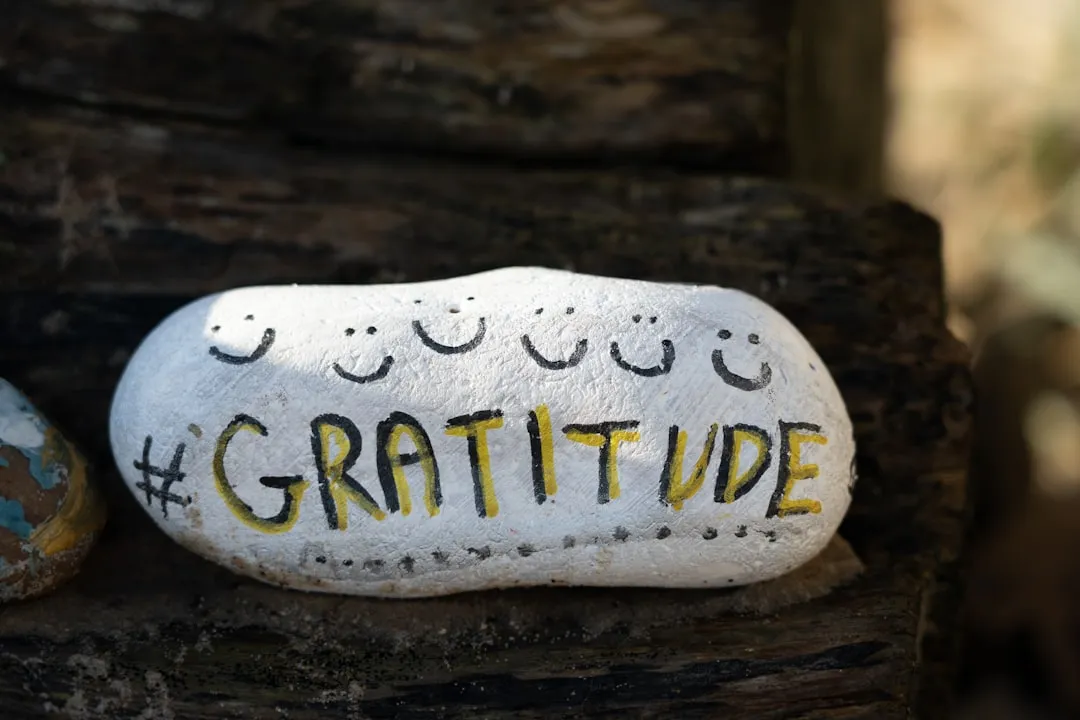
We, as observers of contemporary thought, have noted a significant uptick in discourse surrounding the concept of gratitude, particularly its practical application in daily life. This article aims to explore "Embracing Gratitude in the Now," a principle asserting that deriving benefits from gratitude necessitates its active cultivation in our immediate present. We will delve into its philosophical underpinnings, psychological advantages, and practical implementation, drawing on recent discussions and established perspectives. Our goal is to present a comprehensive, evidence-based exploration, akin to a Wikipedia entry, allowing you, the reader, to discern the value and applicability of this approach for yourselves.
The notion of embracing gratitude "in the now" is not a novel concept but one deeply rooted in various philosophical traditions. Its contemporary resurgence, however, reflects a growing awareness of the potential disconnect between acknowledging blessings in retrospect and actively appreciating them as they unfold.
Stoicism and the Appreciation of Amor Fati
Ancient Stoic philosophy, for instance, provides a powerful precedent. The Stoics championed Amor Fati, "love of one's fate," an active embrace of all that transpires, both good and perceived bad. While not a direct equivalence to gratitude, Amor Fati necessitates an acceptance and even appreciation of the present moment, whatever its contents. For the Stoic, gratitude arises from understanding that even adversity presents opportunities for virtue and growth. We, therefore, see a philosophical lineage where appreciating the present is not merely passive acceptance but an active engagement with reality, leading to a form of present gratitude. This involves recognizing that even what we might deem negative circumstances contain elements that contribute to our overall experience and potential for development.
Eastern Traditions and Mindfulness
Similarly, various Eastern spiritual traditions, particularly Buddhism, emphasize the practice of mindfulness, a state of active, non-judgmental awareness of the present moment. Within this framework, gratitude naturally emerges as one becomes attuned to the myriad sensory experiences, opportunities for connection, and basic provisions that often go unnoticed in the rush of daily life. The simple act of breathing, the warmth of the sun, or the taste of a meal can become objects of profound gratitude when approached with mindful attention. We contend that these traditions offer robust frameworks for cultivating an "in the now" approach to gratitude, moving beyond perfunctory expressions to a deeper, experiential appreciation.
Existentialism and Meaning-Making
Even within the often-austere landscape of existentialist thought, a form of present gratitude can be discerned. Faced with the inherent meaninglessness of existence, existentialists emphasize the individual's responsibility to create meaning. In this context, choosing to appreciate the fleeting moments of connection, beauty, or personal accomplishment becomes a defiant act of affirmation, a self-generated source of value. We argue that this active embrace of present experience, even in its ephemerality, constitutes a form of present-moment gratitude, acknowledging the preciousness of existence itself.
Gratitude is a powerful practice that can significantly enhance our well-being, especially when we focus on the present moment. A related article that delves into this theme is "The Black Old Bike Parked Beside the White Wall," which explores how simple observations can evoke feelings of appreciation and mindfulness. You can read more about this insightful perspective on gratitude by following this link: The Black Old Bike Parked Beside the White Wall.
The Psychological Mechanics of "Now" Gratitude
Beyond philosophical frameworks, contemporary psychology offers substantial insights into the mechanisms through which "in the now" gratitude confers tangible benefits. The shift from retrospective appreciation to immediate recognition alters cognitive processes and emotional states in profound ways.
Cognitive Reframing and Bias Mitigation
Cultivating gratitude in the present moment necessitates a conscious cognitive reframing. Our minds, left to their own devices, often gravitate towards negativity, a bias observed in what psychologists term the "negativity bias." This bias causes us to disproportionately notice and remember negative experiences over positive ones. By actively seeking out and acknowledging sources of gratitude in the present, we intentionally shift our attentional focus. This is not about ignoring difficulties but about actively balancing them with equally real, positive aspects of our reality. The Washington Times op-ed from January 4, 2026, emphasizes controlling personal responses to life's randomness, which aligns with this idea of intentional cognitive reframing. We assert that actively seeking gratitude in the now serves as a powerful antidote to this ingrained negativity bias, retraining our minds to perceive a broader spectrum of reality.
Enhancing Emotional Regulation
The immediate experience of gratitude has a direct impact on our emotional state. It tends to evoke feelings of contentment, joy, and peace, which can serve as an effective emotional regulator, particularly in times of stress or discomfort. Instead of waiting for a later time to reflect on blessings, the instantaneous recognition of gratitude can interrupt negative emotional spirals and foster a more balanced affective landscape. The YouTube video, "FLN Inside Out: Moving into the New Year with Gratitude" (January 14, 2026), implicitly supports this by highlighting the fresh start and growth associated with gratitude in the new year, even without formal resolutions. This suggests an immediate emotional benefit that underpins such growth. We propose that approaching gratitude as a real-time emotional intervention allows us to navigate the fluctuating tides of daily experience with greater equanimity.
Strengthening Social Bonds
Gratitude, when expressed or even inwardly acknowledged towards others in the present moment, plays a crucial role in strengthening social connections. A genuine "thank you" or an internal recognition of another's contribution fosters feelings of reciprocity and mutual appreciation. This immediate acknowledgment reinforces positive interactions and builds social capital. We observe a reciprocal loop: present gratitude can enrich relationships, and enriched relationships, in turn, provide more opportunities for present gratitude. This dynamic underscores the social utility of "in the now" gratitude.
Practical Strategies for Cultivating Present Gratitude
Transitioning from the abstract concept of gratitude to its tangible application in the present moment requires deliberate practice. We offer several practical strategies, drawing on established psychological techniques and recent insights, to help you, the reader, integrate this approach into your daily life.
The "Micro-Gratitude" Practice
Conventional gratitude practices often involve keeping a gratitude journal or listing blessings at the end of the day. While valuable, these are primarily retrospective. We advocate for a "micro-gratitude" practice, which involves actively seeking out and acknowledging small, often overlooked sources of gratitude throughout the day, as they occur. This could be the warmth of your coffee, the sunlight streaming through a window, a kind word from a colleague, or the feeling of soft fabric. The key is to pause, even for a few seconds, and genuinely feel the appreciation. We maintain that this continuous, intermittent practice retrains your attention, making you more attuned to the positive aspects of your immediate environment.
Mindful Sensory Engagement
Engaging your senses mindfully can be a powerful gateway to present gratitude. When eating, truly taste your food, noticing its textures, flavors, and aromas. When walking, observe the colors, sounds, and sensations around you. This deliberate sensory engagement pulls you into the present moment and often reveals a wealth of details that can evoke gratitude. The vibrant hue of a leaf, the rhythmic sound of rain, or the simple comfort of breath can all become sources of appreciation when experienced mindfully. We assert that this sensory immersion is a foundational element in cultivating "in the now" gratitude, making the ordinary extraordinary.
Deliberate Expression of Appreciation
While internal gratitude is beneficial, its outward expression amplifies its impact, both for the giver and the receiver. Making an effort to express sincere thanks to individuals in the moment, rather than postponing it, can strengthen relationships and foster a more positive social environment. This could be a verbal thank you, an email, or a small gesture. The act of expressing gratitude, even for minor contributions, reinforces the positive interaction and creates a communal sense of appreciation. We argue that this immediate and deliberate expression of gratitude is a vital component of living gratefully in the now.
The Broader Impact of Immediate Gratitude
The consistent practice of embracing gratitude in the now extends beyond individual psychological benefits, fostering a ripple effect that touches various aspects of life.
Enhanced Resilience and Adaptability
Life is inherently unpredictable, as the Washington Times op-ed (January 4, 2026) sagely reminds us, urging control over personal responses to life's randomness. Cultivating present gratitude does not eliminate challenges, but it fundamentally alters our relationship with them. By regularly acknowledging positive elements, even amidst difficulty, we develop a greater capacity for resilience. It's akin to building emotional muscle; the more we practice finding gratitude in the present, the better equipped we become to navigate future adversities without being completely overwhelmed. This proactive approach allows us to see setbacks not just as obstacles, but as opportunities for learning and growth. We contend that this enhanced resilience is a direct consequence of a consistent "in the now" gratitude practice.
Fostering a Growth Mindset
The Patheos blog (January 2026), "From Gratitude to Grace," speaks to embracing 2026 with faith, gratitude, and growth through a prayer for personal development. This aligns directly with the notion that gratitude, particularly when practiced in the present, deeply intertwines with a growth mindset. When we deliberately seek out what is good or what we can appreciate in the present moment, we inherently adopt a more optimistic and open perspective. This perspective fuels curiosity, encourages learning from experiences, and cultivates a belief in our ability to develop and improve. Instead of being fixated on what is lacking, present gratitude shifts our focus to what is present and what is possible. We posit that this consistent affirmation of the positive fosters a fertile ground for personal development and a desire for continued amelioration.
Promoting Psychological Well-being and Life Satisfaction
Ultimately, the cumulative effect of integrating "in the now" gratitude into daily life is a discernible increase in overall psychological well-being and life satisfaction. By consistently redirecting our attention to the positive, we experience more frequent episodes of positive emotion, reduce rumination on negative events, and cultivate a sense of contentment. This is not about denying hardship, but about expanding our capacity to appreciate the good that coexists with it. The continuous micro-moments of appreciation, when strung together, create a more positive narrative of our daily existence. We conclude that embracing gratitude in the now is not merely a transient feeling but a sustainable approach to fostering a more fulfilling and psychologically robust life.
Practicing gratitude in the present moment can significantly enhance our overall well-being and happiness. By focusing on what we have right now, we can cultivate a deeper appreciation for life's simple pleasures. For those interested in exploring how gratitude can be expressed through meaningful gifts, a related article discusses the significance of high-quality jewelry from selected luxury brands. You can read more about it here. This connection between gratitude and thoughtful gifting highlights the importance of cherishing both our relationships and the moments we share with others.
Conclusion: A Continuous Practice
The evidence and current discourse strongly suggest that "Embracing Gratitude in the Now" is more than a fleeting trend; it is a pragmatic and impactful approach to navigating contemporary life. From its philosophical roots in Stoicism and Eastern traditions to its proven psychological benefits in cognitive reframing and emotional regulation, the practice of present gratitude offers a powerful toolkit for personal development and enhanced well-being. We have outlined practical strategies like "micro-gratitude" and mindful sensory engagement to facilitate its integration into your daily routine.
We acknowledge the insights from the Patheos blog's call for reflecting on blessings and embracing the new year with gratitude for growth, the Washington Times' emphasis on controlling responses to life's randomness through New Year's resolutions, and the YouTube video's discussion of starting fresh with gratitude even without formal resolutions. These recent contributions underscore the enduring relevance and timeliness of this principle.
Our exploration reveals that gratitude is not a destination but a deliberate journey, a continuous practice that, like tending a garden, requires consistent effort and careful attention. By choosing to actively cultivate gratitude in each moment, you are not simply experiencing a positive emotion; you are actively shaping your perception of reality, strengthening your resilience, fostering personal growth, and ultimately, constructing a more meaningful and satisfying existence. We encourage you, the reader, to embark on this journey and witness the transformative power of embracing gratitude in the now.
FAQs
What does it mean to practice gratitude in the present moment?
Practicing gratitude in the present moment involves consciously acknowledging and appreciating the positive aspects of your current experience, rather than focusing on past regrets or future worries. It means being fully aware and thankful for what is happening right now.
How can gratitude in the present moment benefit mental health?
Gratitude in the present moment can improve mental health by reducing stress, increasing feelings of happiness, and promoting a positive outlook. It helps individuals focus on what they have rather than what they lack, which can decrease anxiety and depression.
What are some simple ways to cultivate gratitude in the present moment?
Simple ways to cultivate gratitude include mindful breathing while appreciating your surroundings, keeping a gratitude journal to note things you are thankful for each day, and pausing regularly to acknowledge small joys or acts of kindness in your daily life.
Is gratitude in the present moment related to mindfulness?
Yes, gratitude in the present moment is closely related to mindfulness. Both practices involve being fully present and aware of the current experience. Mindfulness helps create the mental space needed to recognize and appreciate positive aspects of the present moment.
Can practicing gratitude in the present moment improve relationships?
Yes, practicing gratitude in the present moment can improve relationships by fostering appreciation and positive communication. When individuals express gratitude for others in real-time, it strengthens bonds, increases empathy, and promotes mutual respect.