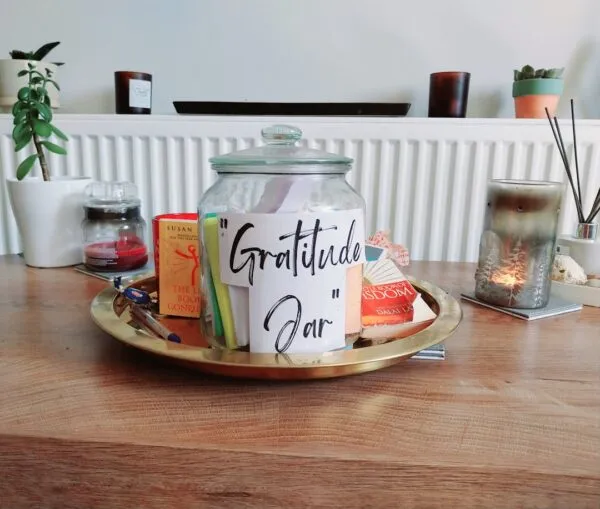
You stand at a crossroads in your personal development journey, constantly seeking avenues to enhance your well-being, optimize your cognitive functions, and fortify your inner strength. Among the myriad psychological techniques and philosophical approaches, gratitude emerges as a consistently powerful, yet often underestimated, catalyst for profound personal growth. This exploration will delve into the mechanisms by which gratitude cultivates significant positive transformations within you.
Your brain is a remarkably adaptable organ, constantly rewiring itself based on your experiences and practices. When you engage in gratitude, you are actively shaping this intricate network.
Reinforcing Positive Neural Pathways
Repeated engagement with grateful thoughts and expressions strengthens specific neural pathways in your brain. This is not merely a transient feeling; it is a fundamental shift in your neurological landscape. Within a span of three to eight weeks, particularly for youth, consistent gratitude practice can lead to lasting changes. This means that with dedicated effort, you can essentially train your brain to more readily perceive and register positive experiences.
Activating Key Brain Regions
The practice of gratitude has been observed to activate the medial prefrontal cortex, a critical region involved in emotion regulation and empathy. Consider this region as your internal emotional thermostat and your bridge to understanding others' perspectives. By strengthening this area, you enhance your capacity to manage your own emotional responses and develop a deeper connection with those around you, as evidenced by studies like Li et al. (2025) and Kini et al. (2016). This activation allows you to move beyond impulsive reactions, offering you a more measured and empathetic engagement with the world.
Cultivating Psychological Resilience and Emotional Regulation
Life inevitably presents challenges, and your ability to navigate these difficulties is a testament to your resilience. Gratitude acts as a formidable tool in building and maintaining this crucial psychological fortitude.
Enhancing Your Resilience Quotient
Psychological resilience is your capacity to bounce back from adversity, to adapt in the face of stress, and to thrive despite setbacks. Gratitude directly contributes to this capacity. Studies, such as those by Emmons & McCullough (2007), consistently demonstrate that individuals who regularly practice gratitude exhibit higher levels of psychological resilience. Think of resilience as a finely tuned spring; gratitude helps to reinforce and strengthen that spring, allowing it to absorb impact and return to its original state more effectively.
Broadening Your Cognitive Perspective
When you are stressed or facing difficulties, your cognitive perspective tends to narrow, focusing solely on the negative aspects of the situation. Fredrickson’s Broaden-and-Build Theory posits that positive emotions, including gratitude, broaden your thought-action repertoire. This means that instead of a constricted, tunnel vision, gratitude helps you see a wider array of possibilities and solutions. It allows you to notice opportunities that might otherwise be overlooked, effectively expanding your mental landscape during challenging times. This broadened perspective is crucial for effective problem-solving and adaptive coping strategies.
Improving Emotional Governance
Emotional regulation refers to your ability to influence which emotions you have, when you have them, and how you experience and express them. Gratitude acts as a potent regulator, actively reducing the intensity of negative emotions like stress, depression, and anger. Instead of being swept away by emotional tides, gratitude anchors you, providing a sense of stability and control. This improved emotional governance leads to a more balanced and composed demeanor, even amidst turmoil. Leaders, for instance, report better sleep and enhanced performance when they integrate gratitude into their routines, highlighting its tangible benefits in high-pressure environments.
Shifting Your Mindset Towards Prosperity
Your mindset is the lens through which you perceive and interpret the world. Gratitude possesses the remarkable ability to recalibrate this lens, fostering a more positive and growth-oriented outlook.
From Survival to Creative Cognition
When you are mired in stress and anxiety, your brain often operates in a "survival mode," characterized by heightened vigilance and a focus on threat detection. This state is antithetical to creativity and innovation. Practicing gratitude shifts your brain from this reactive survival mode to a more proactive, creative state. It liberates cognitive resources that were previously consumed by worry and allows you to engage in higher-order thinking, fostering a sense of possibility and promoting a "flow" state, where you are fully immersed and energized by your activities.
Cultivating a Positive Daily Trajectory
The way you start your day significantly influences its overall tenor. Engaging in gratitude first thing in the morning can create a positive ripple effect. It sets a constructive tone, counteracting the tendency for negative rumination and proactively shaping your perception of forthcoming events. This positive initiation empowers you to approach challenges with optimism and resourcefulness rather than apprehension.
Overcoming the Shadows of Depression and Anxiety
Gratitude serves as a powerful antidote to debilitating mental states. Regular practice has been demonstrably shown to reduce the symptoms of depression and anxiety. It encourages you to focus on what is good, rather than dwelling on what is lacking, thereby interrupting negative thought cycles that often perpetuate these conditions. This is not to suggest it is a standalone cure, but rather a robust complementary practice that significantly contributes to mental well-being.
Fostering Prosocial Behaviors and Life Satisfaction
A grateful mindset extends beyond your internal experience, influencing your interactions with others. When you acknowledge the positive contributions of others and the blessings in your own life, you are more inclined to behave prosocially – acting in ways that benefit others. This includes offering support, expressing appreciation, and engaging in acts of kindness. These prosocial behaviors, in turn, reinforce your sense of connection and contribute significantly to overall life satisfaction. You become a participant in a virtuous cycle, where giving and receiving gratitude elevates both your own well-being and that of your community.
Strengthening Social Fabric and Enhancing Relationships
Human beings are inherently social creatures, and the quality of your relationships profoundly impacts your well-being. Gratitude acts as a lubricant for social interactions, fostering deeper connections and mutual support.
Increasing Perceived Social Support
When you express gratitude, you not only acknowledge the positive actions of others but also reinforce their value and contribution. This strengthens your bonds and increases your perception of social support. You feel more connected, more understood, and more seen. Longitudinal studies on students and women have consistently demonstrated that gratitude interventions lead to a greater sense of perceived social support. This is crucial for navigating life's challenges, as a strong support network acts as a buffer against stress and adversity.
Encouraging Support-Giving Behaviors
Gratitude is not a one-way street; it fosters a reciprocal dynamic. When you receive gratitude, you are more likely to offer support to others. This creates a positive feedback loop within your social circles, where appreciation begets further acts of kindness and assistance. This dynamic fortifies your relationships, transforming them into more resilient and mutually beneficial partnerships.
Mitigating Interpersonal Negativity
Gratitude has a remarkable capacity to reduce negative emotions that can erode relationships, such as anger and resentment. By focusing on what you appreciate, you diminish the space for these destructive emotions to fester. This allows for more constructive communication, improved conflict resolution, and a greater capacity for forgiveness, all of which are essential for lasting and healthy relationships.
Embracing Gratitude as a Catalyst for Continuous Growth
Gratitude is not a static state but an ongoing practice that yields cumulative benefits. As you integrate it more deeply into your life, you will observe a continuous trajectory of personal development.
Enhancing Cognitive Flexibility
Cognitive flexibility is your brain's ability to switch between different concepts, adjust to new situations, and think about multiple ideas at once. Gratitude, by broadening your perspective and shifting your mindset, directly enhances this crucial cognitive function. You become more adaptable, more open to new ideas, and better equipped to navigate complex situations that demand innovative thinking. This increased flexibility is invaluable for continuous learning and adaptation in a rapidly changing world.
Sustaining Goal Persistence
Achieving your goals often requires sustained effort and the ability to overcome obstacles. Gratitude, by fostering a positive outlook and enhancing resilience, helps you maintain persistence in the face of setbacks. When you appreciate the progress you have made, the resources available to you, and the support you receive, you are less likely to become discouraged and more inclined to persevere towards your objectives. This persistent drive is a hallmark of individuals who achieve significant personal growth.
Promoting Overall Well-being and Longevity
The cumulative effects of gratitude – enhanced psychological resilience, improved emotional regulation, stronger social connections, a more positive mindset, and bolstered cognitive abilities – contribute profoundly to your overall well-being. This extends beyond mental and emotional health, impacting physical health as well. Gratitude interventions have been linked to reduced bodily inflammation, a marker for various chronic diseases. By fostering a holistic sense of well-being, gratitude not only enhances the quality of your life but also potentially contributes to its longevity, allowing you to experience and appreciate more of what life has to offer. Organizations that cultivate a culture of gratitude often see increased engagement, productivity, and job satisfaction among their employees, further demonstrating its broad-reaching benefits. However, it's essential to ensure that gratitude does not lead to an acceptance of less than what is deserved, maintaining a balance between appreciation and advocating for fair treatment and recognition.
In essence, gratitude is not merely a polite social convention or a superficial sentiment. It is a powerful, science-backed practice that actively rewires your brain, strengthens your emotional fortitude, reshapes your perceptions, deepens your connections, and propels you toward continuous personal growth. By consciously cultivating gratitude, you are investing in a future where you are more resilient, more empathetic, more optimistic, and ultimately, more fulfilled. This practice, therefore, is not just about feeling good; it is about functioning better as an individual, fostering a more positive environment around you, and unlocking your full potential.
FAQs
What is gratitude and how is it defined in personal growth?
Gratitude is the practice of recognizing and appreciating the positive aspects of life. In personal growth, it involves acknowledging the good experiences, people, and opportunities that contribute to one’s well-being and development.
How does gratitude contribute to emotional well-being?
Gratitude helps improve emotional well-being by fostering positive emotions such as happiness and contentment. It reduces stress and negative feelings by shifting focus away from what is lacking to what is present and valuable.
Can practicing gratitude improve relationships?
Yes, expressing gratitude can strengthen relationships by promoting feelings of appreciation and connection. It encourages positive communication and increases empathy, which supports healthier and more supportive interactions.
What are common ways to practice gratitude for personal growth?
Common practices include keeping a gratitude journal, regularly reflecting on things one is thankful for, expressing thanks to others, and mindfulness exercises that focus on appreciating the present moment.
Is there scientific evidence supporting the benefits of gratitude?
Yes, numerous studies have shown that gratitude is linked to improved mental health, increased resilience, better sleep, and overall enhanced life satisfaction, all of which contribute to personal growth.