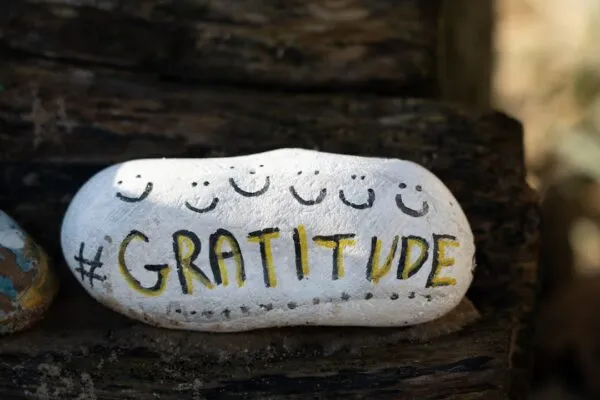
You are likely here because you recognize the pervasive presence of gratitude in contemporary discourse, particularly concerning its purported benefits. This article aims to disentangle popular perceptions from empirically supported findings, providing a factual overview of how gratitude influences various outcomes in your life, from individual well-being to your professional trajectory. We will explore the mechanisms through which gratitude operates, its measured effects, and potential nuances you should consider.
To understand how gratitude influences outcomes, you must first grasp its underlying mechanisms. Gratitude is not merely a fleeting emotion; it instigates a series of cognitive and physiological responses that contribute to its observed effects.
Neural Pathways and Neurotransmitters
When you experience gratitude, specific neural circuits are activated. Research, such as that highlighted in Evidence-Based Mentoring, suggests that activities like writing gratitude letters can actively reshape brain pathways. This neuroplasticity is crucial.
- Dopamine and Serotonin Release: The act of appreciating, or being appreciated, triggers the release of neurotransmitters like dopamine and serotonin. You can think of dopamine as a reward signal, reinforcing positive behaviors and experiences, while serotonin plays a significant role in mood regulation, sleep, and overall well-being. The sustained release of these chemicals, induced by regular gratitude practices, contributes to a more positive affective state.
- Prefrontal Cortex Activity: Gratitude often engages the prefrontal cortex, the brain's executive control center. This region is involved in planning, decision-making, and emotional regulation. By activating the prefrontal cortex, gratitude can help you reframe challenging situations, promoting more adaptive responses rather than impulsive or negative ones. This is akin to a conductor bringing harmony to an orchestra of thoughts and feelings.
- Stress Reduction and Vagal Tone: The Crescent Leadership report, among other sources, indicates that gratitude can reduce stress-related neural activity. This extends to the amygdala, the brain's fear center. When the amygdala's activity is modulated, your body's stress response, mediated by cortisol, is attenuated. Furthermore, gratitude has been linked to increased vagal tone, which is a measure of vagus nerve activity. A higher vagal tone is associated with better emotional regulation and resilience, effectively acting as a biological brake on your stress response system.
Cognitive Reappraisal and Perspective Broadening
Beyond brain chemistry, gratitude profoundly impacts your cognitive processes. It functions as a powerful tool for cognitive reappraisal.
- Shifting Focus: When you consciously practice gratitude, you are essentially training your mind to focus on the positive aspects of your experiences, even amidst adversity. This isn't about ignoring problems, but rather about broadening your perspective to acknowledge the supportive elements or lessons learned. Imagine looking through a narrow keyhole; gratitude opens the door, allowing you to see the entire room.
- Reduced Ruminating: By directing your attention towards what is good, gratitude helps to interrupt cycles of negative rumination. If you tend to replay adverse events in your mind, gratitude can act as a circuit breaker, diverting mental energy towards more constructive thoughts.
- Enhanced Problem-Solving: As noted in the Crescent Leadership findings, gratitude can broaden perspectives during challenges. This expanded viewpoint is crucial for problem-solving. When you are less fixated on the negative aspects of a problem, you are more likely to identify creative solutions and opportunities.
Gratitude's Influence on Personal Well-being and Mental Health
The most widely researched impact of gratitude is on your personal well-being and mental health. You will find that the evidence, while nuanced, generally supports a positive correlation.
Affective Well-being and Life Satisfaction
Feelings of happiness, joy, and contentment are profoundly affected by gratitude.
- Increased Positive Affect: A significant meta-analysis published in PNAS (July 2025) across 145 studies in 28 countries found that gratitude interventions yield small but consistent increases in well-being, specifically stronger effects for "positive affect measures." This implies that even deliberate, brief gratitude exercises can nudge your emotional state towards the positive. Think of it as tuning a radio; gratitude helps you find a station with more uplifting content.
- General Happiness and Health: You will encounter numerous studies, as highlighted by Resilience.org, confirming that gratitude promotes happiness and overall health. This isn't merely anecdotal; the cumulative evidence points to a consistent pattern.
- Improved Life Satisfaction: Beyond momentary happiness, regular gratitude practices are associated with higher levels of life satisfaction. This indicates a more enduring sense of fulfillment and contentment with your life circumstances as a whole.
Resilience and Stress Management
In an increasingly demanding world, your ability to bounce back from adversity is paramount. Gratitude plays a significant role in bolstering your resilience.
- Enhanced Resilience: The Crescent Leadership report explicitly states that gratitude enhances resilience. This is partly due to the aforementioned emotional regulation mechanisms. When you can maintain a sense of appreciation even during difficult times, you are less likely to be overwhelmed by stress. It's like having a shock absorber for your emotional life.
- Reduced Stress and Anxiety: By modulating stress-related neural activity and reducing rumination, gratitude helps to decrease overall stress and anxiety levels. This isn't to say gratitude eradicates stress, but it equips you with better coping mechanisms.
- Psychological Immunity: You can consider gratitude as a form of psychological immunity, bolstering your mental defenses against the onslaught of daily stressors and negative experiences.
Gratitude in Leadership and Professional Contexts
Your professional life, particularly if you are in a leadership position, stands to benefit significantly from the cultivation and expression of gratitude.
Enhanced Leadership Presence and Effectiveness
Effective leadership requires a blend of competence, empathy, and the ability to inspire. Gratitude contributes to these qualities.
- Improved Emotional Regulation: Leaders often face high-stress situations. The enhanced emotional regulation facilitated by gratitude, as noted in Crescent Leadership, allows you to maintain composure and make sound decisions under pressure. This projects an image of stability and control, vital for inspiring confidence in your team.
- Broadened Perspectives During Challenges: When confronted with organizational setbacks or strategic dilemmas, gratitude can help you step back and see the bigger picture, identify opportunities, and foster a more optimistic problem-solving approach. This is akin to a pilot gaining altitude to get a clearer view of the landscape.
- Increased Empathy and Connection: Expressing gratitude to your team members fosters stronger interpersonal bonds. It signals that you value their contributions, leading to increased trust and collaboration. This forms the bedrock of a productive work environment.
Workplace Morale and Productivity
The collective atmosphere of a workplace is heavily influenced by the presence or absence of gratitude.
- Boosted Engagement and Productivity: The HBR insights (Feb 2025) confirm that gratitude can boost employee engagement and productivity. When individuals feel appreciated, they are more motivated to invest their effort and talent into their work. This is a fundamental human need: to be seen and valued.
- Higher Retention Rates: Acknowledgment and appreciation are powerful retention tools. Employees who feel genuinely grateful for their work environment and the opportunities it provides are less likely to seek employment elsewhere. This minimizes turnover costs and preserves institutional knowledge.
- Positive Work Culture: A culture of gratitude permeates the entire organization, creating a more positive, supportive, and collaborative atmosphere. This is not simply a "nice-to-have" but a strategic asset that impacts innovation and collective resilience.
Gratitude's Impact on Social Relationships and Behavior
Beyond individual well-being and professional success, gratitude profoundly shapes your interactions with others and your general social conduct.
Fostering Prosocial Behavior
Gratitude acts as a catalyst for kindness and generosity.
- Reciprocal Altruism: When you feel grateful for an act of kindness, you are more inclined to "pay it forward." This isn't just about returning a favor; it's about a generalized desire to contribute positively to the well-being of others. This creates a virtuous cycle of benevolence within social networks.
- Increased Empathy: By focusing on the positive contributions of others, gratitude naturally enhances your capacity for empathy. You become more attuned to their efforts and sacrifices, leading to a deeper understanding and appreciation of their perspectives.
- Stronger Social Bonds: Expressing gratitude strengthens existing relationships and helps to forge new ones. It communicates care, respect, and acknowledgment, all essential components of healthy human connection. Imagine gratitude as the glue that holds a community together.
Reduced Risky Behaviors and Improved Academics in Youth
The neuroplasticity effects of gratitude are particularly pronounced during developmental stages, offering significant benefits to younger populations.
- Reduced Risky Behaviors: For youth, the positive thinking and emotional regulation fostered by gratitude can lead to a decrease in risky behaviors. As cited in Evidence-Based Mentoring, this is likely due to an improved ability to weigh consequences and prioritize long-term well-being over immediate gratification.
- Improved Academic Performance: By fostering a more positive outlook and reducing stress, gratitude can indirectly contribute to better academic outcomes. A mind less burdened by negativity is better equipped for learning and problem-solving. This isn't direct tutoring, but it sets the stage for academic flourishing.
- Building Resilience in Adolescence: The teenage years are often fraught with emotional turbulence. Gratitude interventions, such as gratitude letters, can help young individuals develop crucial coping mechanisms and build resilience, preparing them for future challenges.
Considerations and Nuances: The Other Side of the Coin
While the benefits of gratitude are substantial and empirically supported, a balanced perspective requires you to consider potential drawbacks and contextual factors. Gratitude is not a panacea, and its uncritical application can have unforeseen consequences.
Potential Pitfalls of Gratitude
Not every expression of gratitude serves you well. There are specific scenarios where an overemphasis on gratitude might prove detrimental.
- Accepting Suboptimal Conditions: A salient point raised in HBR (Feb 2025) is that while gratitude undeniably boosts engagement and productivity, it "may lead to accepting suboptimal conditions or less than deserved." You must be cautious not to let gratitude morph into complacency. If you are grateful for your job despite being underpaid or working in an exploitative environment, gratitude can become a barrier to seeking improvement or advocating for fair treatment. It's like being grateful for a leaky roof because it's not pouring inside; sometimes, you need to fix the roof, not just appreciate the temporary reprieve.
- Suppression of Legitimate Grievances: An excessive focus on "being grateful" can potentially lead you to suppress legitimate grievances or overlook systemic injustices. This isn't to say gratitude is inherently complicit, but rather that it should not be used as a tool to silence dissent or inhibit necessary change.
- "Toxic Positivity": In some contexts, an insistence on gratitude can manifest as "toxic positivity," where individuals are pressured to always be positive, denying or invalidating their authentic negative emotions. Healthy gratitude acknowledges both the good and the bad, finding things to appreciate amidst challenges, rather than ignoring the challenges altogether.
Cultural Differences and Contextual Factors
The expression and impact of gratitude are not universal; they are shaped by cultural norms and individual circumstances.
- Cultural Variations: The PNAS meta-analysis specifically noted that "cultural differences exist but are unexplained" regarding the effects of gratitude interventions. This suggests that how gratitude is perceived, expressed, and its effectiveness can vary across different societies. In some cultures, overt expressions of gratitude might be less common or take different forms, while in others, they might be highly emphasized.
- Individual Differences: Your personality traits, upbringing, and current life circumstances will influence how you experience and benefit from gratitude. Someone enduring severe hardship might find gratitude more challenging to cultivate, though perhaps more impactful when achieved, than someone living a life of relative ease.
- Intent and Authenticity: The effectiveness of gratitude interventions often hinges on the authenticity of the feeling. Performing gratitude exercises mechanically, without genuine intent, is unlikely to yield the same benefits as heartfelt appreciation. You cannot simply "fake it till you make it" indefinitely with such an intrinsically emotional experience.
In conclusion, you have witnessed how gratitude, far from being a mere sentiment, is a powerful cognitive and emotional process with demonstrable effects across your neurological landscape, personal well-being, professional success, and social interactions. While the evidence consistently points to its benefits in areas such as resilience and positive affect, you must approach its practice with an awareness of its limitations, particularly concerning the potential for accepting suboptimal conditions. Cultivate gratitude, but wield it judiciously, always balanced with a critical perspective on what you truly deserve and what genuinely constitutes your optimal well-being.
FAQs
What is gratitude and how is it defined in psychological terms?
Gratitude is the feeling of thankfulness and appreciation for what one has received, whether tangible or intangible. Psychologically, it is considered a positive emotional response that fosters well-being and social connection.
How does gratitude influence mental health outcomes?
Gratitude has been shown to reduce symptoms of depression and anxiety, increase happiness, and improve overall emotional well-being. Practicing gratitude can enhance resilience and promote a more positive outlook on life.
Can gratitude impact physical health?
Yes, studies suggest that gratitude can lead to better physical health by improving sleep quality, reducing stress, lowering blood pressure, and boosting the immune system.
In what ways does gratitude affect social relationships?
Gratitude strengthens social bonds by encouraging prosocial behavior, increasing empathy, and fostering trust and cooperation among individuals, which can lead to more satisfying and supportive relationships.
How can individuals cultivate gratitude in their daily lives?
People can cultivate gratitude by keeping gratitude journals, regularly reflecting on things they are thankful for, expressing appreciation to others, and practicing mindfulness to become more aware of positive experiences.