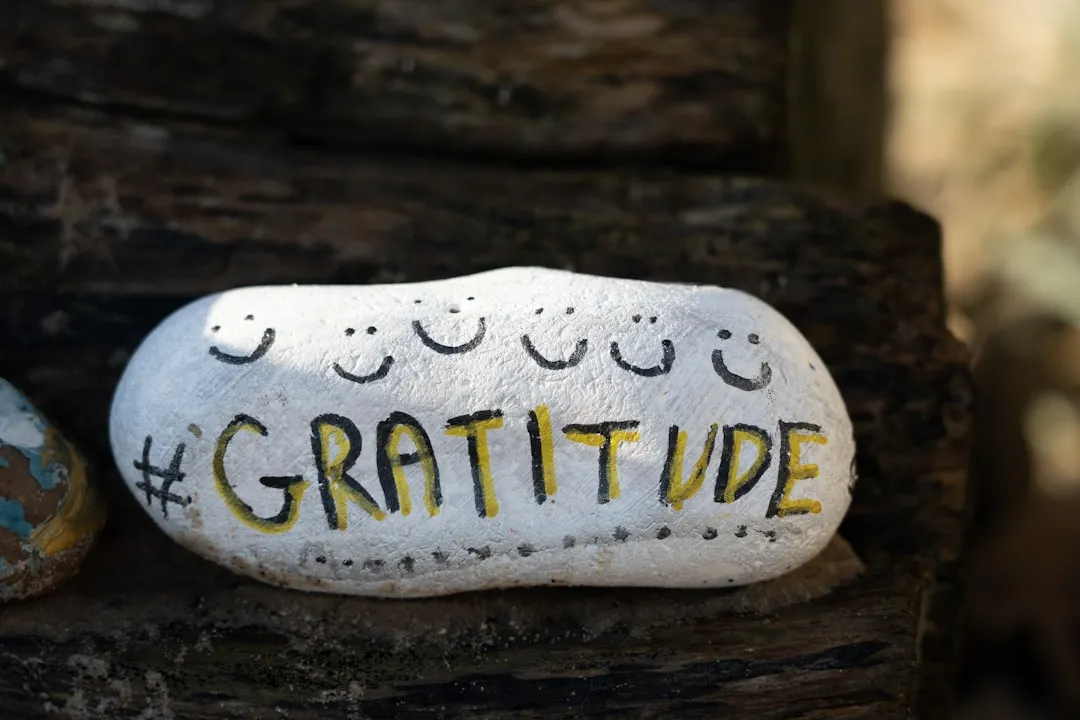
You. You are the architect of your own response to the unfolding narrative of your existence. While external circumstances often feel like a runaway train, your internal compass, the way you perceive and process these events, is largely within your control. Gratitude is not merely a fleeting emotion of thankfulness; it functions as a powerful lens that, when consistently applied, demonstrably alters the very framework through which you engage with life. It is a strategic adjustment to your perspective, a recalibration of your internal operating system, that can lead to profound and measurable shifts in your well-being and your capacity to navigate challenges. This article explores the scientific underpinnings and practical implications of how cultivating a grateful disposition can fundamentally reshape your responses to the world around you.
Your brain, a complex network of electrochemical signals, is susceptible to the influence of your thoughts and emotions. When you practice gratitude, you are not simply engaging in an abstract philosophical exercise; you are actively reconfiguring neural pathways. Research, including studies from 2015 and 2008, has indicated that gratitude activates specific regions of your brain, most notably the prefrontal cortex. This area is vital for executive functions such as emotional regulation, decision-making, and impulse control. By consciously directing your attention towards beneficial aspects of your life, you are essentially training this neural circuitry to operate more effectively.
Strengthening Emotional Regulation
The prefrontal cortex acts as your brain's conductor, orchestrating the symphony of your emotions. When gratitude is a regular part of your mental repertoire, this conductor becomes more adept at managing dissonant emotional notes. Instead of being overwhelmed by negative feelings, you develop a greater capacity to process them with a more balanced perspective. This heightened emotional regulation is crucial for maintaining stability in the face of unexpected stressors. It allows you to weather storms without capsizing, to remain buoyant even when the seas are rough.
Neurotransmitter Dynamics
Beyond structural activation, gratitude also influences the chemical landscape of your brain. Studies suggest that the experience of gratitude can lead to an increase in the release of neurotransmitters such as serotonin and dopamine. These chemicals are associated with feelings of pleasure, reward, and well-being. Therefore, the sensation of appreciation is not just a subjective feeling; it is accompanied by tangible neurochemical changes that promote a more positive internal state. This is akin to discovering a readily available spring of restorative fluids within your own mind.
Gratitude as a Resilience Amplifier
Life is an unpredictable tapestry, woven with threads of both joy and hardship. While you cannot always control the patterns that emerge, you can influence how you interpret and respond to them. Gratitude serves as a foundational element in building resilience, empowering you to bounce back from adversity with greater fortitude. Research from 2003 demonstrated that engaging in practices like gratitude journaling can significantly lower levels of stress and depression, while simultaneously fostering a stronger capacity to withstand setbacks.
Reframing Adversity
When confronted with difficulties, the default human response can often be focused on loss, frustration, or injustice. Gratitude offers a counter-narrative. It encourages you to seek out the silver linings, to identify the lessons learned, or to recognize the support systems that may still be present, even amidst challenging circumstances. This is not about ignoring pain, but about contextualizing it within a broader framework that acknowledges positive elements that persist. It is like finding a sturdy anchor in a tossing sea, providing a point of stability amidst the chaos.
Building a Buffer Against Future Stress
The act of regularly acknowledging what you are thankful for can create an internal reservoir of positive emotional capital. This accumulated positivity serves as a buffer, making you less susceptible to the debilitating effects of stress when it inevitably arises. The more consistently you engage with gratitude, the more robust this protective mechanism becomes. It is comparable to fortifying a castle wall; the stronger it is, the better it can withstand siege.
The Tangible Benefits to Your Physical Well-being
The impact of gratitude extends far beyond the realm of your mind; it has demonstrable and significant effects on your physical health. This is not a matter of anecdotal claims, but of findings corroborated by scientific inquiry. A meta-analysis published in 2023 highlighted that gratitude interventions are linked to a range of positive health outcomes. Furthermore, a study published in JAMA Psychiatry in July 2024 revealed a concrete association between high gratitude scores and a reduced risk of mortality and cardiovascular events.
Cardiovascular Health and Longevity
The connection between a grateful disposition and a healthier heart is becoming increasingly clear. The 2024 JAMA Psychiatry study, for instance, indicated that individuals with higher levels of gratitude had a 15% lower risk of cardiovascular death and a 9% lower risk of all-cause mortality. This suggests that consistent appreciation can act as a protective factor for your cardiovascular system. It is as if your heart, recognizing the abundance of its own function, is less taxed by the stressors that can lead to its decline.
Inflammation and Immune Function
Gratitude has also been linked to a reduction in physiological markers of stress and inflammation. Recent articles in 2025 have reiterated that gratitude can enhance immune function. This effect is likely mediated by its ability to lower cortisol levels, the body's primary stress hormone, and potentially boost the number of T-cells, important components of your immune system. By reducing chronic inflammation, gratitude contributes to a more robust defense against disease and a general feeling of vitality. This is akin to tending to the garden of your internal health, ensuring that the soil is fertile and the plants are strong.
Pain Management and Sleep Quality
The effects of gratitude can also be felt in your daily experience of physical comfort. Research indicates that gratitude can lead to a reduction in reported pain and an improvement in sleep quality. Endorphins, the body's natural pain relievers, may be released in response to feelings of appreciation. Similarly, the calming effect of gratitude can contribute to more restful sleep, a crucial element for overall physical and mental restoration. It provides a gentler transition from wakefulness to slumber, and a more peaceful passage through the night.
Transforming Your Daily Interactions and Overall Outlook
The influence of gratitude permeates your daily life, reshaping how you perceive your relationships, your work, and the broader world. It acts as a catalyst for more positive and constructive interactions, fostering a more optimistic and fulfilling existence. The 2023 meta-analysis supports this, noting that gratitude is linked to positive moods, optimism, and prosocial behavior.
Enhancing Social Connections
When you approach your relationships with a sense of appreciation, you tend to focus on the positive attributes of others and the value they bring to your life. This can lead to stronger bonds, improved communication, and a greater willingness to offer support to those around you. The observation of prosocial behavior in conjunction with gratitude suggests that recognizing the good in others naturally prompts you to act in kind. It transforms your interactions from transactional exchanges to mutually enriching partnerships.
Cultivating Optimism and Well-being
Gratitude is an inherently optimistic practice. By consciously acknowledging the good, you are actively training your mind to seek out and recognize positive aspects of your experiences, even when faced with difficulties. This cultivated optimism, as evidenced by the 2023 meta-analysis's findings of higher life satisfaction (6.86% higher) and reduced anxiety/depression symptoms (6-8% lower), can create a virtuous cycle of well-being. It is like tilting a kaleidoscope; the slightest adjustment can reveal an entirely new and beautiful pattern.
Reducing Worry and Negative Thought Patterns
The persistent hum of worry can be a significant drain on your mental energy. Gratitude offers an antidote. By directing your attention to what you are thankful for, you interrupt rumination and the amplification of negative thoughts. The 2023 meta-analysis specifically notes that gratitude is linked to less worry. This is because it acts as a powerful redirector, drawing your focus away from perceived shortcomings and towards present abundance. It is like a skilled gardener who diligently weeds out invasive thoughts, allowing the more beneficial ones to flourish.
Implementing Gratitude: Practical Applications
Understanding the profound impact of gratitude is the first step; actively integrating it into your daily life is where the transformation truly occurs. This is not about forcing yourself to feel something you don't; it's about cultivating a practice that allows these feelings to emerge and solidify.
The Power of the Gratitude Journal
One of the most well-documented and effective methods for cultivating gratitude is through journaling. As noted in the 2003 study, a gratitude journal can lower stress and depression. Dedicate a few minutes each day, perhaps before bed or in the morning, to write down three to five things you are grateful for. These can be simple, everyday occurrences or significant blessings. The act of committing these thoughts to paper solidifies them in your mind and creates a tangible record of your positive experiences.
Mindful Appreciation in Daily Life
Beyond formal journaling, practice mindful appreciation throughout your day. This involves consciously pausing to acknowledge and savor positive moments as they happen. When you enjoy a delicious meal, take a moment to appreciate the flavors and the nourishment it provides. When you witness a beautiful sunset, allow yourself to be fully present with its splendor. This constant, low-level engagement with appreciation keeps your perspective tuned to the positive.
Expressing Your Thanks to Others
Gratitude is not a solitary pursuit. Expressing your appreciation to others can amplify its effects for both parties. A simple "thank you" can have a significant impact. Consider writing thank-you notes, offering sincere compliments, or performing acts of kindness for those who have helped you. This outward expression reinforces your own sense of gratitude and strengthens your social connections, contributing to the prosocial behaviors observed in research. It creates ripples of positivity that extend far beyond yourself.
FAQs
What is gratitude and how is it defined?
Gratitude is the quality of being thankful and showing appreciation for what one has. It involves recognizing and acknowledging the positive aspects of life and the kindness of others.
How does practicing gratitude affect mental health?
Practicing gratitude has been shown to improve mental health by reducing stress, increasing feelings of happiness, and promoting a more positive outlook on life. It can help decrease symptoms of depression and anxiety.
Can gratitude change the way people respond to challenges?
Yes, gratitude can change responses to challenges by fostering resilience and encouraging a focus on positive aspects rather than setbacks. This shift in perspective can lead to more constructive coping strategies.
What are some common ways to practice gratitude daily?
Common ways to practice gratitude include keeping a gratitude journal, expressing thanks to others, reflecting on positive experiences, and mindfulness exercises that focus on appreciation.
Is there scientific evidence supporting the benefits of gratitude?
Yes, numerous studies in psychology have demonstrated that gratitude is linked to improved well-being, better relationships, and enhanced emotional health. Research supports that gratitude practices can lead to lasting positive changes in attitude and behavior.